Not subjective about COVID-19 variants
The Hanoi Centers for Disease Control (CDC) recorded 17 cases of COVID-19 in the past week, advising people not to be subjective about the variant BA.3.2, also known as "sparagus".
According to a report by Hanoi CDC, from March 20-27, the city recorded 17 cases in 12 wards and communes, raising the total number of cases from the beginning of the year to 29 cases in 22 wards and communes. Compared to the same period last year, the number of cases increased by 5, no deaths recorded.
The Hanoi Department of Health has not yet announced the test results of the circulating virus strain, but recommends that people not be panicked but also not subjective about the variant BA.3.2 - a sub-branch of the Omicron strain, also known as "sparagus".
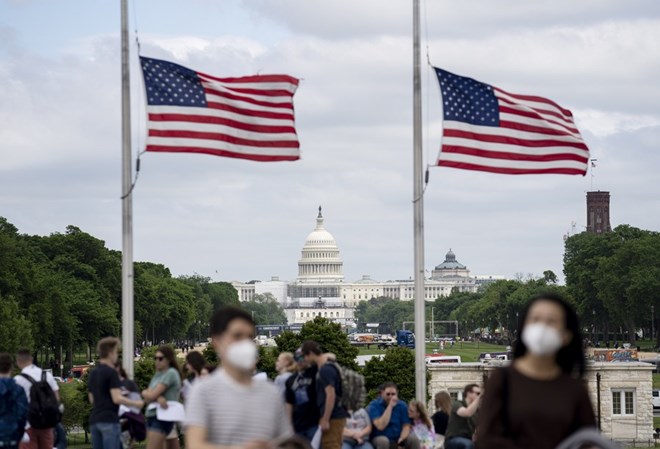
The World Health Organization and the US Centers for Disease Control and Prevention ranked BA.3.2 in the group of variants being monitored. WHO assesses the risk to public health of this variant at a low level compared to circulating Omicron strains.
Hanoi CDC recommends that people take preventive measures such as wearing masks when going to medical facilities, crowded places or closed spaces, especially for people with symptoms of cough, fever, respiratory infections. At the same time, it is necessary to maintain hand washing with soap or antiseptic solution, and clean contact surfaces such as door handles, desk, phones and personal devices.
The BA.3.2 variant was first recorded in South Africa on November 22, 2024. Existing data suggests that this variant has some changes in antigen characteristics and immunity avoidance in laboratory conditions. However, there is no evidence that BA.3.2 increases the severity of the disease, number of hospitalizations or deaths. WHO also believes that current vaccines are still effective in preventing serious illnesses and deaths.
The Ministry of Health said it is continuing to closely monitor the developments of the epidemic and its variants around the world. The preventive health system and medical examination and treatment facilities maintain monitoring, early detection, risk assessment and are ready to respond when necessary.
People are advised to proactively monitor their health, practice good personal hygiene and go to medical facilities when there are suspicious signs, especially for the elderly, people with underlying diseases, pregnant women and high-risk groups.
In addition to COVID-19, Hanoi recorded 233 cases of hand, foot and mouth disease last week, an increase of 46 cases compared to the previous week and is forecast to continue to increase. From the beginning of 2026 to now, the city has recorded 1,320 cases, an increase of 582 cases compared to the same period last year.
Leaders of Hanoi CDC said that the health sector is closely monitoring the epidemic situation, organizing zoning, and promptly handling outbreaks. Ward and commune health stations are strengthening surveillance and detecting cases at the grassroots level and in the community through the infectious disease reporting system.
Developments of the "single civet" variant in the world
The BA.3.2 variant is spreading in the US and some countries. According to the US CDC, this virus strain has appeared in at least 25 states. Data from the Stanford University WastewaterSCAN monitoring program found this variant in 3.7% of wastewater samples.
BA. 3. 2 carries about 70-75 mutations in spine protein, which helps increase immunity avoidance. However, some experts believe that these mutations can reduce cell adhesion and penetration efficiency.
Current studies and assessments show that this variant has not increased the rate of severe illness or hospitalization. Common symptoms are still similar to previous variants, including cough, fever, sore throat, stuffy nose, loss of taste or smell. Most cases can recover on their own by resting and being monitored at home.
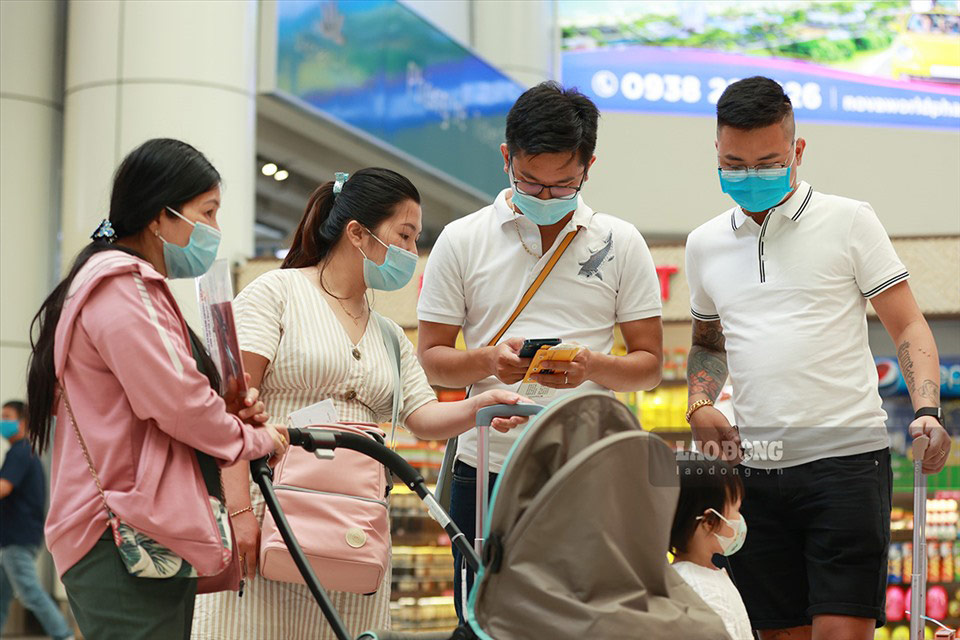
Travel recommendation
Tourists can continue domestic and international tourism activities as usual, but need to proactively prevent COVID-19 epidemics.
Should bring a mask and use it when going to the airport, public transport, crowded attractions or closed spaces.
Wash your hands regularly, limit touching your eyes, nose, and mouth without disinfection.
Monitor your health throughout the journey; if respiratory symptoms such as cough, fever appear, you should limit contact, self-isolate temporarily and go to a medical facility when necessary.
For the elderly, people with underlying illnesses or pregnant women, it is necessary to consider a suitable schedule, avoid crowded places and fully update medical recommendations before the trip.