
Invisible pressure
It is not difficult to recognize that "the pressure to have beautiful photos when traveling" is a phenomenon in today's youth life. For Nguyen Thi Yen Nhi (22 years old, Bac Ninh), taking and posting photos originates from personal preferences, as a way to preserve memories and share joy with friends. However, Nhi also admits that social networks are a major factor affecting this psychology.
When I see others having beautiful photos, I also unconsciously want to have such photos, or at least not be inferior" - Yen Nhi shared.
According to this young person, when users are constantly exposed to selected and carefully edited images on social networks, the formation of an invisible "standard" of beauty is inevitable. Photos check-in at famous places, meticulous to every detail, unintentionally make many people feel that a trip is only complete when there are perfect frames.
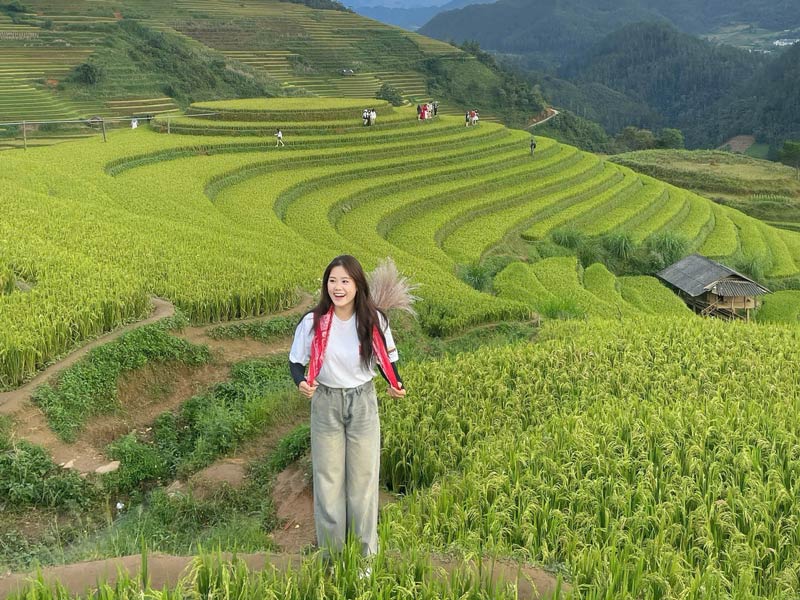
Similarly, Le Hoang Yen (22 years old, Nghe An) believes that this pressure also comes from each person's own thoughts.
When you have spent money and time on a trip, many people will think that you must have good photos to be worthy of that effort. This makes taking photos no longer simply recording moments, but gradually becoming a task to be completed" - Yen shared.
Besides, image pressure also directly affects the choice of destinations. Instead of starting from personal preferences or experience needs, many young people prioritize places that are beautiful for photos, have many check-in corners or are trending on social networks. The psychology of fear of being missed makes many people get caught up in hot spots, even if it is not necessarily the place they really want to go.
Missing real-life moments
Not only stopping at thinking, the pressure to have beautiful photos also clearly affects how to enjoy the trip. Many young people admit that they spent most of their time cornering, adjusting the lighting, posing, taking photos many times with the goal of getting a satisfactory travel photo.
Yen Nhi recounted a memorable experience when going to the beach: "I took photos of the sunset but didn't really watch the sunset. At that time, I only focused on the camera angle, lighting, and when I finished, the most beautiful moment was over. A moment that should have been enjoyed with direct emotions was interrupted by the need to record images.
Emphasizing the image element sometimes also affects emotions about the trip. Yen Nhi once felt disappointed when the photos were not as desired, although the reality of the scenery was very beautiful.
At that time, I felt the trip was not complete, but thinking back, it was a bit regrettable, because I should have remembered the feelings when I was there rather than just focusing on the photos" - Nhi expressed.
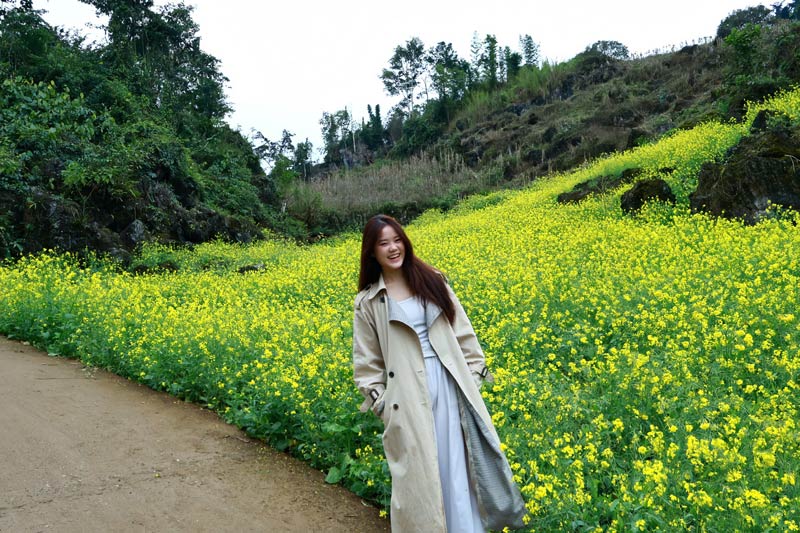
Meanwhile, Hoang Thi Mai (20 years old, Hanoi) chose a more balanced approach. She said she still takes photos, but does not put it heavy.
For me, the main purpose of tourism is still to experience. Photos are just a way to preserve a part of the memories. In my opinion, if the itinerary revolves around which corner is beautiful, which time the light is good, the trip can easily become a photo hunting journey instead of experiencing and exploring" - Mai said.
According to this young person, when focusing too much on recording images, we easily miss real experiences such as feeling the atmosphere, sounds, rhythm of life or unexpected interactions during the journey. These factors, although difficult to capture, are the core part that creates the value of a trip.
To balance between taking photos and enjoying, many young people believe that it is necessary to proactively adjust the approach. Planning in advance, clearly defining the time spent taking photos and experiencing, or simply setting limits for yourself when using a phone is one of the effective solutions.


