
Converting tourism models associated with conservation
On April 25, in Lien Son Lak commune (Dak Lak province), the "Lien Son Lak - Happy Elephant Footprints" tourism festival was held, conveying the message of transitioning to a model of tourism friendly to elephants, towards sustainable development.
Speaking at the opening ceremony, Mr. Y Tho Mlo - Deputy Head of the Culture and Social Department of Lien Son Lak commune said that elephants have long been closely associated with the life and culture of local people.
However, in the current context, the exploitation of elephants for tourism in the traditional form is posing many challenges for animal conservation and welfare.
The festival is organized to raise community awareness about elephant conservation and welfare; promote the transition to a friendly tourism model, not riding elephants; and at the same time promote the cultural values and typical community tourism products of the locality," Mr. Y Tho Mlo emphasized.
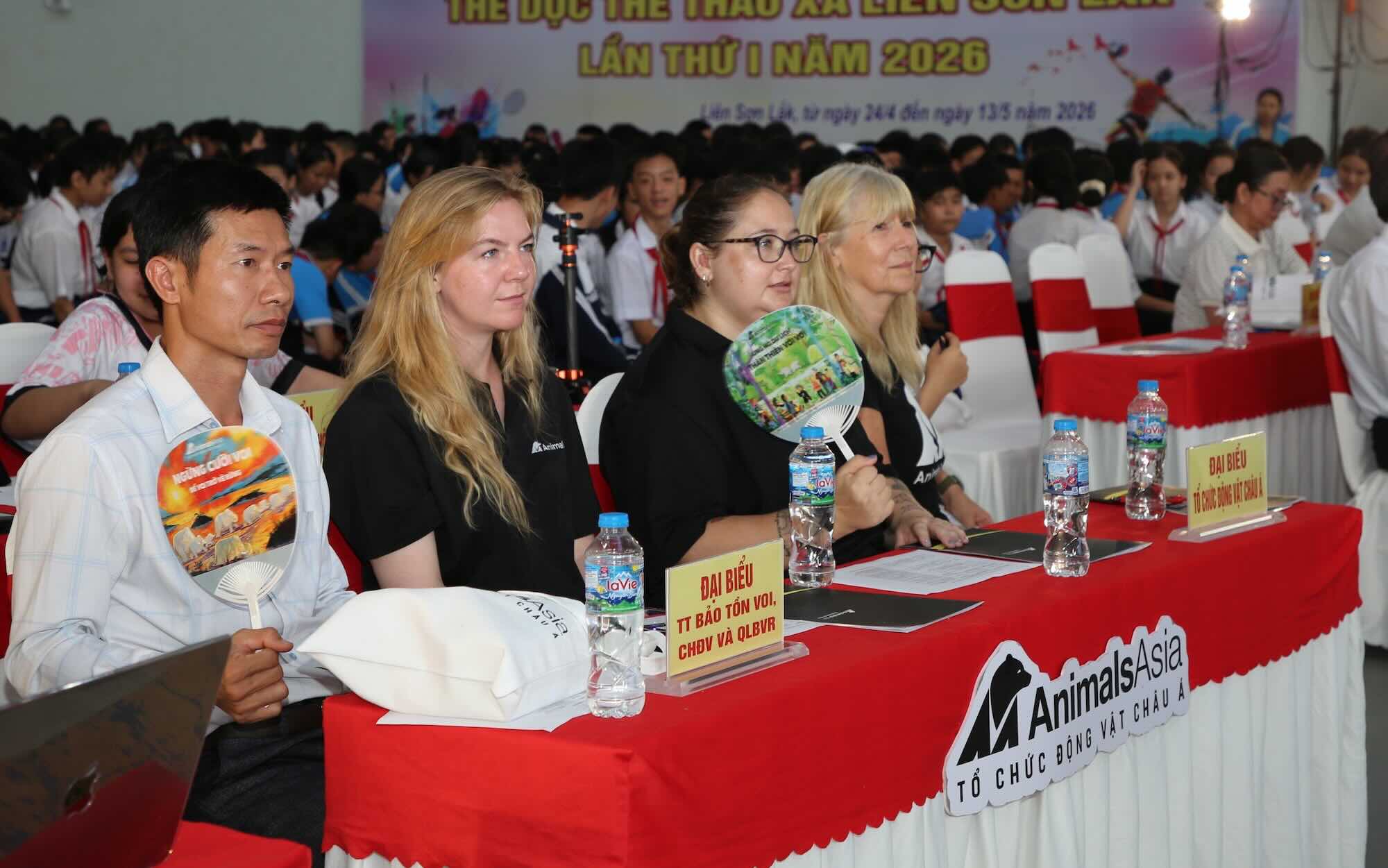

At the festival, many activities were deployed such as the "Happy Elephant" display space, introducing friendly tourism models with elephants, community booths, competitions to learn about elephants for students and folk games. Thereby, contributing to spreading the preservation message to people and tourists.
Towards sustainable development
Sharing at the event, Ms. Jill Robinson - Founder and General Director of Animals Asia Organization said that elephants are not born to serve tourist transportation but need to live in a natural environment and be properly cared for.
For many years, we have accompanied Dak Lak in elephant conservation and gradually built a friendly tourism model. Reality shows that elephants live more naturally, tourists welcome them positively and this model can still ensure livelihoods for local people," said Ms. Jill Robinson.
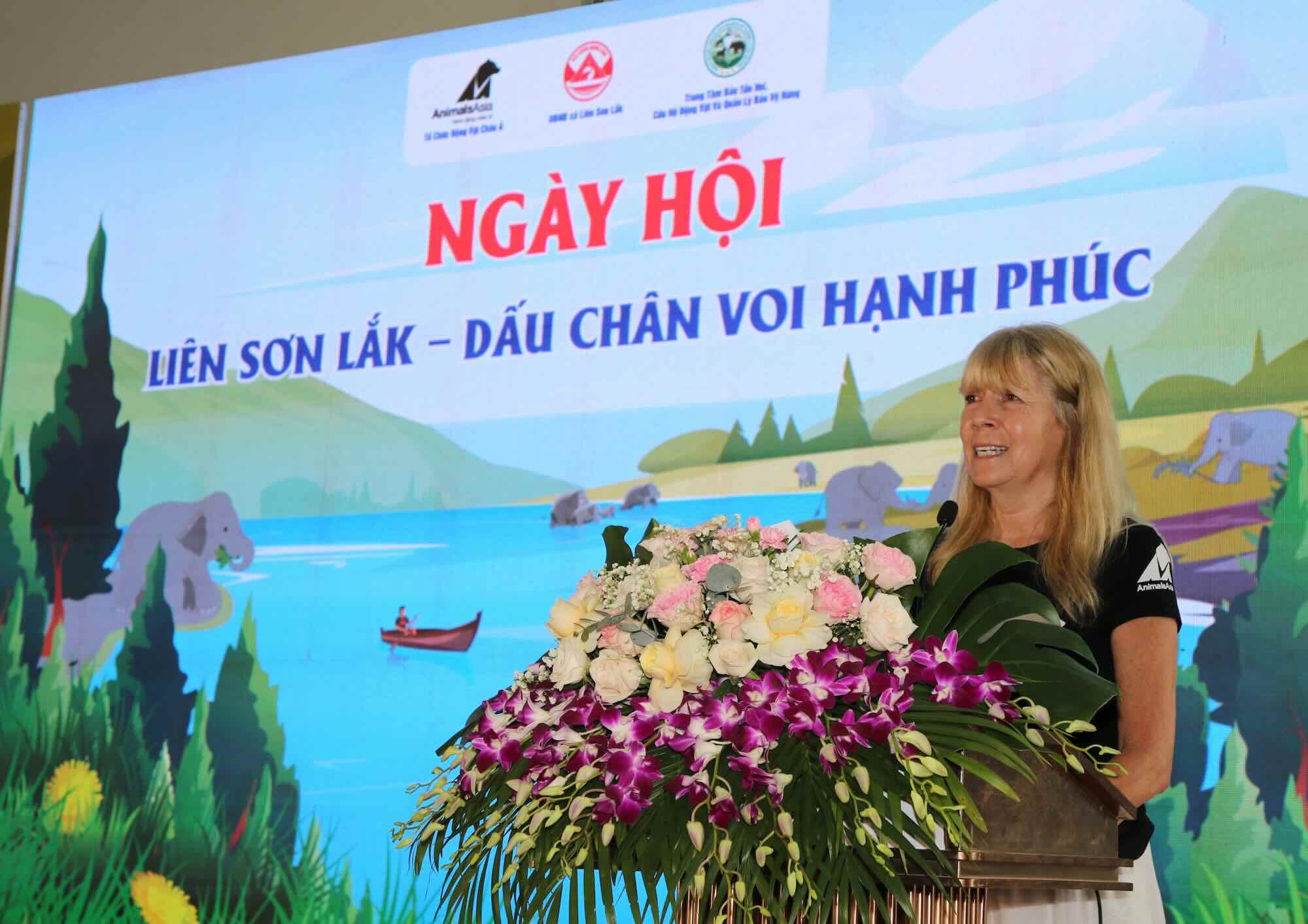
According to Ms. Jill Robinson, after more than 7 years of pilot implementation in some locations such as Yok Don National Park, the non-elephant tourism model has proven its feasibility and is gradually being replicated.
The highlight of the festival is the ceremony of committing to transition to elephant-friendly tourism, showing the determination of the government, community and businesses to change the way tourism is done in a humane and sustainable direction.

However, the conversion also poses a livelihood problem for people who once depended on elephant riding activities.
According to experts, for this model to be effective, there needs to be synchronous support in policies, training and connecting the tourism market.
The "Happy Elephant Footprints" festival is not only a tourism promotion activity but also a specific step in the roadmap to change thinking, from exploitation to preservation.
When elephants live true to their instincts, local tourism also has the opportunity to develop more sustainably, harmonizing economy and environment.


