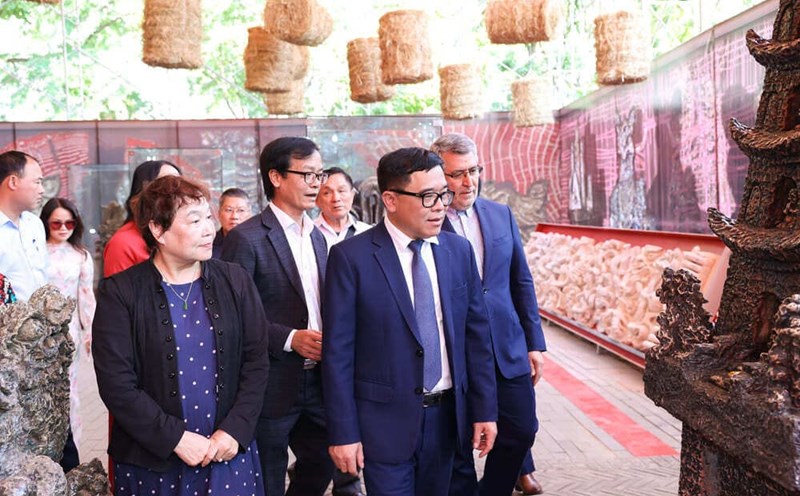
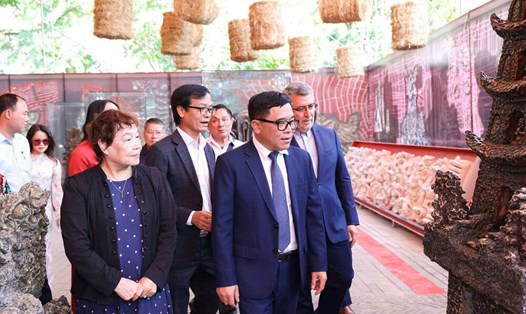
According to the decision, the Hanoi Museum is directly managed, exploited and developed by this unit according to the provisions of the Tourism Law and related legal documents.
Relevant departments and branches and local authorities are responsible for coordinating, guiding and ensuring the operation of the destination is operated effectively and sustainably.
Being recognized as a city-level tourist destination is considered suitable for the role and potential of a large cultural institution of the Capital.
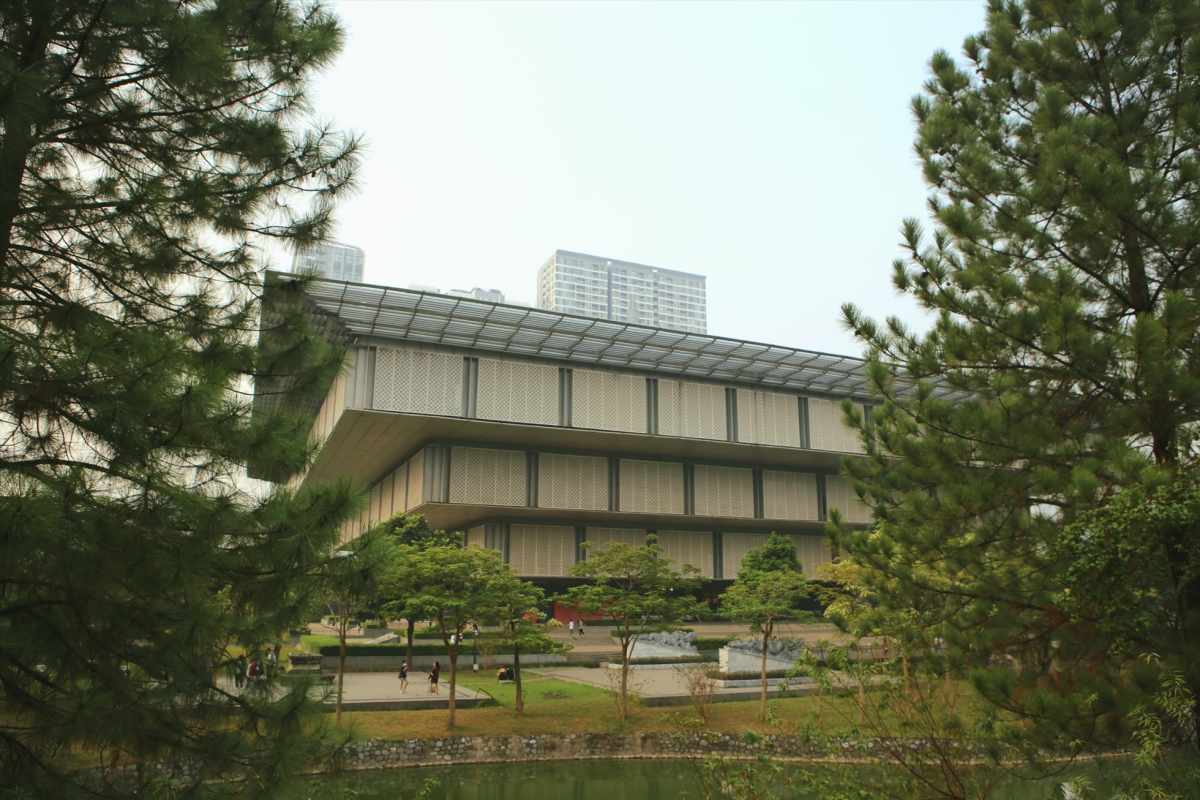
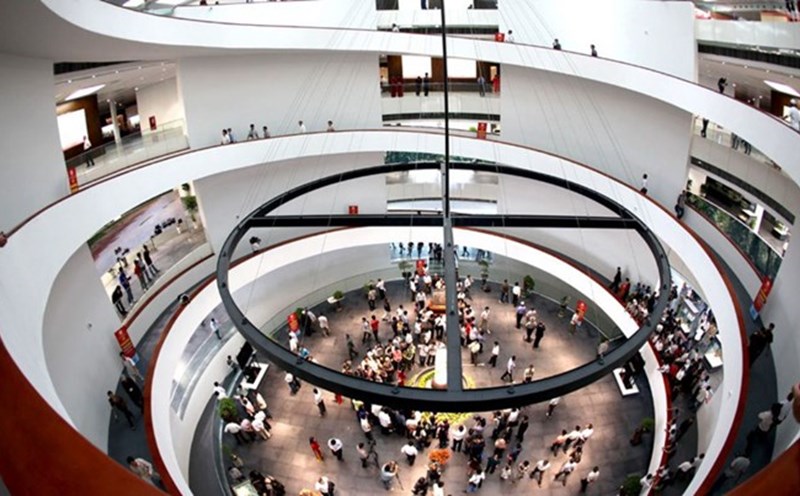
Established in 2009 and inaugurated in 2010 on the occasion of the 1000th anniversary of Thang Long - Hanoi, the Hanoi Museum is a place to preserve and introduce typical historical, cultural, and natural values of the thousand-year-old land of civilization.
The project impresses with its unique architecture inspired by the image of One Pillar Pagoda, with the shape of a blooming lotus flower, once honored by Business Insider magazine (USA) in the list of museums with beautiful architecture in the world.
Not only outstanding in architecture, the museum also attracts visitors thanks to a diverse display system with 7 themes, recreating the historical process of Hanoi from its early formation, the glorious development period of Thang Long, to the stages of resistance war and national construction.
In addition, thematic and outdoor exhibition spaces such as "War and Peace", "Spring Dance" or the industrial heritage introduction area with Tu Luc steam locomotives... bring a new experience, combining modern installation art and traditional materials.
The museum also regularly organizes experiential activities, thematic exhibitions, creative spaces, and develops accompanying services such as events, conferences, cuisine... contributing to perfecting tourism products.
Becoming a city-level tourist destination not only enhances the position of the Hanoi Museum in the destination system of the Capital, but also creates conditions for the unit to innovate content, apply technology and develop creative tourism products.
This is also a specific step to realize the orientation of making culture a development resource, contributing to transforming heritage values into assets and enhancing the attractiveness of Hanoi tourism in the new period.