
Number of visitors and revenue continue to grow
In the first 6 months of 2026, Ho Chi Minh City's tourism industry recorded many positive results when the number of international visitors and revenue continued to grow high. Along with that, many new tourism products were put into operation, promotion, communication, regional linkage and digital transformation activities were deployed synchronously, contributing to improving the competitiveness of destinations.
Notably, after expanding administrative boundaries, the tourism industry proactively exploits new potentials to gradually form a multi-center tourism development space. This model harmoniously combines urban tourism, sea, resort, ecology, community and night economy, creating more experience options for tourists.
According to the Ho Chi Minh City Department of Tourism, in the first 6 months of 2026, the city welcomed about 6,396,102 international visitors, reaching 58.1% of the annual plan. Domestic tourists are estimated to reach 27,315,000, completing 54.6% of the plan. Total revenue from tourism reached about 213,980 billion VND, equivalent to 64.8% of the full-year target.
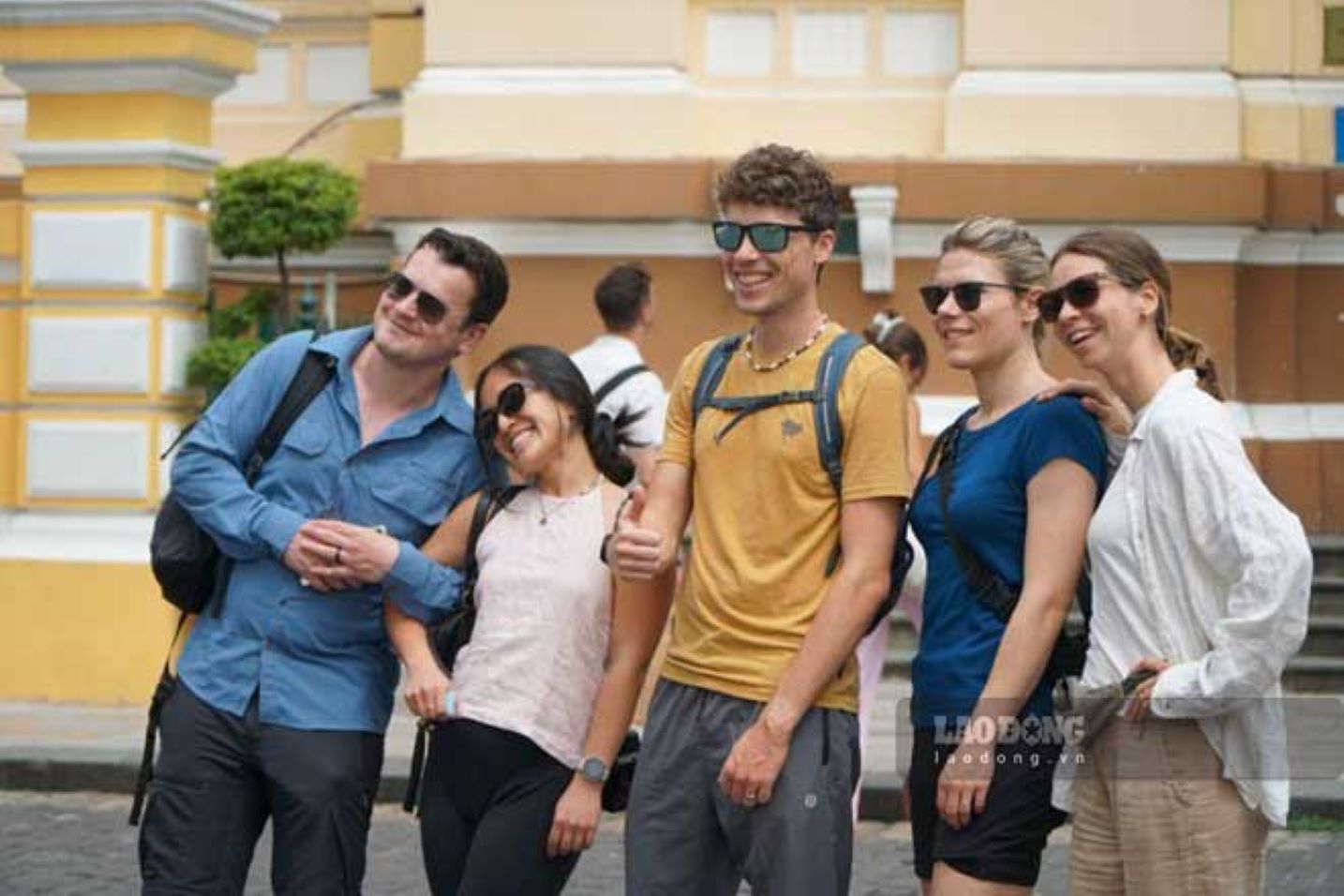
This result shows the effectiveness of shifting the customer structure towards improving quality, increasing spending and extending length of stay. Tourism continues to be one of the fast-growing service industries, creating spillover effects to the fields of trade, transportation, accommodation, cuisine and many related economic sectors.
Improve product quality, increase experience
Instead of just focusing on attracting the number of visitors, Ho Chi Minh City's tourism industry is aiming to improve the quality of experience, putting tourists at the center and increasing the competitiveness of destinations.
Development orientations associated with urban economy, night economy, cultural industry and experience economy continue to be promoted. The city is also gradually shifting from the event organization model to event economic development to create spillover effects for many service sectors.
Public spaces such as pedestrian streets, parks, riverside routes, flower streets and community activity areas are exploited more effectively, contributing to the formation of an experiential urban model, both improving the quality of life of people and increasing attractiveness to tourists.
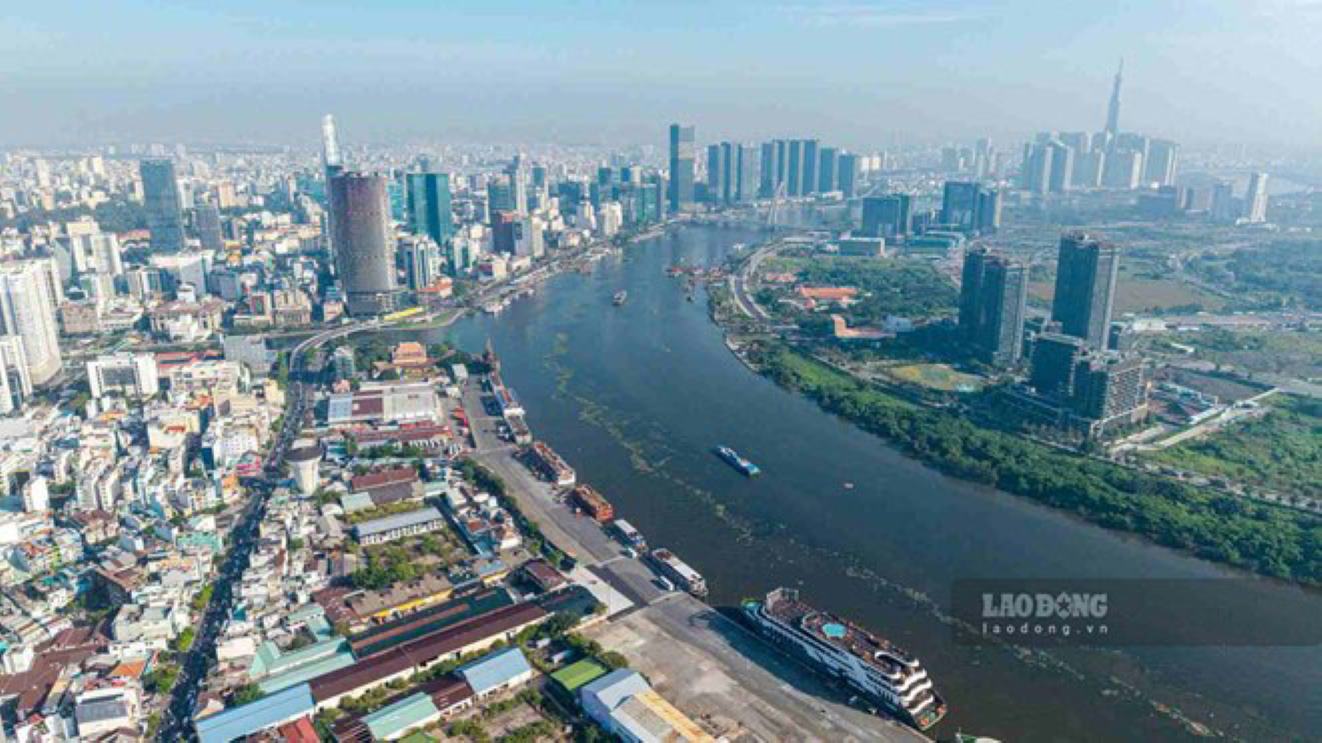
In parallel, the city continues to develop unique tourism products such as MICE tourism, night economy, waterway tourism, community tourism, culinary tourism and helicopter tours to see Ho Chi Minh City from above.
In the first 6 months of the year, many large-scale tourism stimulus programs have been implemented associated with Lunar New Year, Hung Kings Commemoration Day, April 30 - May 1 holidays and summer tourism season. Events such as Ho Chi Minh City Tourism Festival, Ho Chi Minh City Ao Dai Festival continue to promote the image of destinations and promote tourism demand.
According to the Ho Chi Minh City Department of Tourism, stimulus programs are implemented in a more methodical and professional direction, not only focusing on price incentives but also focusing on improving product quality, increasing experience and expanding tourism consumption space. This is considered a platform for the tourism industry to continue to improve competitiveness, support businesses to recover and maintain growth momentum in the last months of the year.


