
Creating livelihoods for thousands of workers
On December 24, the Department of Culture, Sports and Tourism of Da Nang City held a conference to summarize the Rural Tourism Development Program in New Rural Development (NTM) of Da Nang City for the period 2021-2025.
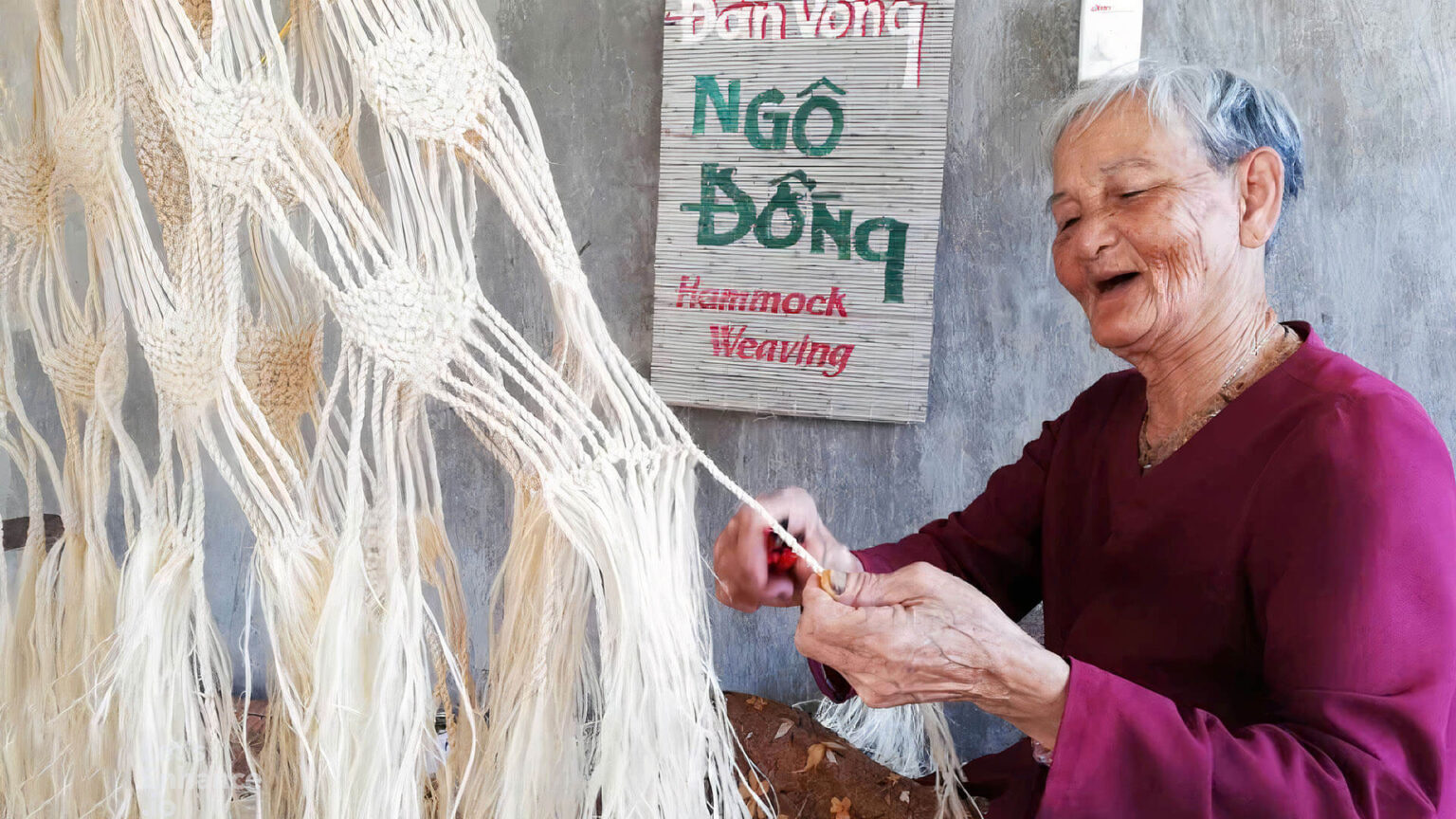
Agricultural and rural tourism is not only an inevitable trend in the context of sustainable tourism development but also an important path to exploit the potential and advantages of rural areas, create livelihoods, increase income for people, preserve and promote indigenous cultural values.
According to Mr. Van Ba Son - Deputy Director of the Department of Culture, Sports and Tourism of Da Nang City, in nearly 5 years of implementing the Rural Tourism Development Program in New Rural Development, rural agricultural tourism in the city has achieved many positive results, recognizing strong development, bringing new nuances and new vitality to rural areas, gradually becoming an important economic sector, contributing positively to the process of economic restructuring.
Solving jobs for workers and improving people's lives, developing tourism in rural areas also contributes to preserving, promoting, spreading unique cultural and natural values and protecting the environment in rural areas with tourism development.
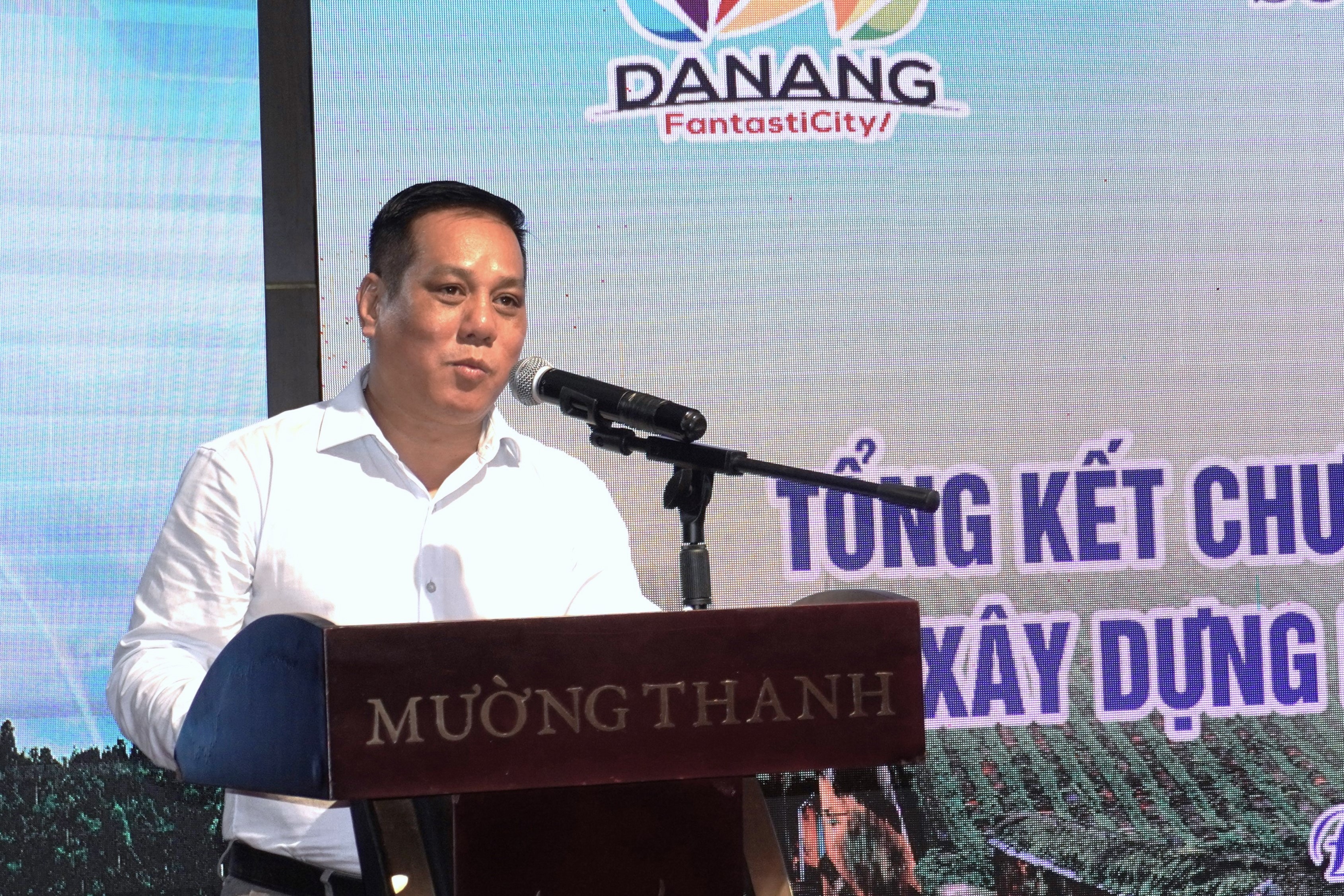
According to Mr. Son, agricultural and rural tourism has attracted over 4,000 households and about 4,500 direct and 10,000 indirect workers in 2025. Revenue from rural agricultural tourism in 2025 will reach over 300 billion VND.
Many tourism products with unique and quality agricultural ecological culture have been exploited systematically, with orientation, meeting the needs of tourists to visit and experience according to different target groups and have been warmly welcomed by domestic and foreign tourists and honored and recognized by prestigious tourism organizations in the world.
Da Nang has great potential for tourism development
Da Nang City after the merger has a natural area of nearly 12,000 km2, a 217 km long coastline, and an expanded development space with many new tourism resources. This is a favorable condition for forming inter-regional tours, developing specific products along the sea - river - mountain axis, while improving the quality of tourism experiences associated with local identity.
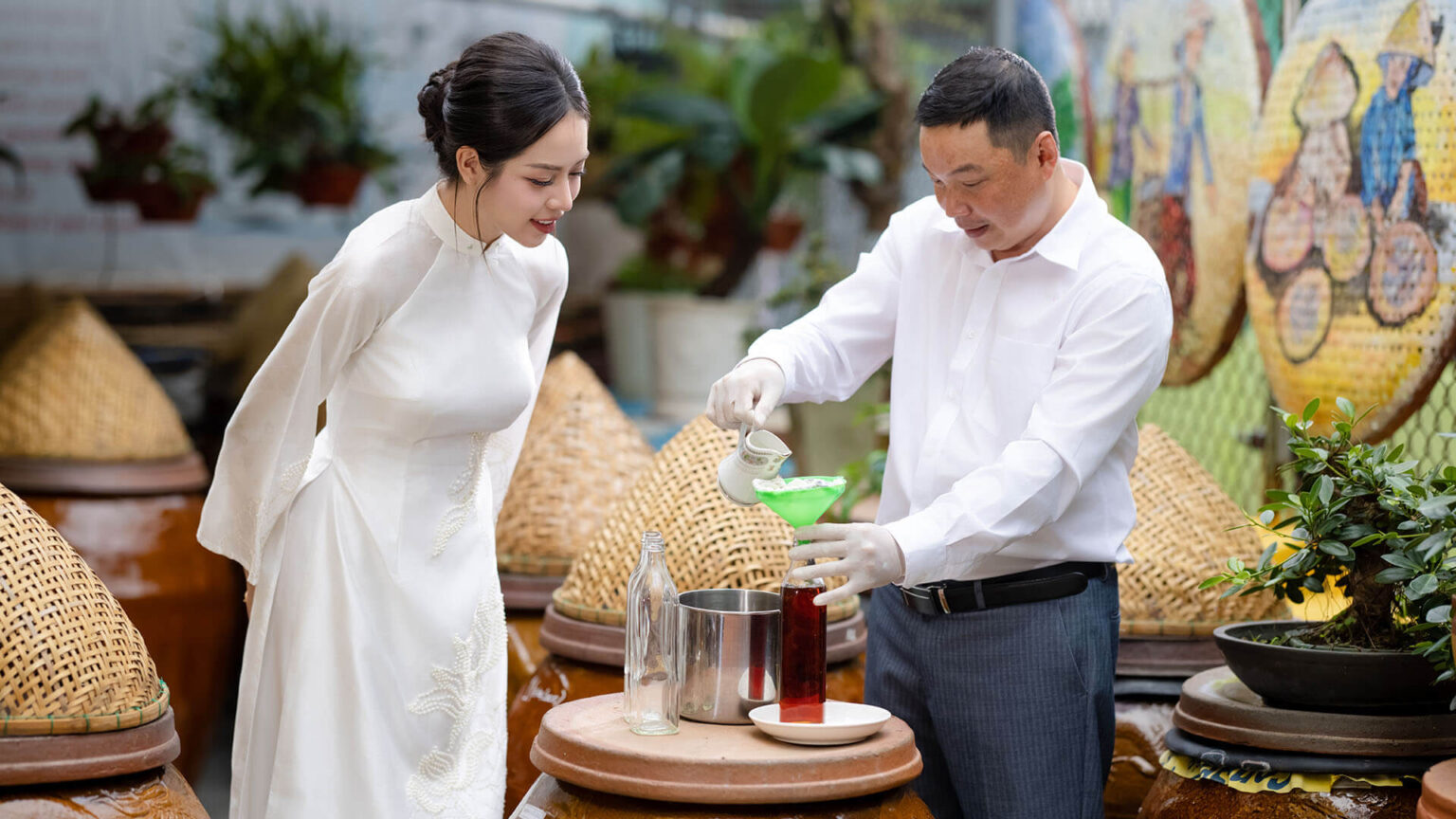
According to Mr. Van Ba Son, Da Nang City currently owns many world cultural heritages such as Hoi An Ancient Town, My Son Temple and Tower Area; Bai Coi Art - Representative Intangible Cultural Heritage of Humanity; Cu Lao Cham - Hoi An World Biosphere Reserve; and the Ma Nhai relic system at Ngu Hanh Son Scenic Landscape Site recognized by UNESCO as a documentary heritage of the Asia - Pacific region.
In addition, Ky Anh Topography is one of the three largest topography in the country; Loc Yen Ancient Village is one of the four national-level ancient villages; Sam Ngoc Linh - the national treasure of Vietnam; Son Tra Peninsula, Song Thanh National Park; along with more than 560 relics, 26 intangible heritages and nearly 150 famous natural resources with landscapes of seas, islands, lakes, primeval forests, countrysides, and craft villages rich in identity.
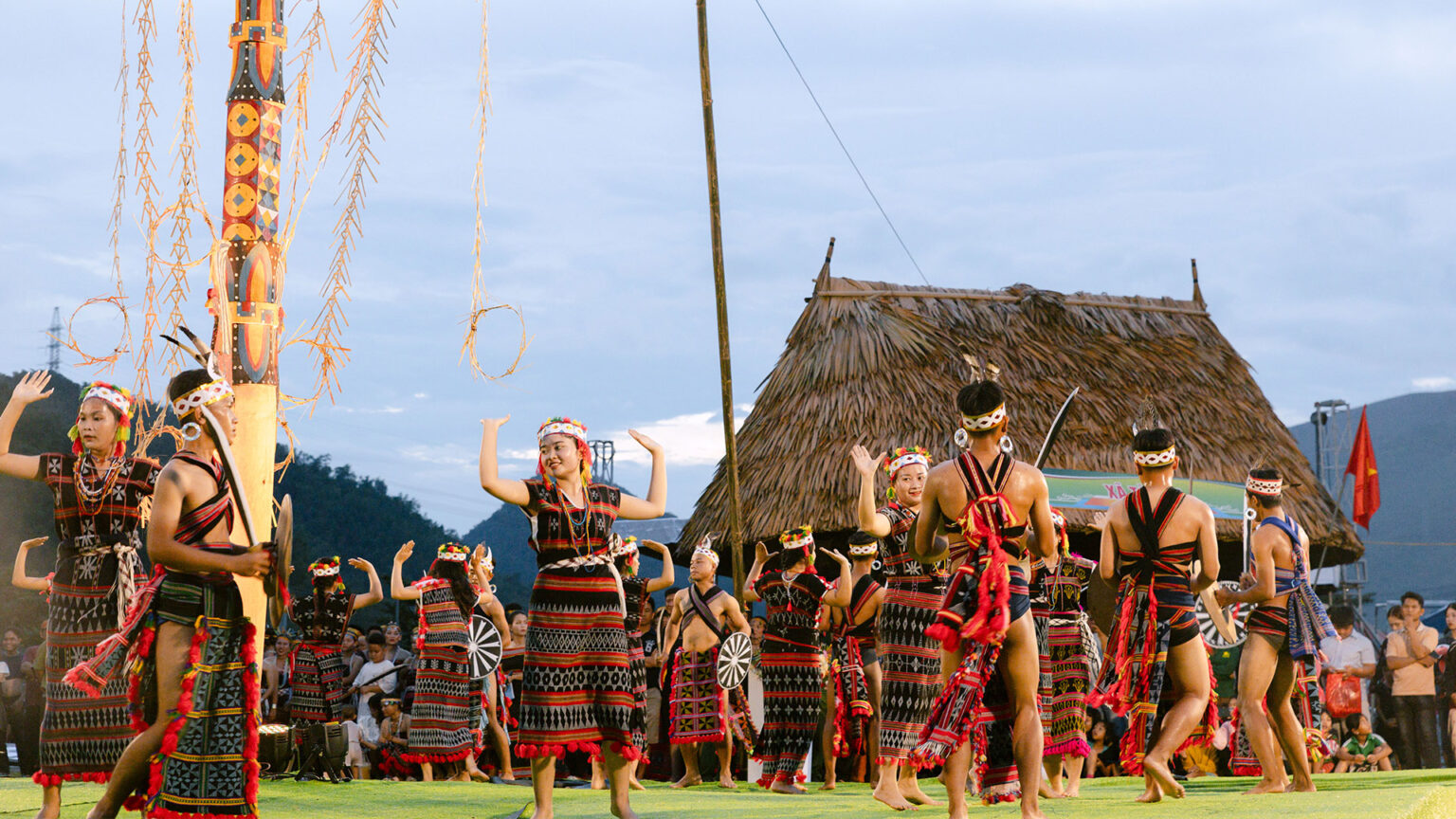
"These are all rich cultural and natural treasures to develop eco-tourism, community tourism and agricultural and rural tourism in the city", said the Deputy Director of the Department of Culture, Sports and Tourism of Da Nang.


