
Preserving traditional crafts amidst modern life
Through many generations, the rattan and bamboo weaving craft has still been preserved by the Thai, Mong, Dao, La Ha, Khang... people as an indispensable part of cultural life.
From familiar items such as presses, nong, nia, baskets, trays, baskets, baskets, baskets for catching fish to products for interior decoration, all show the skill, creativity and accumulated experience of the craftsman.
Today, in addition to serving daily living needs, many localities have turned rattan and bamboo weaving products into commodities, combined with community tourism development to create jobs and increase income for people.
In Na Tau village, Ngoc Chien commune, bamboo and rattan weaving has existed for many generations. Currently, hundreds of households still maintain traditional crafts, concentrated in Na Tau, Dong Xuong, Muong Chien and Luot villages.
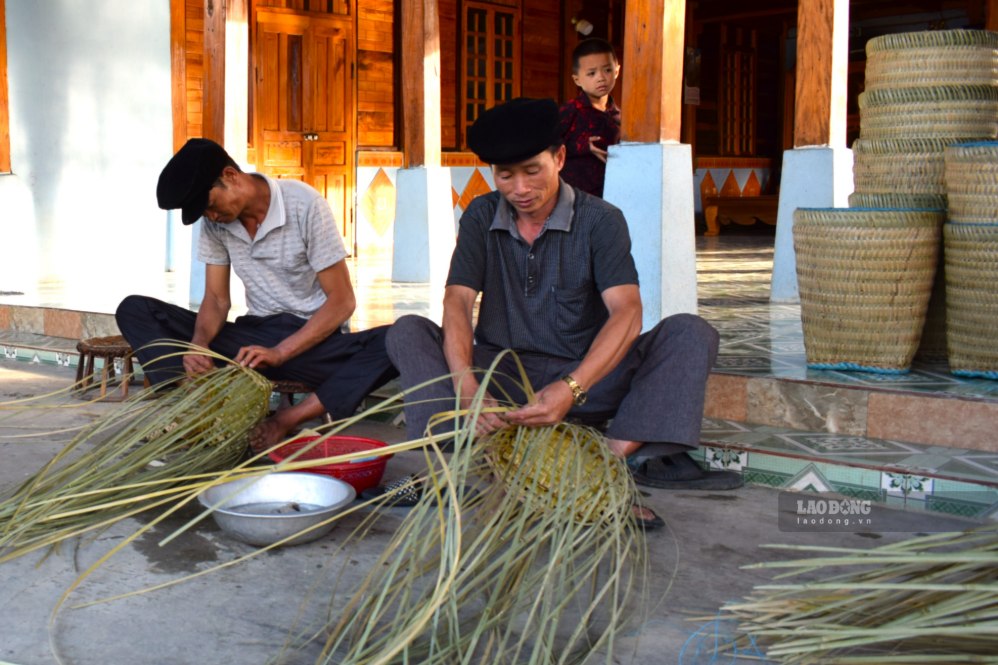
Mr. Lo Van Bao, Na Tau village, said that his family has four members working in weaving. On average, each month, his family produces from 80 to 100 products of all kinds.
Mr. Bao shared: "We always try to preserve traditional weaving techniques, and at the same time improve designs to meet market demand. When tourism develops, products become more known, thanks to which people also have more income.
According to craftsmen, to create a complete product, craftsmen must go through many stages, from selecting materials, splitting bamboo strips, threading yarn to meticulous weaving.
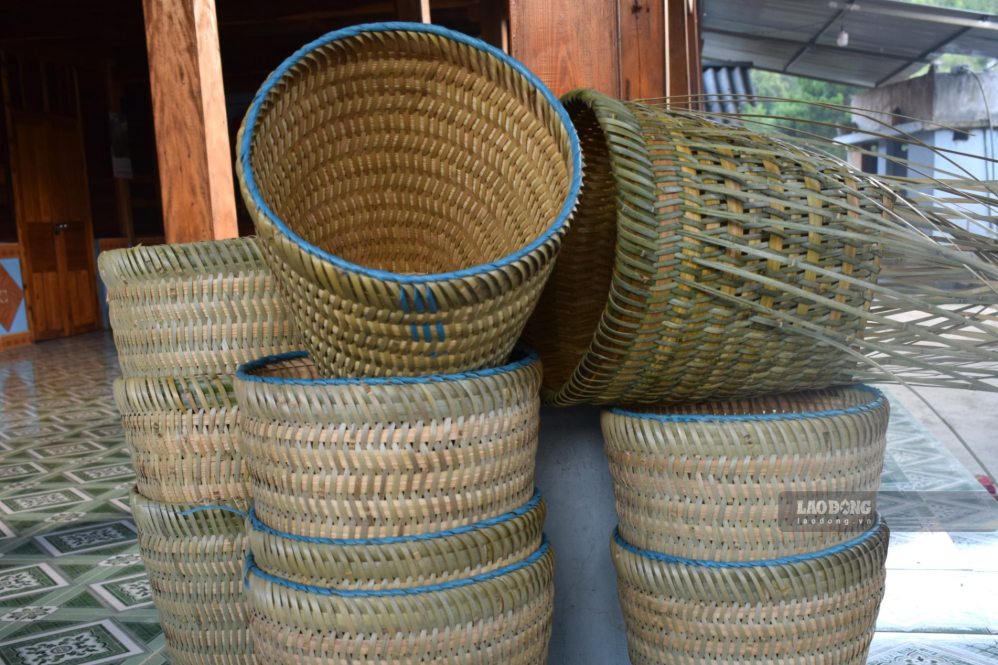
After completion, the product is smoked on the kitchen loft or treated against termites to increase durability and maintain natural color.
Linking the preservation of traditional crafts with tourism development
Along with Ngoc Chien, the weaving profession in Bon village, Muong Chien commune is also being restored and developed in the direction of community tourism.
Bamboo hats, mats, lanterns and interior decoration items not only serve daily life but also become products loved by tourists.
Mr. Dieu Van Trung, Bon village, shared: "Each product contains cultural values passed down from generation to generation. We want to preserve the craft and introduce the traditional beauty of the nation to domestic and foreign tourists.
Ms. Pham Thi Hang, a tourist from Sam Mun commune, Dien Bien province, said she was impressed with the skillfulness and meticulousness of the workers and was excited to directly experience the traditional weaving stages.
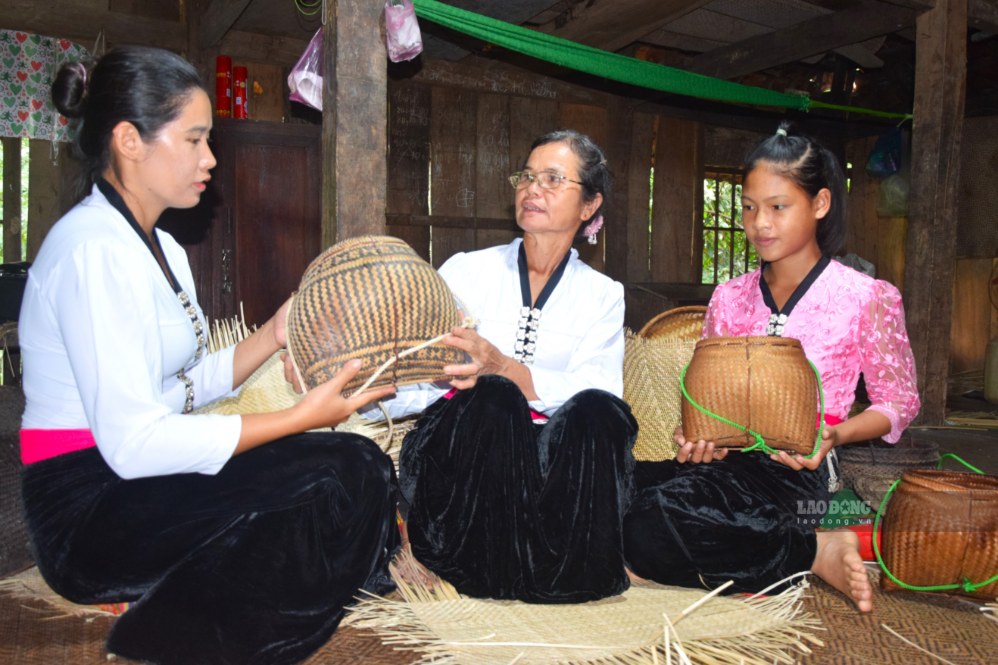
In Lua village, Muong E commune, bamboo and rattan weaving is gradually developing towards producing goods associated with community tourism. In 2022, the Lua bamboo and rattan weaving cooperative was established with 15 members, specializing in producing traditional goods and souvenirs.
Mr. Lo Van Hoan, Secretary of the Lua village Party Cell, said that besides familiar products such as rice paper presses, trays, baskets, people also creatively add handbags, hanging lamps and many decorative products to meet the needs of the market, aiming to build OCOP products in the near future.
To improve product quality, many households in Lua village have invested in bamboo splitting machines and bamboo slicing machines, and are also supported with technical training, trade promotion and market connection.
Mr. Lo Anh Vien, Vice Chairman of Muong E Commune People's Committee, said that the locality is focusing on standardizing production processes, building brands and promoting products, aiming to turn rattan and bamboo weaving into a unique cultural product, contributing to increasing income for people.
Currently, Son La has 8 cooperative groups and cooperatives operating in the field of traditional handicraft production, including bamboo and rattan weaving. Products are regularly introduced at cultural events, trade fairs and community tourism spots.
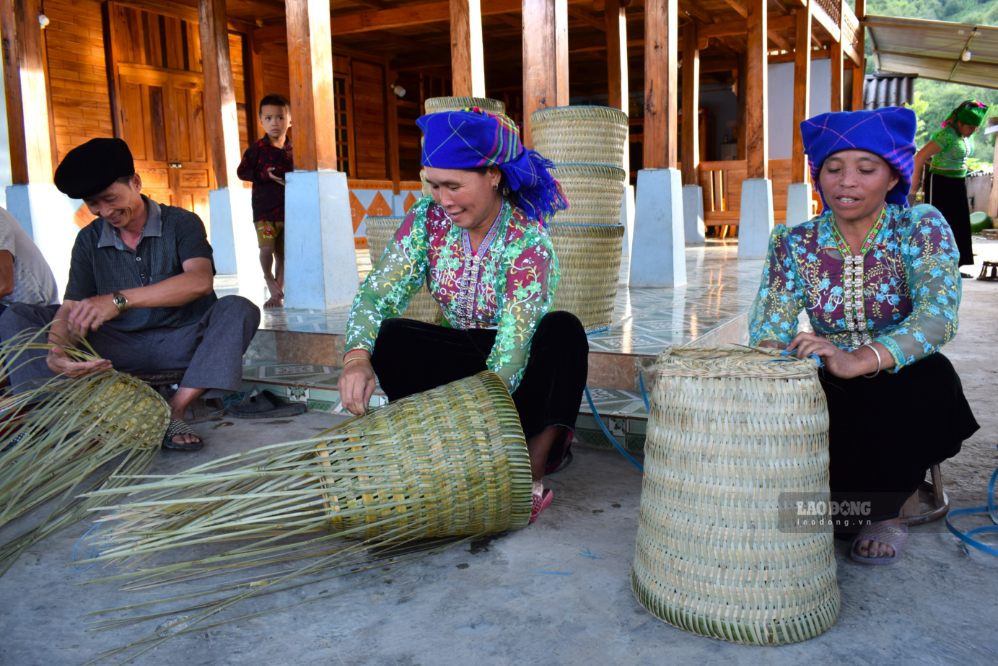
Each product not only carries usage value but also contains the unique cultural beauty of each ethnic group.
In the midst of modern life, preserving and developing traditional crafts is contributing to preserving cultural identity, while creating sustainable livelihoods for people in the highlands of Son La.


