
The mark of a golden age of Muong Chanh pottery
Located in the middle of Muong Chanh valley, Son La province, handicraft pottery kilns are still silently burning through many generations.
There was a time when pottery making was present in almost every Thai family, becoming the main source of income for many households. Not only is it a livelihood, pottery also preserves the traditional cultural values of the local community.
According to the story of the elders, Muong Chanh pottery craft was born a long time ago, originating from people discovering a layer of clay mixed with kaolin lying deep under the rice fields.
From this special type of soil, jars, pots, jars, water bottles and many other household items were born one after another.
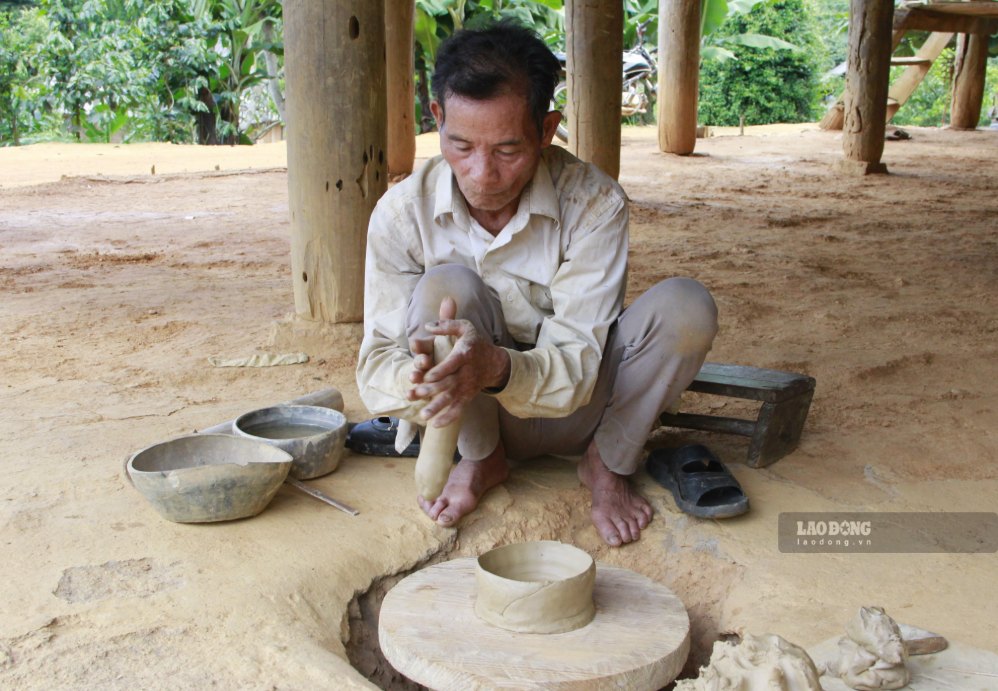
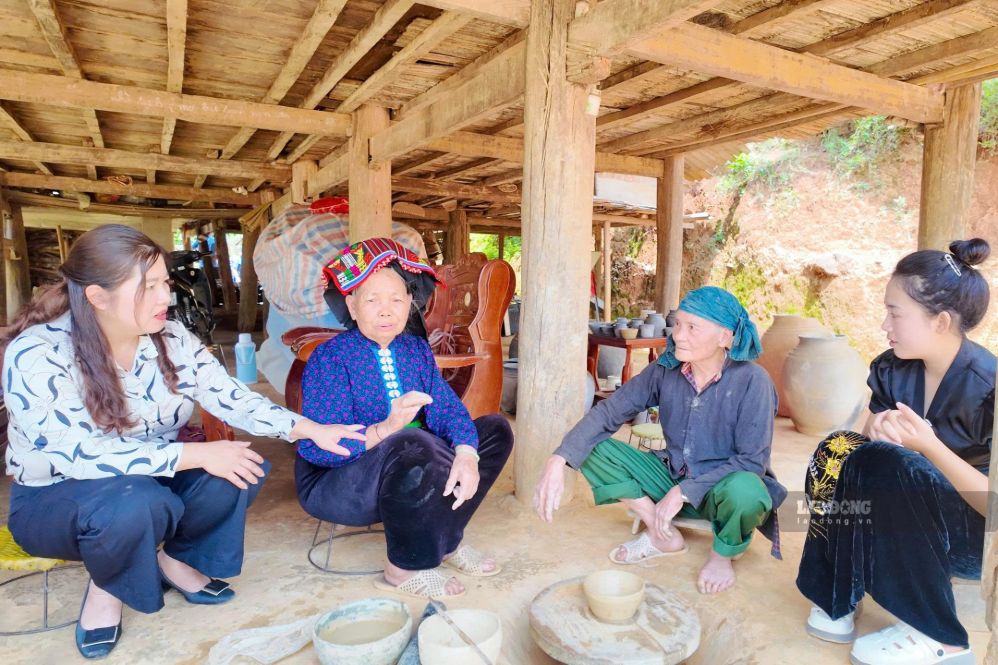
Mr. Hoang Van Nam, from Cang Muong village, is one of the elderly artisans who are still attached to the profession. Although over 80 years old, he is still diligently working by the old rotating table, carefully adjusting each line on the product.
Mr. Nam recalled that in the past, almost every family in the village knew how to make pottery. After each harvest season, people went together to get soil, prepare firewood to burn and light a fire to burn pottery.
Not only serving daily living needs, pottery products are also brought to markets in remote villages to exchange for rice, corn, fabrics, livestock, poultry and many other essential items.
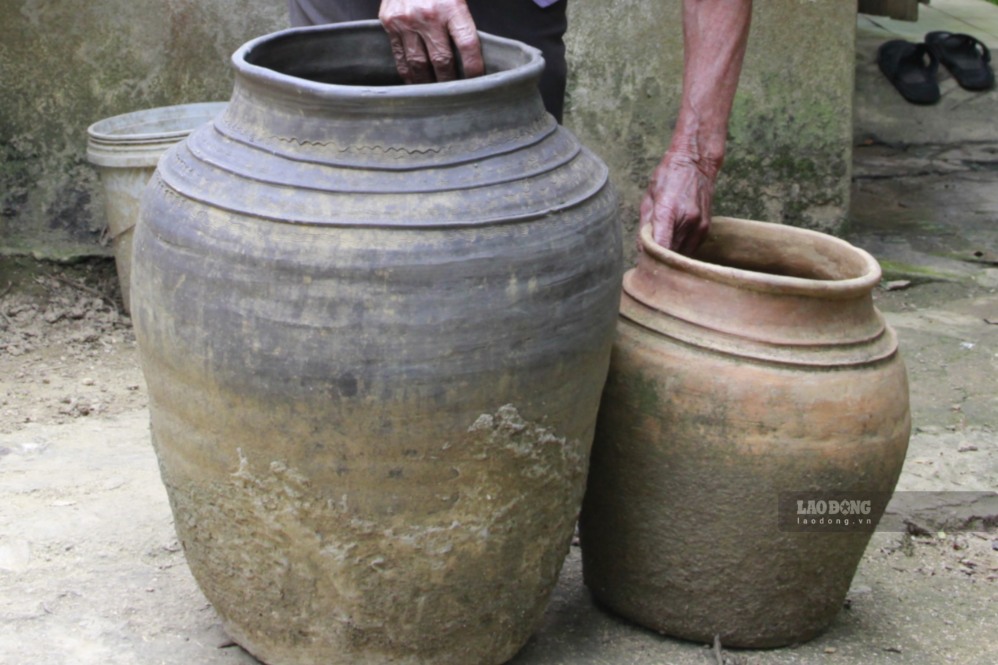
For the Thai people, ceramic jars or earthenware jars are not simply familiar items but are also considered precious assets. In many families, water jars are given by parents to their children and grandchildren as part of dowry.
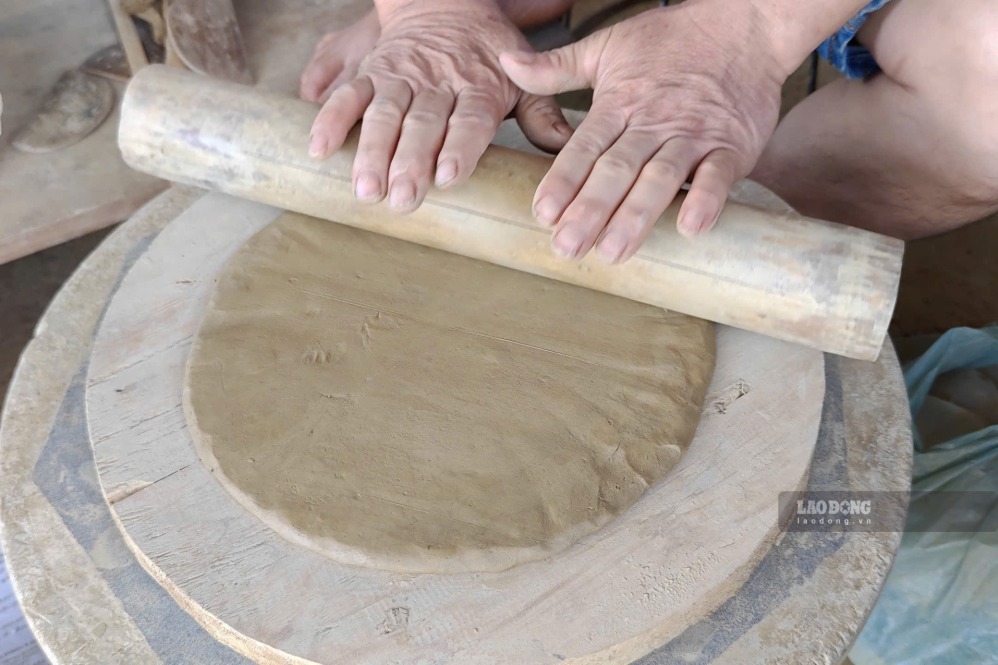
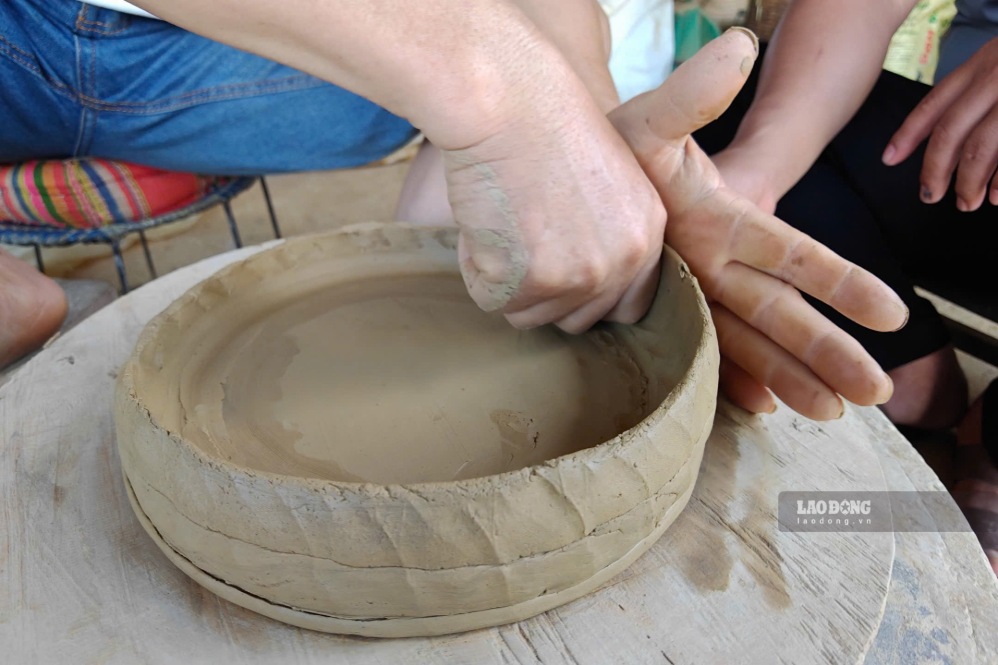
The entire pottery making process is done manually. The clay is cleaned, pounded, kneaded thoroughly and then put on a rotating table for shaping. After drying, the product is fired continuously for one day, one night and continued to be incubated for many more days to increase durability.
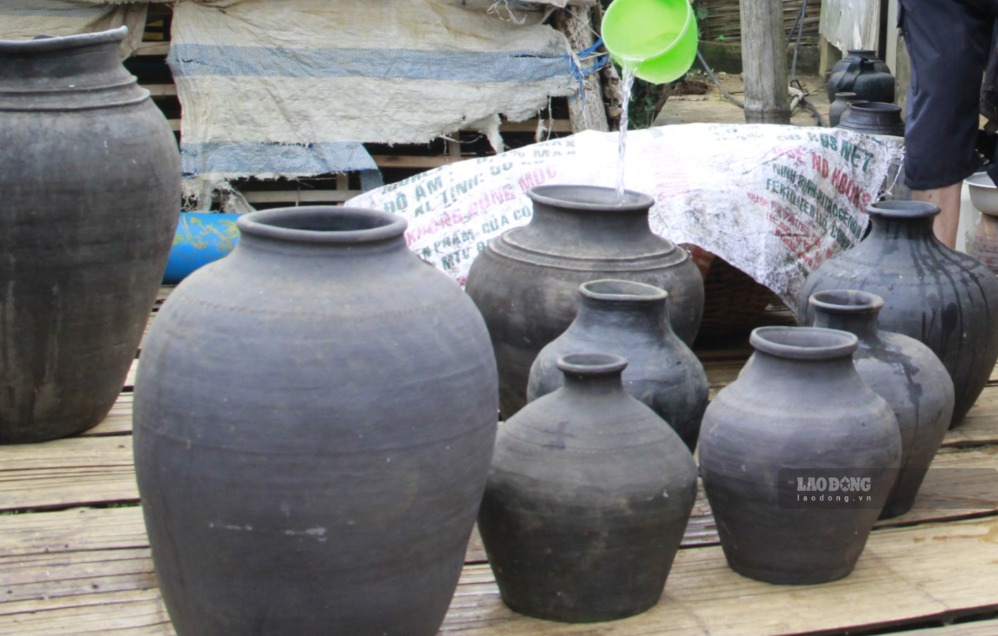
The special feature of Muong Chanh pottery is its characteristic gray-black color created from the process of burning firewood and incubating it with chestnut leaves. This is what has created a unique feature for the pottery line that has existed for hundreds of years in this land.
Preserving the soul of ancient pottery of the Thai people in Muong Chanh commune
If previously, the whole commune had dozens of households making pottery, now only two families maintain the profession. Before the appearance of many industrial products with diverse designs and cheap prices, the output of handicraft pottery is increasingly shrinking.
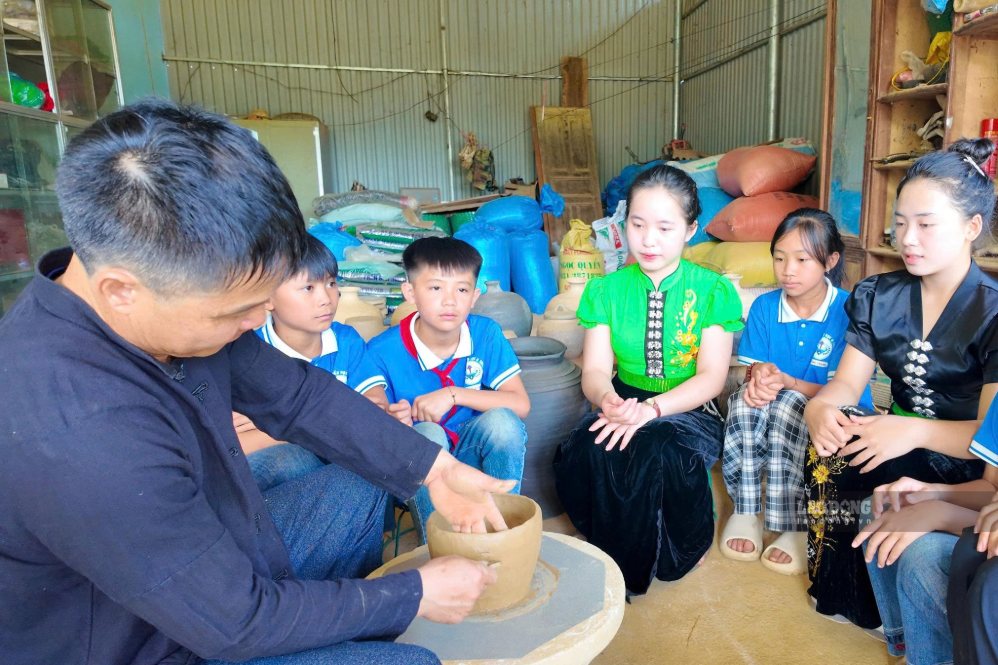
Mr. Hoang Van Man, in Den village, is one of the few people who still persistently maintains the fire of the traditional craft. Born into a family that has been making pottery for many generations, he has been familiar with the smell of soil, the smell of kiln smoke and the sound of a rotating table since he was young.
According to Mr. Man, what makes the value of Muong Chanh pottery is that the entire process is done by hand. Each product has its own shape and lines, showing the skillfulness, meticulousness and dedication of the craftsman.
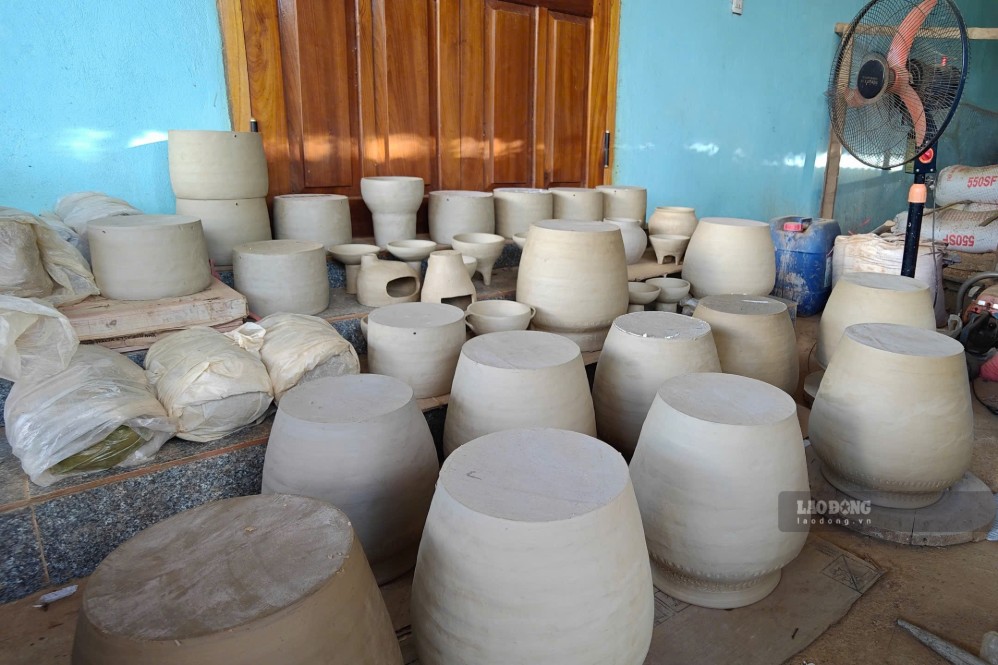
Mr. Nguyen Phong Son, in Mai Son commune, who has many years of collecting and researching Muong Chanh pottery, believes that the attractiveness of this pottery line lies in its rustic beauty and the characteristic gray-black color created from the process of burning with firewood and incubating with chestnut leaves.
According to Mr. Son, each product is not only a household item but also preserves cultural values, reflecting the life and customs of the Thai ethnic people in Muong Chanh.
In addition to traditional products, Muong Chanh people have developed many new designs to meet market demand and serve experiential tourism. Many students and tourists come to the locality to directly participate in the pottery making stages, thereby better understanding the cultural identity of the Thai people.
Through the Project "Developing community-ecological tourism associated with indigenous culture in Muong Chanh commune in the period 2025 - 2030, orientation to 2035", the locality expects to turn traditional pottery into a unique tourism product, contributing to preserving and spreading indigenous cultural values.
In the midst of modern life, the pottery kilns in Muong Chanh are still burning. It is not only the fire of the traditional craft but also a symbol of love for the craft and the aspiration to preserve the heritage of our ancestors.


