Located on the top of the mountain belonging to the Yen Tu scenic complex, Dong Pagoda has long been considered the most sacred destination in the North every early spring.
Many tourists said they have traveled from the Central and Southern provinces, even traveled more than 1,000km to be present here to pray for luck and fortune.
According to Lao Dong's records at the end of February, the flow of people to Dong Pagoda stretched along the stone steps leading to the top of the mountain. Many people chose to take the cable car combined with walking to fully experience the pilgrimage journey.
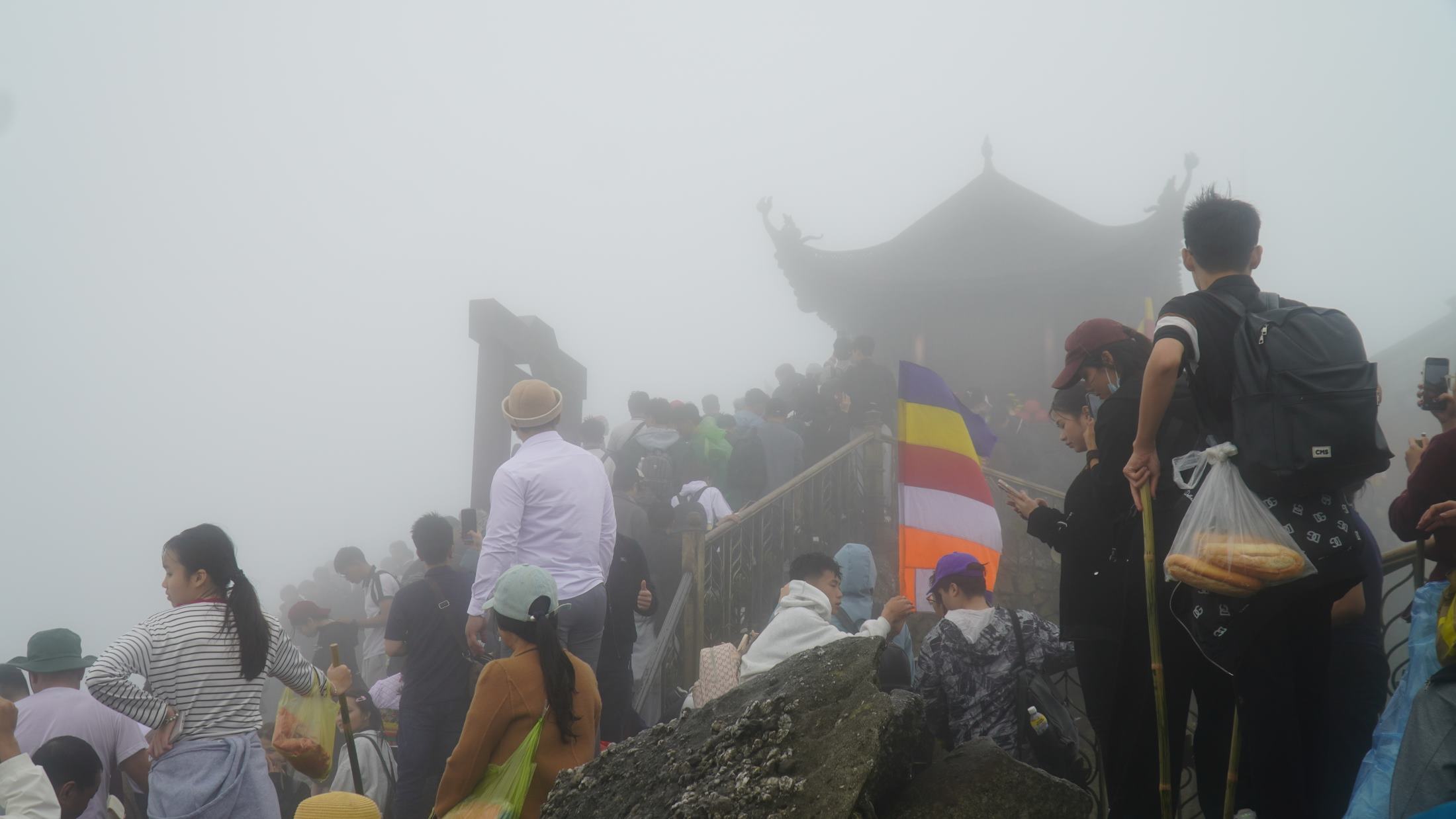
Dong Pagoda was started in the Later Le Dynasty with the name Thien Truc Tu. In 2006, the pagoda was completely cast in pure bronze, becoming one of the largest bronze pagodas in Vietnam. The pagoda has a Dinh-shaped architecture, 4.6m long, 3.6m wide, 3.35m high, weighing about 70 tons.
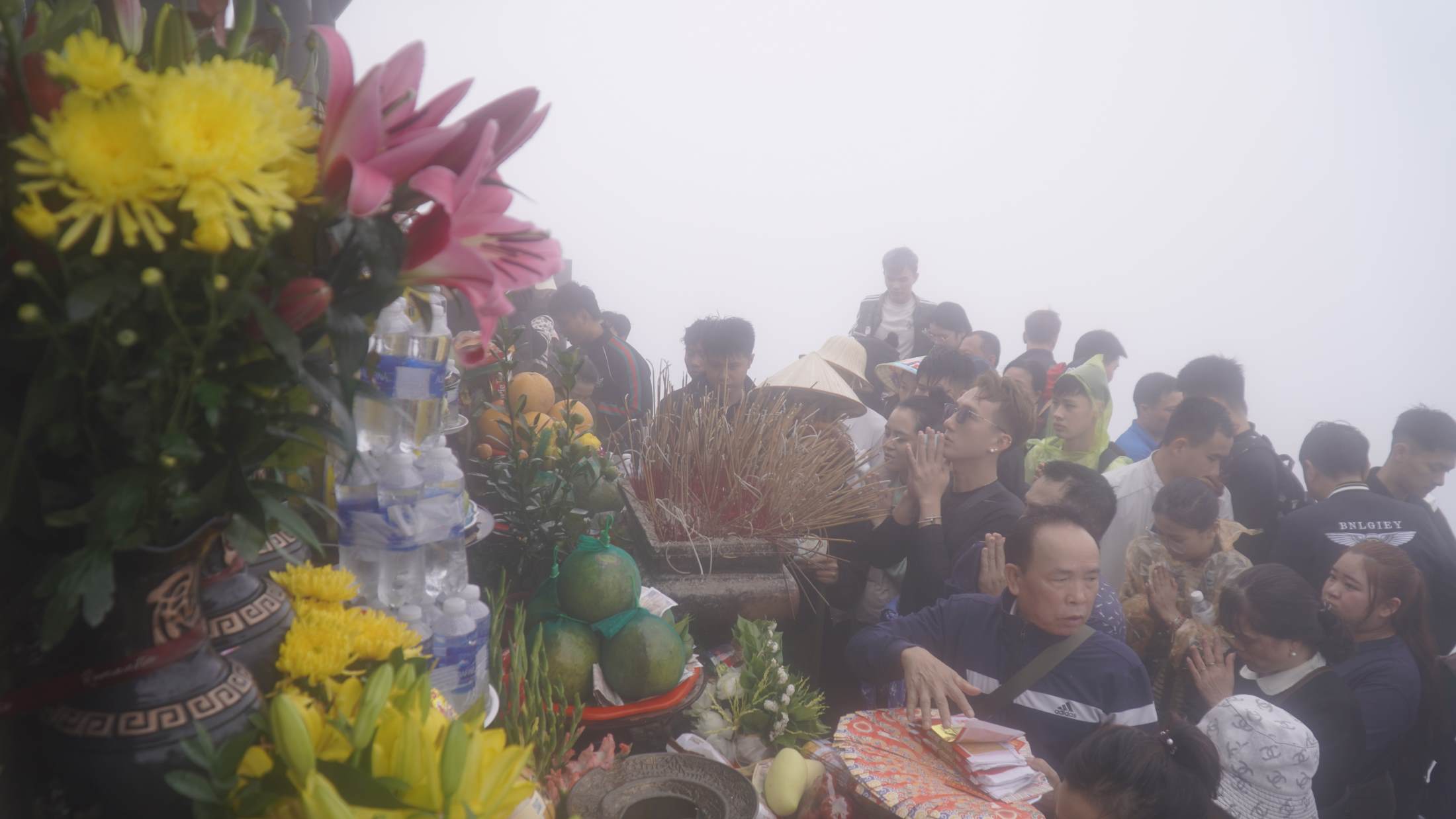
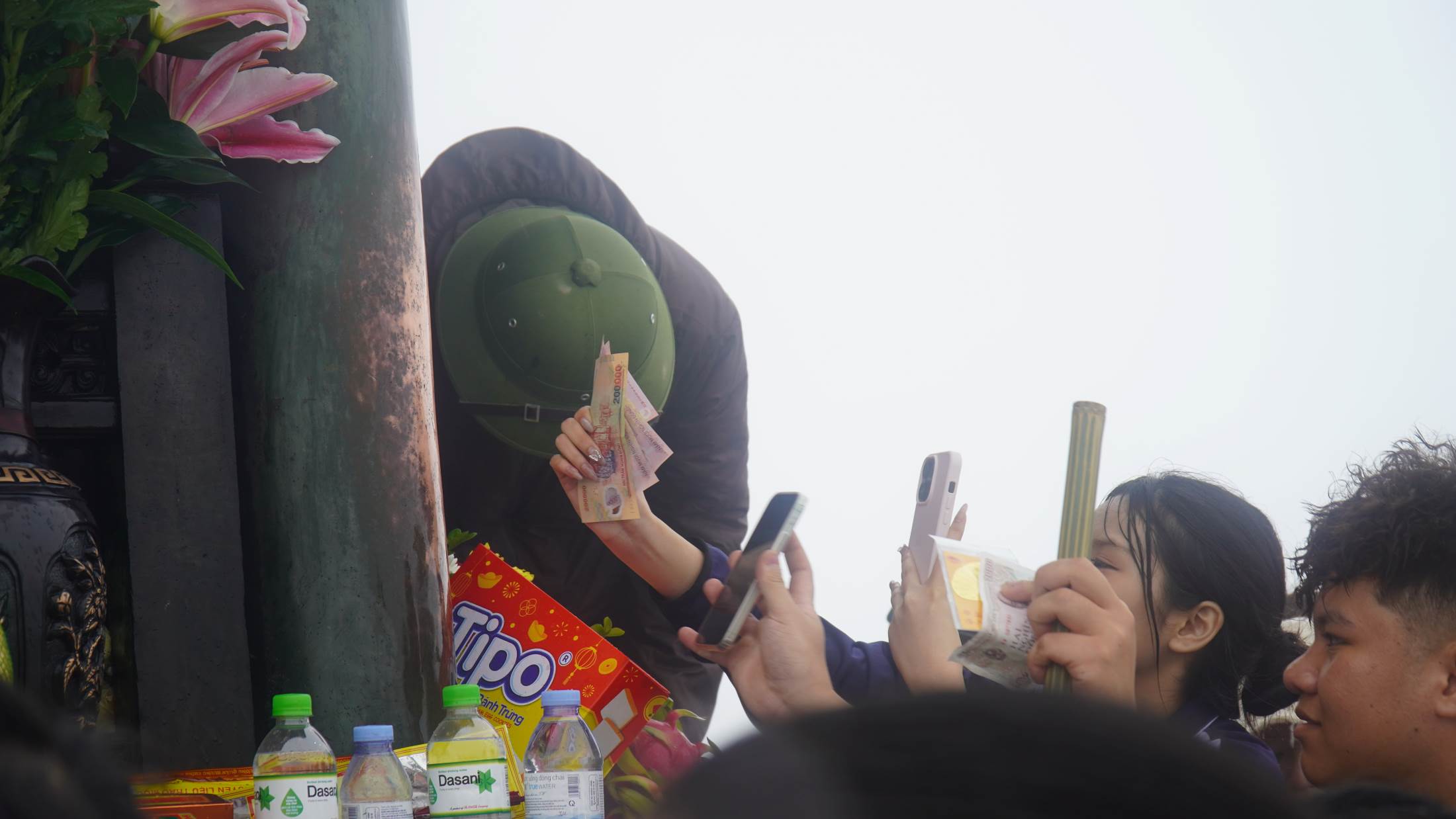
One of the easily seen images at Dong Pagoda is many tourists holding small change and gently rubbing it on the roof and walls of the pagoda with the desire to "get luck" and pray for good luck in the new year.
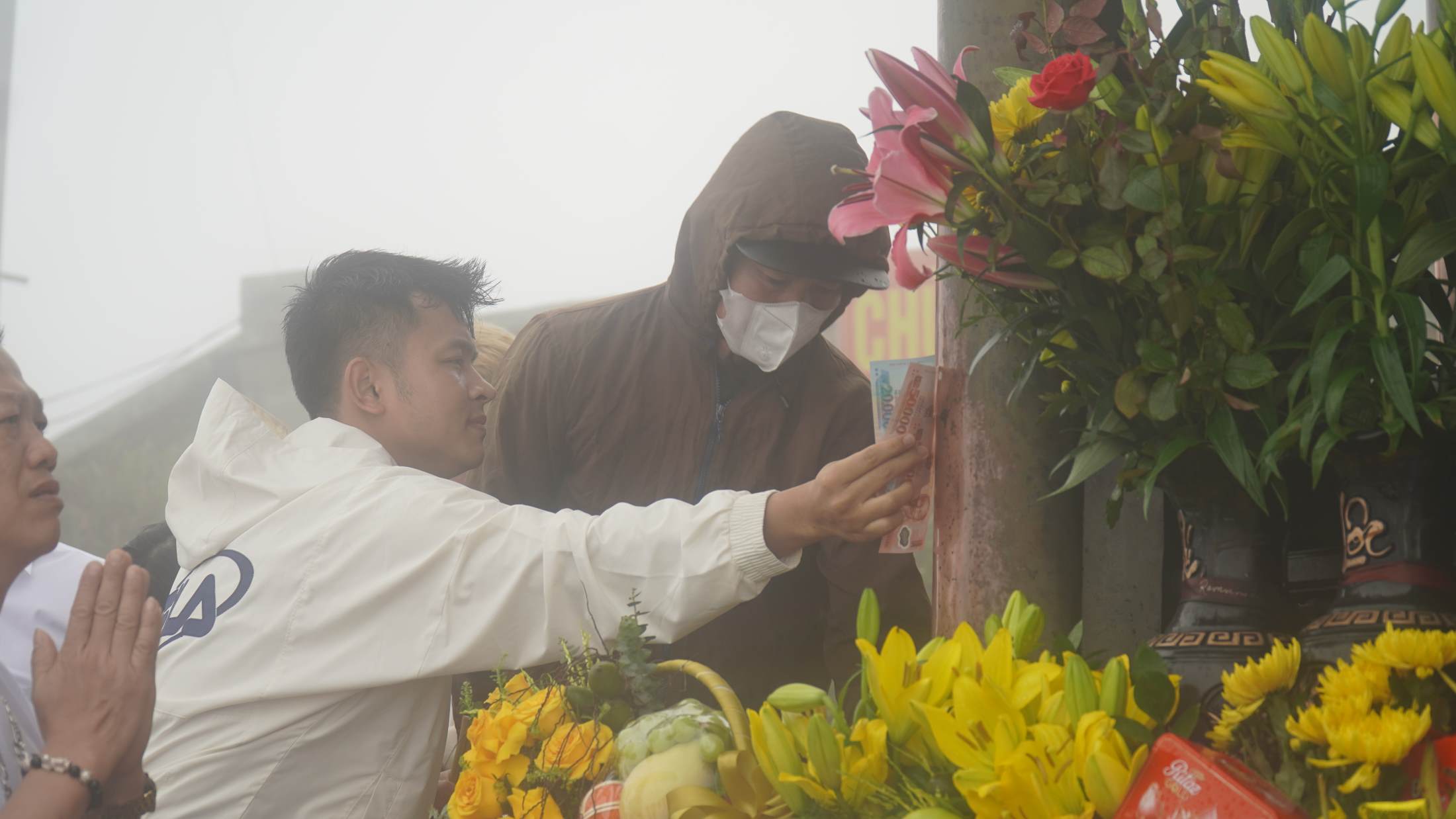
“I came from Ho Chi Minh City, flew to Hanoi and then continued to move to Yen Tu. Although the road was long and mountain climbing was quite hard, when I arrived at Dong Pagoda, all fatigue seemed to disappear,” shared Nguyen Chi Tai (26 years old).
I rub anything related to money, from the bill in my wallet to the gold bracelet on my hand," he laughed.
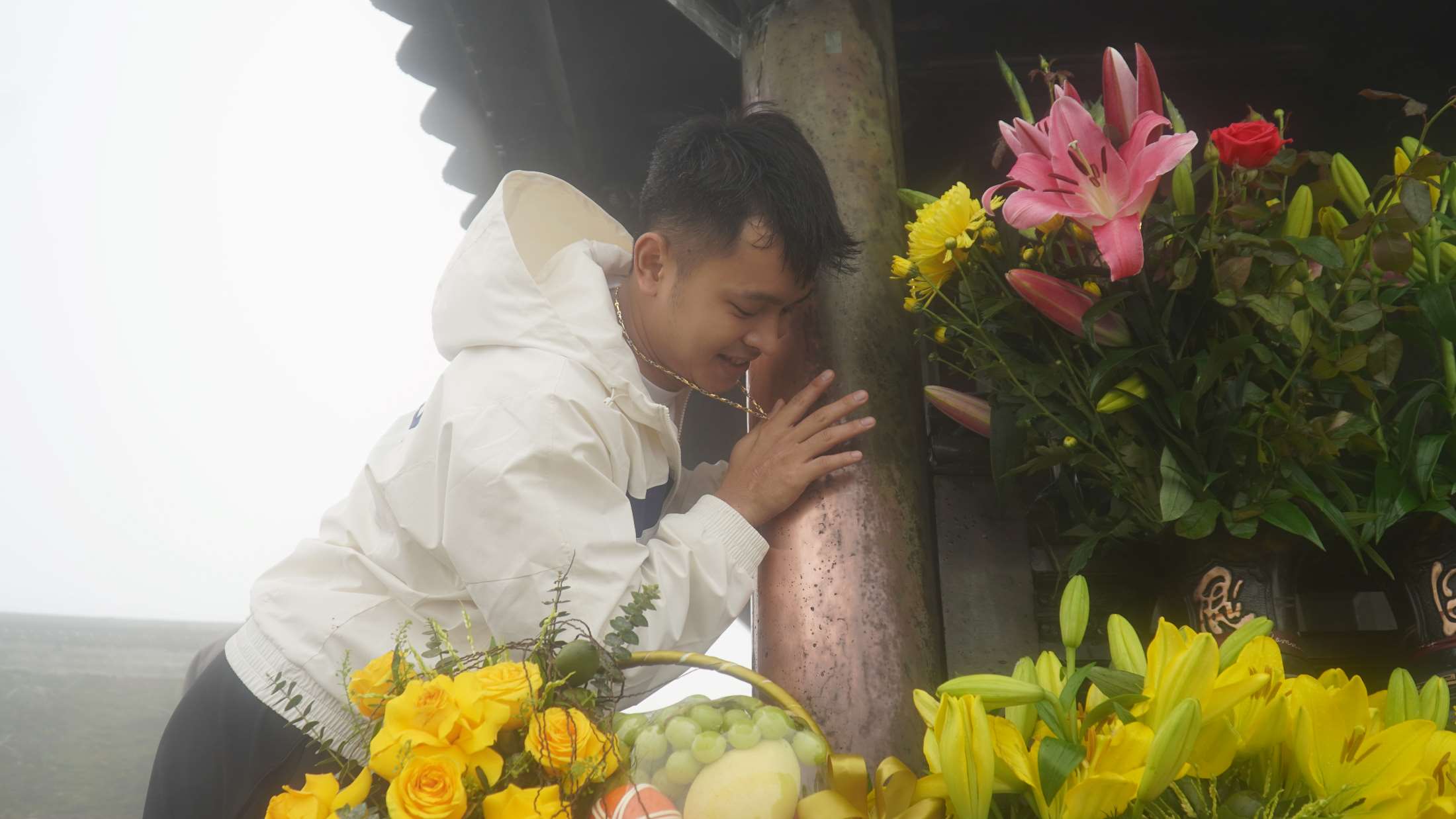
According to folk beliefs, touching the sacred Dong Pagoda, rubbing the money and keeping it in the wallet will bring fortune and convenience in work and life. Although there is no basis to confirm it, for many people, it is a way to send their beliefs and wishes at the beginning of spring.
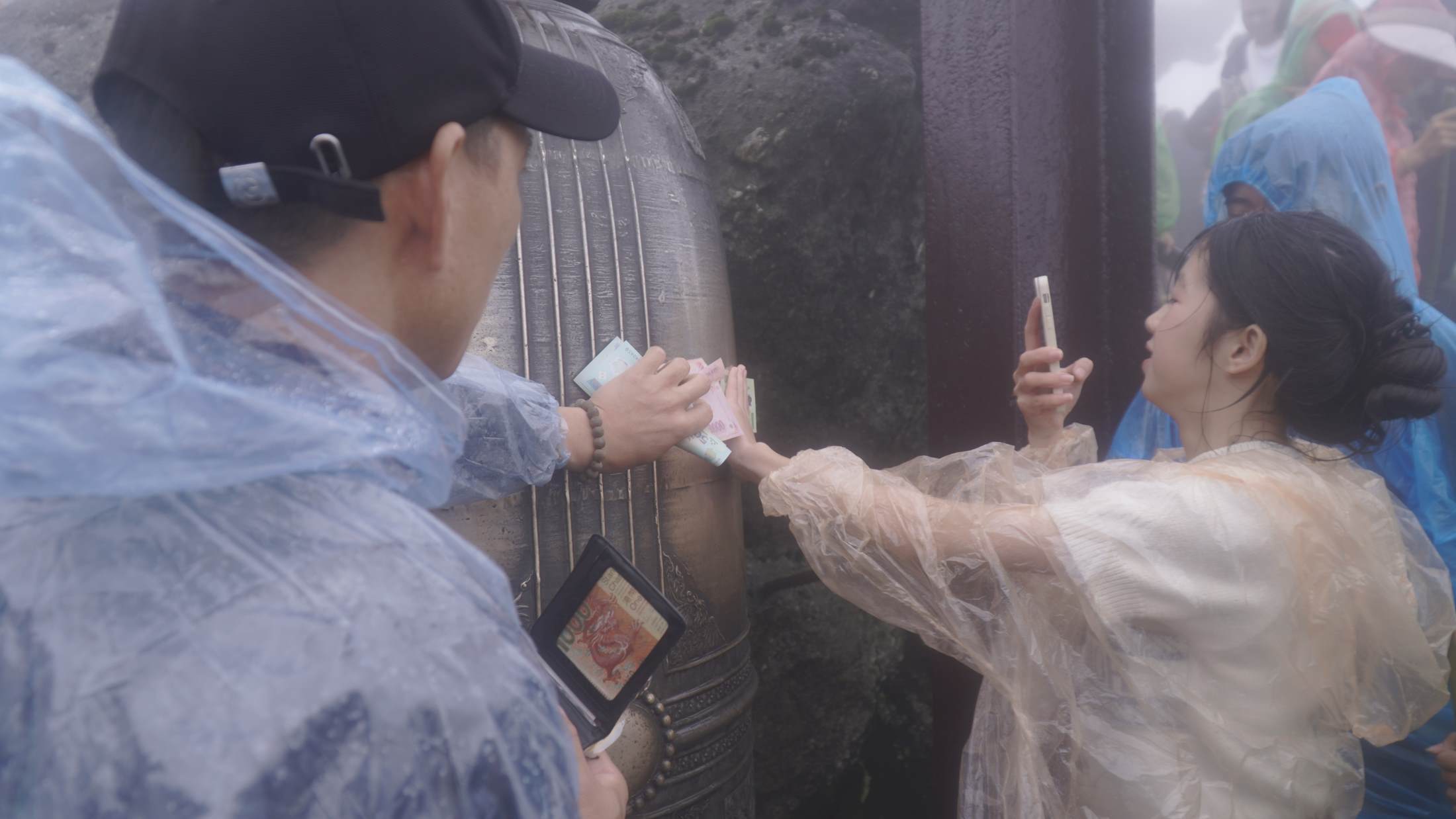
Mr. Hoang Van Thuan (35 years old, a tourist from Da Nang) said: "I don't put much emphasis on material things, rubbing money only hopes for luck, a peaceful and lucky year for my family. Rubbing money or burning incense is also to feel more secure.
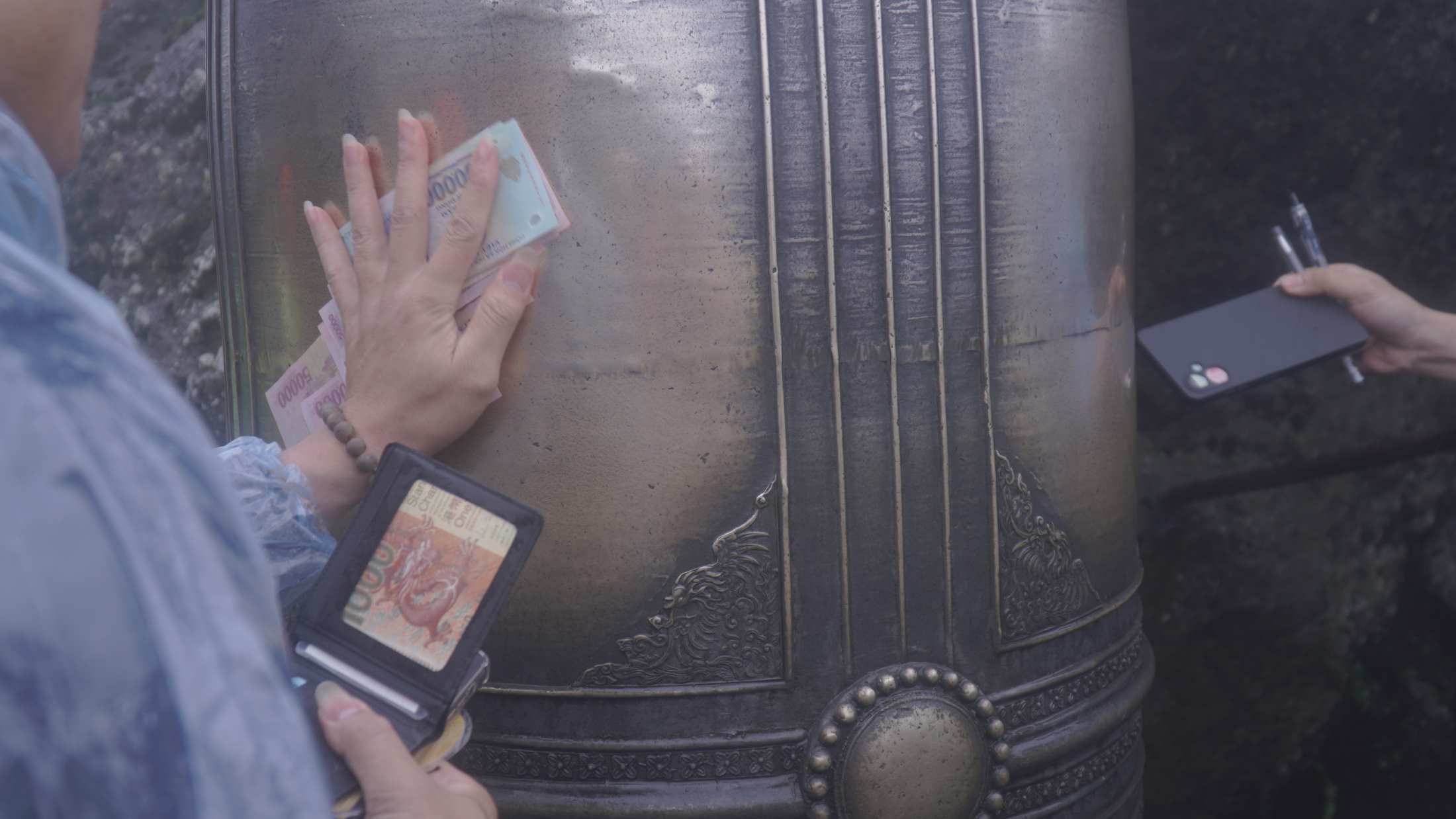
However, the Relic Site Management Board also regularly reminds tourists to perform civilized rituals, not to jostle; not to place money on altars or pagoda roof crevices, affecting the aesthetics and solemnity.
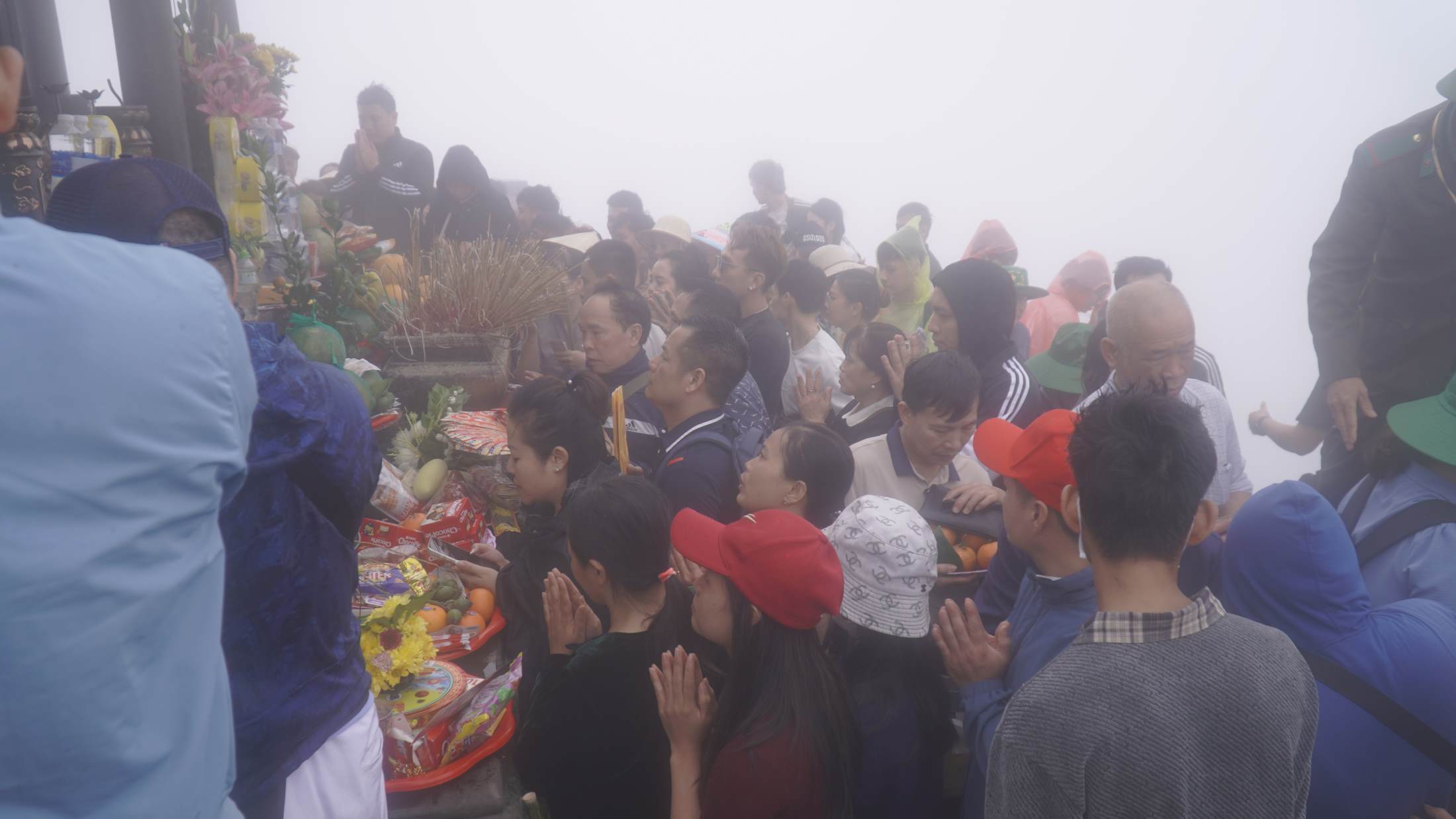
On peak days, the number of people flocking to Yen Tu increases sharply, creating a vibrant atmosphere but also posing requirements for awareness of maintaining order and environmental sanitation.
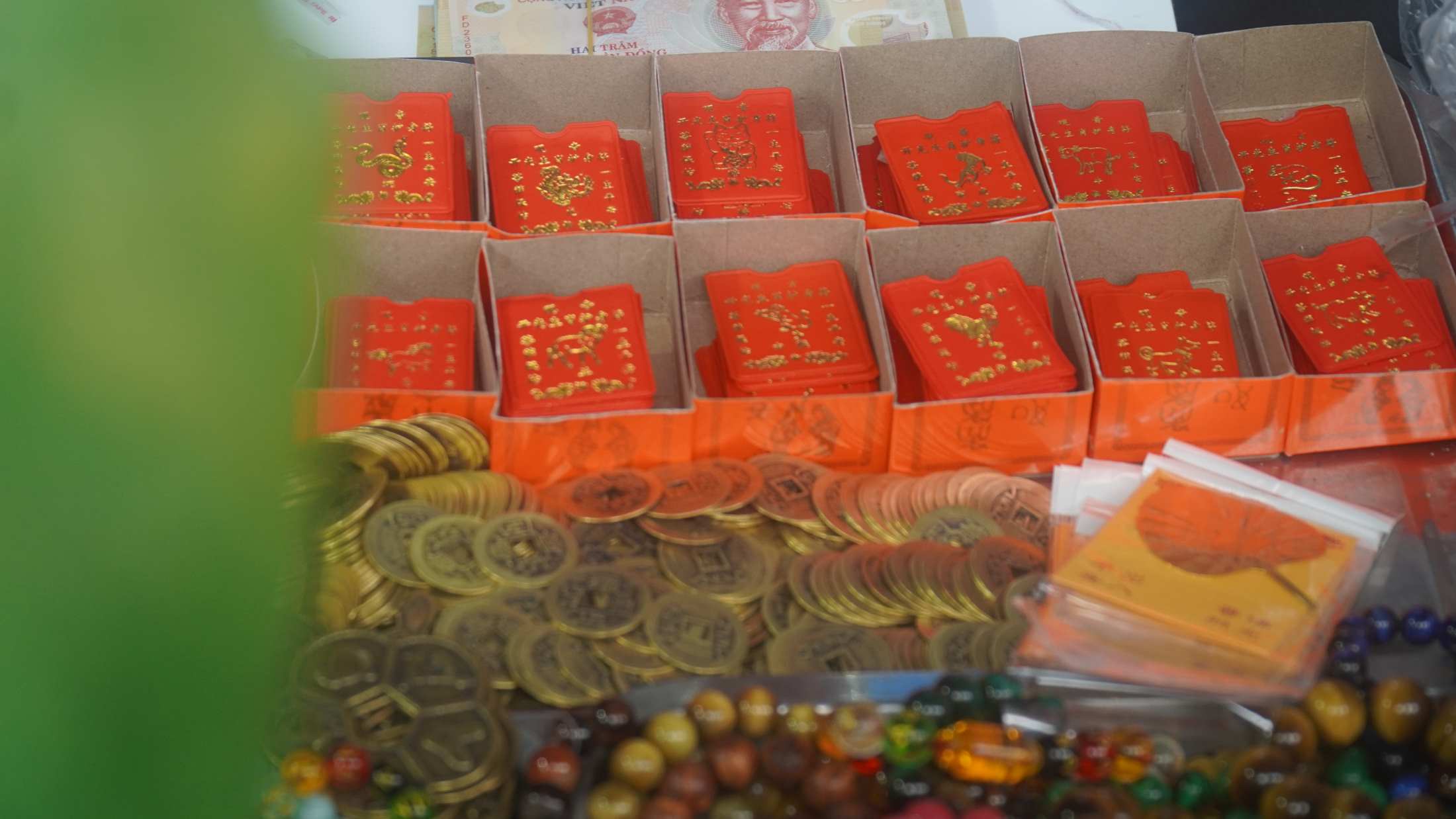
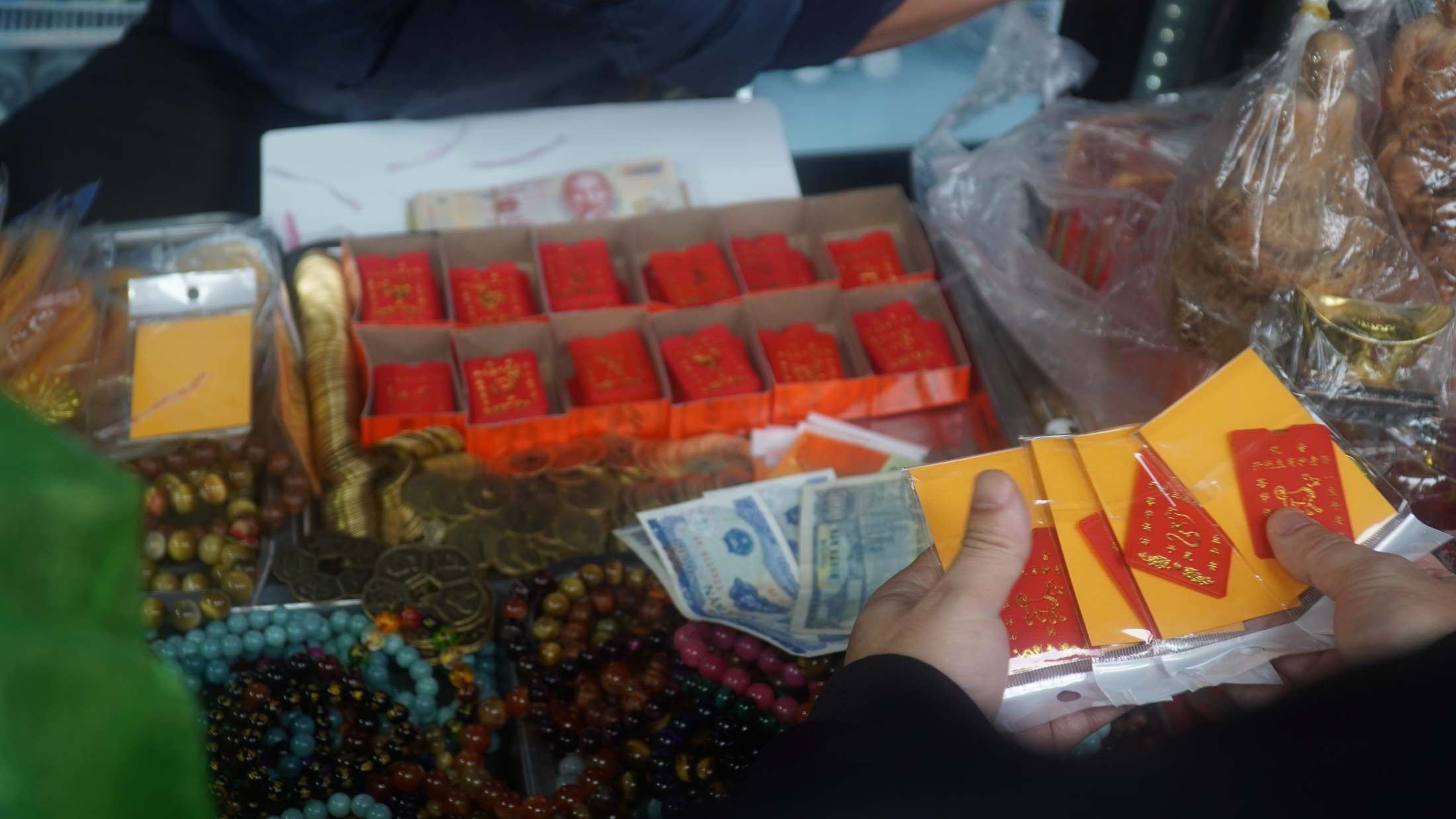
Besides rubbing money for good luck, many people also choose lucky money packages according to age sold at stalls near the Dong Pagoda area.
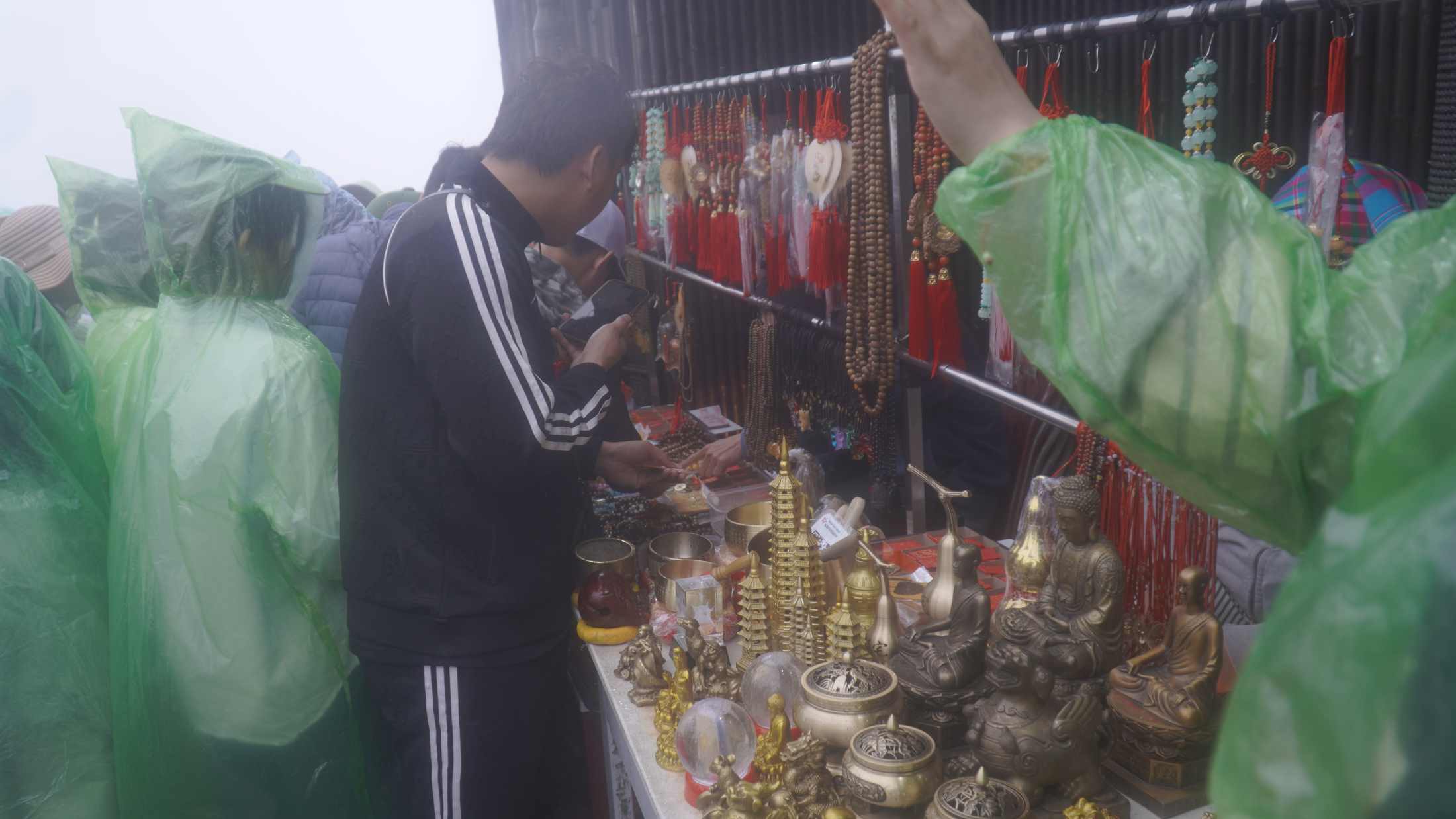
Lucky charm cards (depending on age) are sold for 30,000 VND per charm and to be rubbed on the bronze bell pagoda instead of cash.
After the ceremony, tourists often bring items to place in solemn, clean positions such as in wallets, behind phone cases or on cars, with the desire for peace of mind, smooth work and good luck.