
When the loom becomes part of a travel journey
In the morning in the highlands of Lao Cai, when the mist is still lingering on the roofs, the sound of weaving frames has regularly echoed on the porch.
Ms. Giang Thi Sua (in Ta Van) sits next to the linen weaving frame, her hands quickly thread each thread. Some foreign tourists stop to observe. Some curiously ask how to weave, some try to sit in the weaving frame, hand-spreading the weaving line through the linen threads stretched in front of them.
Previously, weaving fabric was mainly to serve family needs. The fabrics made were used to sew traditional costumes. As tourism developed, weaving frames, linen weaving techniques and handicrafts gradually became part of tourists' experiences.
Now that lychees are produced, customers buy them, and the traditional craft also helps the family have more income," shared the H'Mong woman.
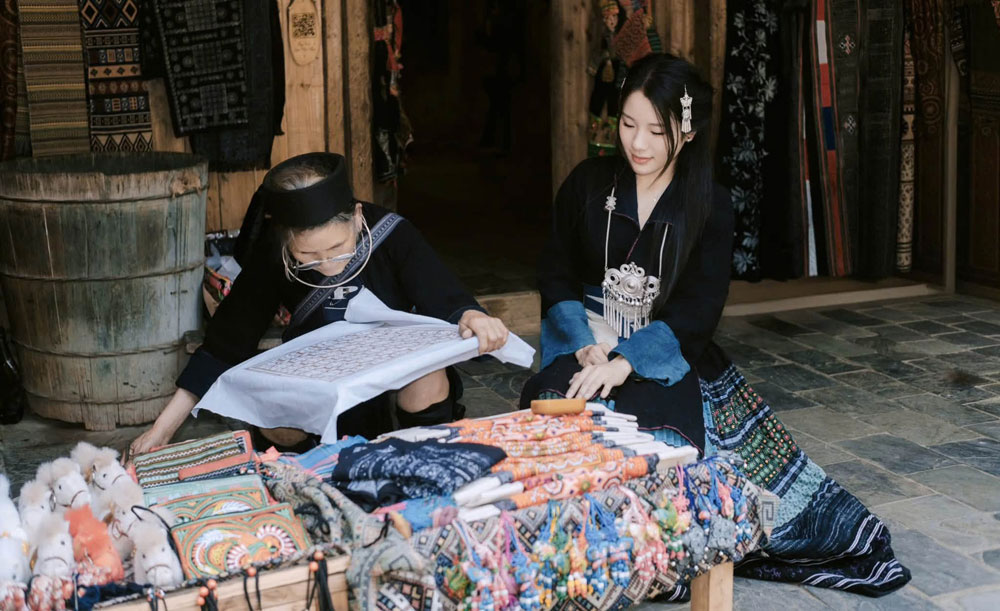
The story from a small fabric frame partly shows the change in the way highland people look at cultural values that have existed for many generations.
Things that were once very familiar in life such as weaving, cooking, farming, picking sweet soup, Xoe dance or playing the khen are gradually being seen as a tourism resource.
After the merger, Lao Cai's tourism space was expanded with a series of famous destinations such as Sa Pa, Bac Ha, Y Ty, Mu Cang Chai, Tu Le, Nghia Lo, Suoi Giang and Thac Ba Lake.
Not only landscapes, the common point between these lands is the cultural diversity of the ethnic communities that have lived for a long time.
In the border commune of Y Ty, from the beginning of 2026 to now, the locality estimates that it has welcomed about 18 thousand tourists to visit and experience.
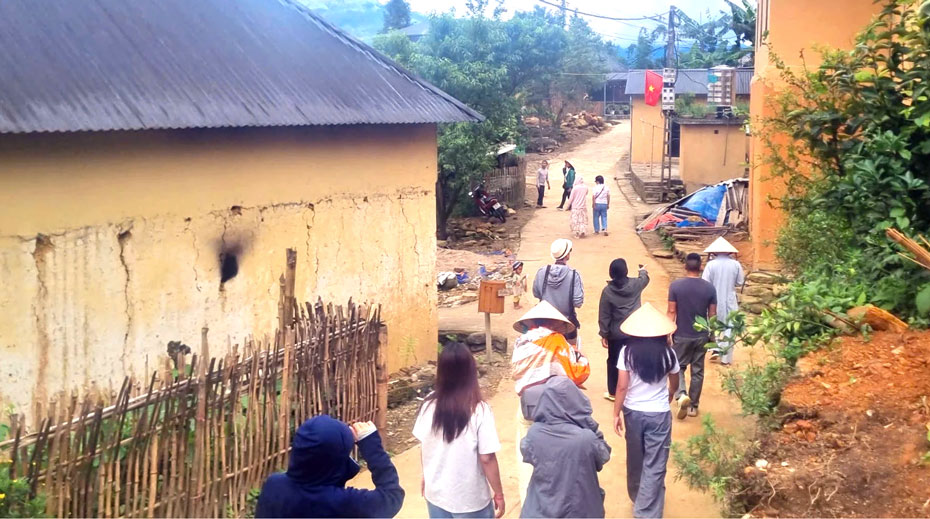
Currently, there are 23 stablely operating accommodation establishments in the commune, including resorts, guesthouses, and homestays, ensuring to well meet the accommodation and resort needs of tourists.
Mr. Sung A Khu - Vice Chairman of Y Ty Commune People's Committee said that the locality determines that preserving cultural identity is the foundation for sustainable tourism development. At the same time, it mobilizes people to preserve traditional values, especially the rammed earth house system of the Ha Nhi people to enhance its attractiveness to tourists.
People benefit from tourism
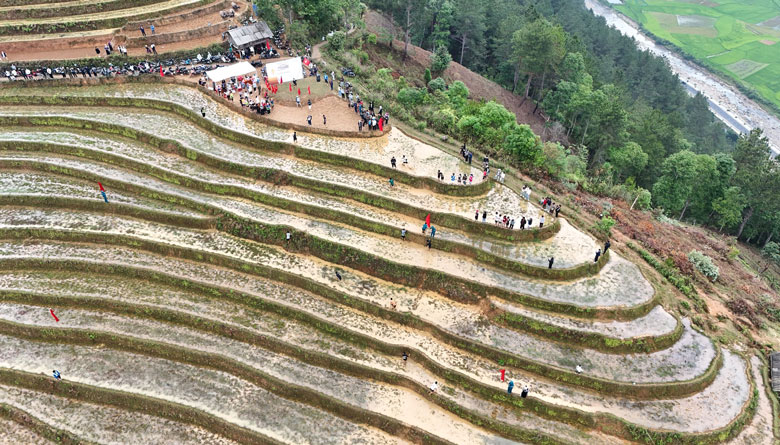
In Mu Cang Chai, terraced fields have long been a "magnet" attracting visitors. The special national relic of Mu Cang Chai terraced fields has a scale of more than 850ha, which is the result of the cultivation and adaptation to high mountains of the H'Mong people.
Every flood season or ripe rice season, thousands of tourists come to places like Mam Xoi, Mong Ngua to admire the scenery and take photos.
Instead of just standing on a high point to admire the fields, visitors can walk through the fields, listen to people tell about how to draw water from the mountains, plant rice and harvest rice themselves, or enjoy meals prepared from local products.
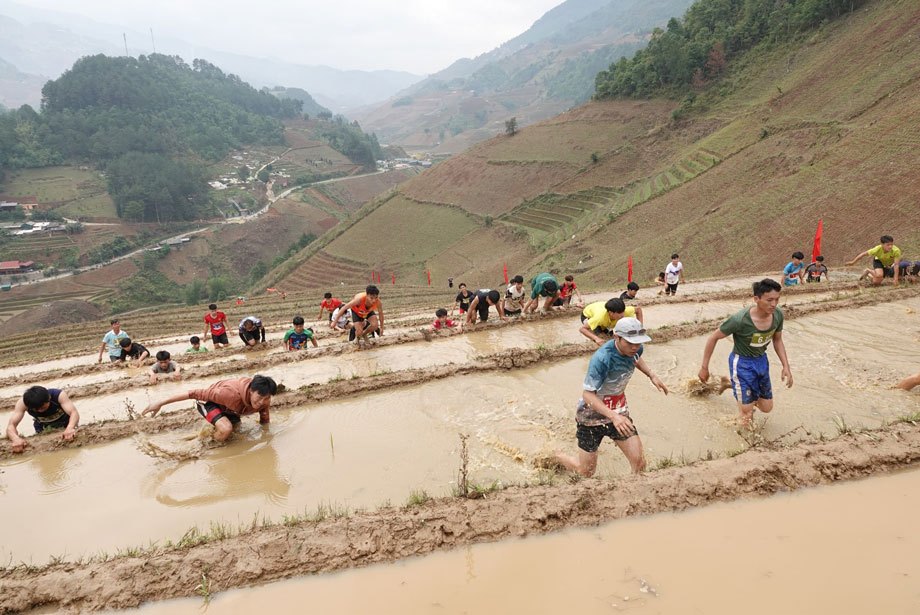
The terraced field climbing race "Footprints of the Watershed Season" held for the first time in Mu Cang Chai in 2026 is an example. Images of hundreds of people climbing through layers of fields in the middle of the watershed season quickly spread on social networks.
In the Muong Lo region, a similar story is raised with Thai Xoe art.
A circle dance can bring tourists closer together for a few minutes. But to become a tourism product, that experience needs to be told through stories about the life, costumes, music and culture of the Thai people.
Tourists not only watch a performance. They can learn basic xoe movements, wear traditional costumes, prepare meals with locals, and listen to stories about the meaning of each xoe dance.
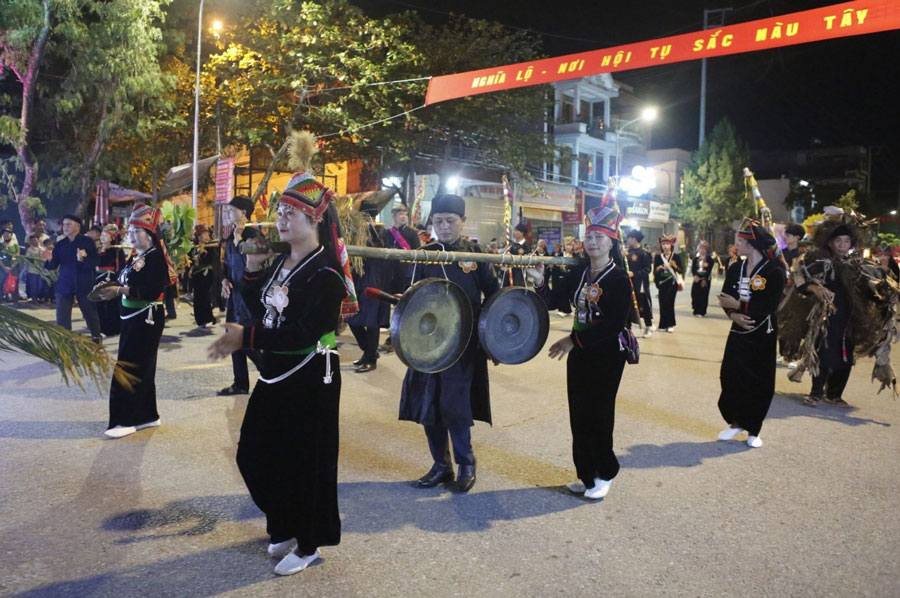
In 2026, Lao Cai owns 56 national intangible cultural heritages (the most in the country), along with about 100 large and small festivals held annually. This is a rich source of identity for travel businesses to design spring experience tours typical of the Northwest highlands.
Mr. Duong Tuan Nghia - Deputy Director of the Department of Culture, Sports and Tourism of Lao Cai province shared: "We identify support policies as a key factor to unlock resources for sustainable tourism development.
Accordingly, tourism development policies are not only aimed at attracting large businesses, but also prioritize direct support for homestay households and community tourism, to ensure that people benefit practically from the overall growth of the tourism industry.
