
From the golf course expanding the journey to explore the Northwest
After merging with Yen Bai, Lao Cai's tourism space was expanded with a chain of famous destinations such as Sa Pa, Bac Ha, Y Ty, Mu Cang Chai, Tu Le, Suoi Giang, Thac Ba Lake, Nghia Lo, Van Chan, Si Ma Cai...
With landscapes stretching from high mountains, terraced fields to lakes and valleys, Lao Cai is owning a diverse product ecosystem, from resorts, trekking, mountain climbing, health care, community tourism to MICE, caravans and border tourism.
In that picture, golf is identified as a product with a lot of development potential. Currently, the province has 2 golf courses in Bat Xat and Yen Bai areas, creating conditions for the formation of new tourist routes for the high-spending customer segment.
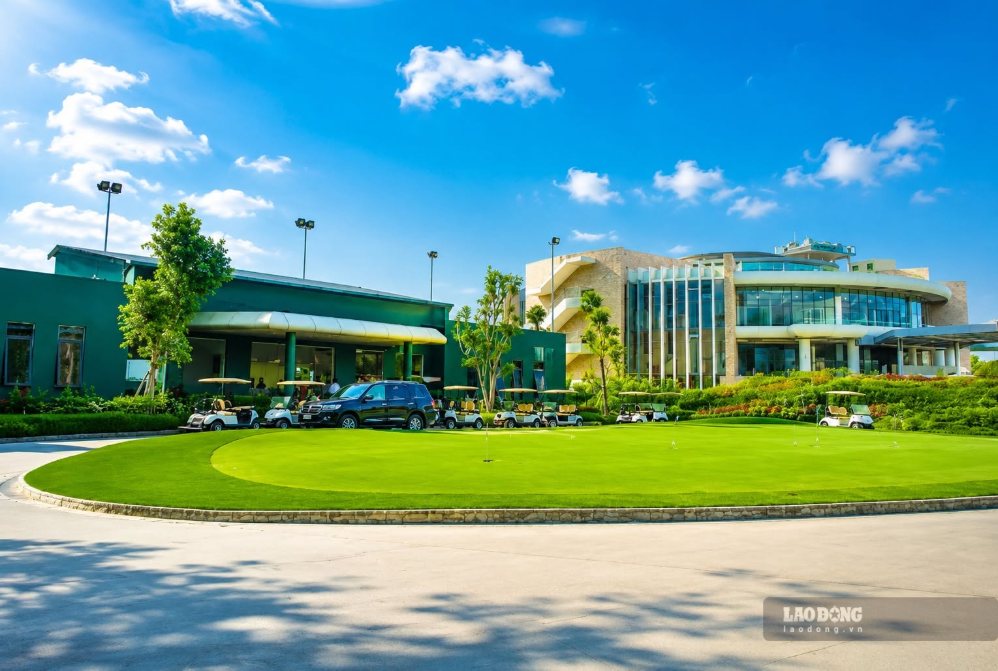
According to the direction of promoting and advertising tourism with the theme "Lao Cai - A place of convergence of Northwest colors", the locality raises the issue of developing golf associated with high-class resorts, gradually building golf tours combined with cultural exploration.
Instead of tourists coming to the stadium, playing golf and then leaving, the goal is to connect the golf courses with the surrounding destination system, thereby extending the length of stay and increasing tourist spending.
From the golf course in Bat Xat, visitors can continue their journey to Sa Pa, Y Ty, Bac Ha or the border area of Lao Cai. After the golf rounds, visitors can experience the highlands climate, explore villages, enjoy the cuisine of H'Mong, Dao, Giay, Tay people and immerse themselves in the space of highland markets.
In the Yen Bai area, the golf course can become the starting point for the journey to Thac Ba Lake, Nghia Lo, Muong Lo, Van Chan, Suoi Giang, Tu Le and Mu Cang Chai.
Each destination has its own color, from the Thai cultural space in Muong Lo, Thai Xoe art, ancient Shan Tuyet tea trees on Suoi Giang high mountain to Mu Cang Chai terraced fields.
Keeping high-spending customers
Talking to Lao Dong Newspaper, Mr. Nguyen Van Nguyen - Managing Director of Yen Bai Star Golf Course - said that golf customers are the segment that destinations prioritize attracting because of their high spending capacity.
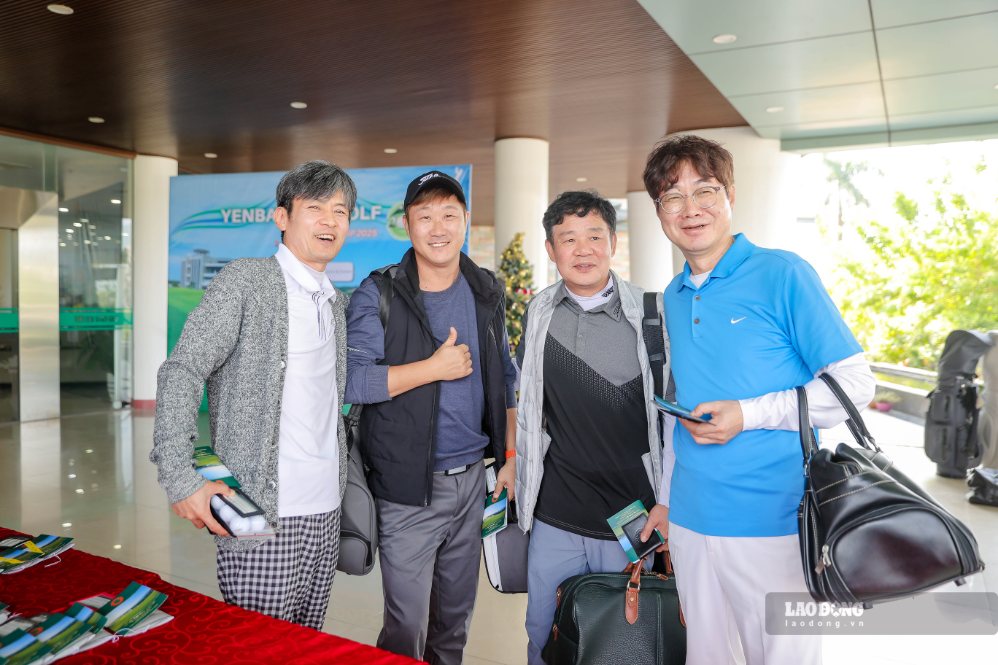
In 2025, Yen Bai Star Golf Course welcomed more than 3,000 international visitors. The combination of the golf course with hotels, restaurants and travel businesses will bring clear efficiency.
According to Mr. Nguyen, the average spending of golf customers is rated about 3 times higher than ordinary tourists. In addition to the costs on the field, this group of tourists often needs to use high-quality accommodation, food, transportation and resort services.
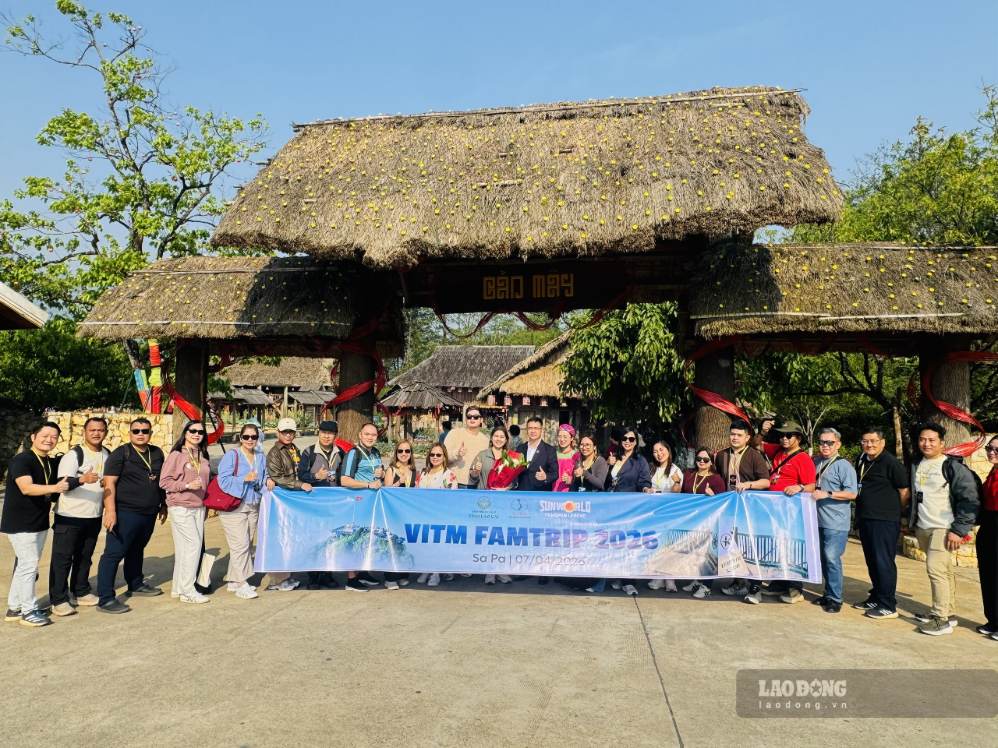
From the perspective of international travel businesses, a representative of Hellopang Korea Company (Korea) said that in 2026, the business aims to bring about 2,000 visitors to Lao Cai, with 3,000 nights of accommodation and 3,000 golf visitors.
Golf customers often not only have a need to play sports but also care about resorts, cuisine and different experiences at destinations. Lao Cai's big advantage is that it owns many unique tourist destinations.
If golf tours combined with tourism experience are built, tourists will have a reason to stay longer and want to return" - a business representative said.
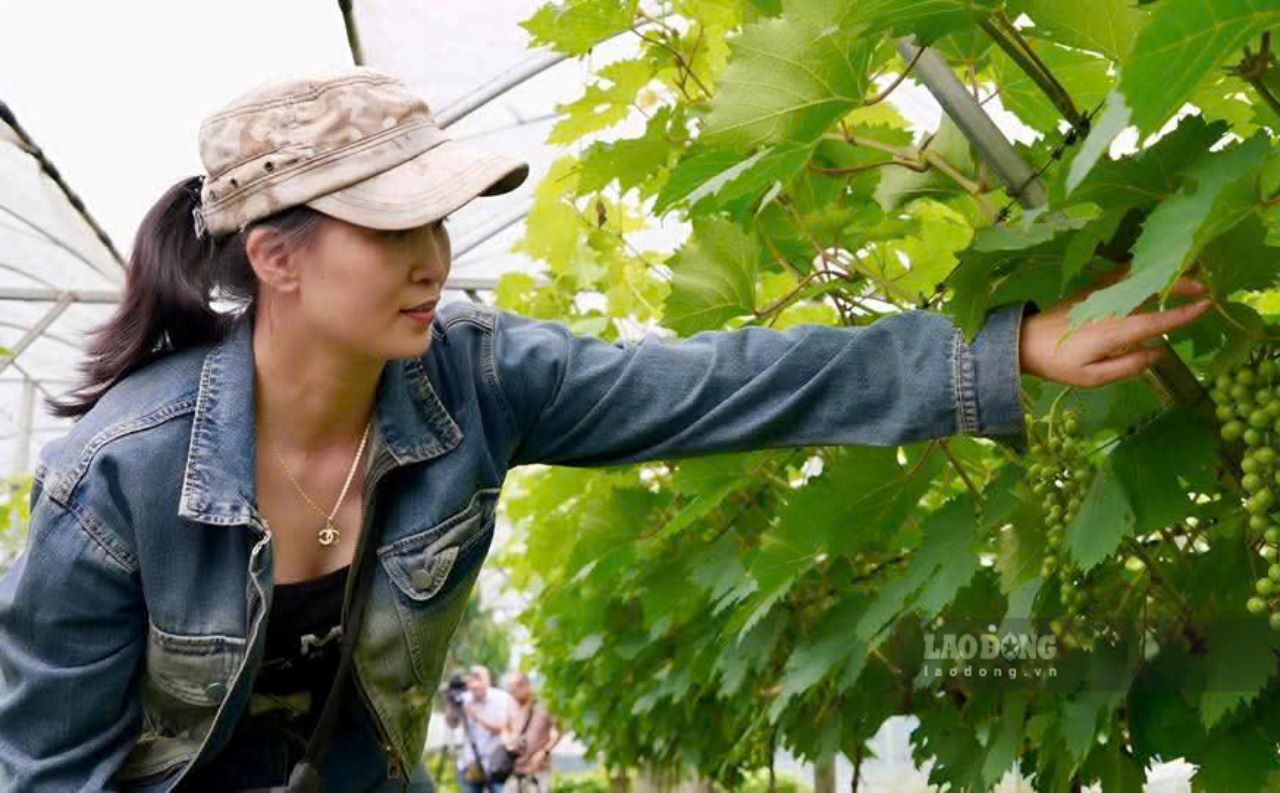
Bringing golf customers to community-based tourist destinations also opens up opportunities for people to participate more deeply in the tourism value chain.
From accommodation services, cuisine to cultural performances, introduction of handicrafts, local specialties, revenue from groups of customers with high spending ability can spread outside the golf course and resorts.
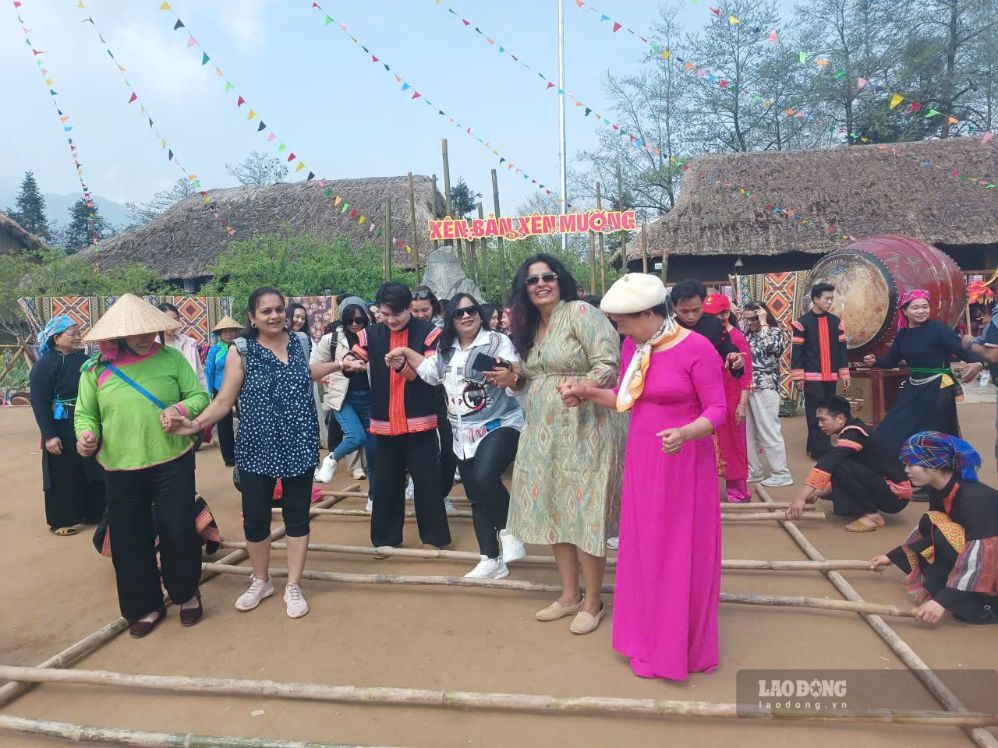
According to the leader of the Department of Culture, Sports and Tourism of Lao Cai province, after the merger, the locality has more room to build inter-regional products. In which, golf is one of the types oriented to connect with resorts and cultural experiences.
To form a real golf tour, the synchronous participation of golf courses, travel businesses, hotels, resorts and community tourist destinations is needed. When a chain of links is formed, the benefits from tourism will spread more widely to businesses and local people.


