
On the morning of March 28, in Muong Hum commune, Lao Cai province, the first "Conquering Pu Ta Leng peak - Dai Ngang Hoa Do Quyen" mountain climbing race in 2026 will officially take place. This is not only a sports event, but also a milestone for efforts to bring the pristine beauty of Pu Ta Leng closer to tourists and nature lovers.
Pu Ta Leng is 3,049m high, considered the "second roof" of Vietnam, only after Fansipan (altitude 3143m). This mountain is famous for its rich primary forest ecosystem, especially the ancient rhododendron forests blooming in spring, creating a brilliant and rare scene in the Northern mountains. That beauty has motivated the locality to choose this place as a highlight for a new sports - ecotourism product.
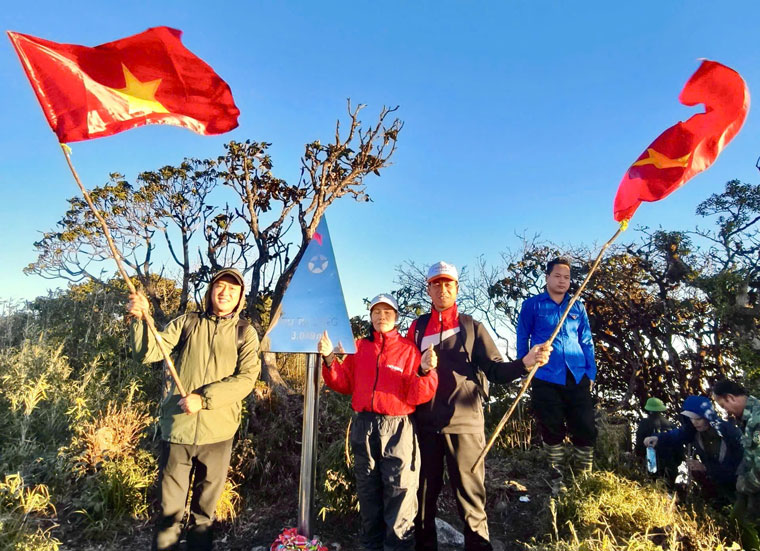
The competition route is about 12km long, starting from Po Ho village (hydropower dam area), following the people's trail and forest patrol road, before reaching the finish line at the top of Pu Ta Leng. This is a natural road with many slopes, requiring physical strength, skills and endurance of athletes.
Representatives of the Organizing Committee said that preparations have been thoroughly deployed with a system of signs, control points along the route, referee and rescue forces always on duty, to ensure safety for participants.
We want to bring a professional tournament, but still maintain the spirit of exploration and closeness to nature," the representative shared.
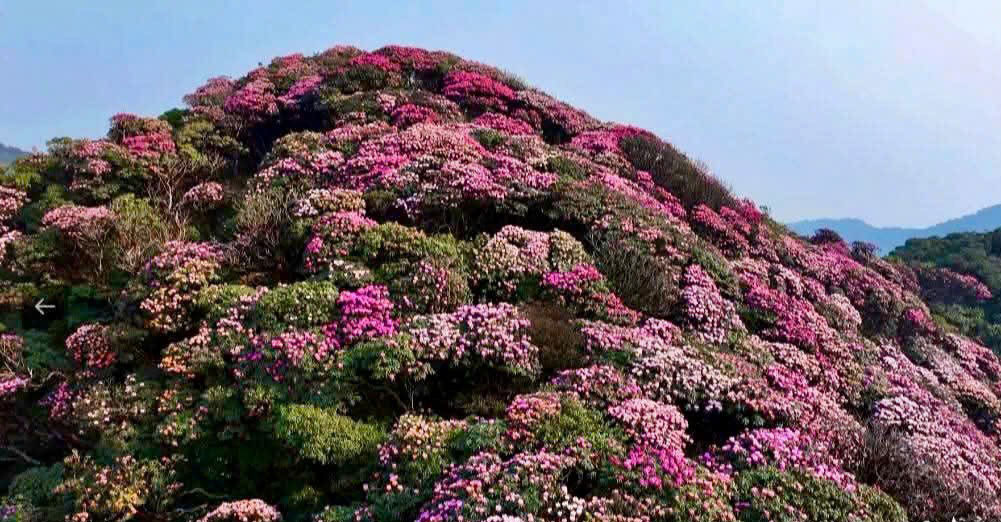
The tournament is for Vietnamese citizens aged 18 and over, who are living, studying and working in agencies, units, and businesses across the country. The organizers also encourage the participation of tourists, tourism workers, and press reporters to spread the image of Pu Ta Leng to the wider community.
At the end of the tournament, 20 prizes will be awarded for male and female competition events, including first, second, third and consolation prizes, creating motivation for sports and nature discovery movements.
Not stopping at a race, this event is expected to become a "push" for Muong Hum tourism in particular and Lao Cai in general. The combination of sports and natural experiences will gradually form a unique tourism product, contributing to extending the stay of tourists, while enhancing the value of the forest ecosystem.


