
When ban flowers and ma flowers bloom all over the mountains and forests, the white Thai people on Moc Chau plateau excitedly organize the Het Cha Festival. The festival takes place in Na Ang residential group, Moc Son ward, attracting a large number of people and tourists to participate.
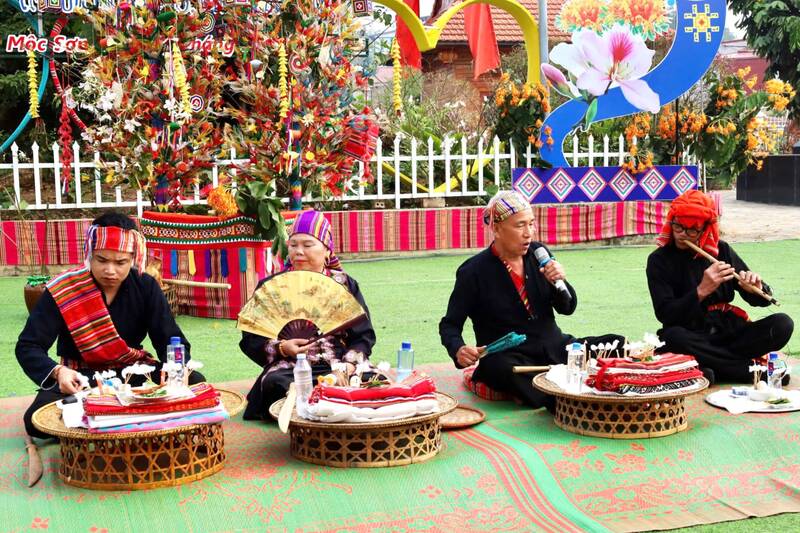
Het Cha Festival is a traditional religious custom, carrying the meaning of gratitude, praying for health and peace for the community.
According to legend, in ancient times in Muong Moc region, now belonging to Moc Son ward, there was a shaman named Mo Mun who was famous for treating diseases with traditional medicine.
Those who are saved by him after recovering from illness often ask to be adopted children to express gratitude. Every spring, they return to visit the teacher, expressing gratitude. Since then, the Het Cha Festival has been born and preserved through many generations. In 2016, the festival was recognized as a national intangible cultural heritage.
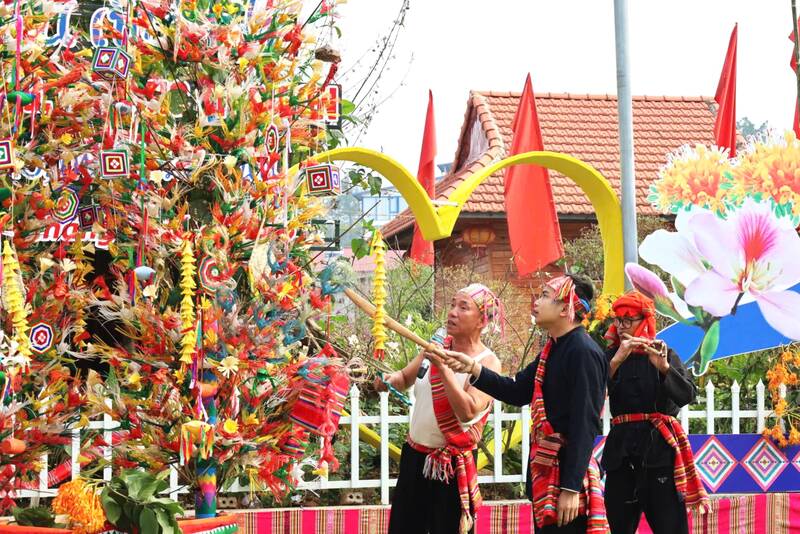
The ceremony part opens with a solemn Then worship ritual. The center of the festival space is the "shang cha" tree erected in the middle of the yard. The tree is elaborately decorated with images of birds, fish, con fruits, ban flowers, and seedlings, symbolizing the close life between humans and nature.
In the echoing sound of drums and gongs, the shaman reads prayers for favorable weather, good harvests, and peaceful villages.
Mr. Vi Van Phinh, who has held the role of head of Het Cha festival for many years, said that the festival has long held an important position in the spiritual life of the Thai people.
This is an opportunity for people to meet and strengthen solidarity in the village. The festival is also a space for young men and women to exchange, learn about each other and get married.
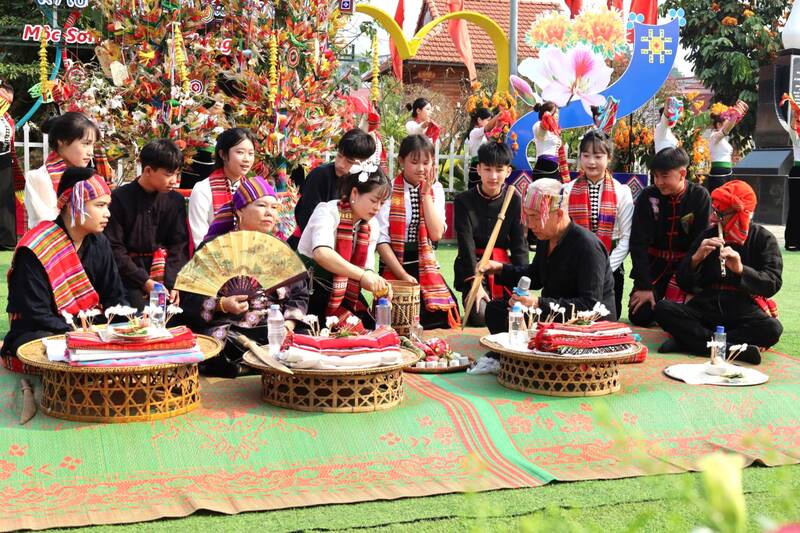
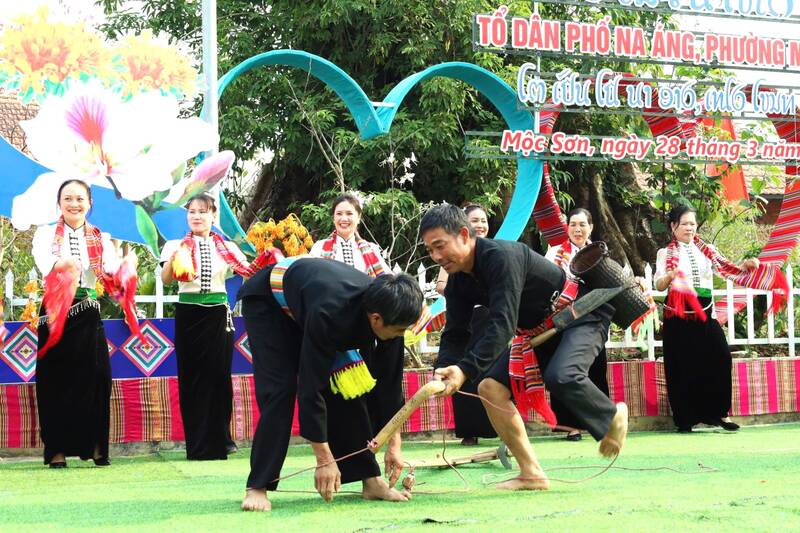
At the ceremony, ancient stories about the working life of the Thai people such as training buffaloes to plow fields, picking wild vegetables, scooping stream fish or hunting trips were vividly recreated.
Soft xoe dances harmonizing with gongs and drums create a bustling atmosphere, attracting tourists to immerse themselves in the xoe circle.
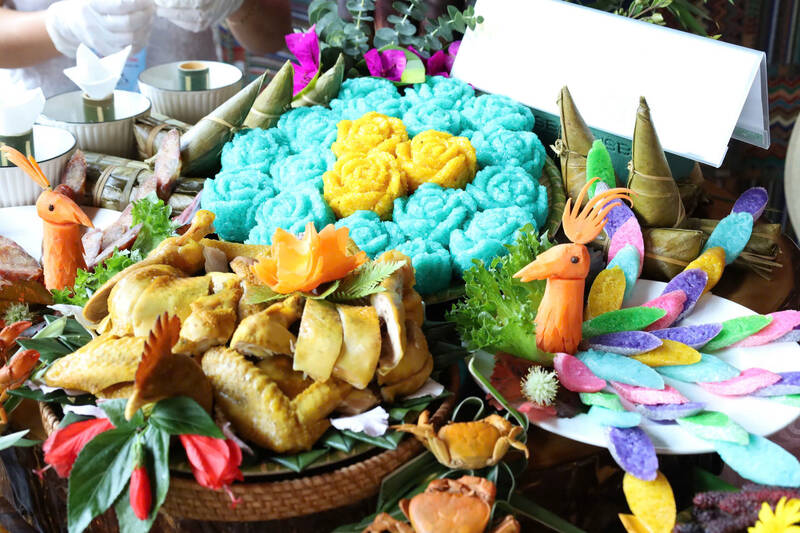
On the sidelines of the festival, there are also many exchange activities between groups and villages. Teams compete in taking fire, boiling chicken, displaying and presenting ethnic cuisine, introducing local products, and community parades at Moc Son pedestrian street.
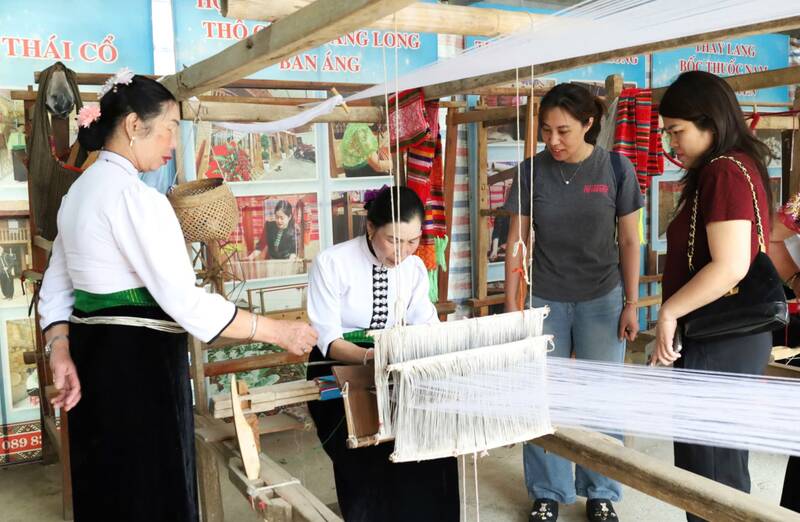
Mr. Cu Van Chuyen, a tourist from Phu Tho, said that this is the first time he has attended the Het Cha Festival. He was impressed with the joyful atmosphere and friendliness of the local people. Thai Xoe dances and folk games bring a very special experience.
Mr. Nguyen Xuan Truong, Chairman of Moc Son Ward People's Committee, said that the locality always maintains the organization of annual festivals to preserve and promote the cultural values of the White Thai ethnic group.
The innovation of activities within the framework of the festival also contributes to attracting tourists and promoting tourism development in Moc Chau.
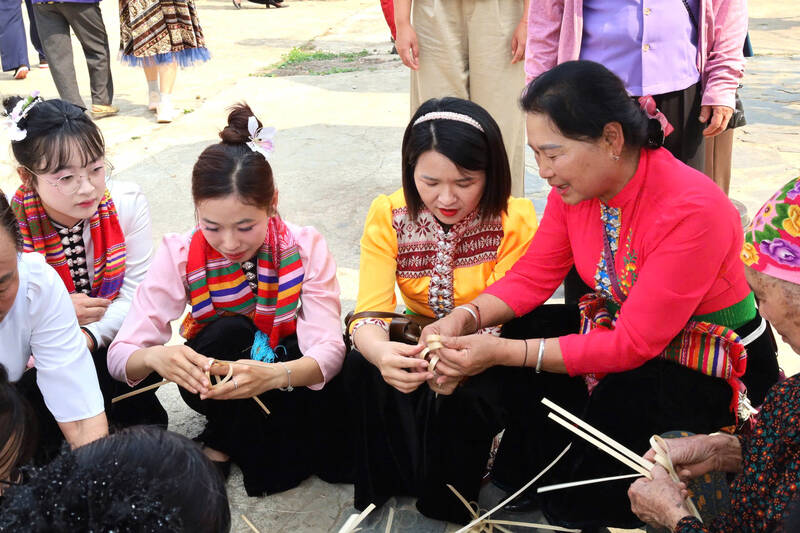
Closing the festival is the solidarity xoe circle, where people and tourists hold hands in traditional xoe dance, drink can wine together, and share joy. That image clearly shows the spirit of community and the sustainable vitality of Thai culture on Moc Chau plateau.
Over time, Het Cha Festival has been preserved as a unique cultural beauty, contributing to promoting the Northwest identity to tourists from near and far.


