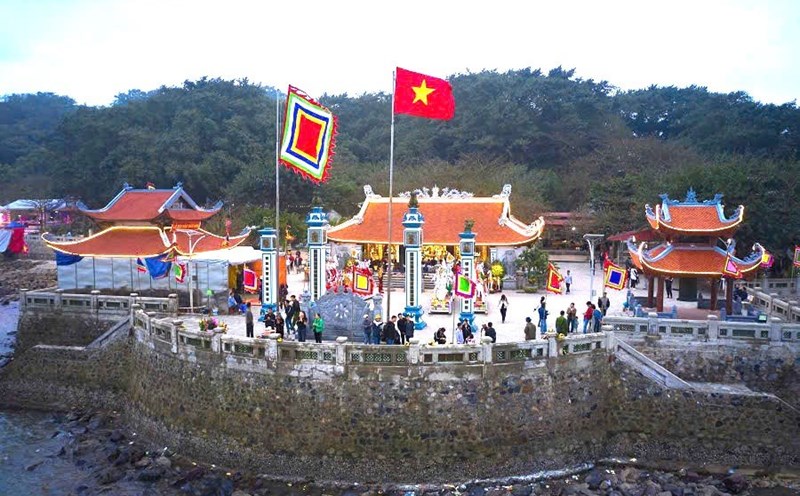
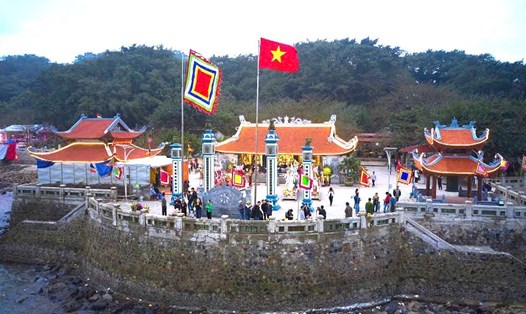
Canh Son Temple is a historical and cultural relic of special value, closely associated with the spiritual life and long-standing cultural traditions of the Tan Minh commune community. Over many centuries of formation and development, the temple is not only a sacred place of worship but also a symbol of solidarity, the morality of "drinking water, remembering the source", and the aspiration to pray for national peace and prosperity, and favorable weather for generations of local people.
According to documents stored locally, the temple was started in the Nguyen Dynasty, worshiping Kinh Son Linh Ung Dai Vuong and Ban Canh Tri Minh Dai Vuong - two tutelary gods who helped King Hung fight the Thuc invaders and expand the territory. Folk tales of linh ung, especially praying for rain during the drought, show the people's deep belief in the gods worshiped at the temple. With that merit and sacredness, Kinh Son Linh Ung Dai Vuong was phong as Thuong thuong dang than.
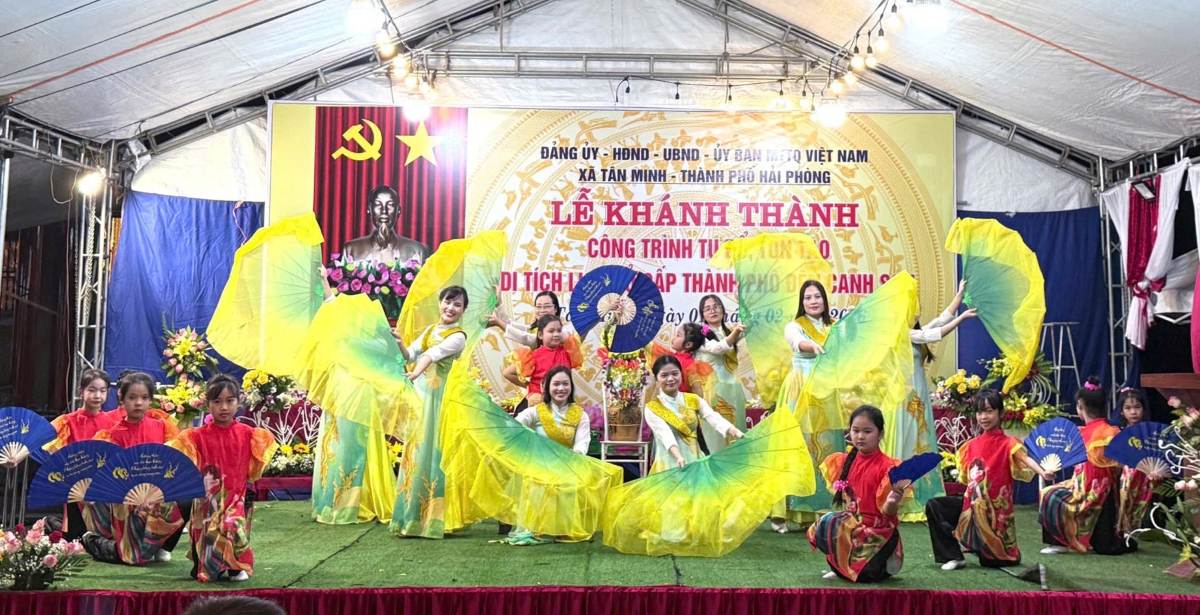
One of the highlights of Canh Son Temple is that the entire architecture and worship items are made of stone, with sophisticated and elaborate carving techniques, imbued with traditional artistic values.
By 2025, relic restoration and embellishment work will continue to be implemented synchronously with many items such as guest houses, temple gates, temple wells, temple ponds, festival yards and fence systems, gradually completing the overall relic complex in the direction of both preserving historical and cultural values and meeting the increasing cultural and religious needs of people and tourists from all directions.
The total implementation cost is nearly 7 billion VND, mainly from socialized sources, clearly showing the spirit of solidarity, consensus and responsibility of the community in preserving the heritage of our ancestors.
After the restoration and embellishment process, Canh Son Temple has a spacious appearance, harmonious landscape, and a sacred space that is preserved and promoted in its true value. The project not only meets the aspirations of the local people for a solemn and sustainable place of worship, but also gradually becomes a typical cultural and spiritual address of Tan Minh commune, contributing to educating patriotism, national pride and the awareness of preserving heritage for younger generations.