A history spanning over 1,000 years
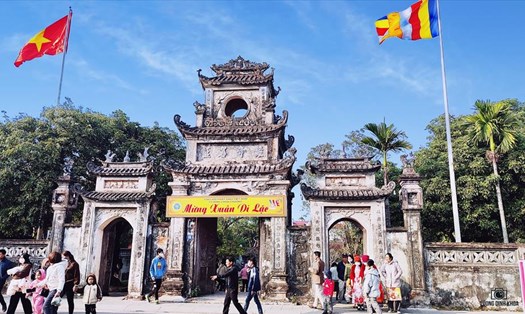
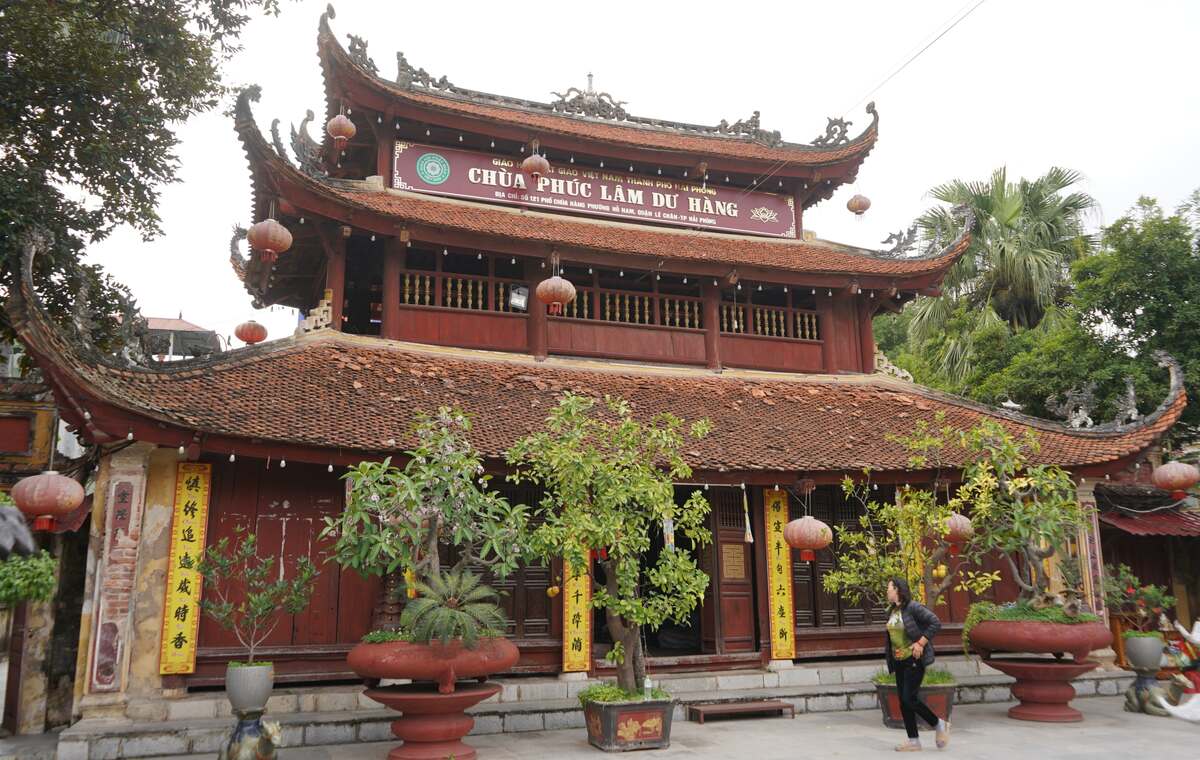
Du Hang Pagoda (Phuc Lam Pagoda) is often called Hang Pagoda by the people of Hai Phong city, located in Le Chan ward, Hai Phong city. According to the stele record of Du Hang Pagoda, the pagoda originated in the Tien Le period (980-1009), is one of the oldest ancient temples in Hai Phong city.
Legend has it that at the end of King Le Dai Hanh's reign, an ancient monk came here to preach and enlighten Buddhist teachings. By the Tran Dynasty (1225-1400), the ancient monks of the Truc Lam Zen sect founded by Tran Nhan Tong in Yen Tu Son, had relationships with Du Hang Pagoda. Therefore, from ancient times to now, Du Hang Pagoda still has the tradition of celebrating the birthday of the first ancient monk "Din Ngu Giac Hoang Tinh Tuc Thien Su", i.e. King Tran Nhan Tong, on November 2nd of the lunar calendar. The 3rd ancestor of the Truc Lam sect is Zen master Huyen Quang Ly Dao Tai on November 3rd of the lunar calendar.
By the reign of King Le Gia Tong (1672), monk Nguyen Dinh Sach (alias Chan Huyen) appeared with money to buy fields and land, build a large pagoda, with enough bell towers, ancestral temples, monks... Since then, through many historical ups and downs, the pagoda has been renovated and repaired by the generation of monks, nuns, and Buddhist followers together to make the pagoda more spacious and beautiful.
Du Hang Pagoda is also a place where many historical events took place during the resistance war. In particular, in 1926, a large number of monks, nuns, Buddhists, students, teachers, and boat workers gathered at the pagoda to hold a memorial service for patriot Phan Chu Trinh, when the whole country was informed that he had passed away in Saigon. This is an important event, associated with the patriotic struggle movement, demanding civil rights and democracy. Also at Hang Pagoda, the Hai Phong Sangha Association for National Salvation held a launching ceremony after the August Revolution (1945).
This is also the venue for "Golden Week", and at the same time, revolutionary mass organizations meet to discuss welcoming President Ho Chi Minh back from France, visiting Hai Phong compatriots and soldiers.
History also records that during the 9 years of resistance war, Du Hang Pagoda expanded its meditation gates to nurture cadres and support the resistance war through the "Winter Warm Clothes" movement for soldiers and food to feed the army. In particular, many monks at the pagoda enthusiastically enlisted in the army to save the country, typically the late monk Dinh Quang Lac was awarded the Third-class Resistance Order.
With a thousand-year history, Du Hang Pagoda was recognized as a National Historical and Cultural Relic in 1986.
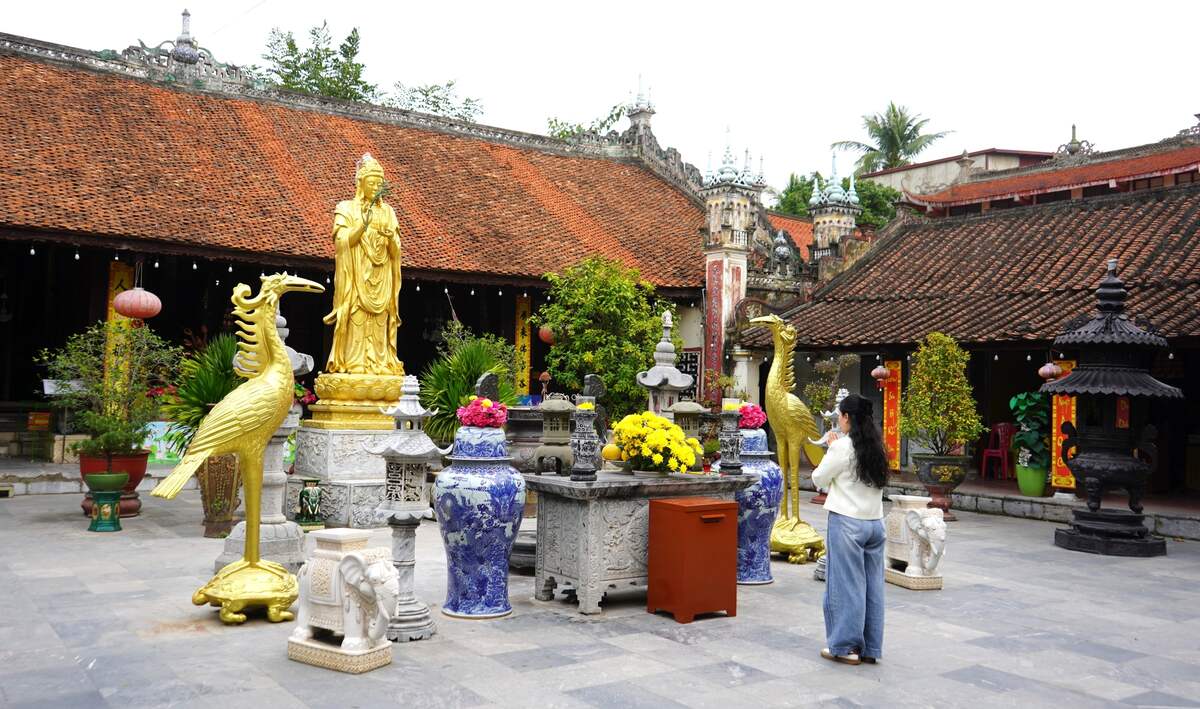
Unique and imposing architecture in the city
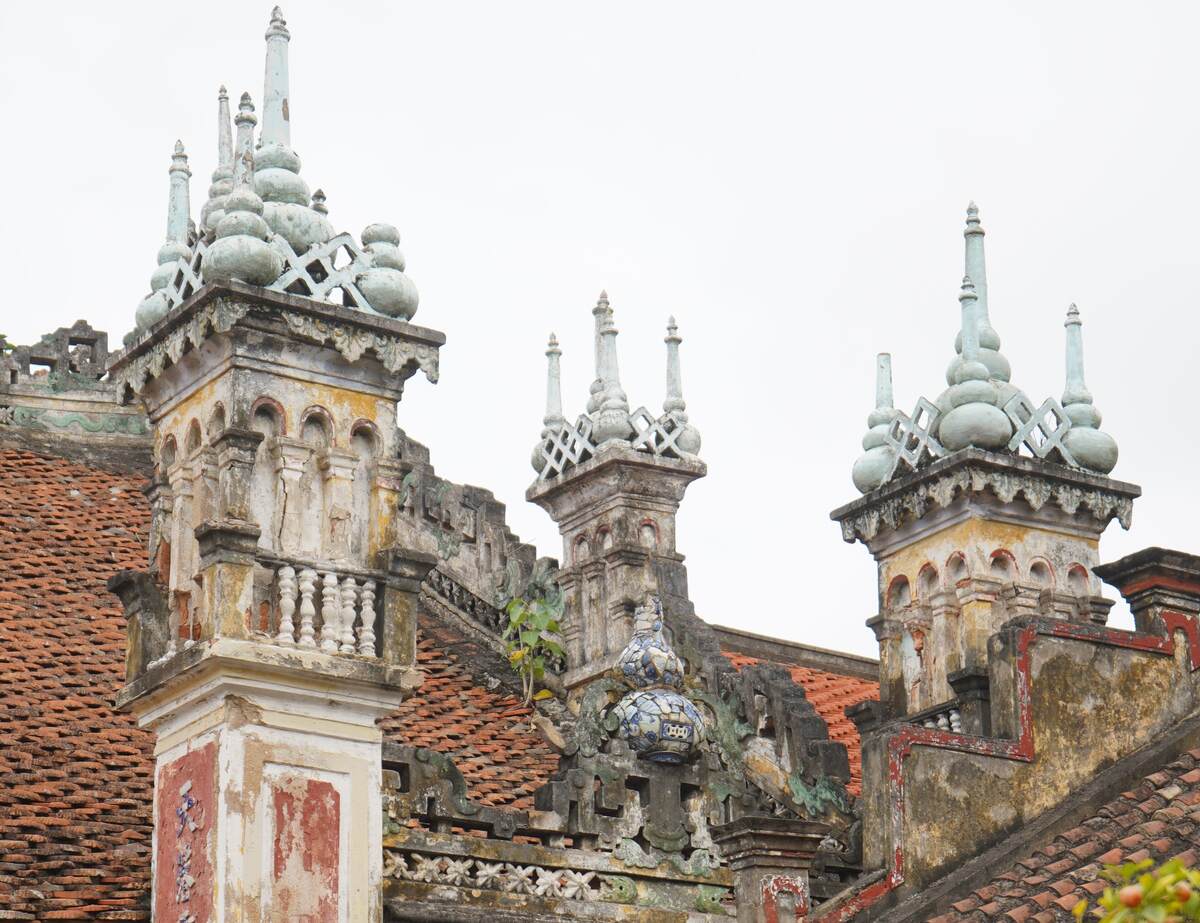
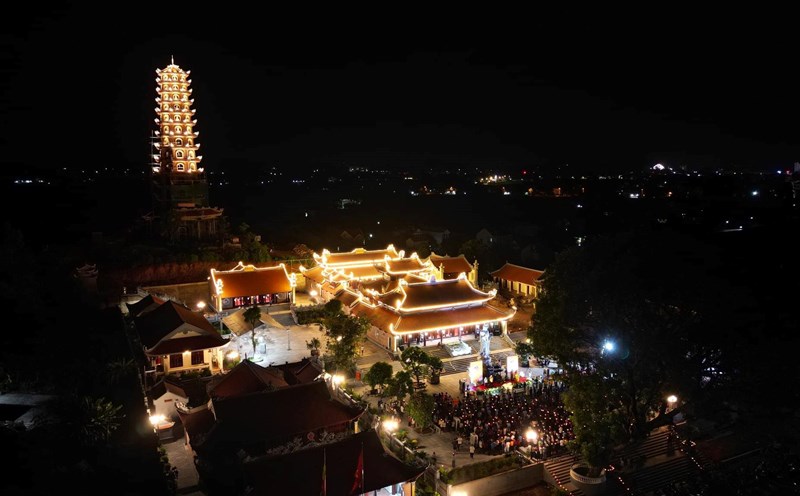
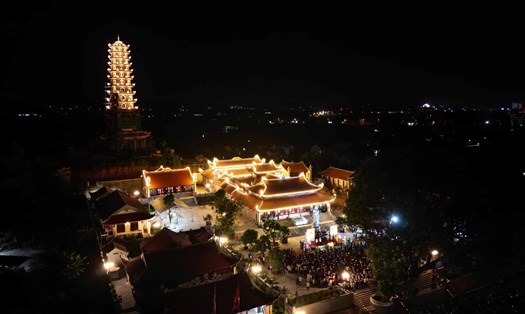
Not only famous for its sacredness, Du Hang Pagoda also attracts a large number of pilgrims from all directions thanks to its unique and majestic architecture. The pagoda grounds include a 7-compartment Buddhist temple, a 3-story bell tower, a towering roof, and a large bronze bell.
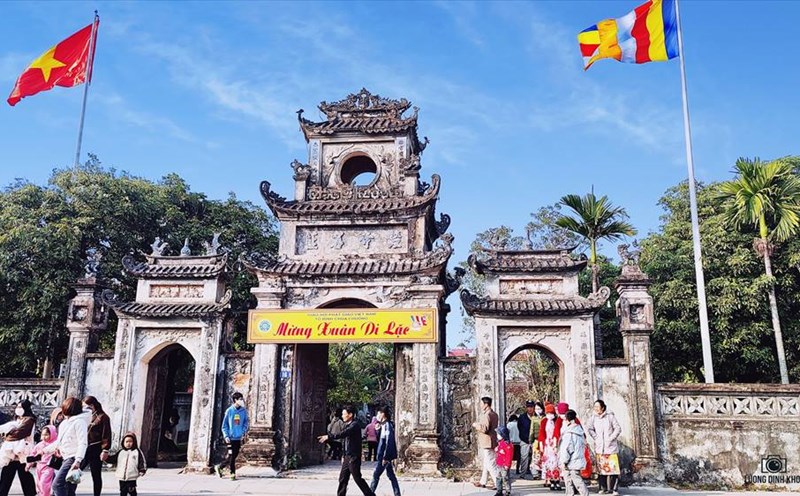
The main hall has an architecture in the shape of the letter "Dinh", on both sides is the ancestral house, in front is the pagoda gate and bell tower. The bell tower has 5 compartments, 3 floors, inside hangs a large common "Phuc Lam Tu Chung" fruit. Looking from the outside, on the left side of the main hall is the ancestral house, the young master's house and the monks' house; on the right side is the ancestral temple, library, and traditional room. The courtyard in front of the main hall is decorated with the open-air Bodhisattva Quan The Am statue and placed a large bronze top.
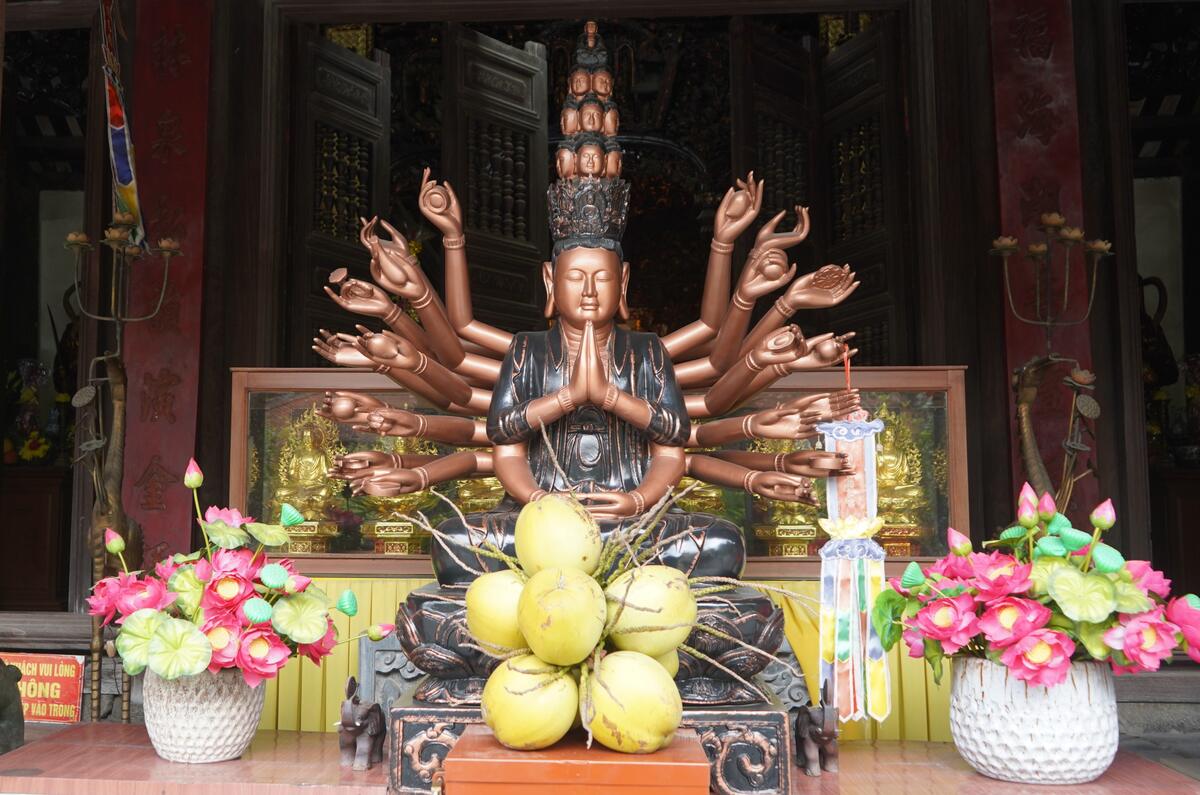
The Buddha's Palace is decorated solemnly, worshiping statues: Three Worlds Buddha, Three Ton Dida, Thich Ca Three Ton, Cuu Long Palace in the middle of the incense burner. The altars: Ho Phap, Thap Dien Minh Vuong, Ton Gia A Nan and Truong Gia Cap Co Doc. The pagoda has many ancient statues of artistic value such as the Three Worlds Buddha statue set, Cuu Long Palace, Thap Dien Minh Vuong. This place also preserves many horizontal and parallel sentences with soft lines, sophisticated techniques, in the artistic style of the Nguyen Dynasty.
In the tower garden, there are 9 tomb towers, including 3 pagodas of Truc Lam Tam To during the Tran Dynasty (Nhan Tong, Phap Loa, Huyen Quang), three Pho Dong towers and three towers of previous abbots.
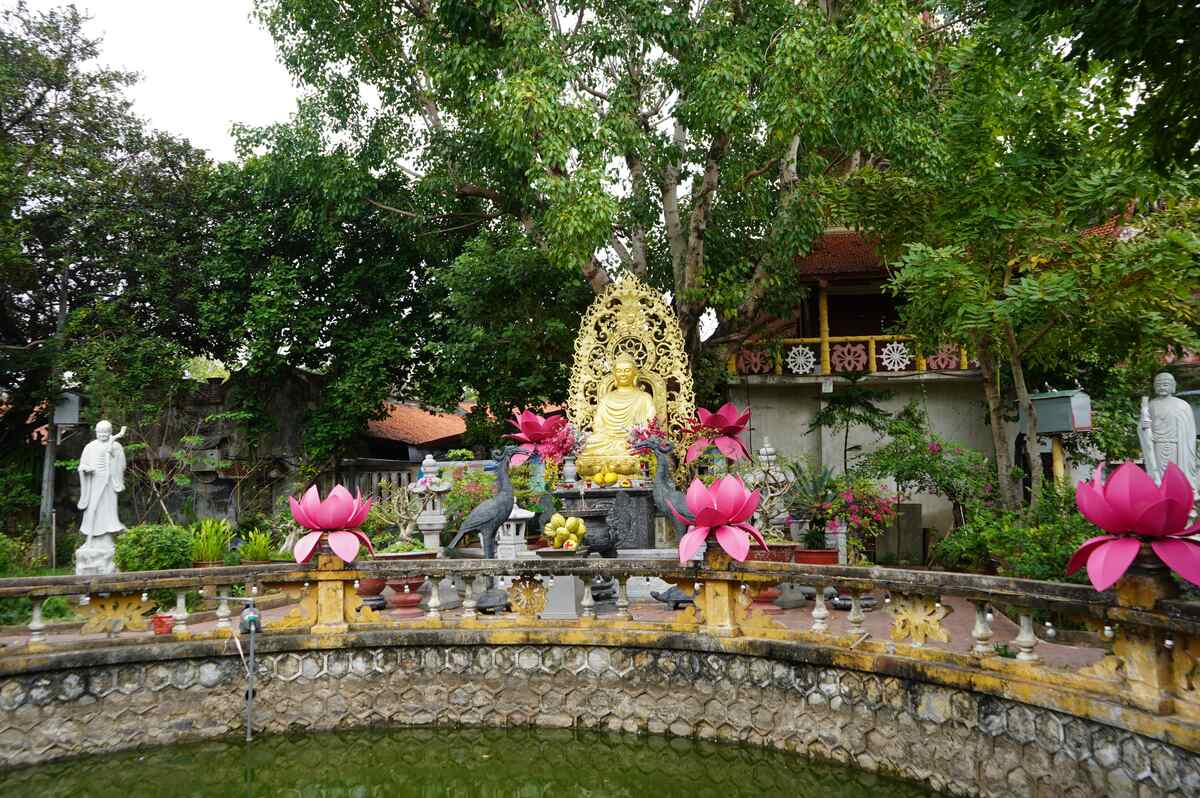
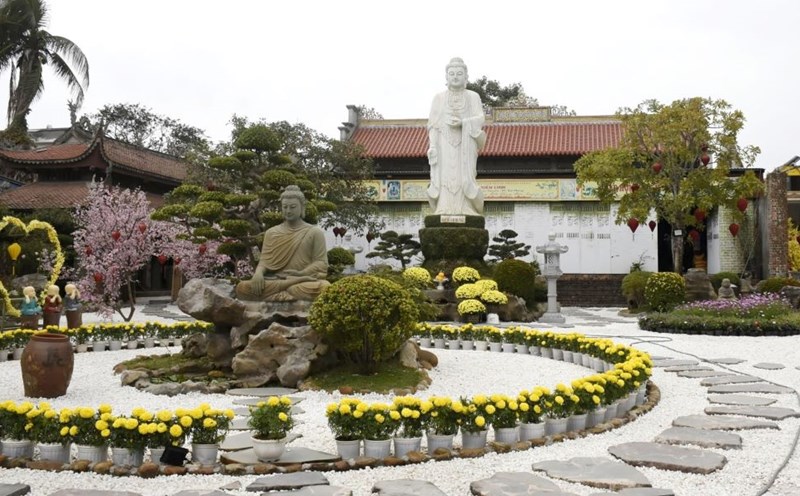
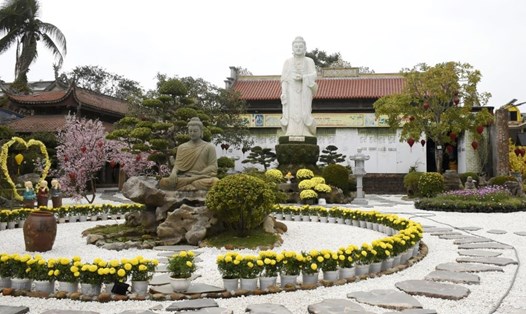
The statue garden is located on the right side of the bell tower, in the middle of the garden is a large lake. Here, the pagoda openly displays the statue of Buddha Shakyamuni in gold bronze sitting meditating on the lotus tree under the tall Bodhi tree, the statue of Bodhisattva Maitreya in bronze in a standing position and the statue of 10 great disciples of the Buddha carved in white stone.
In the crowded city, the ancient house retains its solemn and peaceful space, is a familiar spiritual destination, welcoming tens of thousands of tourists to visit and offer incense every year.