
Visa policy determines destination attractiveness
According to the latest World Tourism Barometer report of the United Nations Tourism Organization (UN Tourism), in Q1/2026, the number of international tourists reached about 307 million, an increase of 2% compared to the same period last year, showing that global tourism demand still maintains its upward momentum despite geopolitical instability. This makes the competition for international visitors between countries increasingly fierce.
In that context, many studies show that visas are no longer simply an entry and exit management tool but have become a factor directly impacting the competitiveness of destinations.
According to UN Tourism, facilitating travel is one of the important driving forces promoting tourism growth. Along with the development of technology and increasing shift demand, countries are gradually shifting from traditional visa issuance models to more convenient forms such as visa exemption, electronic visas (e-visa), visa issuance at border gates or complete digitization of entry permit procedures.
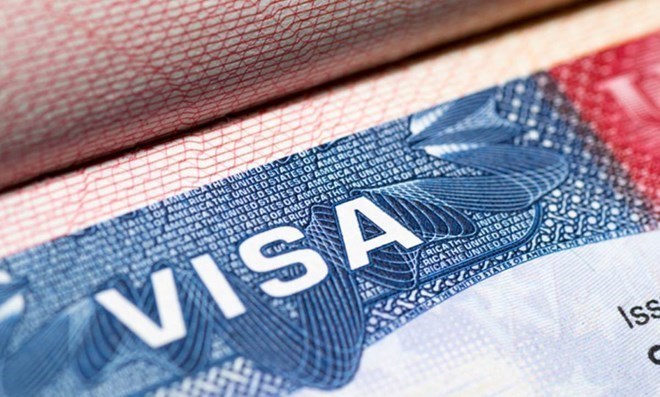
Notably, the ASEAN Tourism Outlook 2025 report citing research by UN Tourism and WTTC said that past visa policy reforms have helped the number of international visitors from the markets applied increase from 5% to 25%, depending on the type of reform and each market.
The report also emphasized that in the context of many tourists deciding to book trips close to departure dates, simple visa procedures are playing an increasingly important role in promoting destination choice decisions.
Not only increasing the number of visitors, creating visa facilitation also contributes to promoting tourism spending, creating jobs and improving the competitiveness of the economy. This is also the reason why more and more countries are bringing visa reform into tourism development strategies instead of just considering it as an administrative management field.
In Southeast Asia, the level of visa opening is also continuously improving. According to ASEAN Tourism Outlook 2025, ASEAN is currently one of the regions with the highest level of visa policy opening in the world. The rate of visa reopening between member countries has increased from 67% in 2008 to 96% in 2023, significantly higher than the global average of about 20%.
Visa becomes a national competitive advantage
If previously, image promotion or infrastructure investment was considered a key factor to attract international visitors, now, many international organizations believe that visa policies are becoming part of each country's competitive strategy.
According to the Better Borders report by the World Travel & Tourism Council (WTTC) in collaboration with SITA released at the end of 2025, modernizing border management and applying smart visa policies could bring an additional $401 billion to the global economy and create about 14 million jobs by 2035 in economies belonging to the G20, European Union and African Union.
The report argues that technology is helping countries solve an seemingly contradictory problem: both facilitating tourists and enhancing security. Solutions such as the complete digitization of visa issuance procedures, biometric identification, digital identification, data sharing between agencies or passenger assessment before entry are considered new trends in border management.
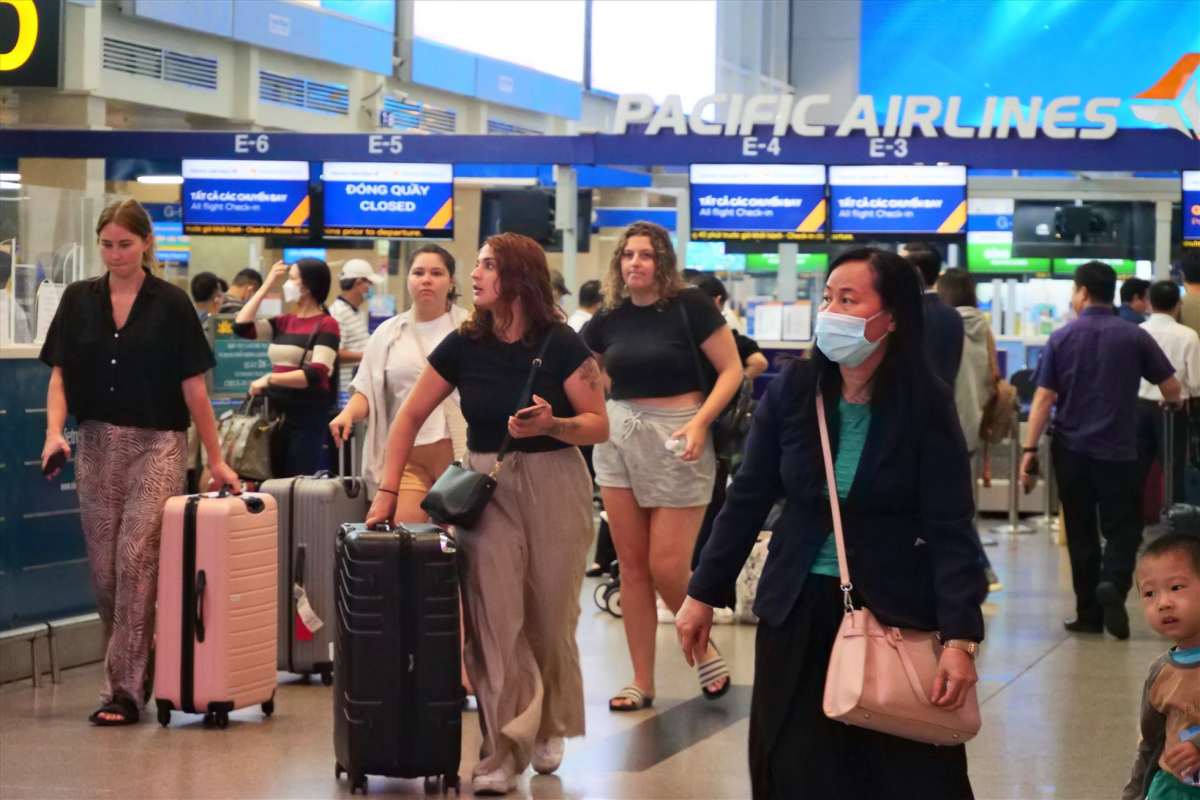
WTTC believes that instead of choosing between "opening" and "control", countries can completely build "smart borders", where technology helps shorten procedure time while still improving risk detection and ensuring national security.
This also explains why in recent years, many countries have continuously adjusted their visa policies towards greater flexibility.
Not only expanding visa exemption or e-visas, many countries also design visa types specifically for remote workers, retirees, investors or long-term residents to attract groups of customers with high spending and long-term contributions to the economy.
In the context of global tourism continuing to recover and destinations becoming increasingly fiercely competitive, visa policy is forecast to continue to be one of the important "weapons" to help countries increase their attractiveness.
However, the new trend is no longer to open up at all costs, but to build a convenient, digitized and safe visa system, both creating conditions for tourists and ensuring management and security requirements.
This is also the foundation for the visa policy reform race that is taking place strongly in many Asian and Southeast Asian countries today.


