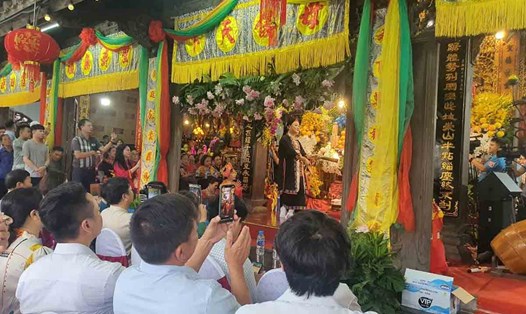
Identity in a thousand
The Chuc ethnic group in Quang Tri province currently has more than 8,200 people, living mainly in the communes of Kim Phu, Kim Dien, Tuyen Lam, Dan Hoa and Thuong Trach.
Despite many difficult socio-economic conditions, the Chu ethnic community still preserves many unique cultural features formed through the process of survival and attachment to the mountains and forests. These are values that contribute to enriching the cultural treasure trove of Vietnamese ethnic groups.
The Chu people originally lived as nomads and nomads, considering the mountains and forests as the origin of spiritual life. The Ruc people, a branch of the Cha ethnic group, used to live in grottos and deep forests, preserving many unique customs.
In particular, the Giang Son worship ceremony in the 9th lunar month is an important ceremony, praying for a good harvest and a peaceful village. The village elders used two pieces of bamboo to throw onto the knife "as for glue", expressing their gratitude to their gods and reminding the community to preserve the forest.
According to artisan Dinh Van Cho (Kim Dien commune), the Chuots today no longer live isolatedly as before, but the spirit of attachment to the mountains and forests is still present in the singing, dancing and traditional stories. He and many artisans have made efforts to collect, restore traditional folk songs and teach the younger generation so that cultural identity is not lost.
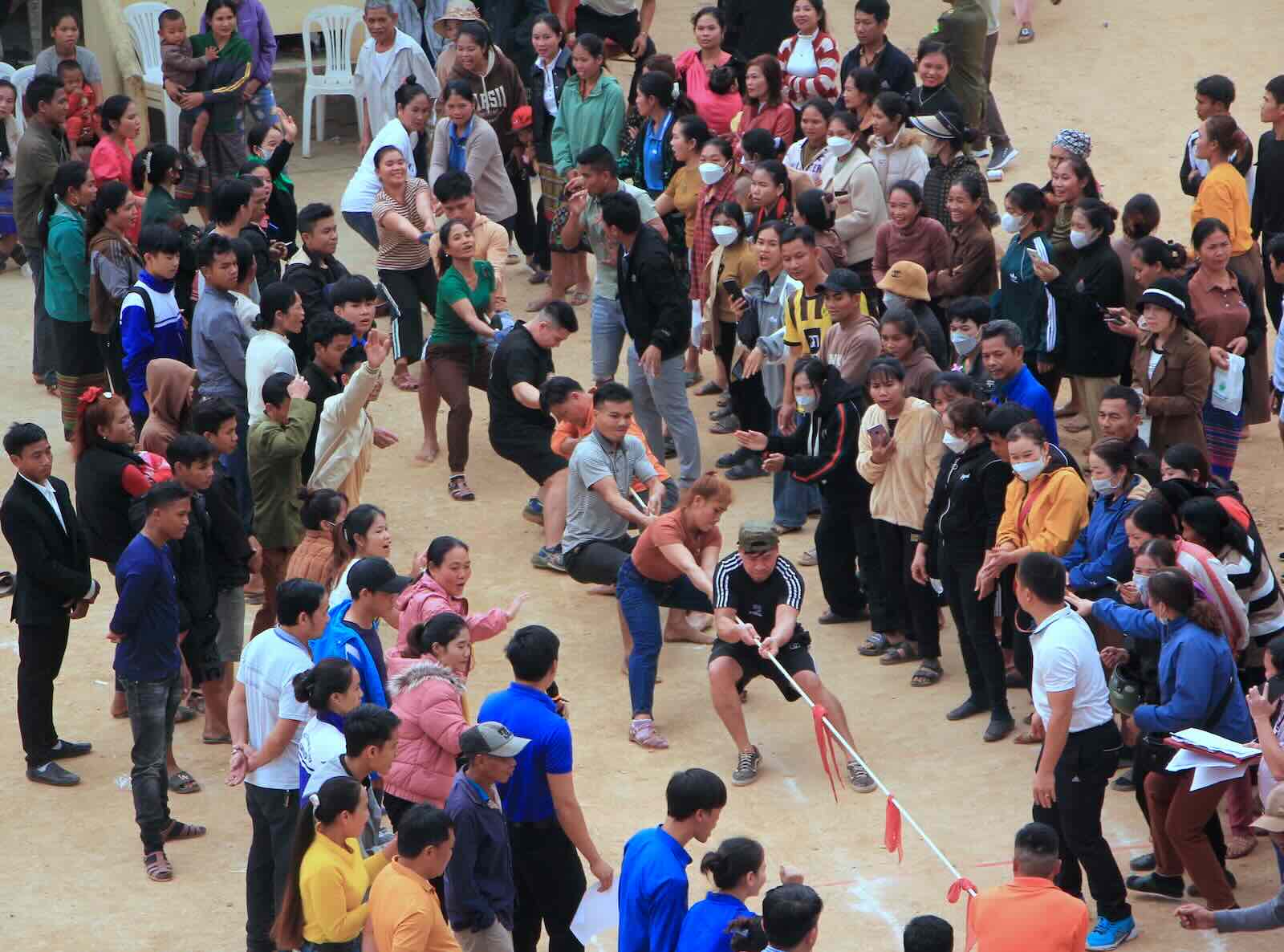
Along with religious rituals, the Cha people possess a treasure trove of folk songs and dances with a vast sound. In festivals, rice celebrations, weddings, and local singing still resound, in harmony with the Cho-rabon, a traditional musical instrument that is still preserved today.
Artisan Dinh Xuan Ban (Kim Dien commune) is considered the "living library" of the Cha people. He said that previously, many folk melodies were only left in the memories of a few elderly people, and the risk of loss was very clear. The restoration requires artisans to go to each house, meet each person to remember and compare the lyrics.
There are 3 - 4 songs that everyone remembers but each person has a different version. When the community sat down and discussed, each new lane was completed.
Thanks to that perseverance, each lyric and melody were revived, becoming a part of the cultural life of the people. Many artisans have also composed new songs based on traditional melodies to make it easier for the younger generation to absorb, helping the Chuc culture spread, keeping up with modern life.
Linking conservation with tourism
For the Chi Minh community, preserving culture is not only about preserving the old but also a journey to connect the past - present - future. Associating cultural preservation with tourism development is considered a suitable direction, both preserving identity and bringing sustainable livelihoods.
On November 22, speaking with a reporter from Lao Dong Newspaper, Meritorious Artist Vo Thanh Nhan - Deputy Director of the Provincial Center for Culture and Cinema said that the process of restoring Chuc culture was very difficult.
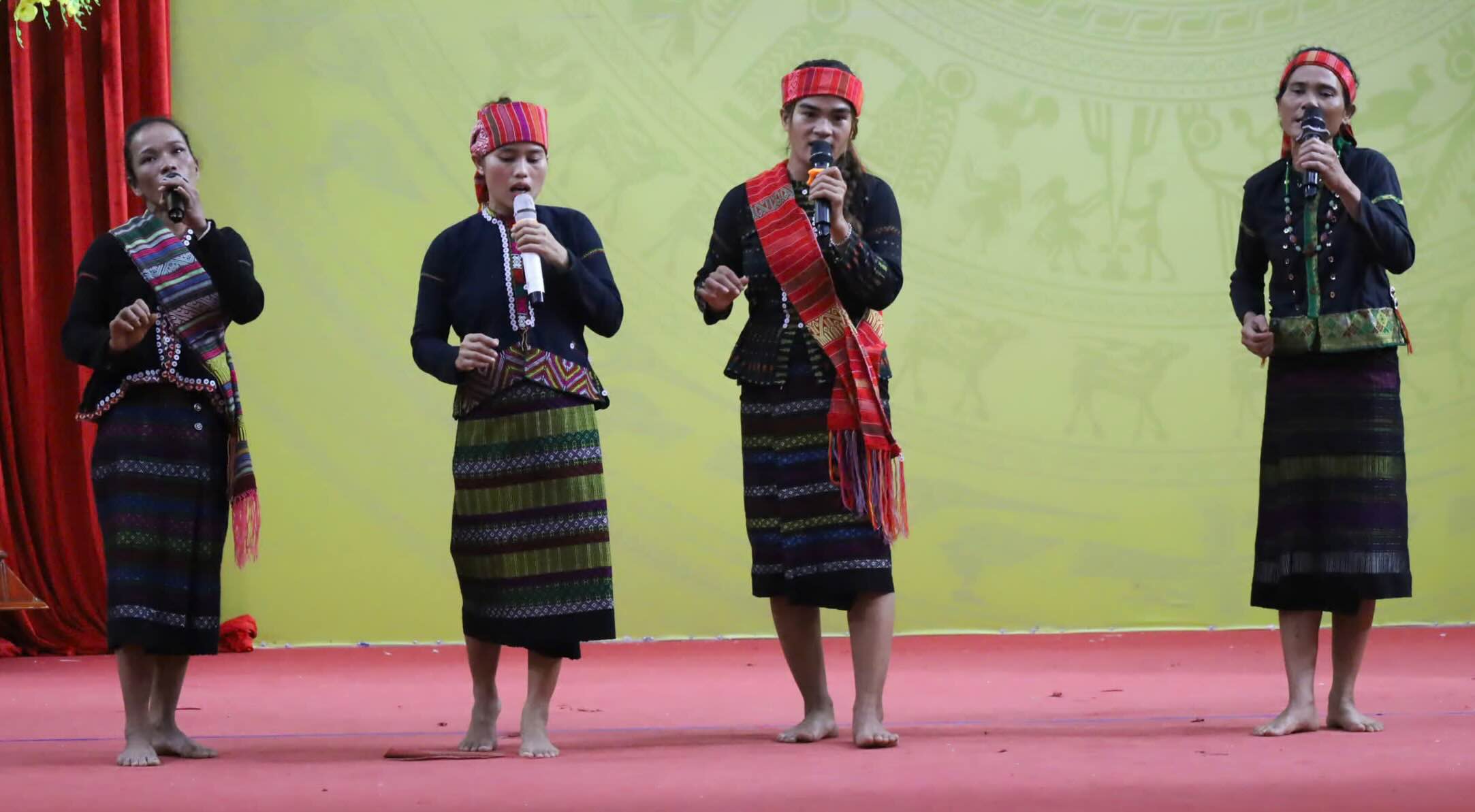
Culturalists must "eat together, stay together" for many months with the people to understand, record and restore each piece of memory. He believes that preserving the soul of the Ca is not only about preserving a few melodies or rituals but also preserving the cultural core that has nurtured the community through many generations.
Deputy Director of the Department of Culture - Sports and Tourism of Quang Tri Mai Xuan Thanh said that the province is building models of cultural tourism, ecology, and cave tourism based on the typical values of the Chu people. Ethnic groups such as Ruc and Arem, with small numbers and isolated residents, are focused on conservation because they still retain many basic elements.
Along with that, the establishment of folk cultural clubs in the village has helped the people themselves become conservation objects. This is an effective model, encouraging the community to participate in performances, passing on culture right at their place of residence, and at the same time creating a foundation for developing community tourism and sustainable livelihoods.