
From the "5-no" Buddhist group to the new residential area
More than ten years ago, Kim Lai Parish, now Residential Group 16, Hai Duong Ward (Hai Phong City) was once called a "5-no" religious group: no land, no house, no school, no electricity, no clean water. Children born without birth certificates are mostly unable to go to school, forced to follow their parents on small boats to fish and carry goods for hire to make a living.
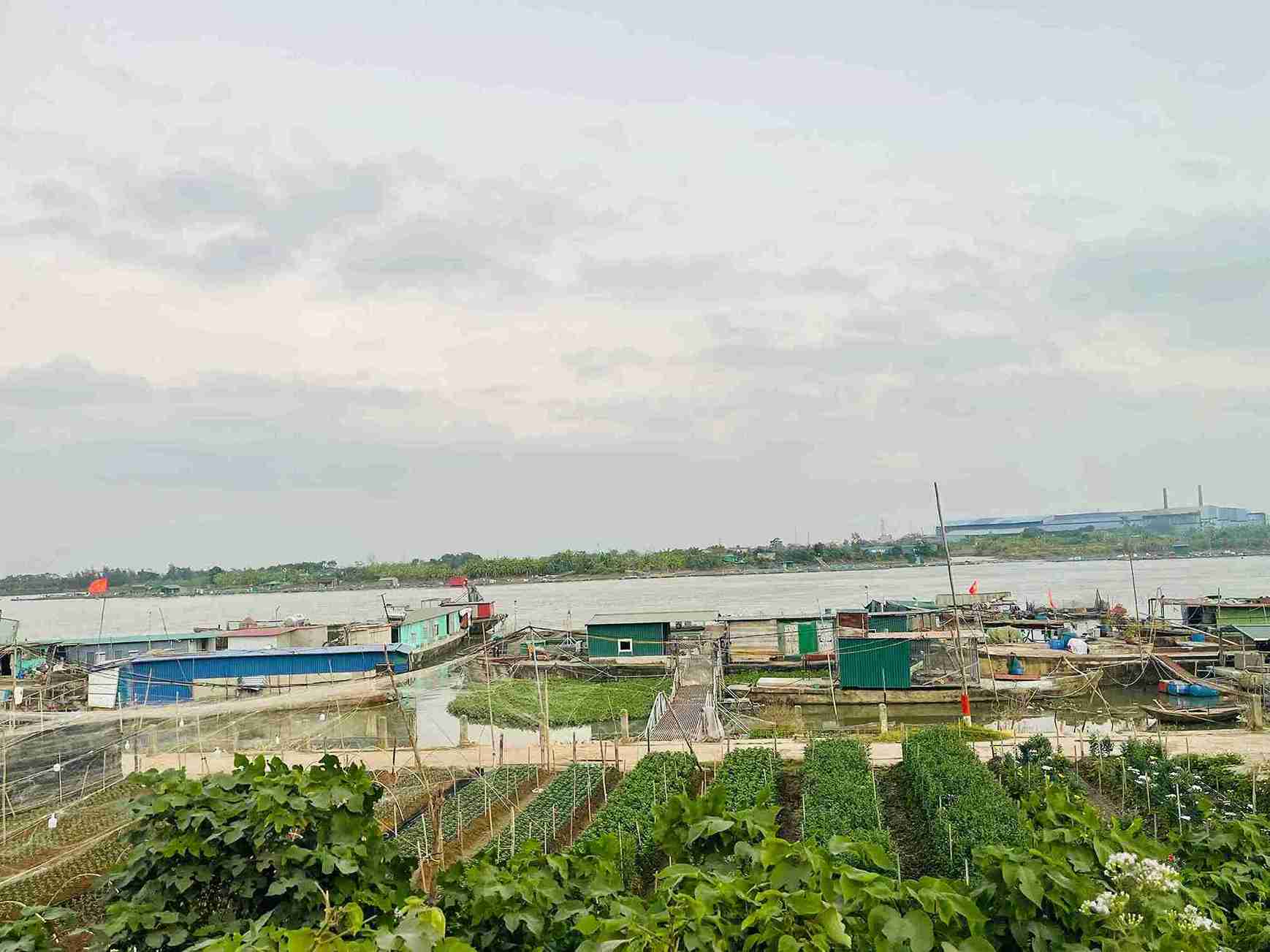
Life depends entirely on rivers, from fishing, water transportation to digging up metals under the river. During those days, many families could only build temporary hutts at the foot of Phu Luong bridge to avoid storms and floods. There is still a shortage of food, let alone the education of young people.
People said that life at that time was extremely difficult, every day was a challenge. Children follow their parents drifting on the river, studying while earning a living. Adults have to stick to fishing or transporting goods for hire, staying up all season.
Many families are in need, with almost no land to build stable houses.
The journey from the river to shore is a long story, starting from the consensus between the people and the government. Each old boat is pulled ashore, lying idle after many years of going back and forth, as a quiet testament to a long-term livelihood transformation process.
Talking to Lao Dong Newspaper, Mr. Hoang Van Phuc - Head of Residential Group 16 - said that the group currently has 653 households with more than 2,340 people. People's lives are basically stable, community activities and religious activities are maintained in a disciplined manner.
Those who were used to the waves are now used to the rhythm of life on the shore, peaceful but no less vibrant. Kim Lai has now become a new residential area, where cultural and spiritual life is consolidated, people are gradually stabilizing and integrating with the modern rhythm of life but still retaining the values associated with the ancient river life.
Fishermen change jobs, life becomes more prosperous
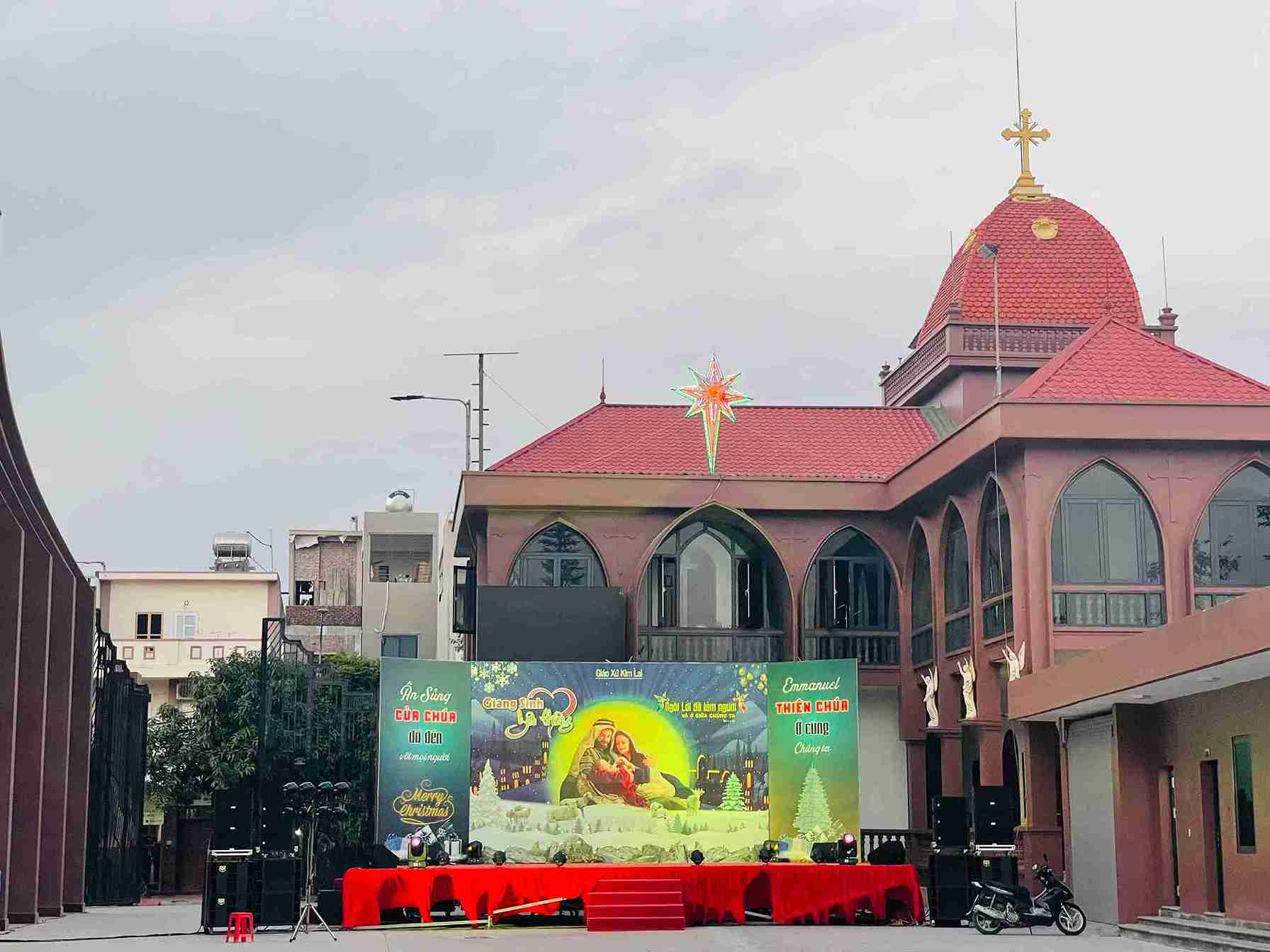
In the afternoon and evening of Christmas, Kim Lai Church becomes bustling, many families and young people gather to go out, visit, decorate pine trees, and shop for Christmas decorations. The sound of laughter, sparkling lights and the aroma of traditional dishes create a warm atmosphere, completely different from the previous difficult life on the river.
This is the time for the community to gather, children to play, adults to chat and share the joy, clearly reflecting the changes and stable life on the shore.
Many households still fish for net fishing but know how to combine cage fish farming, creating a higher and more stable source of income than before. Many families have boldly changed their livelihoods, finding new directions suitable for life on the shore, from small businesses, services to industries suitable for the area.
Mr. Nguyen Van Phan (born in 1969) is a typical example of this process of changing lives. Before 2012, when he had not yet set foot on land, he lived entirely on fishing, had an unstable income, and never dared to think about opening a business.
After moving to shore, he opened a barber shop right at home, earning more than 10 million VND per month, enough to support his family and save for the future. Others have also changed from river business to small business, transportation or local service.
The lives of Kim Lai people are now stable and no less vibrant. Community activities, festivals, and religious activities are maintained, creating a cohesive atmosphere between households. In Kim Lai, the journey from the fishing village to shore is a story of effort, perseverance and consensus.
Amidst the sparkling lights of Christmas, the fishing villages of the past are now firmly established on the earth, filled with faith in the future, no longer struggling with the water, but firmly in their new lives.


