
From the habit of receiving cash to new choices
Regularly every month, on the day of pension payment, Mr. Chau Quang Song, 80 years old, Hai Chau ward, Da Nang city, comes to the payment point to receive cash. For him, it is not only receiving a pension after many years of working, but also a familiar living habit.
When it comes to pension payment, I still prefer to go to the post office to receive money to have the opportunity to chat with many people. Many old people like me are also used to it" - Mr. Song shared.
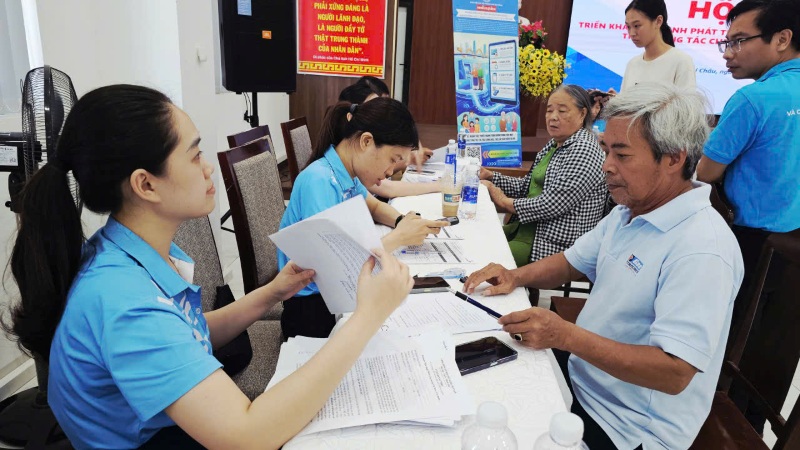
The psychology of liking to hold cash, wanting to directly count and meet friends of the same age is quite common in the group of people receiving pensions and social insurance benefits (BHXH). For many elderly people, ATM cards or banking applications are still unfamiliar; withdrawing money, checking balances, and protecting PIN codes also make them hesitant.
However, after being guided by social insurance and bank officials at the headquarters of Hai Chau Ward People's Committee, Mr. Song agreed to register to receive a pension through an account. The reason is very practical: old age, gradually weakening health, travel every month is no longer as convenient as before.
Receiving pensions through ATM cards is very suitable when health is increasingly weak. But in the long term, pensions are not much and fees are deducted, which is not advisable. I propose that the banking industry should prioritize pension recipients and social insurance allowances, and not collect fees" - Mr. Song said.
Mr. Song's story shows that the process of switching to non-cash payments is not only changing the method of receiving money, but also changing the habits of a part of the population, especially the elderly. To make policies go into life, propaganda needs to be accompanied by specific guidance, on-site support and answering very common concerns such as service fees, how to withdraw money, how to authorize children and grandchildren, how to handle forgetting passwords or losing cards.
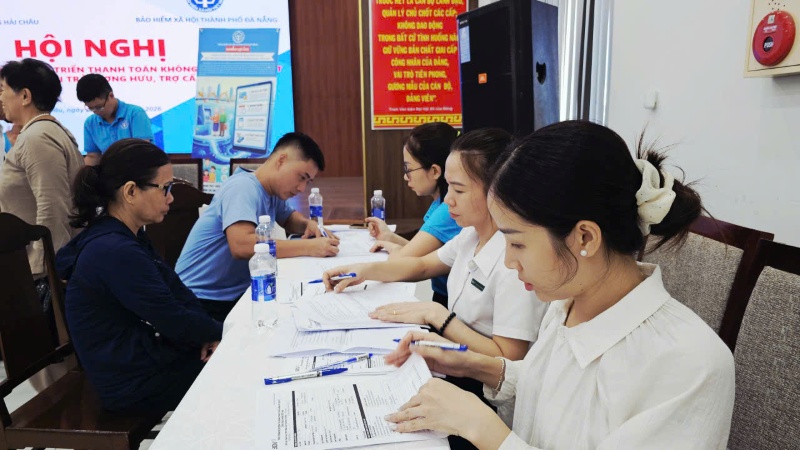
During the mobilization at the payment point in Hai Chau ward, dozens of people registered to receive pensions and social insurance allowances via ATM cards or authorized their children to receive on their behalf. Those who registered are supported by the social insurance agency to complete procedures and open accounts so that from the July 2026 payment period they can receive money through bank accounts.
Hai Chau ward alone currently has nearly 10,000 cases receiving monthly pensions and social insurance allowances. Up to now, the rate of non-cash payments in the area has reached about 73%. This is a figure showing a clear change, although a part of beneficiaries still need more time to adapt.
Pay faster, safer
According to Mr. Tran Dinh Hai - Head of Planning - Finance Department, Da Nang Social Insurance, the social insurance industry is implementing many forms of pension and social insurance allowance payments in parallel to ensure the right of choice of beneficiaries.
Beneficiaries can receive directly from social insurance agencies or authorized service organizations; receive through bank accounts; or receive through authorized persons as prescribed. In which, non-cash payments are being promoted in places with sufficient conditions.
“Da Nang Social Insurance is actively coordinating with units and localities to propagate and mobilize beneficiaries to switch to receiving pensions and social insurance allowances through accounts. This method helps beneficiaries receive money anytime, anywhere through the ATM system nationwide, limiting the risk of losing or missing cash,” Mr. Hai said.
If receiving cash, the beneficiary must go to payment points organized by the post office, usually fixed on June 5-6 every month. Each commune and ward has 4-5 payment points. Organizing direct payment requires manpower, time, and location, and also creates pressure in transporting and preserving cash.
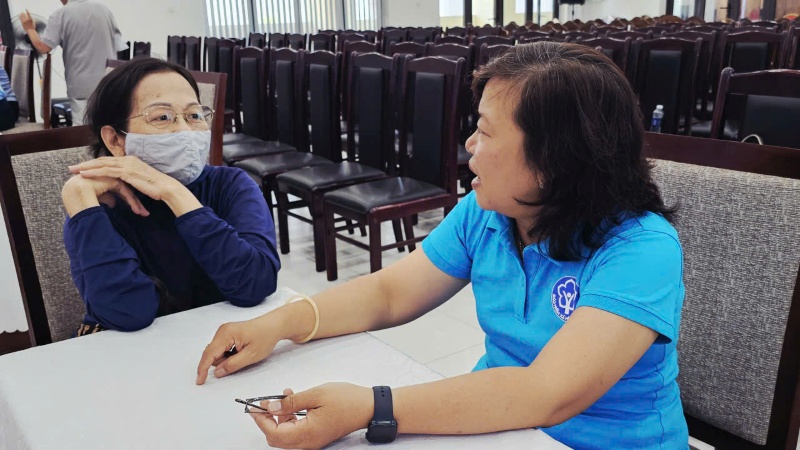
Meanwhile, with the bank transfer method, money is transferred to the beneficiary's account right from the beginning of the payment period. People do not have to wait for schedules, do not have to queue, do not worry about rainy and sunny weather or health that does not allow travel. In case elderly people are not familiar with using the card, they can ask their children and grandchildren for support or carry out authorization procedures to receive it instead.
For paying agencies, gradually reducing cash payments helps limit errors, ensure safety in the money transportation process, and shorten the time to organize payments. This is also a direction consistent with the policy of digital transformation, developing non-cash payments in the field of social security.
According to data from Da Nang Social Insurance, the whole city currently has about 82,412 people out of a total of 103,400 people registered to receive pensions and social insurance allowances in cashless forms, reaching nearly 80%. This rate shows that the policy has been accepted by many people, but it is still necessary to continue to mobilize, especially in the elderly group, people who have little exposure to technology or live dependent on their children and grandchildren.
From reality, it can be seen that pensioners are not afraid to change if they see clear benefits. But to gradually give way to the habit of receiving cash to pay through accounts, functional sectors need to continue to "hold hands and guide", coordinate with banks to exempt and reduce fees appropriately and maintain flexible choices for people.


