
Thang Long Tu Tran is the common name for the four sacred temples guarding the four directions East - West - South - North of the ancient Thang Long capital.
This system includes: Bach Ma Temple (Dong town), Voi Phuc Temple (Tay town), Kim Lien Temple (Nam town) and Quan Thanh Temple (Bac town).
In 2022, the Prime Minister issued Decision No. 93/QD-TTg, ranking Thang Long Tu Tran as a special national relic, affirming the typical historical, cultural and architectural value of this temple system.
Bach Ma Temple: Legendary traces of building the capital
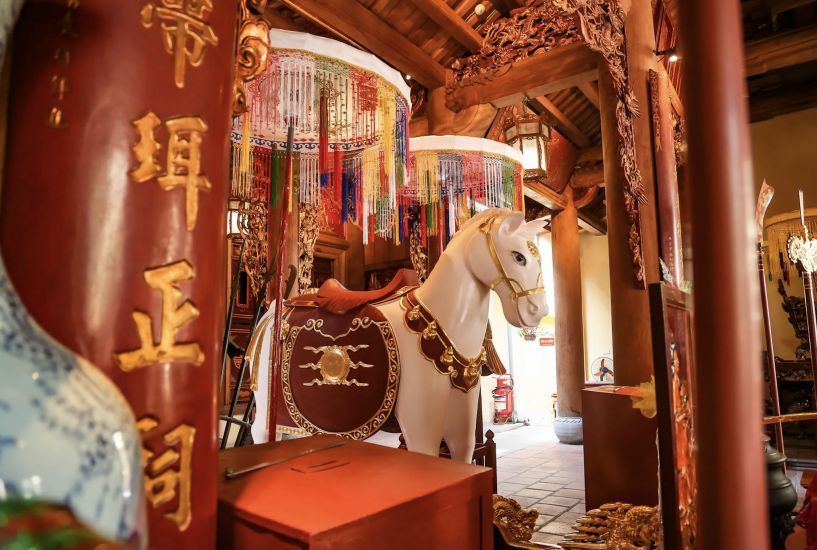
Located on Hang Buom street (Hoan Kiem ward), Bach Ma temple worships the god "Long Do - God of Quang Loi Bach Ma Dai Vuong".
According to legend, when Ly Thai To moved the capital to Thang Long, the construction of the citadel encountered many difficulties. After setting up the bridge and island altar, the god appeared in the image of a white horse, running around the land to point out the location of the citadel construction. Thanks to that, Thang Long citadel was built solidly.
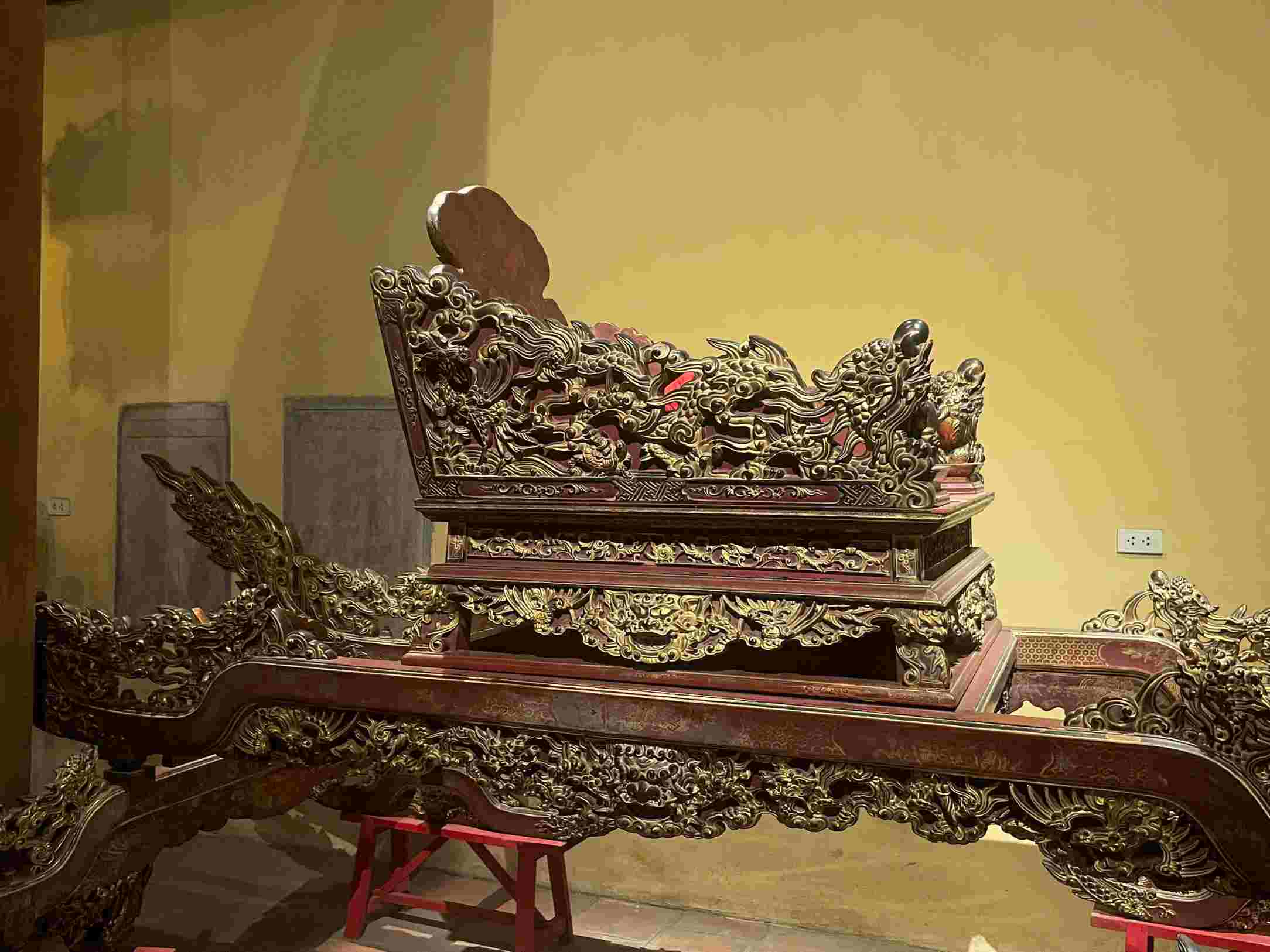
Since then, Bach Ma Temple has become a symbol guarding the East, associated with the legend of opening the capital.
Voi Phuc Temple: Historical mark of resistance against foreign invaders
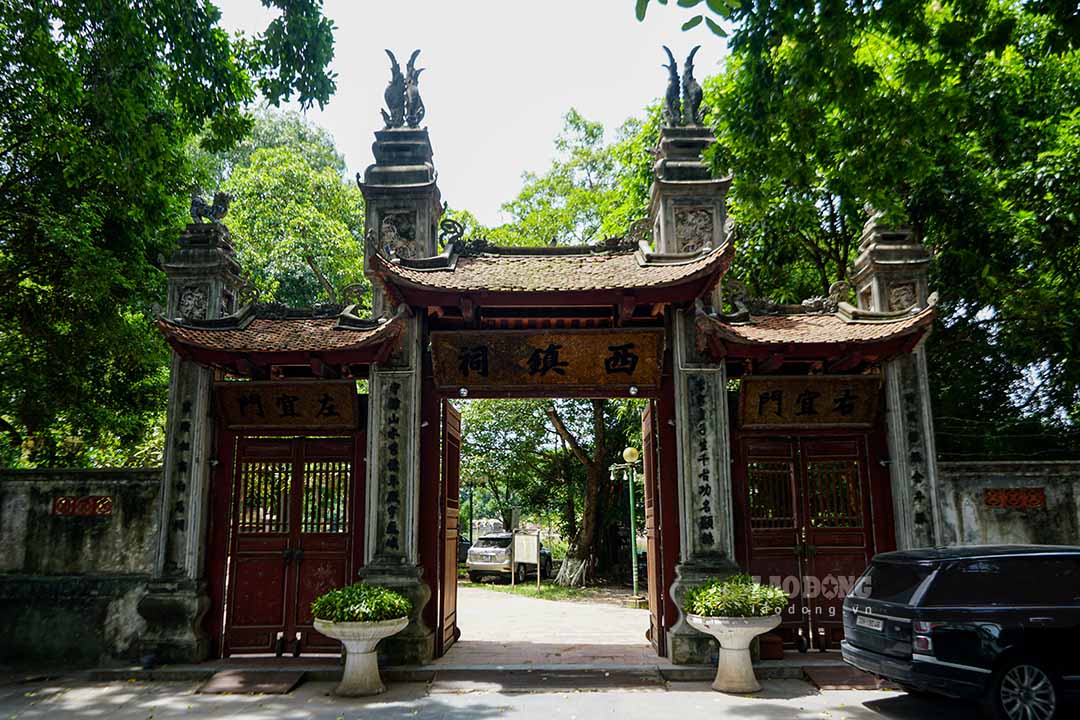
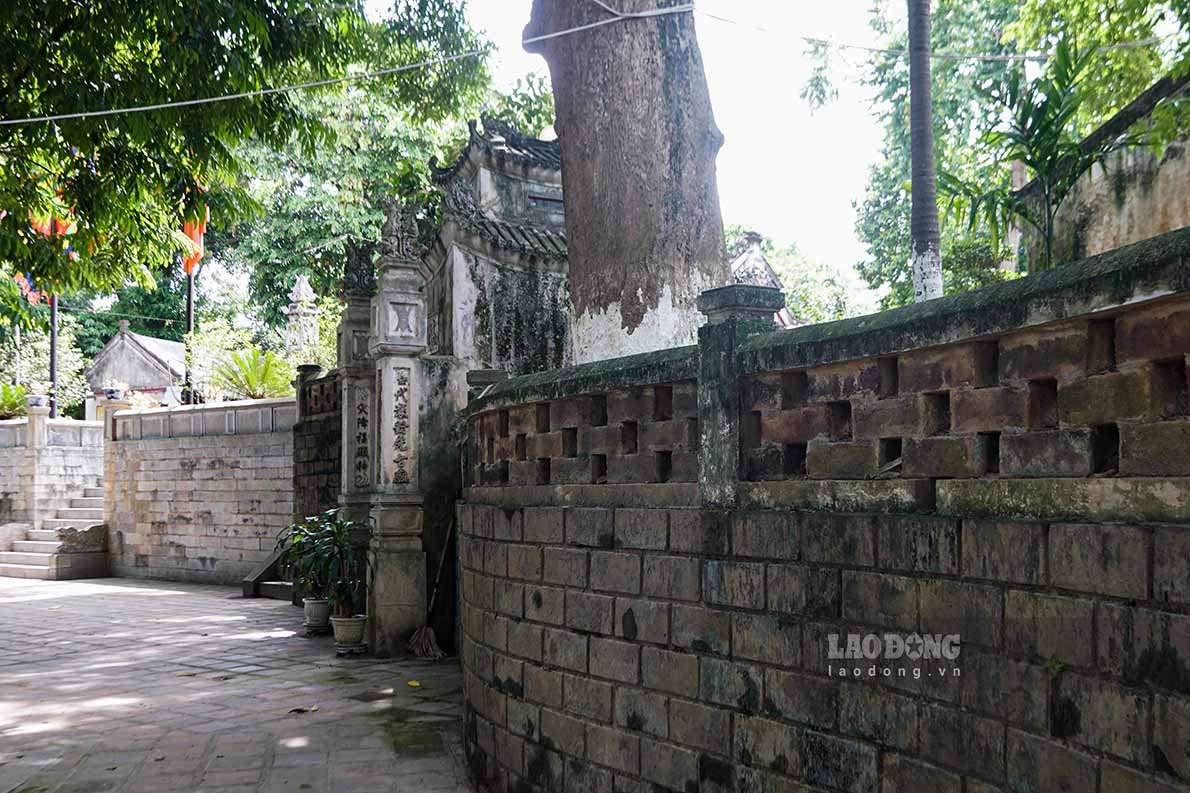
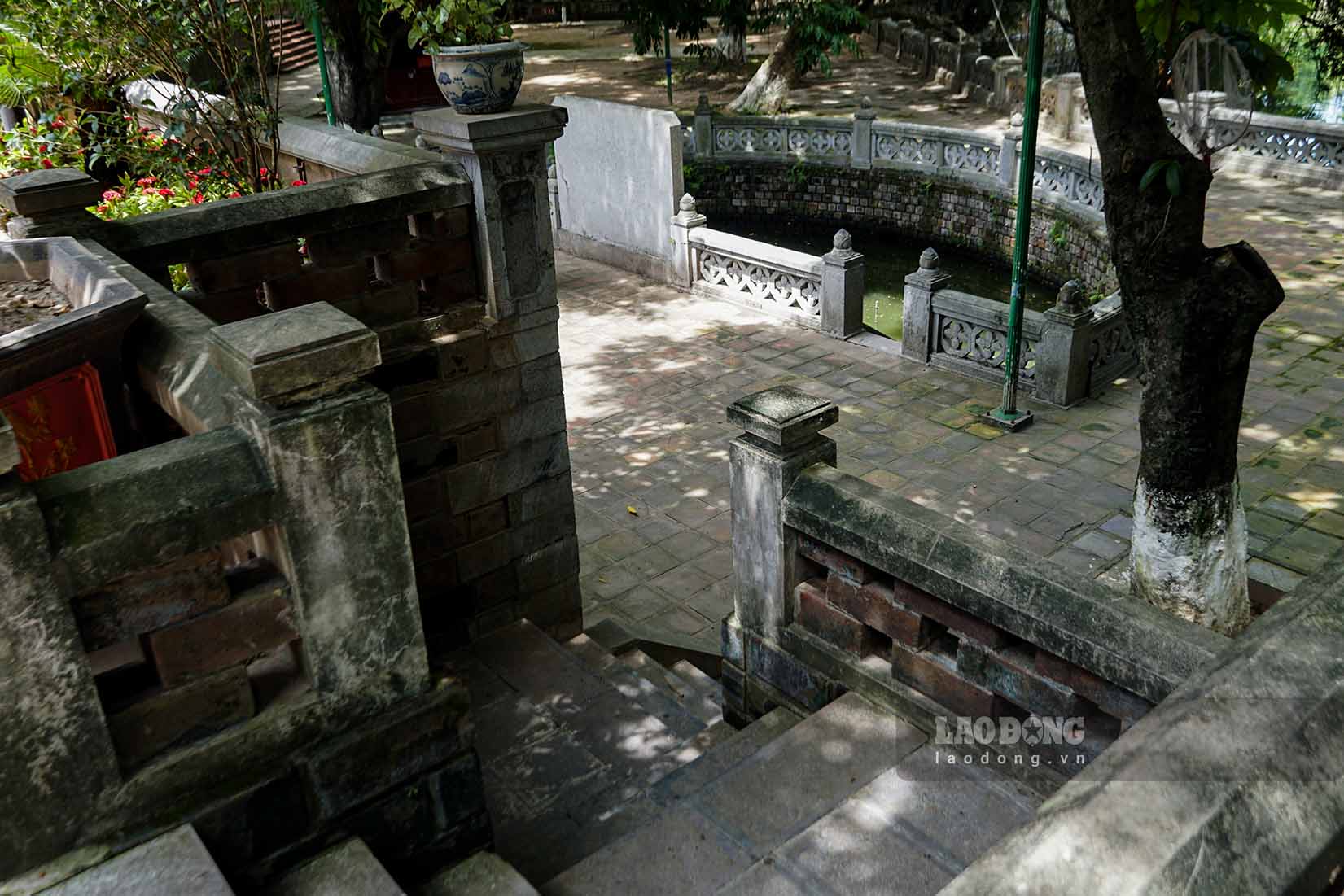
Voi Phuc Temple is located on Kim Ma street (Giang Vo ward), in Thu Le park area with spacious and airy space with many green trees, the temple has a solemn and contemplative beauty.
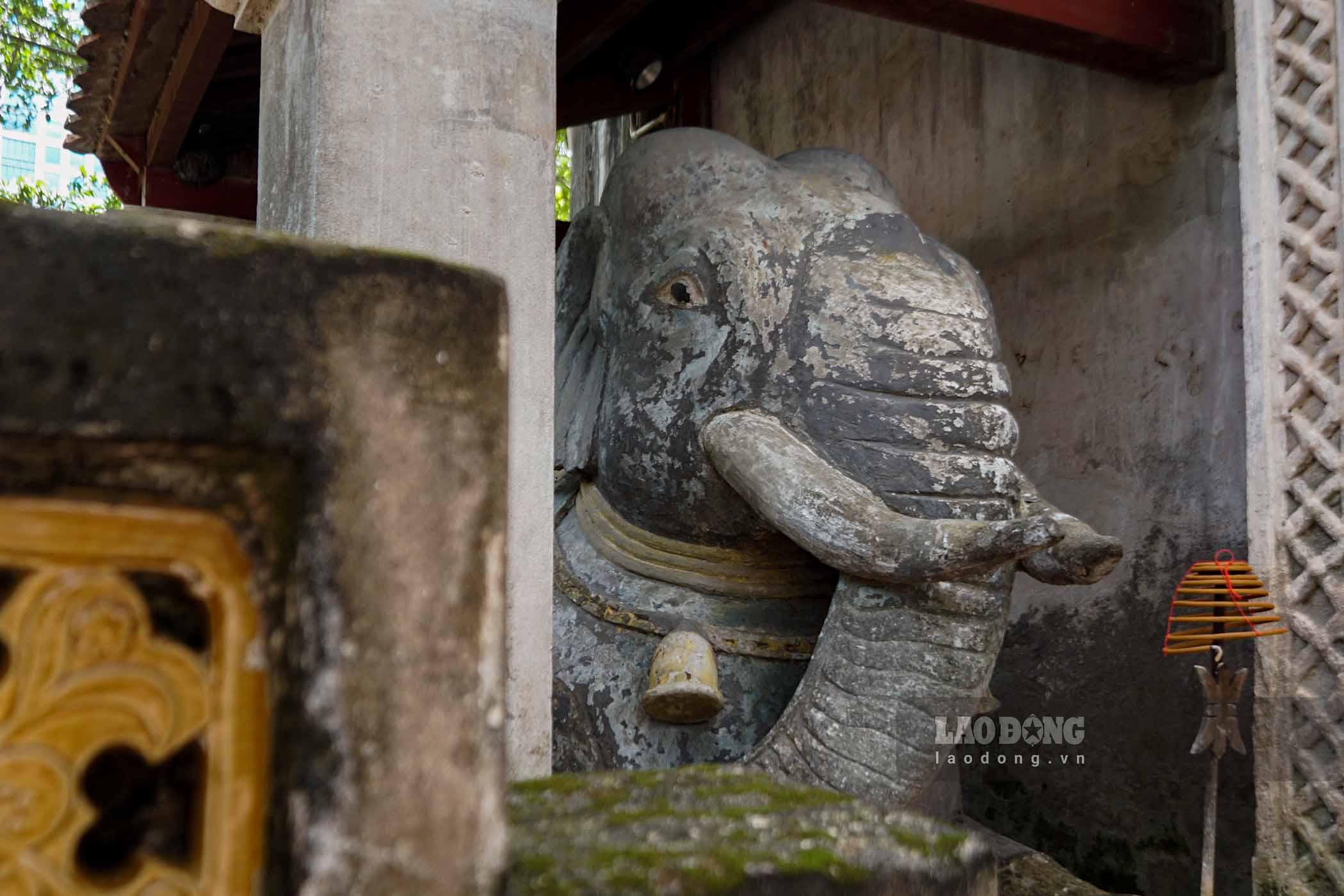
The temple worships Linh Lang Dai Vuong, a general who contributed to fighting the Song invaders during the Ly Dynasty. The temple was built during the Ly Thai Tong dynasty (1028-1054), with a majestic and contemplative beauty. Two elephant statues kneeling in front of the temple gate are typical symbols, expressing respect and the spirit of protecting the Western capital.
Kim Lien Temple: Sacred space in the South
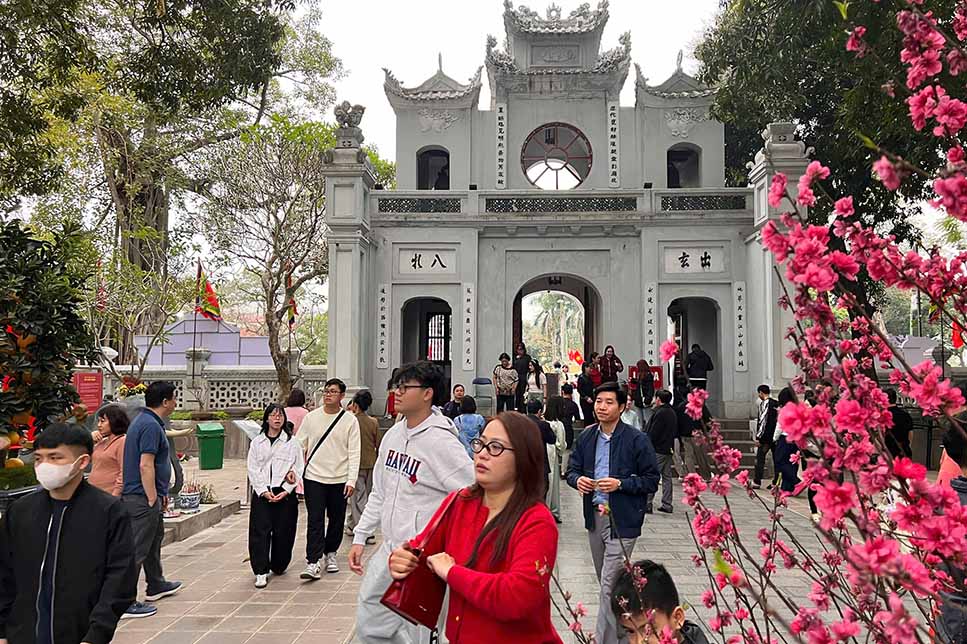
Kim Lien Temple worships Cao Son Dai Vuong, a god respected by the people and praying for protection. The temple stands out with its ancient architecture, system of steps and majestic three-entrance gates.
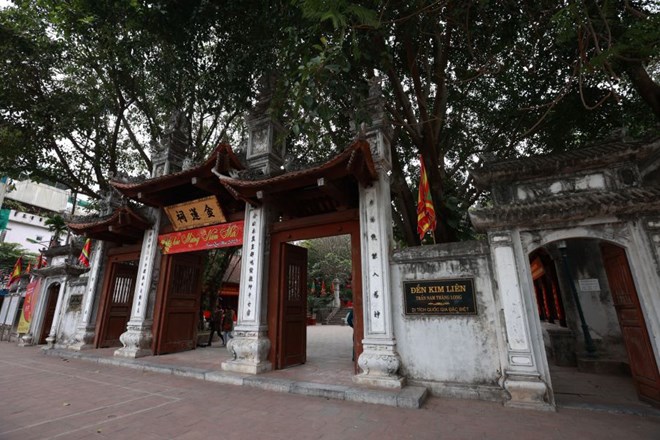
Inside, there are also many precious artifacts such as the 1510 stele and 39 royal decrees of the Le and Nguyen dynasties, showing the importance of feudal dynasties to the god guarding the south of the capital.
Quan Thanh Temple: Symbol of Bac Thang Long Governor
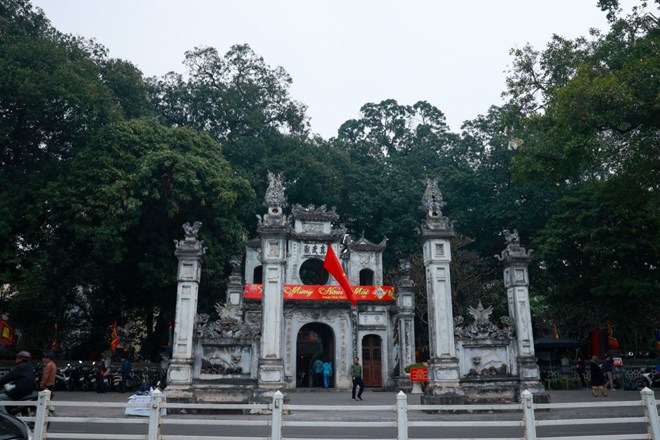
Located near West Lake and at the end of Thanh Nien street, Quan Thanh Temple worships Huyen Thien Tran Vu, who is said to have helped King An Duong Vuong when building Co Loa citadel. The temple was built in the Citadel from the Ly Dynasty (1160).
In 1474, when expanding the Imperial Citadel, King Le Thanh Tong moved the temple to its current location.
The temple space is spacious, with many ancient trees, creating a sacred and tranquil look. Inside, there are many precious artifacts such as bronze statues, bells, and gongs, carrying high artistic value.
Thang Long Tu Tran is not only a system of temples with religious elements, but also reflects feng shui thinking, protecting the capital of the ancients. Each temple is associated with a legend, a god and a separate layer of historical sediment.
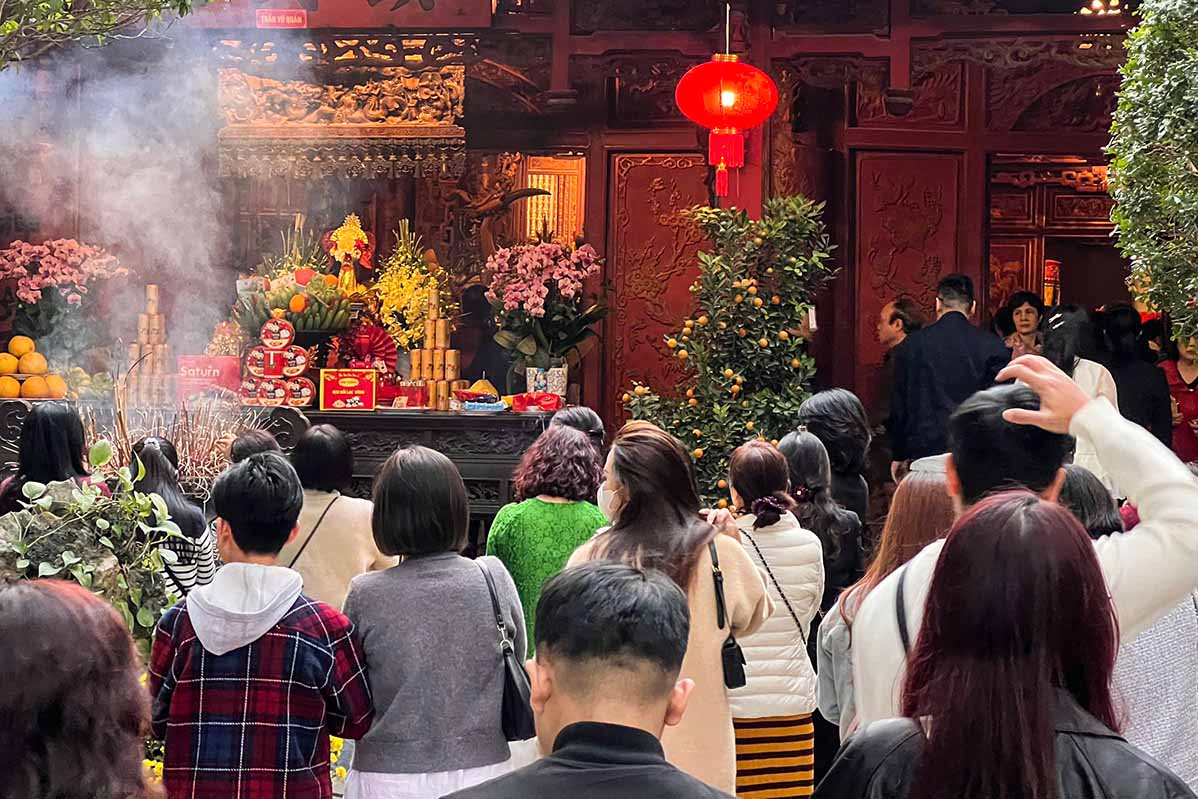
Today, these are still important spiritual destinations of Hanoi, attracting a large number of people and tourists to visit and worship, especially at the beginning of the year.


