
Seasonal transition and meaning of life
Bun Chol Chnam Thmay, also known as New Year's Day or age-appropriating ceremony, usually takes place from April 13 to 15 of the solar calendar, if it is a leap year it will last until April 16. According to the Khmer calendar, this is the Chetr or Pih Sak month - Khmer lunar calendar, which is the transition between the sunny and rainy seasons, when farming work has been completed.
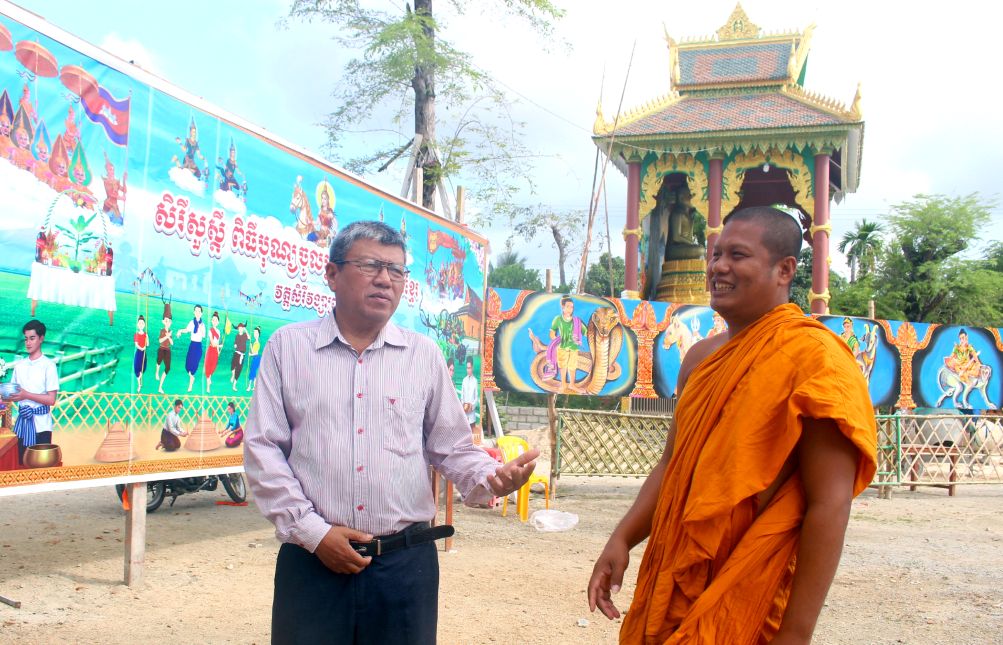
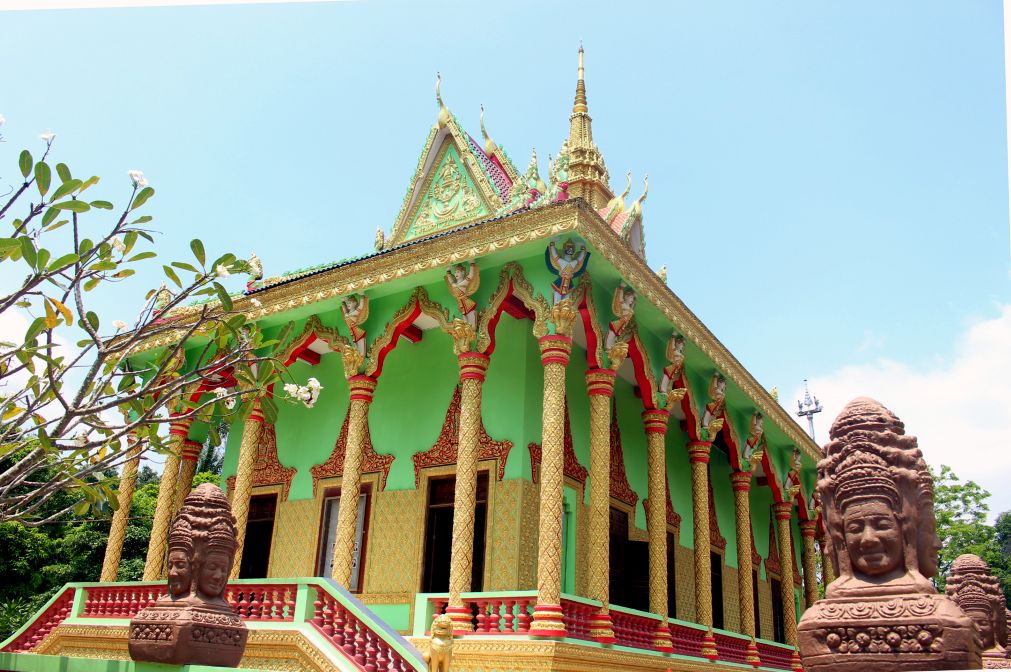
Therefore, Tet is imbued with the meaning of resting, regenerating labor and enjoying joy after a hard year. Before Tet, houses and pagodas are cleaned and decorated to welcome the celestial gods (Tê vah da) down to the earth to govern the new year.
Three days of Tet - three layers of cultural meaning
Chol Chnam Thmay Tet takes place in 3 days with typical rituals, reflecting the depth of belief and spiritual life of the Khmer people.
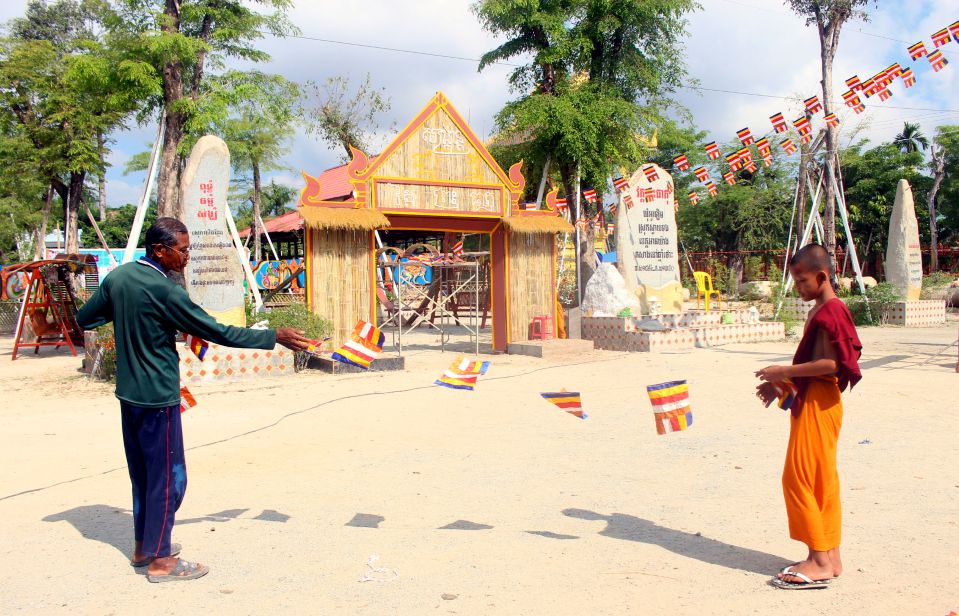
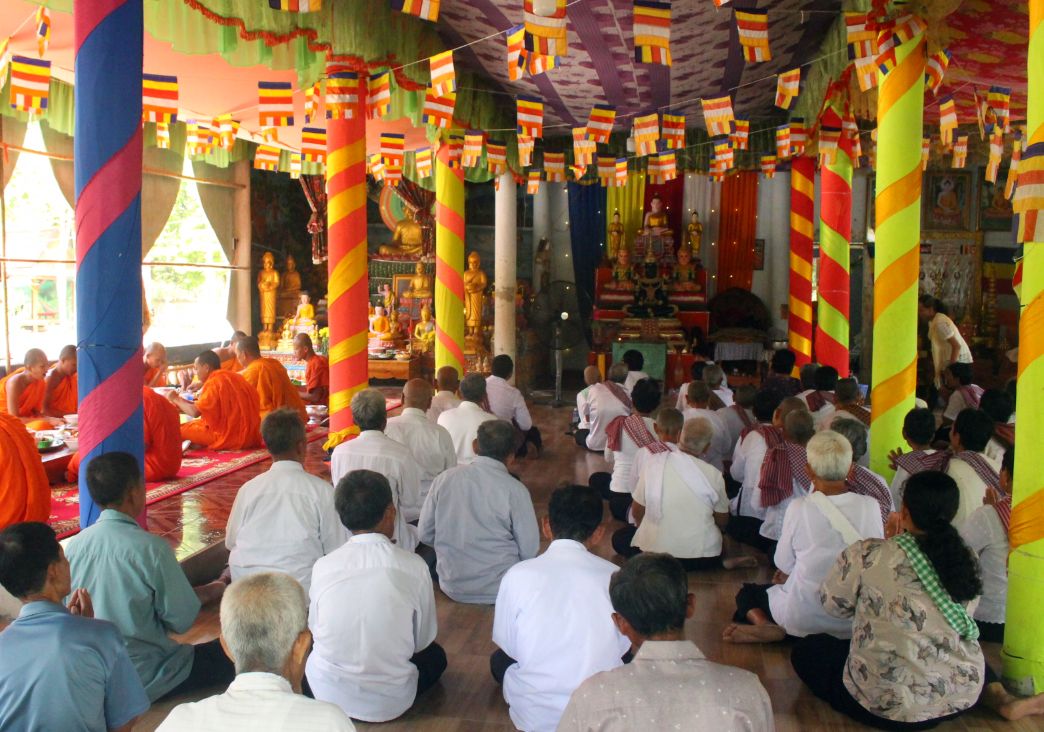
Day one (Thong Chol Mah ha Song kran Chnam Thmay): This is the day to welcome Mah ha Song kran (Great Calendar) into the new year. People perform the Great Calendar procession ritual around phum soc and 3 rounds of the main hall of the pagoda. According to the story "Thom Mah bal and Kbil Mah ha prum", it evokes the legend of the sage Thom Mah Bal and the four-faced god Mah ha Prum. After that, Buddhists enter the pagoda to worship Buddha and listen to sermons. At night, Buddhists listen to monks chant sutras and preach sermons, then go to the pagoda yard to perform arts and traditional dances.
Day two (Thngay Vênh bót or also known as Vah nah bot): This day is associated with rituals of doing good deeds. People offer rice (Chhan) to monks, along with offerings such as rice, money... to pray for blessings. In particular, the sand mountain building ritual (Pun phnom ksăch) is held in the afternoon. There is A cha (an intellectual, knowledgeable about Buddhist classics and local customs, with high prestige in phum sóc, playing a key role in religious rituals...) guiding Buddhists to build 8 small sand mountains symbolizing 8 directions of the universe and a large mountain in the center - Phnom Preah Sômer. The ritual has the meaning of accumulating virtue, praying for luck and blessings.
Day three (Thngay Long sắc): This is an important day, marking the end of the old year cycle and entering a complete new year, usually determined at noon (12 noon), when the sun is in the shadow. The main rituals include bathing Buddha, bathing high-ranking monks. After the ceremony, Buddhists invite monks to the stupas containing coffins, graves... to perform a requiem (Băng Sốh kôl) ceremony for the deceased.
After that, everyone disperses to go home, continue to perform a bathing ceremony for grandparents and parents - a ritual rich in humanity, expressing filial piety and family cohesion. Here, children and grandchildren ask grandparents and parents to forgive all mistakes and shortcomings in the old year and pray for good luck in the new year. At night, continue to worship the celestial spirits until late at night with the belief: the new year brings more success and happiness than the old year.
Cultural - religious festivals
Throughout the Tet days, Khmer villages and pagodas are always filled with joyful atmosphere. Folk cultural activities, traditional games, and singing and dancing take place continuously, creating a lively and unique festival picture.
On the last night of Tet, people continue to worship Tevah Da in their home yard, sending their belief in a peaceful new year, favorable weather, and bumper crops. Therefore, Chol Chnam Thmay Tet is not only a festival but also a unique cultural and religious symbol of the Khmer people. Through each ritual and activity, Tet contributes to consolidating the spirit of community solidarity, educating the morality of "drinking water, remembering the source" and preserving precious traditional values.
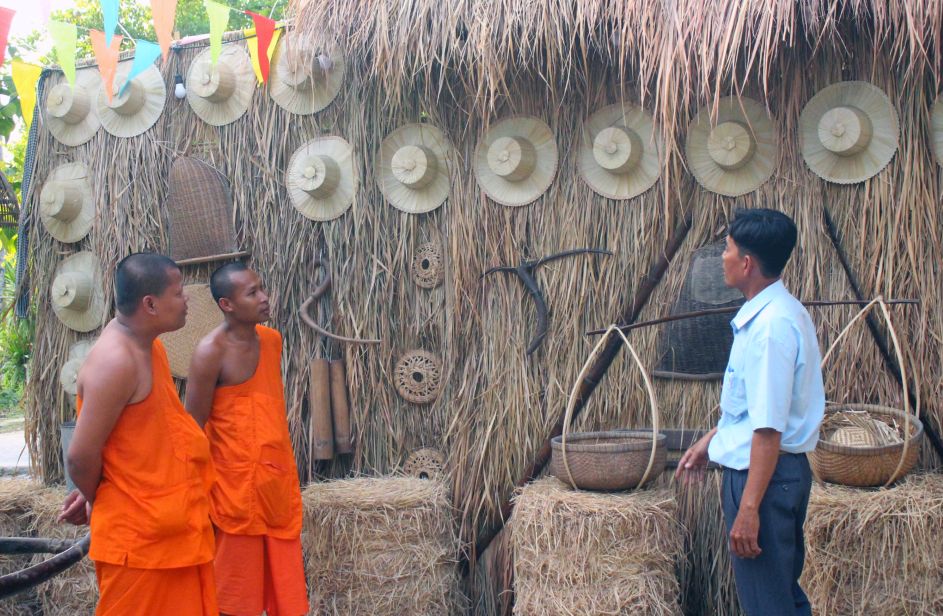
In the modern flow, preserving and promoting Chol Chnam Thmay Tet is not only meaningful for the Khmer people but also enriches the diverse cultural picture of Vietnam - where each festival is a story about origins, beliefs and aspirations to reach the future.


