
Located at 76 Hang Buom street (Hoan Kiem ward, Hanoi), Bach Ma Temple has long held a special position in the minds of the Capital's people as a sacred "Tran Dong" in the Thang Long Tu Tran system. Worshipping the god Long Do - the tutelary god protecting the capital, this special national relic not only carries unique architectural and historical values but is also a symbol of the depth of civilization of the land of flying dragons.
On March 30-31, 2026, Hoan Kiem Ward People's Committee will organize the Traditional Festival of the Special National Relic Bach Ma Temple in 2026, and at the same time implement synchronous solutions to preserve and promote the value of the historical and cultural relic system in the area in a sustainable and effective direction.
On the opening day of March 30, from 7:00 AM to 12:00 PM, the festival will recreate important traditional rituals such as reading wishes, drumming to open the festival and worshiping Nam Quan, combined with visiting activities, introducing exhibition content at the relic. In the afternoon and evening of the same day, people and visitors from all directions can enter the ceremony and enjoy special traditional art performances according to time frames from 2:00 PM to 7:30 PM.
The cultural journey continues on March 31 with the ritual of female officials offering incense in the morning and pilgrimage activities taking place throughout the day. After the afternoon art program, the festival will officially close with a solemn thanksgiving ceremony from 4:30 PM to 5:00 PM in a completely free open space serving the community.
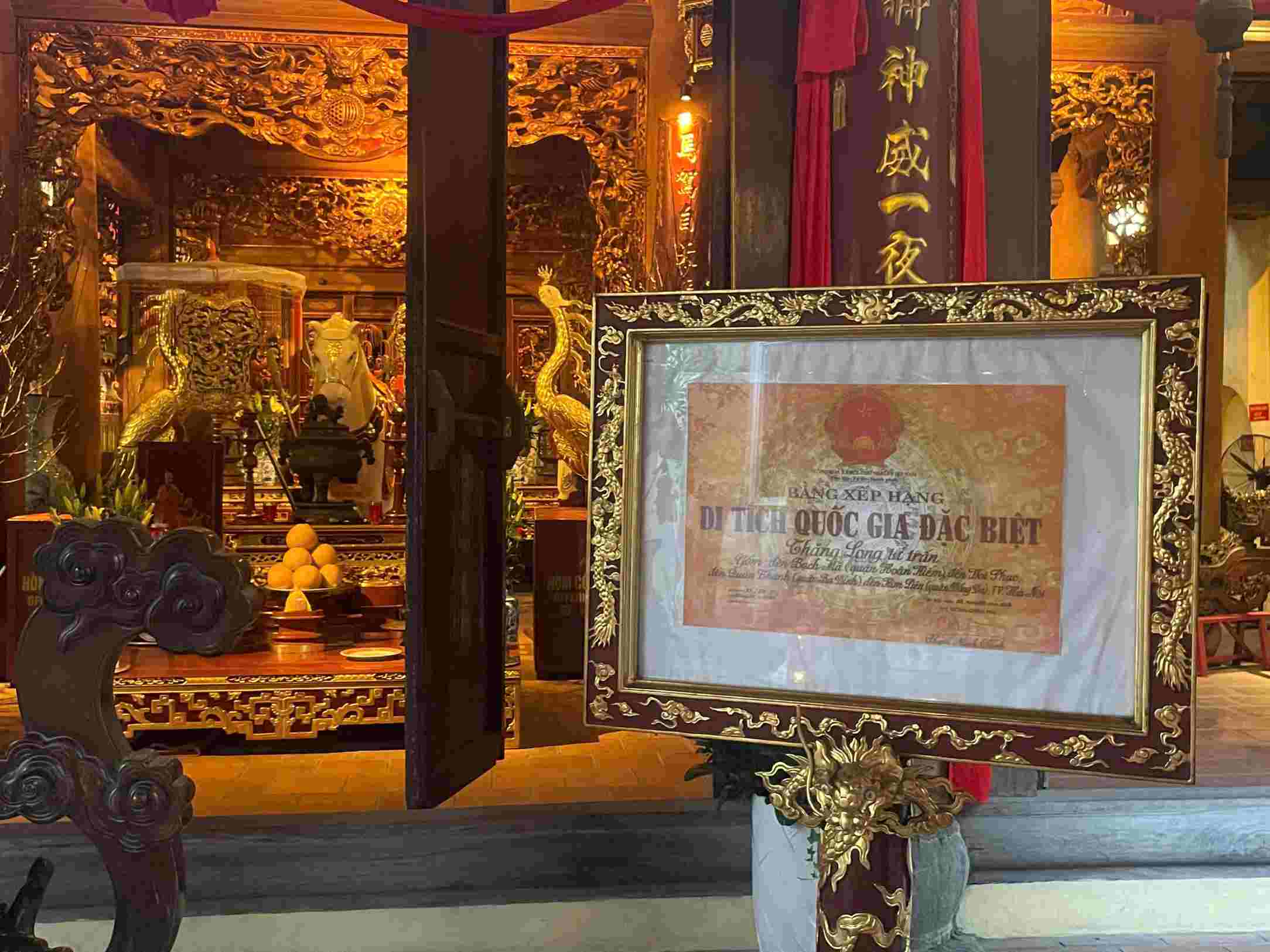
The organization of this year's festival has strategic significance in state management when the Hoan Kiem Ward People's Committee determined that relic preservation is a key task associated with tourism, service and cultural industry development. The outstanding new point is the strategy of connecting cultural space, making Bach Ma Temple an important "link" linking with Voi Phuc Temple, Kim Lien Temple and Quan Thanh Temple in the Tu Tran system.
This approach not only helps spread the historical value of Thang Long but also opens up directions for the formation of unique cultural tourism routes, making heritage an important resource for sustainable and methodical local socio-economic development in the new period.


