
1. Sashimi - a dish that emphasizes the freshness of ingredients
Sashimi is a typical Japanese dish, usually consisting of fresh fish or seafood that is pre-processed and sliced into bite-sized pieces. Salmon, tuna, snakehead fish, scallops or squid are commonly used ingredients.
Unlike many seafood dishes prepared by heat, sashimi focuses on preserving the original flavor and natural texture of the ingredients. Therefore, the quality and freshness of fish and seafood play an important role.
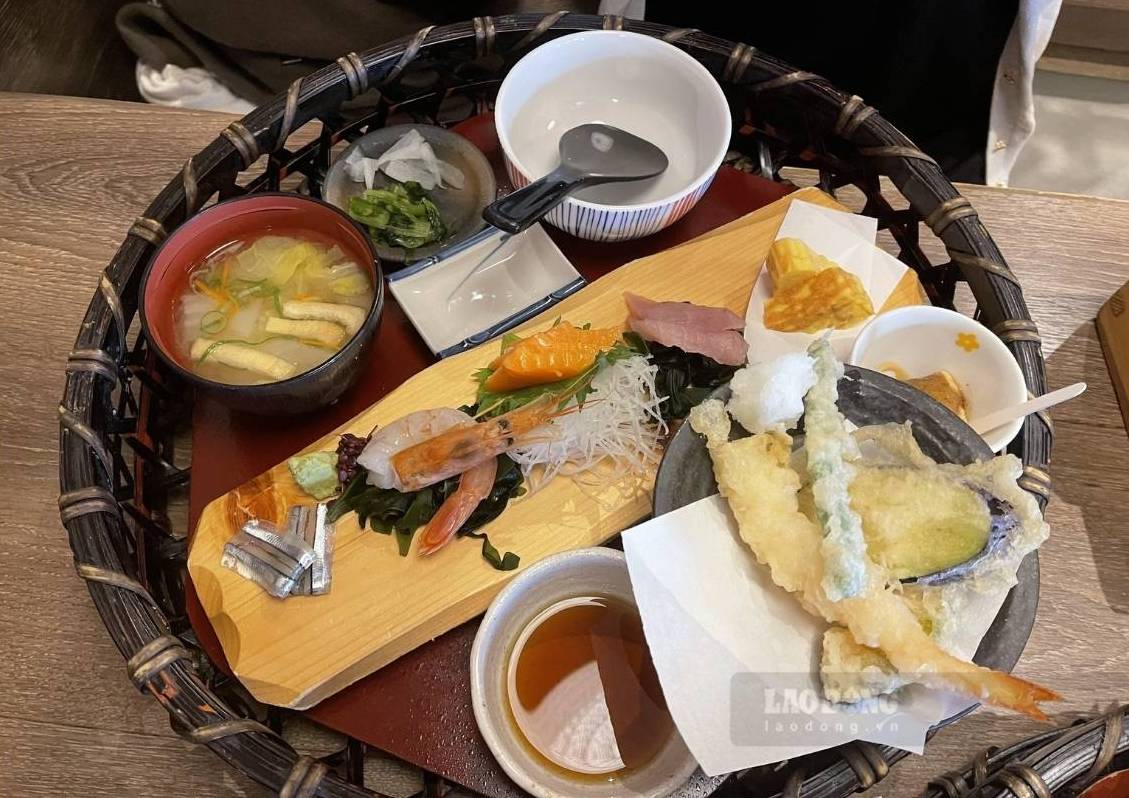
Sashimi is often served with soy sauce, wasabi and soaked ginger. Depending on the type of ingredients and serving method, the dish can be presented separately or combined with many types of seafood on the same plate.
2. Tempura - fried dish with a thin layer of flour
Tempura is a dish consisting of seafood or vegetables dipped in a mixture of flour and then quickly fried in hot oil.
One of the easily recognizable points of tempura is the relatively thin, light and crispy frying flour layer. Shrimp, squid, fish and vegetables such as pumpkin, eggplant, sweet potato are often used for processing.
Tempura is often used with a separate dipping sauce or a little salt, thereby retaining the natural flavor of the ingredients inside.
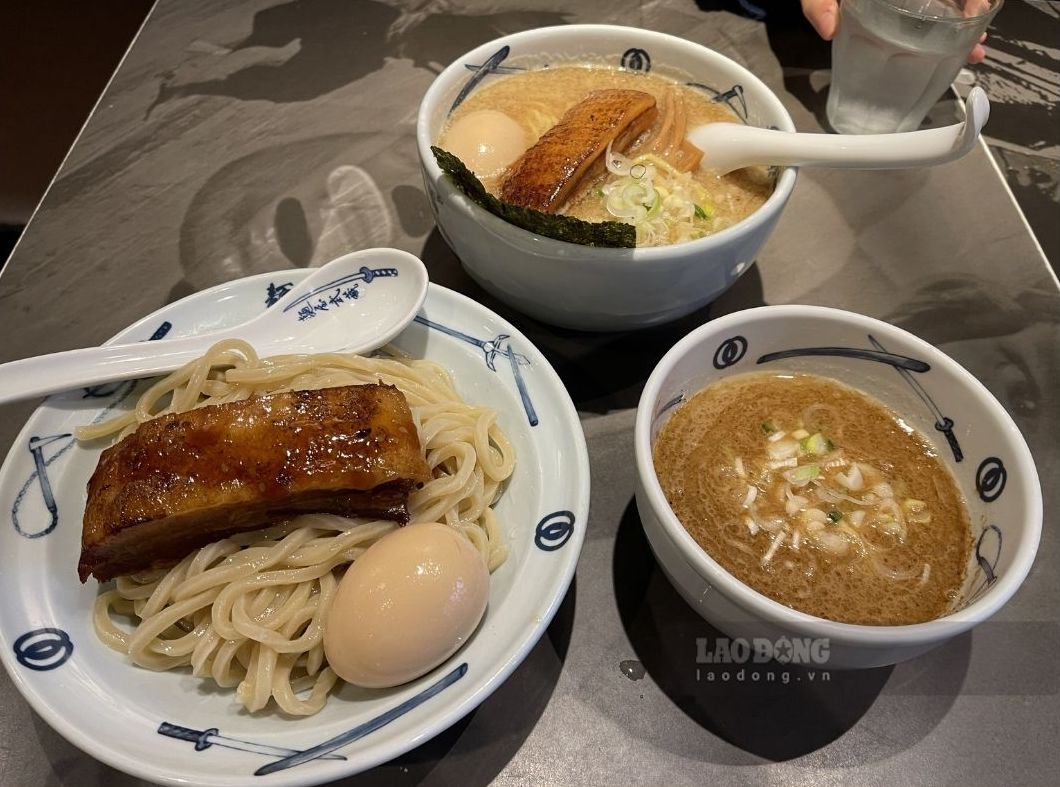
3. Tsukemen - Japanese-style dipping noodles
Tsukemen is a variation of ramen, in which the noodles and broth are served separately instead of being put together in a bowl. The noodles are usually thick and chewy, maintaining firmness when eaten.
The broth is cooked with a rich flavor, often combined with meat, fish, soy sauce or miso with ingredients such as chashu, boiled eggs, seaweed and scallions. The eater picks up the noodles and dips them in the broth before enjoying.
The difference of tsukemen lies in the way it is eaten and the contrast between the chewy noodles and the rich broth. The dish has many variations depending on the cooking method of each restaurant and region.
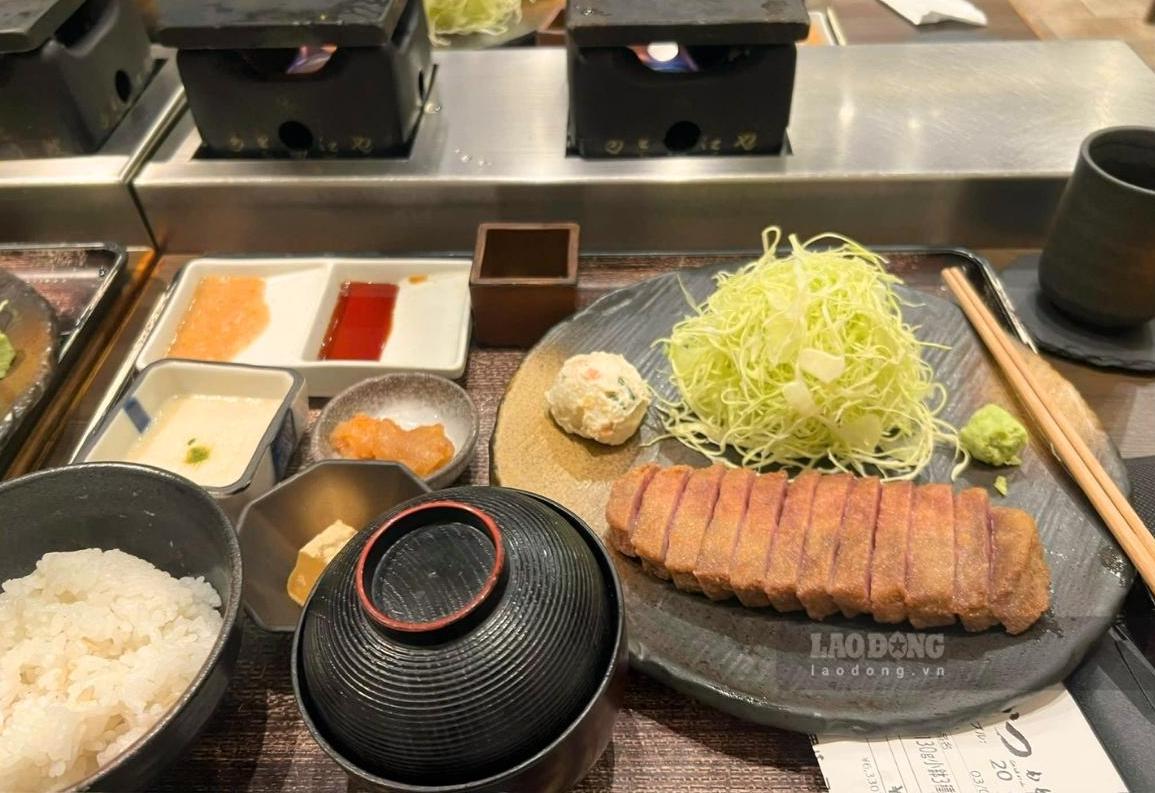
4. Gyukatsu - crispy beef fried on hot stones
Gyukatsu is a crispy breaded beef dish, usually sliced before serving. The meat inside is kept medium-rare or medium-cooked, then diners can place it on a hot stone slab to continue grilling.
The dish is often served with white rice, shredded cabbage, wasabi and various dipping sauces. This way of enjoying helps diners adjust the ripeness of the meat according to their preferences.
5. Sweet dishes from matcha, a typical Japanese aftertaste
If you have tried typical Japanese savory dishes, you can change the taste with matcha desserts. Green tea powder is used to create color and flavor for many dishes such as ice cream, pastries, mochi or tiramisu.
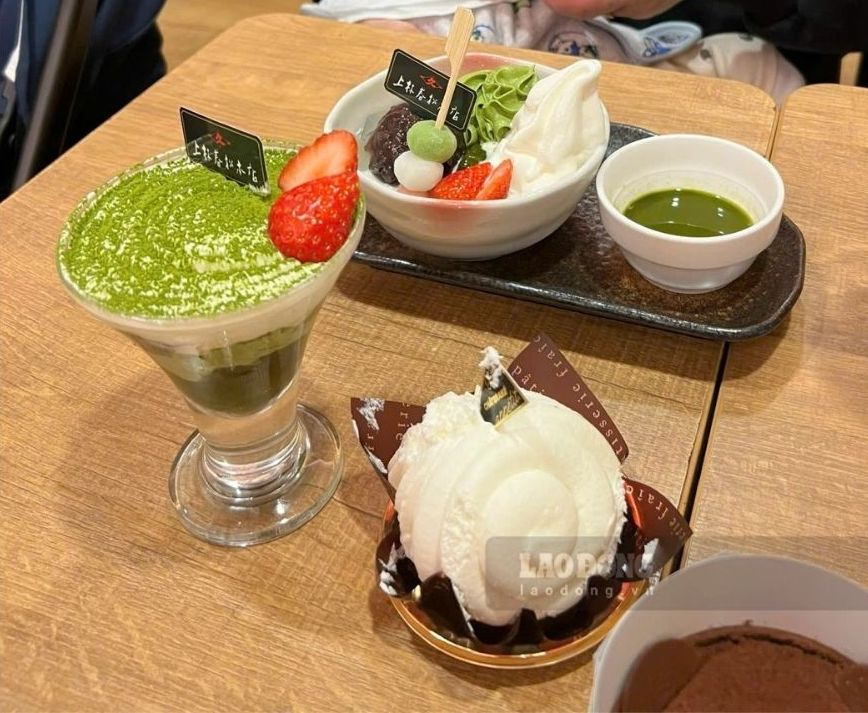
Matcha has a characteristic tea flavor, slightly bitter and light aftertaste, often combined with milk, cream or red beans to create balance. This is also one of the familiar ingredients in Japanese desserts today.


