
Ancient flavor of Bat Trang feast
About 20km from the center of Hanoi, Bat Trang ancient pottery village (Gia Lam commune) is not only famous for its traditional pottery craft but is also known as a place to preserve the quintessence of traditional cuisine. In recent years, more and more diners have come to local restaurants and eateries to enjoy the traditional dish of Bat Trang.
The traditional dish tray of Bat Trang is elaborately prepared, following strict regulations from ancient times. According to culinary artist Pham Thi Hoa, the ancient tray is often presented in a "pleat bowl", including 8 bowls of 8 dishes, 6 bowls of 8 dishes for well-off families, or 4 bowls of 4 dishes for middle-class and affordable families. The ancients believed that the number 6 and 8 symbolized prosperity and fortune, while the number 4 represented four seasons, four sides, and hoped for a full and favorable new year.
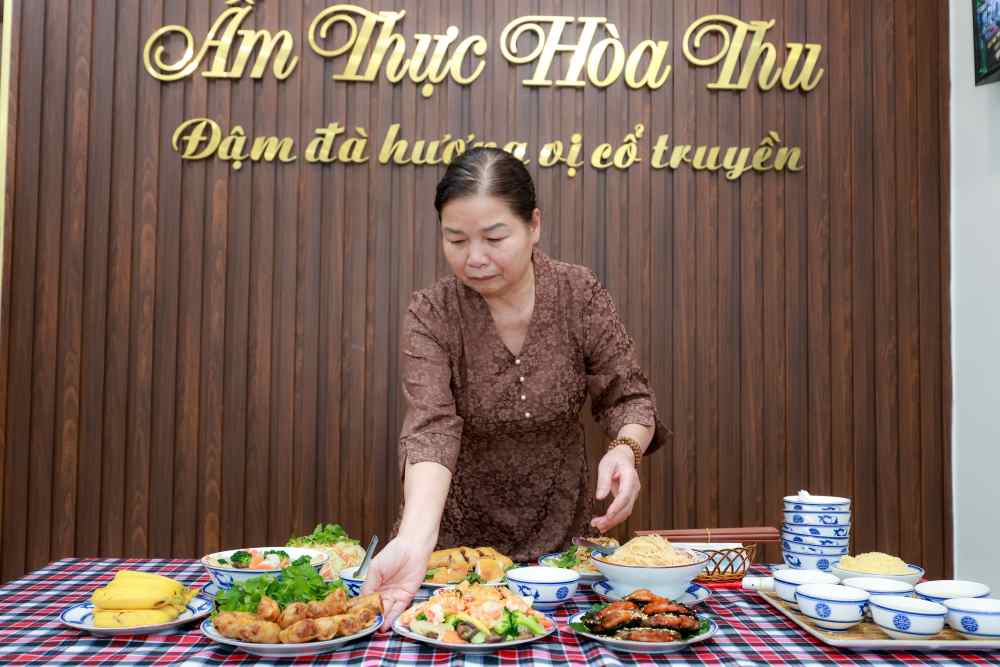
Born and raised in Bat Trang, since childhood, Mrs. Hoa has been familiar with the family kitchen, where traditional dishes are prepared for important holidays and Tet. Over time, her observation, learning and passion for cuisine have helped her gradually master the secrets of ancient cooking. For her, each meal is not simply a meal but a crystallization of the lifestyle, customs and culture of the craft village.
Traditional Ban Trang dish trays have many familiar dishes such as boiled chicken, stir-fried squid, cross-fried shrimp, peanuts, squid soup... In particular, stir-fried squid soup and squid soup are considered the "soul" of the dish tray, creating a very unique flavor that is hard to find anywhere else.
"To have these two dishes, the choice of ingredients is a top priority. Dried bamboo shoots must be yellow, thick bamboo shoots, often taken from Yen Bai; the squid is chosen from the coastal area of Thanh Hoa to ensure sweetness, moderate toughness and aroma, the artisan shared.
After cleaning, the squid is distilled with ginger alcohol, lightly dried, crushed and then stripped into small strands before being stir-fried. Dried bamboo shoots are soaked, boiled many times, seasoned and stir-fried to retain their natural softness and sweetness.
The broth for squid soup is also simmered from chicken broth, combined with pork bones, shrimp and mushrooms, creating a sweet, clear and rich flavor. The finished product is a bowl of soup with a golden color, small bamboo shoots, soft, blending with the sweetness of squid, enough to remind the ancient Tet flavor in every Northern family.
Artisan Pham Thi Hoa opened a culinary business since the end of 2017, with the aim of bringing Bat Trang tray closer to domestic and foreign diners. Currently, Bat Trang village has about 3-4 artisans famous for their traditional cooking profession, all of whom inherit the sophistication and ingenuity of the family's many generations.
The artist said: "Every week, our restaurant welcomes dozens of foreign groups and individual customers to enjoy the traditional dishes of Bat Trang. Tourists enjoy experiencing local cuisine, watching the chefs prepare the dish themselves or listening to stories about the dish.
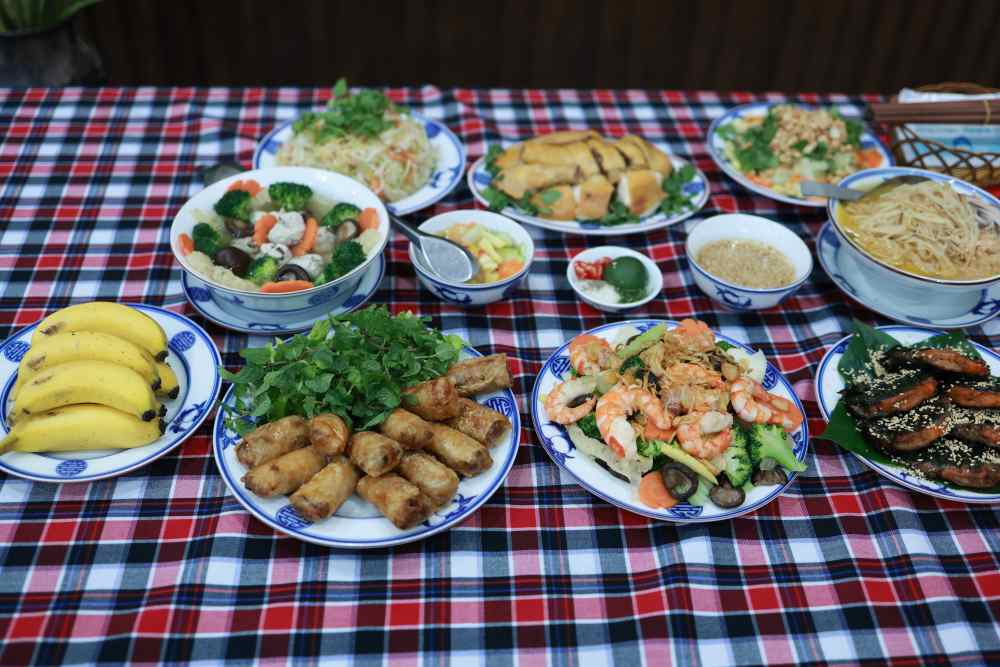
The artist shared that in the past, tourists coming to Bat Trang were mainly because of the pottery village. But in recent years, many tourists have not only considered Bat Trang cuisine as a meal on the journey, but also one of the main reasons to visit this destination.
On the days before Tet, the demand for placing gifts increases. Many people are willing to travel long distances to return to Bat Trang to enjoy and experience traditional flavors. For artisans here, preserving ancient trays is not only a way to live, but also a way to preserve cultural memories, so that the traditional Tet flavor of Bat Trang continues to be passed down to future generations.
When cuisine guides
Cuisine is increasingly playing a key role in making an impression and attracting tourists. Not only stopping at enjoying dishes, many tourism products today aim to fully experience the space of Vietnamese cuisine, from accommodation models that allow visitors to enter the kitchen, prepare traditional dishes by hand, to tours to explore local markets, learn about ingredients and culinary habits of local people.
From the perspective of the management agency, Ms. Le Thi Anh Mai - Deputy Director of the Hanoi Department of Culture and Sports said that from Hanoi with 36 streets to a Hanoi with expanded administrative boundaries with the crystallization of Doai culture in general and Hanoi cuisine in particular has become rich and diverse.
Since 2014, the City has organized an inventory of intangible cultural heritages, in which hundreds of culinary heritages have been identified and included in the City's list.
recording intangible cultural heritage in the National List is not only to honor heritage values but also a solution to effectively protect, promote and turn heritage into assets and resources for sustainable development of the cultural industry, contributing to improving local economic life, said Ms. Le Thi Anh Mai.
According to the Hanoi Department of Culture and Sports, up to now, Hanoi has 7 culinary heritages that have been listed in the National Intangible Cultural Heritage List, including: Hanoi pho; Me Tri green rice making (Tu Liem ward); Quang An lotus tea making (Tay Ho ward); Phu Thuong sticky rice making (Phu Thuong ward); Thanh Tri rolling cake making (Vinh Hung ward); knowledge of cooking Bat Trang dishes ( Bat Trang commune).
Assessing the potential of culinary heritage in the development of the cultural industry, Associate Professor, Dr. Dang Van Bai - Vice Chairman of the National Cultural Heritage Council, said that 81% of tourists are willing to spend money to enjoy the culinary culture of the destination.
That shows that cuisine is not only a cultural resource but also a unique tourism product, contributing significantly to promoting the development of Hanoi's cultural industry, as well as creating national cultural identity.
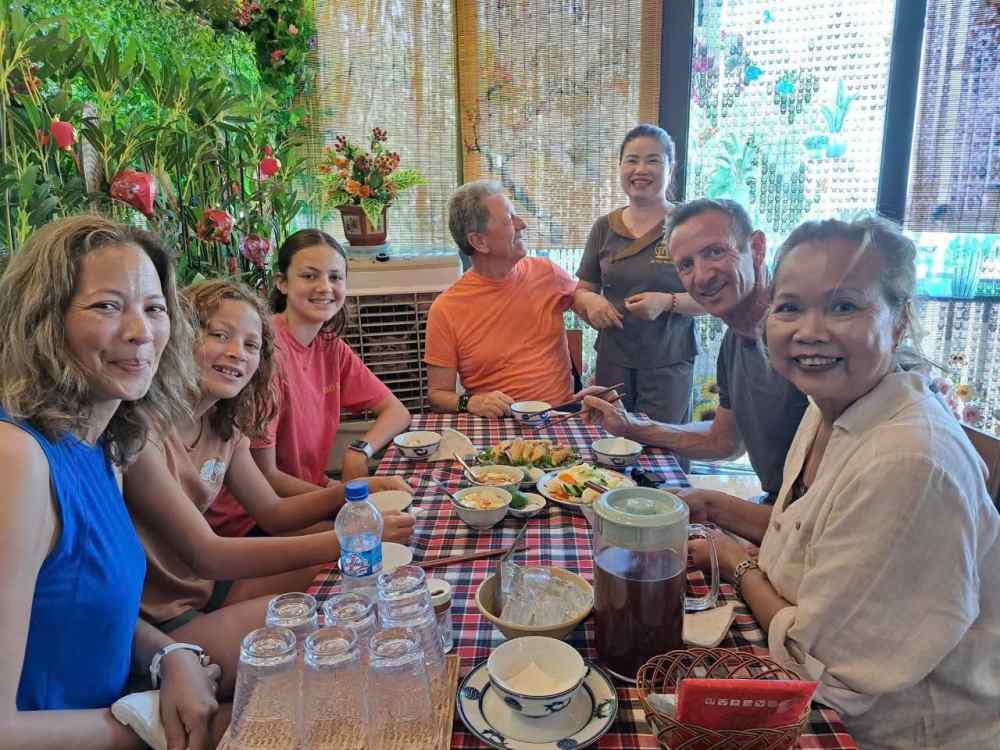
From market experience, Mr. Bui Thanh Tu - Marketing Director of BestPrice Travel Company said that international visitors are currently particularly interested in the tourism trend of "deep local experience". Accordingly, tourists do not stop at visiting attractions but want to learn about local cultural life through street food, cooking classes, visiting craft villages or trekking in villages.
Mr. Tu commented: "The trend of traveling to explore local cuisine has been developing strongly in the past 2 years. Many foreign tourists come to Vietnam mainly for food. Street food, cooking classes, cultural workshops... help visitors 'tact' Vietnamese identity naturally and vividly.
Grasping this trend, travel businesses often design tours that combine culture - cuisine and local experiences, meeting the needs of international markets such as the US, Singapore and groups of tourists who love to explore local life. In addition to package tours, more and more international tourists are choosing to go to villages and community tourism destinations in Vietnam to explore indigenous culture and cuisine.
When each dish becomes a cultural slice, telling the story of the land, people and lifestyle, culinary tourism is opening up great development space. This is considered one of the important driving forces contributing to improving competitiveness, creating unique identity and increasing attraction for Vietnam tourism in the coming time.


