Special dishes that make up the uniqueness of Hanoi cuisine
Bun cha has long become a familiar part of Hanoi's culinary life. Not only is it a rustic dish associated with daily life, bun cha is also considered a distinctive flavor for Hanoi people to invite friends, relatives or entertain tourists from afar. It is this simplicity but richness that has made this dish mentioned many times by international tourists when talking about Vietnamese cuisine.
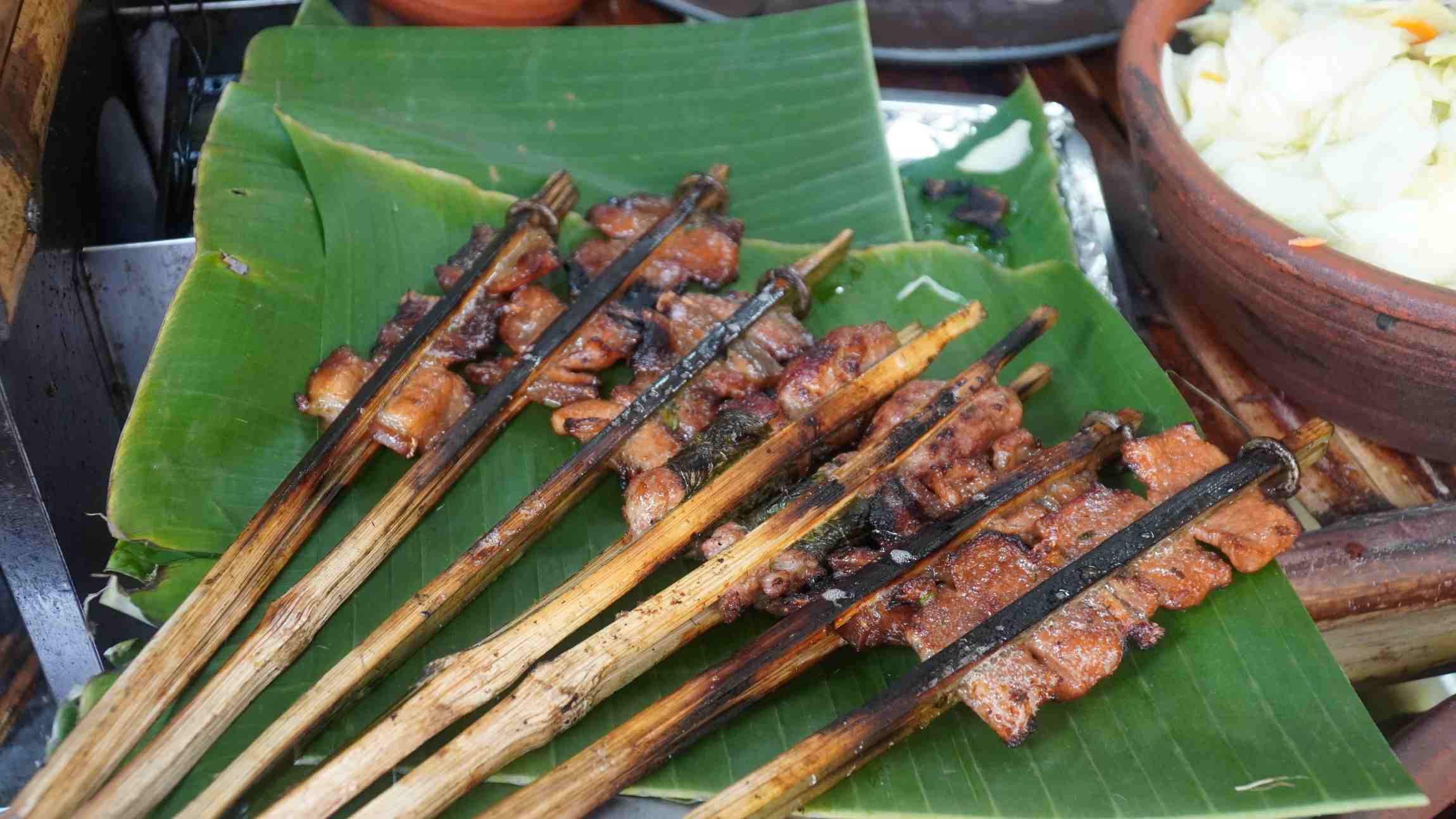
Among the countless variations of bun cha, bun cha sandwiched with bamboo sticks is considered the flavor that clearly evokes old Hanoi. Instead of grilling with ordinary iron grills, the meat is sandwiched with fresh bamboo sticks, helping the dish faintly smell the very unique aroma of bamboo grilled on charcoal, imbued with the rustic features of the Northern countryside.
Today, it is not difficult to see bun cha restaurants throughout Hanoi, from bustling central streets to small alleys along the suburbs. However, restaurants that still retain the traditional bamboo stick grilling method are becoming increasingly rare, making this dish a culinary experience sought after by many diners.
Pursuing a passion for preserving traditional flavors
Hidden among the old houses in the Old Quarter, the bamboo stick bun cha restaurant at 33 Hang Giay is one of the few addresses that still maintains the method of clamping meat with bamboo sticks when grilling. According to Ms. Ngoc Huyen - the restaurant owner, the secret to maintaining the characteristic flavor lies in the fresh bamboo sticks used every day.
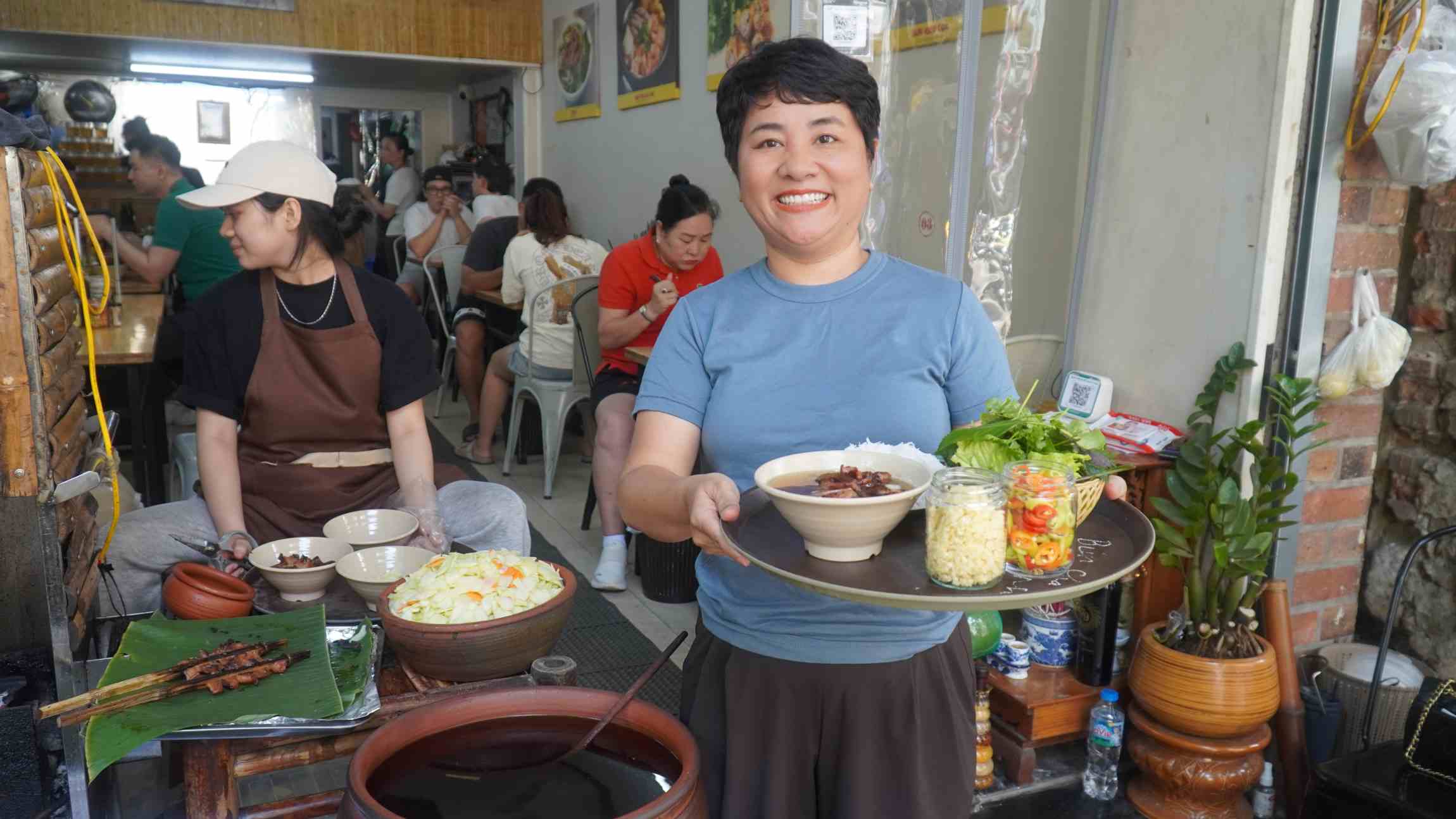
To maintain the delicious taste, my bamboo sticks must always be new and fresh. When fresh bamboo releases essential oils during grilling, the meat will be softer and more fragrant. That is what my family has decided not to change for many years, although this method makes each serving sold not profitable much," Ms. Huyen shared.
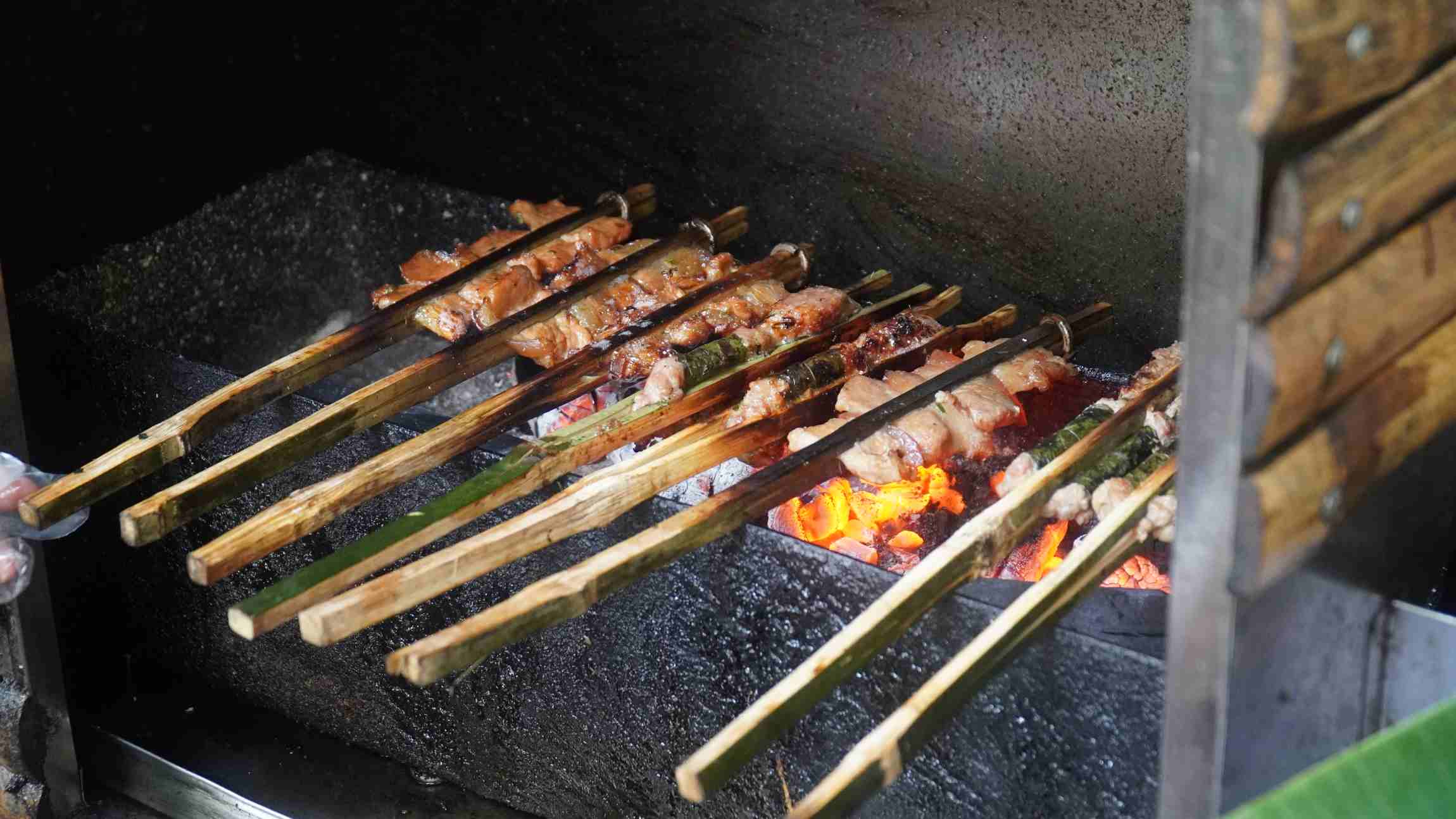
The bamboo sticks used to clamp the meat are usually young bamboo, giang bamboo or fresh bamboo, carefully selected and brought directly from Tam Dao to Hanoi. The meat is clamp between two flat bamboo sticks, tied with bamboo strings and then grilled on a red-hot charcoal stove.
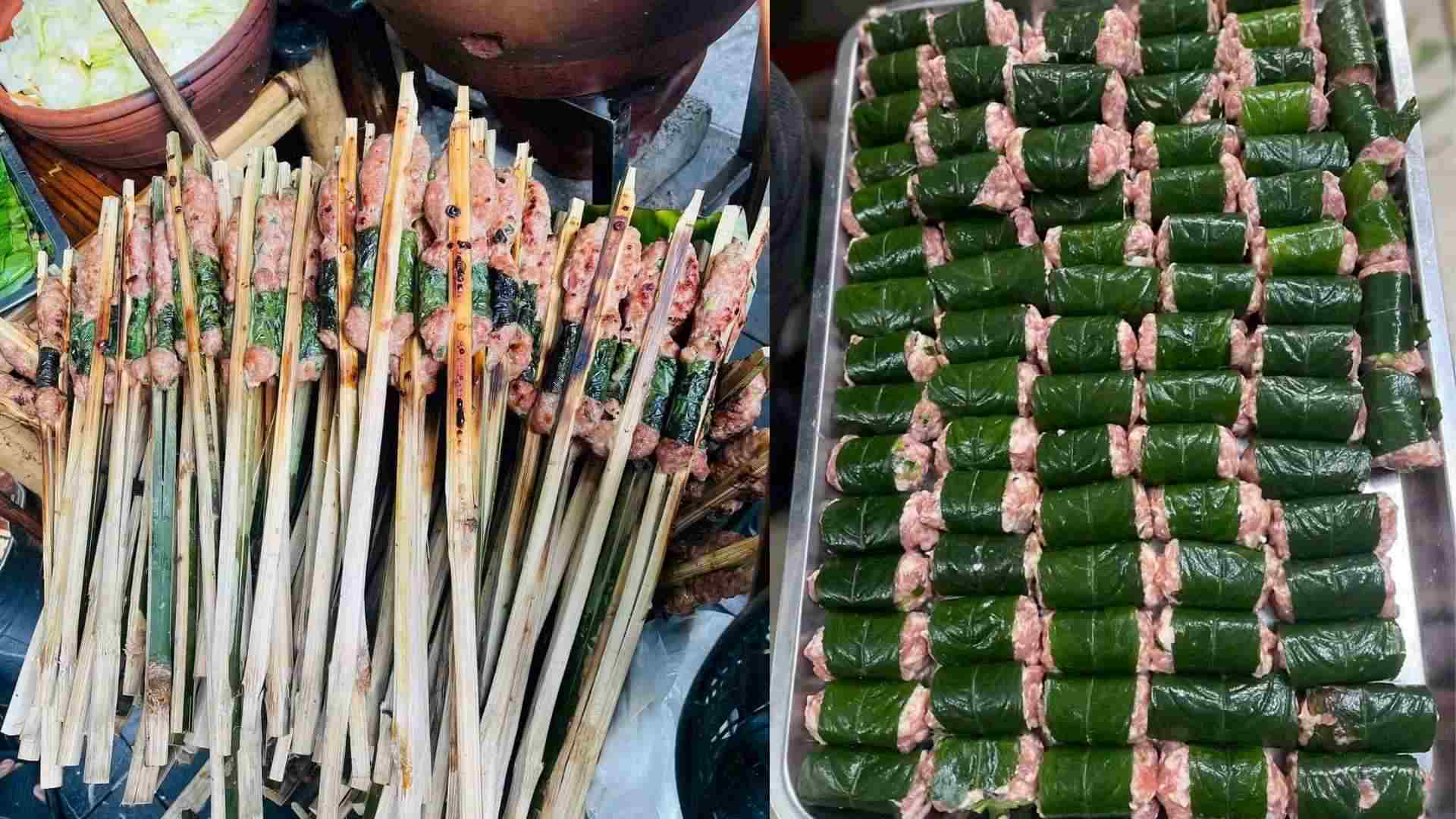
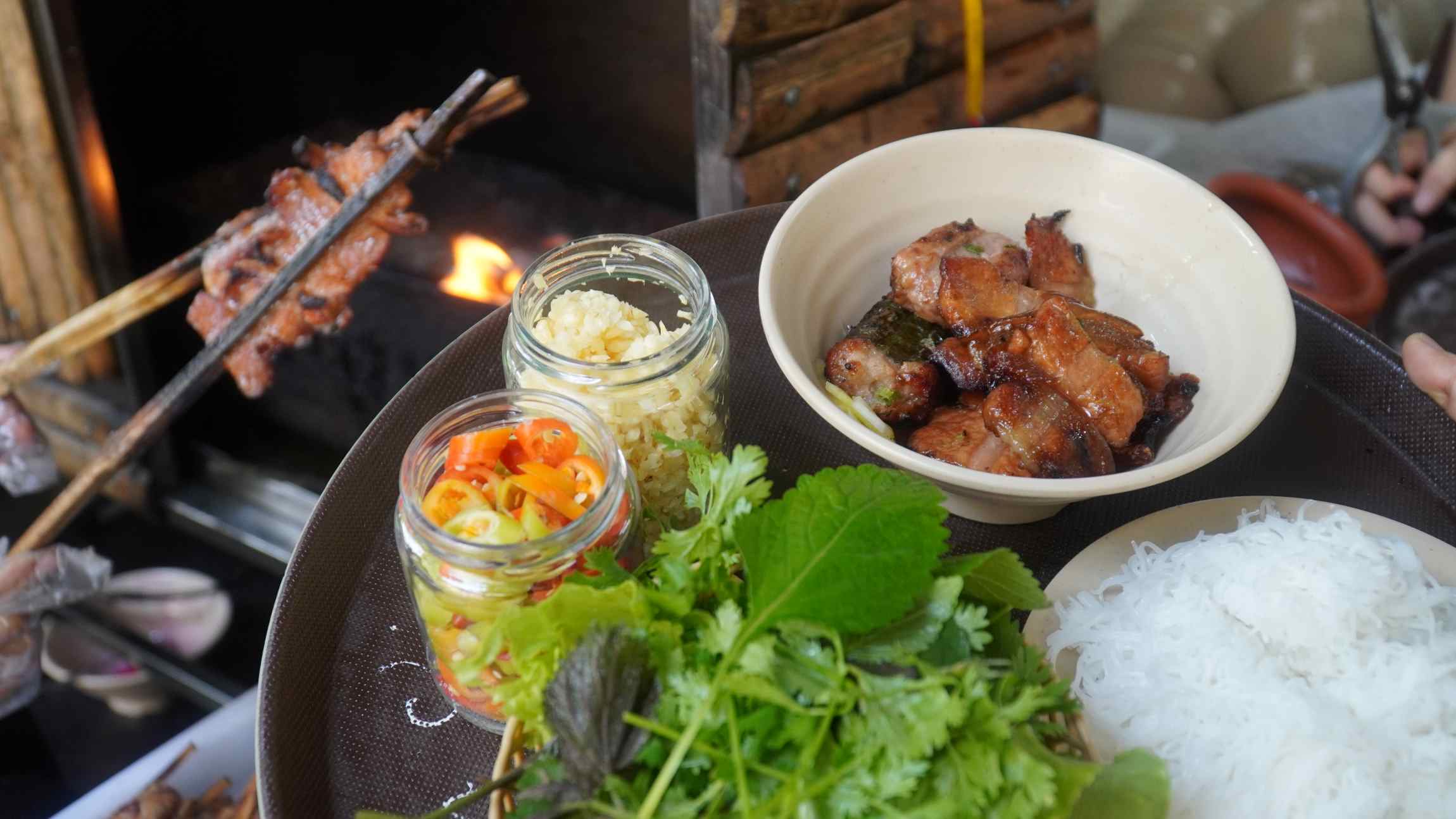
A serving of bun cha que tre costs 60,000 VND, including two familiar types of cha: cha miếng and cha băm. Cho băm is wrapped in xuong song leaves, creating a distinctive aroma and a rich and unmistakable taste.
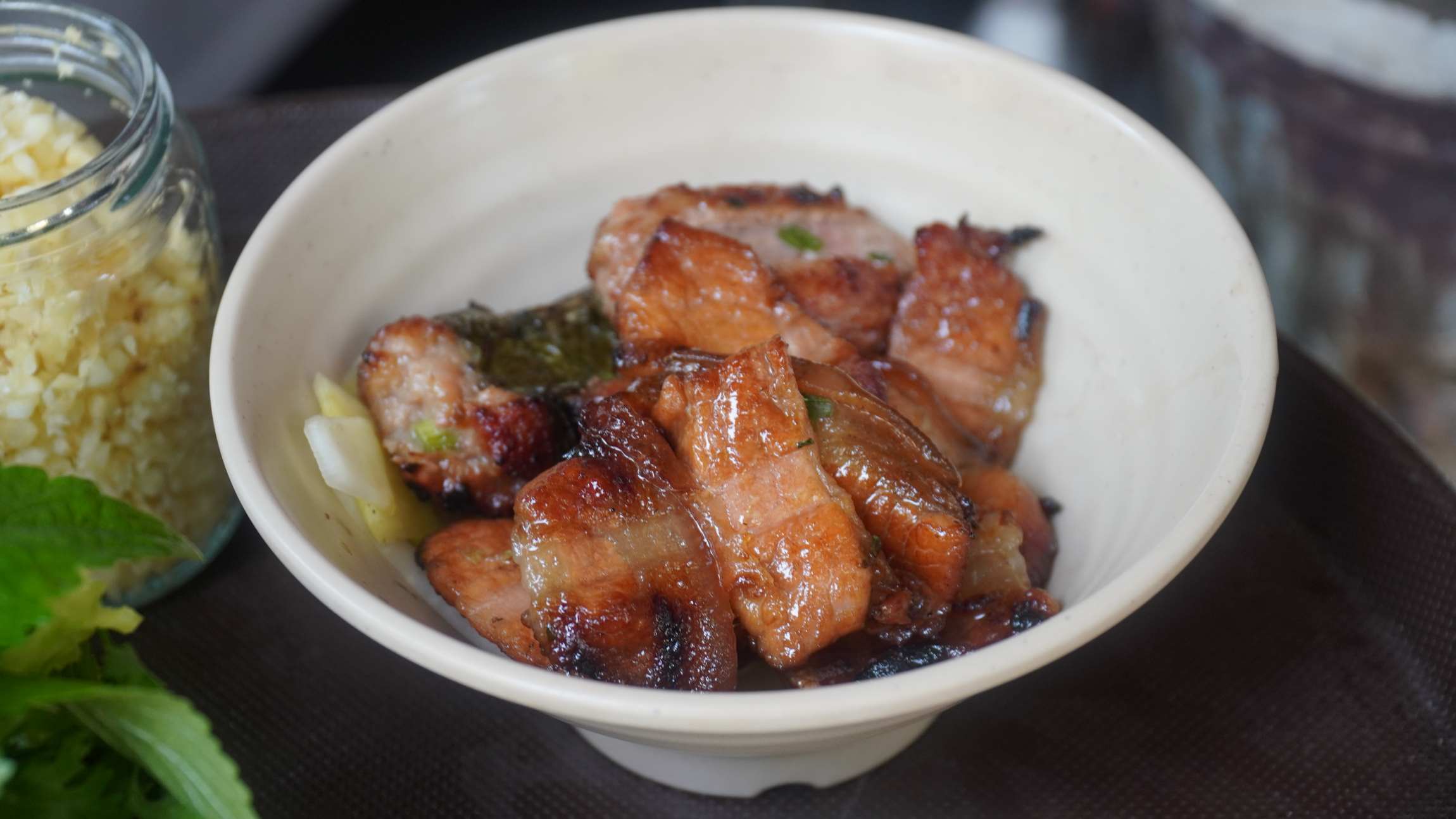
Meanwhile, chả miếng consists of two pieces of meat grilled golden brown on charcoal, emitting an attractive aroma. In addition to the main dish, many diners also order fermented crab spring rolls or fermented pork rolls to eat with at a price of 25,000 VND per serving.
The cook must also be very skillful to keep the fire just enough, constantly changing hands to make the meat reach a golden brown on the outside but still tender on the inside. When cooked, the meat not only smells of charcoal but also faintly smells of bamboo, creating an unforgettable attraction for the dish.
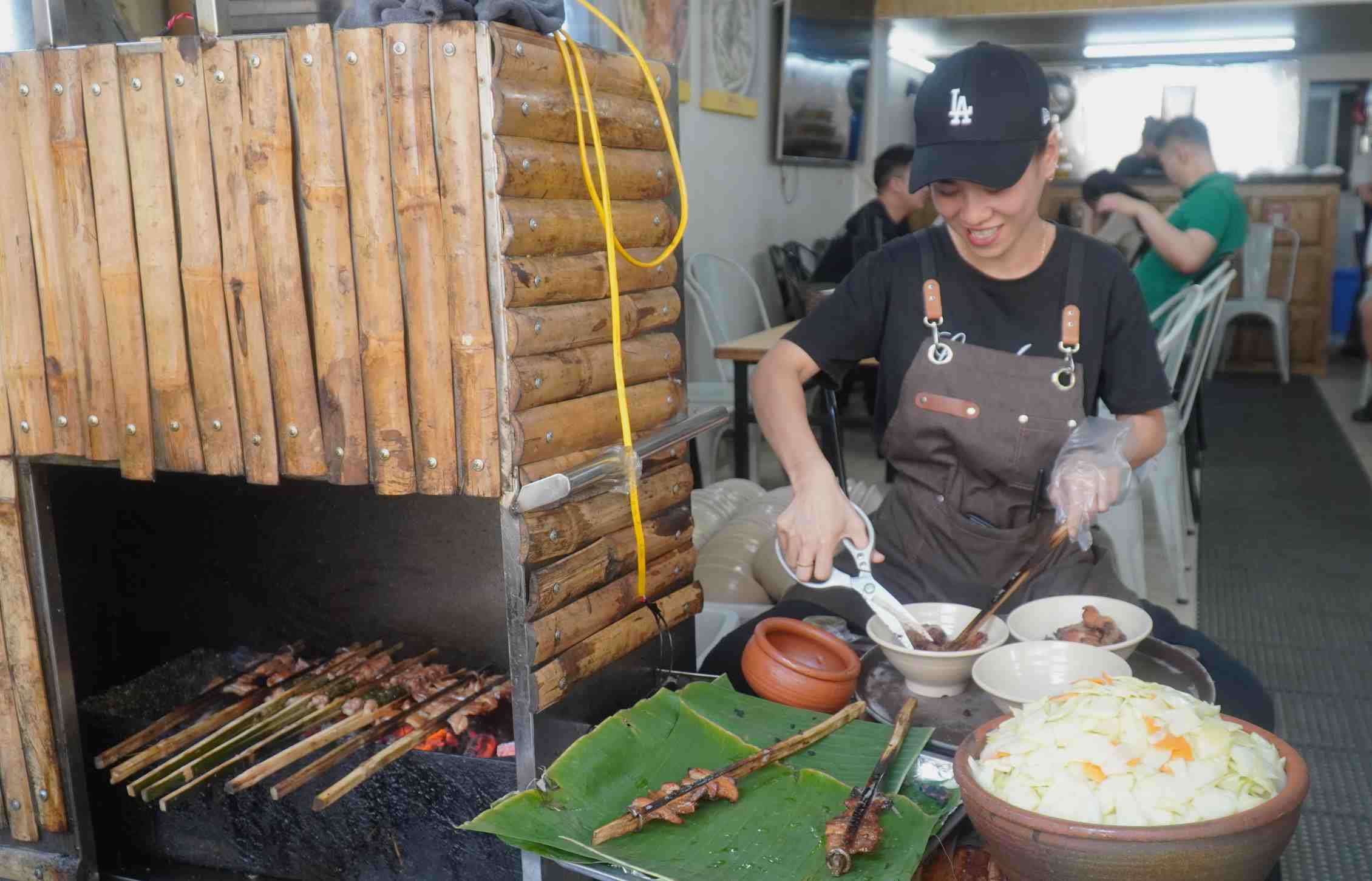
When customers order, the shop owner quickly removes each hot piece of meat and puts it in a bowl of pre-mixed sweet and sour fish sauce. The dipping sauce recipe here is still kept in the traditional way, including only fish sauce, salt, sugar and vinegar.
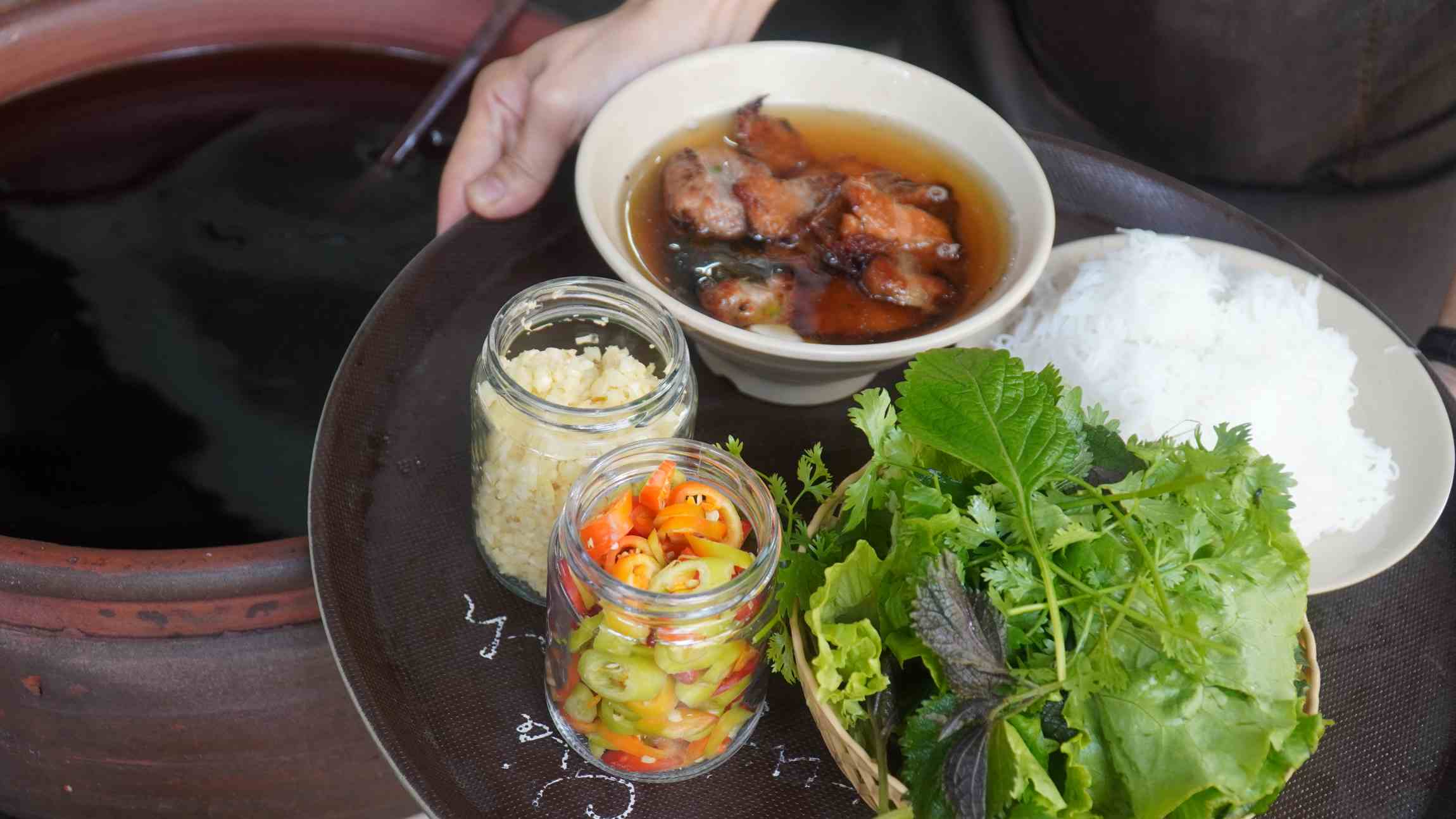
According to the shop owner, previously the number of customers coming to the shop was always crowded, especially during the peak tourist season. However, the number of international visitors usually only increases sharply from about October to the end of the year's tourist season - the time when many Western tourists visit Hanoi.
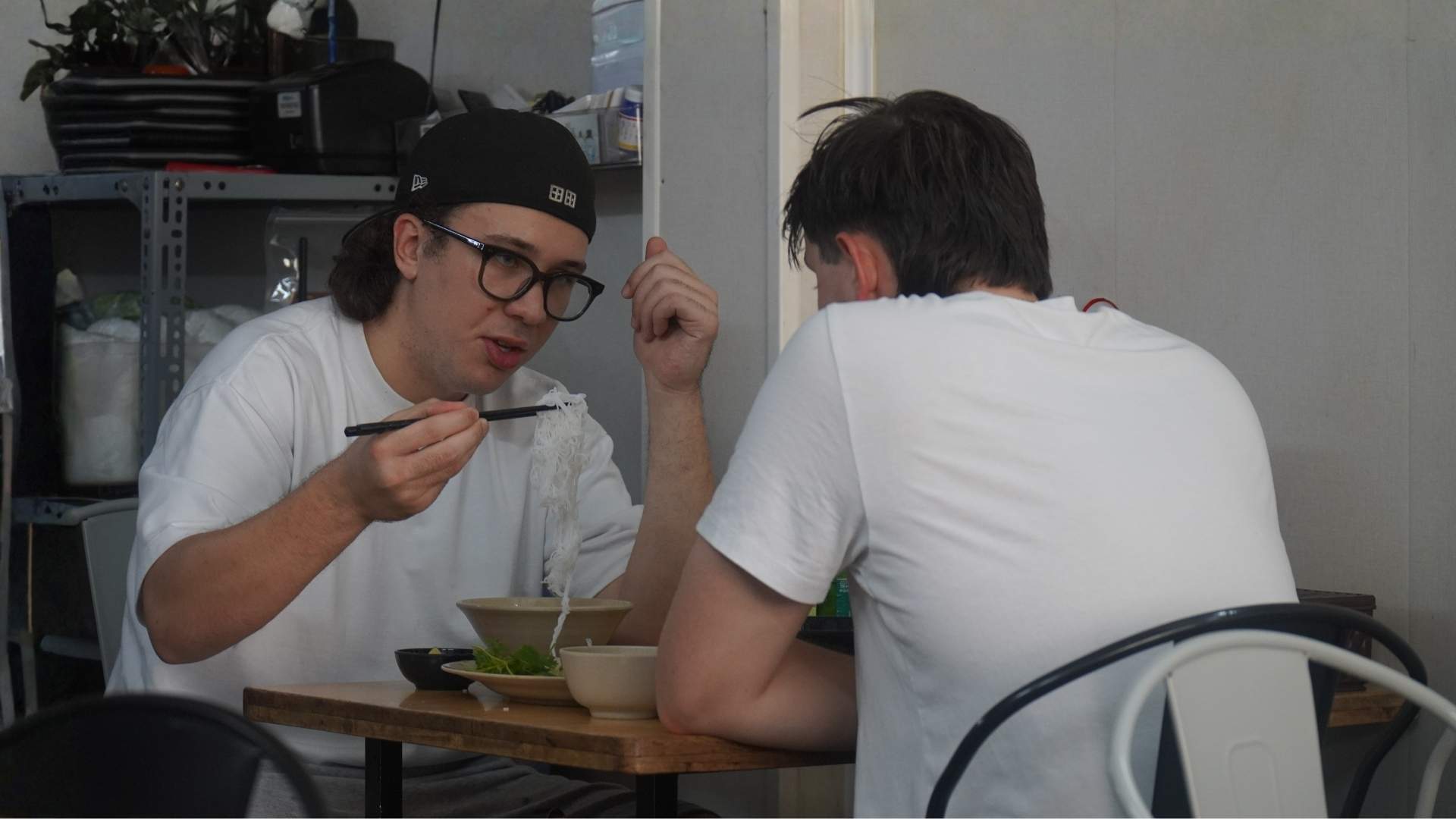
According to Mr. Jardon, this is the first time he has tasted bun cha in Vietnam. "Before, I had eaten bun cha in Australia once, but when I ate it in Hanoi, the flavor was richer, the ingredients were fresh and really attractive," he shared.