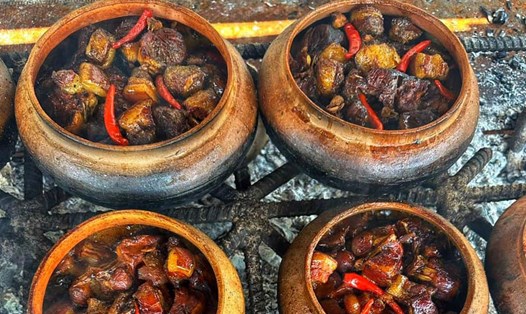
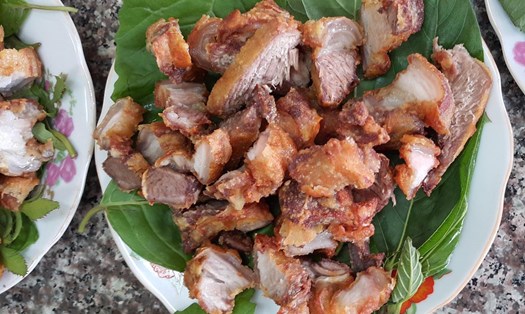
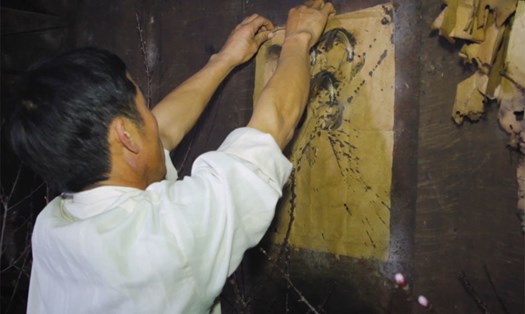
Having so many things to do, in general, we are only worried about the traditional Tet holiday. Therefore, we can't ignore eating and drinking, otherwise if we fall out there, it will be ruined. Luckily, there is a pot of carp braised with galangal, braised with bananas to save the busyness of the end of the year.
In my memory, every December, my mother would build a pot to braise fish. Not braising fish for Tet but to solve a daily cooking worries, to have more time to spend on Tet shopping, which is inherently busy but still not restless.
It's not just my house, but everyone's house is like that. If you don't braise fish, cook a pot of catfish pickles, simmer for 4-5 degrees or cook a pot of large jellied meat. Consider it as solving the main daily meal, while cooking rice or boiling kohlrabi to make vegetables is simple, just tell the children is enough.
It's true that it's braised fish, but it's not like you can catch any kind of fish to braise that kind of fish. Me tanh fish is for cooking rieu, cooking dua is the first class, but for braising fish, you have to find a black carp, also known as grass carp, as big as a thigh, skin tangled, living in a deep lake, a wide pond, then you'll be satisfied.
In the old days, the stove was wide, the yard was wide, so there was free space to braise fish. Every year around December, the piece of straw to cook in the stove is also easy to find because it was just harvested for the summer rice crop in October of the lunar calendar. Cooking in the stove with straw in the cold winter is really interesting because it is warm and pleasant.
Put on a straw stove, just a flash and there is a huge pile of ash. Throw a few sweet potatoes or corn, and then let the heat slowly work. The simmering heat of the stove ash will make the sweet potatoes cook really slowly, from the outside inwards, inside the sweet potatoes but the outside layer is only slightly yellow. It is completely different from grilling on fire.
But the peak of the art of slow cooking thanks to this simmering heat must be braised fish. It can be said that the pot of braised grass carp is the quintessence of Vietnamese kitchens. The grass carp weighing 6 - 7kg or more, with bones as hard as rocks, snake teeth, broken snouts and snail shells, wriggling as easily as a joke, that is the best fish to braise.
The fish is scrambled, cleanly slaughtered and then cut into thick segments of about 6 cm thick, the tail segment and the head segment are left untouched. Take a very large cast iron pot or earthenware pot, which can hold all the braised fish, and wash it clean. If using a earthenware pot, before braising, you must cook porridge so that the pool water covers the gaps and cracks in the pot.
Then successively arrange green bananas, crushed old galangal, along with ginger, fresh chili, then pour in sugarcane honey, watermelon, and delicious fish sauce. First, braise the fish for about 10 hours over low heat, throughout the braising process, open the pot lid for a moment to see if the braised water dries up and needs to be ignited to avoid catching the fish.
After 10 hours of braising on the fire, the pot of fish is cooked, the flavor of the ingredients has blended together, but that is still not done. Again, you have to use clay to carefully cover the pot lid and bury the whole pot of fish in the pile of rice husks that have been warmed. Just let the pile of rice husks smolder, heat the pot of fish for another 10 or 12 more hours, then it will be a great success.
It is considered that it also takes a whole day to get a perfect braised fish pot. At this time, unloading the fish pot, a fatty aroma emanates. Just let the smoke run away, the fish pot cools down completely and then you can eat it. Strangely, the cooler the braised carp, the more delicious it is, the more buttery and fatty it feels.
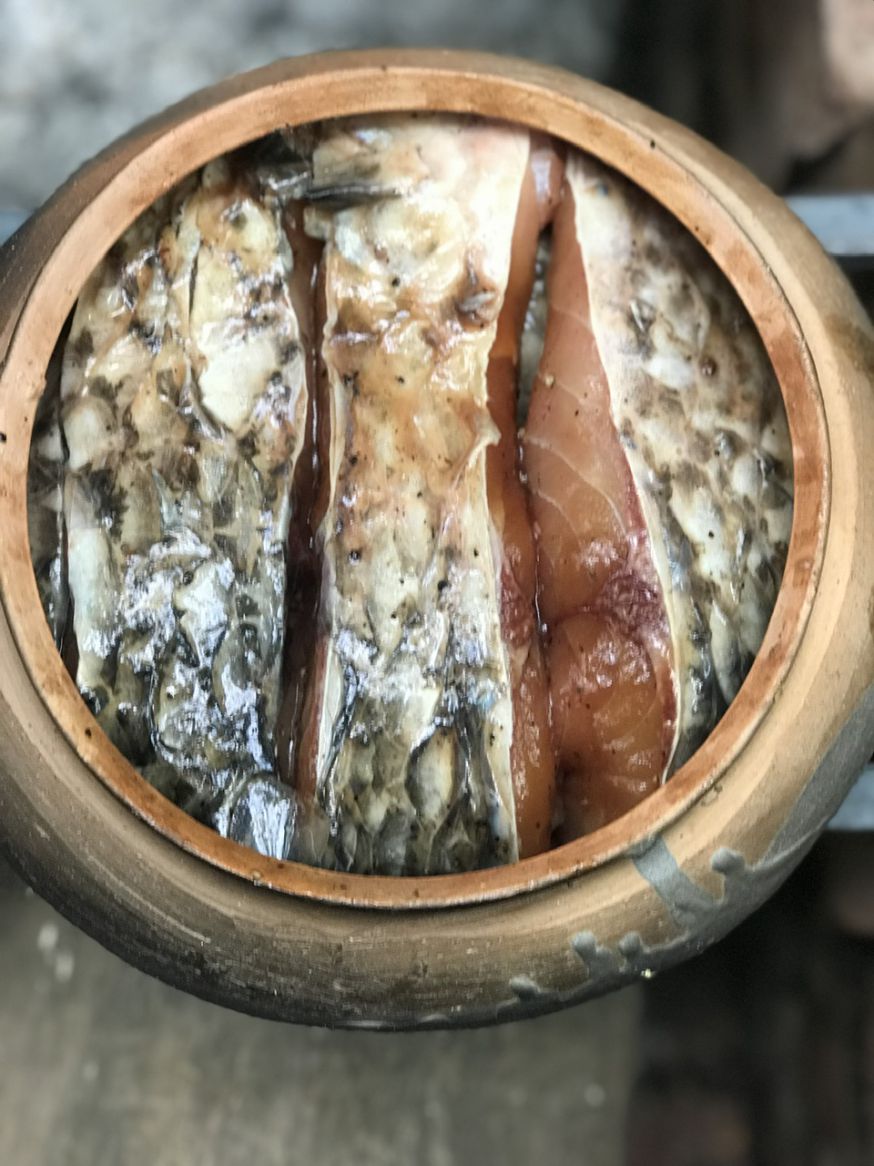
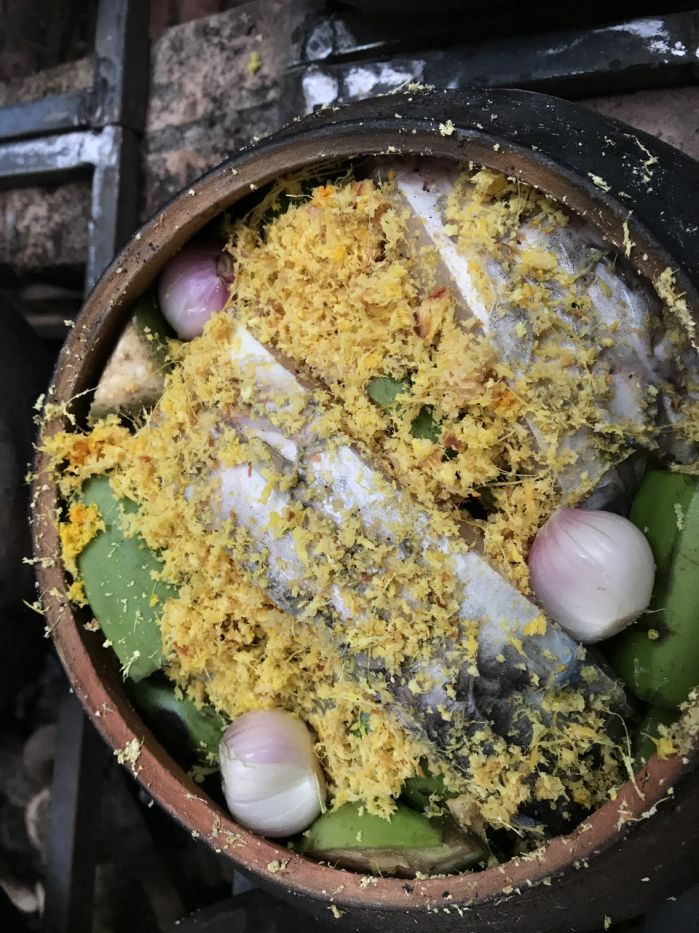
After more than 20 hours of being cooked, this piece of fish is very strange, not at all fishy even when eaten cold with cold rice or banh chung. The piece of fish is as glossy brown as amber, the meat is cooked, but the flesh fibers are not mushy. It is truly worthy of the name of a ferocious fish specializing in deep ponds and large lakes.
A piece of fish, a piece of banana, a piece of galangal in a pot, everything is both fatty and fragrant with the smell of smoke like the famous smoke wine of the Scottish land of coal, a characteristic smell that is only available when braised on a wood stove and rice husks. Smelling makes you feel satisfied, eating is even happier.
But the most wonderful thing is the spine and fish teeth. Slowly cooked with low heat for a whole day, the bones and teeth suddenly soften, biting them makes it taste as buttery as eating chestnuts, bringing a delicious feeling that few other dishes create similarly.
With that pot of braised fish, at mealtime, just simmer the rice pot, boil cabbage or kohlrabi, and you have a delicious meal right in the busy middle of December. Hot rice eaten with cold braised fish creates an unexpected harmony. Even more delicious than cold rice eaten with hot pho soup from the subsidy period.
In the city, the straw cooking stove is also gone, who knows where to set up a braising stove for fish? So I had to run to the "divine" Hang Be market, where everything is available to buy snakehead fish braised with galangal. Old customs are passed down - I don't know from when - but this Hang Be market located next to Hoan Kiem Lake (Hanoi) sells braised fish, no wonder.
I don't know where they braised it, surely not using straw stoves or cast iron pots. Because even if the black carp pieces turn amber or dark brown very beautifully, the meat is as sticky as rubber but not tough, the more you chew, the sweeter it gets, but it lacks the unique smoky smell of this dish.
Fish braised at Hang Be market is always popular and popular, but it's not cheap, it costs 200 - 300 thousand VND per kilogram of finished product. Anyway, I just wish I had enough conditions to set up a straw or rice husk stove to braise a pot of fish like in the old days. The smoke of the fish braising stove not only dispels the cold of winter but also radiates the aroma of abundance, signaling that Tet is very near.