
Every year at the end of July, when Ngo Dong flowers cover the mountainsides and coastal roads red, Cu Lao Cham takes on a brilliant appearance. From a native tree species, Da Nang has developed into a unique tourism product through the "Cu Lao Cham - Red Ngo Dong Flower Season" Festival, contributing to creating a new attraction for sea and island tourism.
The 2026 Festival takes place from July 18 to 31 in Tan Hiep commune, part of the series of activities of the Da Nang Enjoyment Festival 2026. The highlight is the opening program on the afternoon of July 24 at Bai Xep beach with art activities, introducing OCOP products and local culinary culture.
Coming to Cu Lao Cham this time, tourists not only admire the red color of Ngo Dong flowers but also have the opportunity to experience coral diving, explore fishing villages, enjoy specialties such as rock crabs, sea urchins, sun-dried squid, snail breasts, wild vegetables and many dishes imbued with the flavor of the sea and islands.
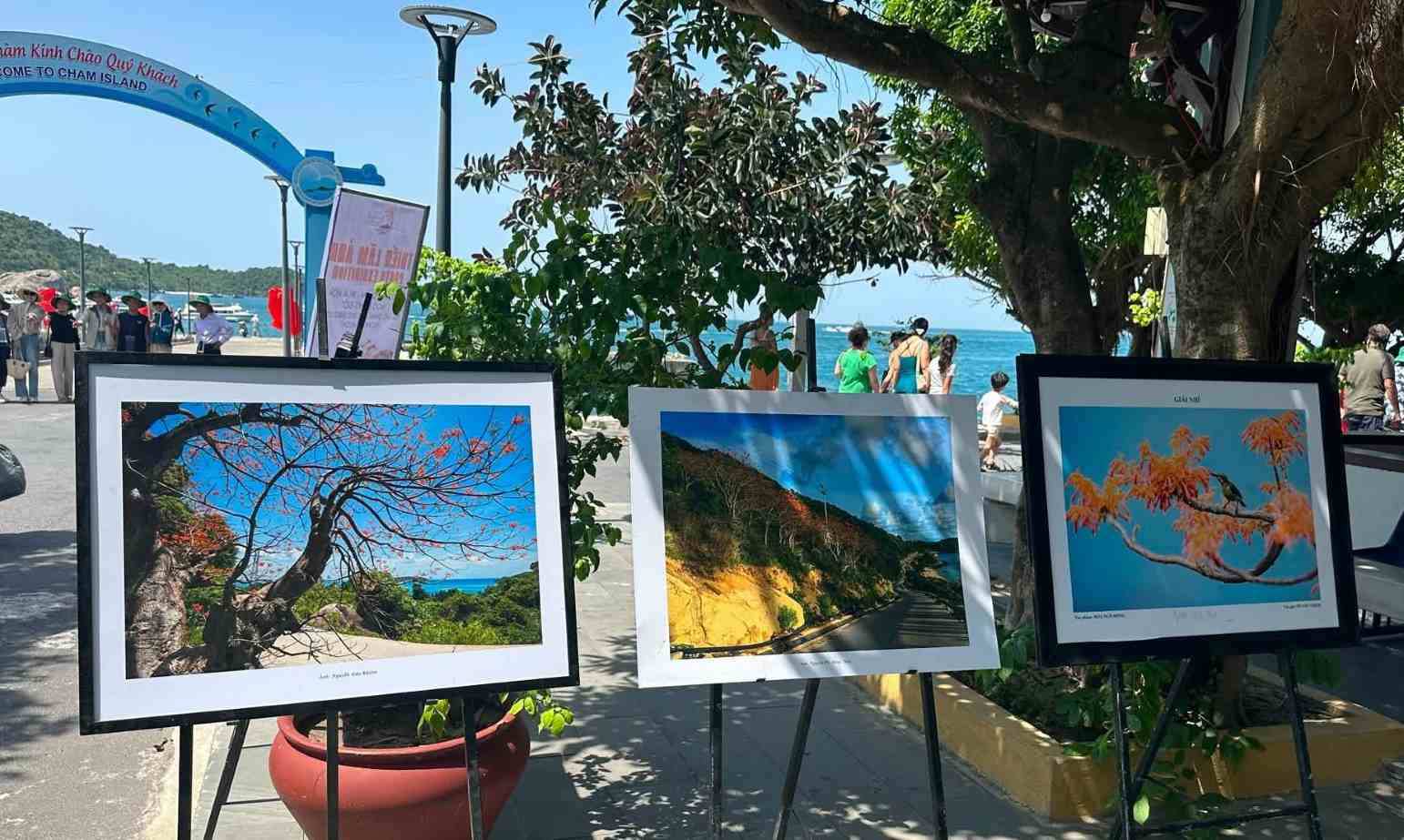
Cu Lao Cham is located in the World Biosphere Reserve recognized by UNESCO, possessing a diverse marine ecosystem and pristine landscape. The Ngo Dong flower season blooming from mid-July to August has become a unique mark, contributing to diversifying local tourism products.
Not only has landscape value, the Ngo Dong tree is also associated with the lives of island residents. This tree grows on coastal rocky slopes, symbolizing its resilience to harsh sun and wind. Since 2022, the locality has maintained an annual festival to build a tourism brand associated with the typical flower season.
In addition, the complex of three ancient Ngo Dong trees at Suoi Tinh slope has been recognized as a Vietnamese Heritage Tree. The craft of weaving hammocks from Ngo Dong tree bark is also listed as a national intangible cultural heritage, contributing to preserving the traditional values of Cu Lao Cham residents.
The combination of natural landscapes, ecological values and cultural heritage has helped Cu Lao Cham create a different tourism product. Instead of just exploiting the sea and islands, the locality is turning a natural flower season into an annual festival, contributing to extending stay time, attracting tourists and promoting sustainable tourism development.


