
Mentioning the Ha Nam island region (including Phong Coc ward, Lien Hoa, Quang Ninh province), many people will remember banh gio (also known as banh tro) - a rustic village gift associated with the lives of people here through many generations. Not only is it a familiar cake during the Lunar New Year, banh gio has also become a specialty that many tourists and people inside and outside the province seek to buy thanks to its cool, chewy and fragrant taste and completely handmade processing method.
When we came to Mr. Bui Van Van's house in Phong Coc ward, dozens of cake molds had been carefully shaped by him, just waiting to pour rice, tie strings and boil them until cooked.
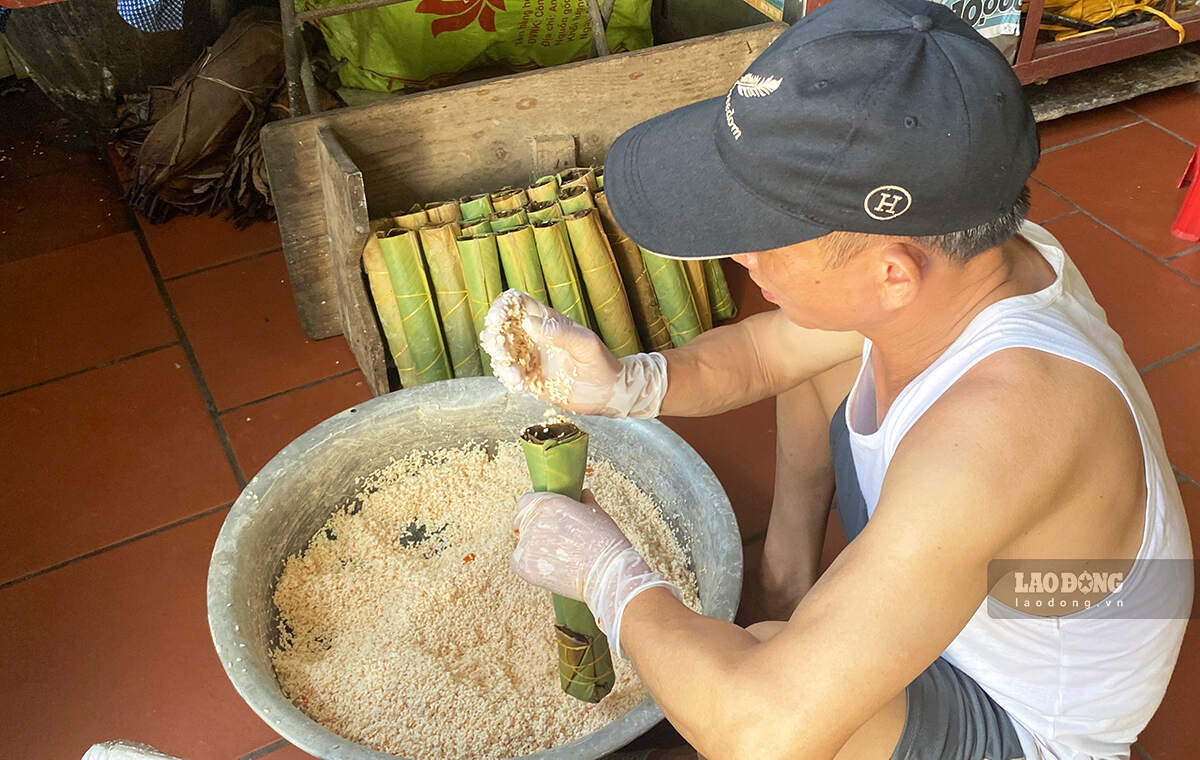
Mr. Van's family has been attached to the banh gio making profession for many generations. He himself has also been diligently working for more than 30 years on a seemingly simple job but requiring perseverance and meticulousness in each stage.
Making banh gio has many stages, just a wrong technique and the cake will spoil immediately," Mr. Van said while mixing sticky rice with the cooked gac.
The name banh gio originates from the special ingredient that makes up this dish. Banh gio is made from yellow-flowered sticky rice soaked in the ash of bean sprouts. This is a plant found in the Bach Dang river mouth area.
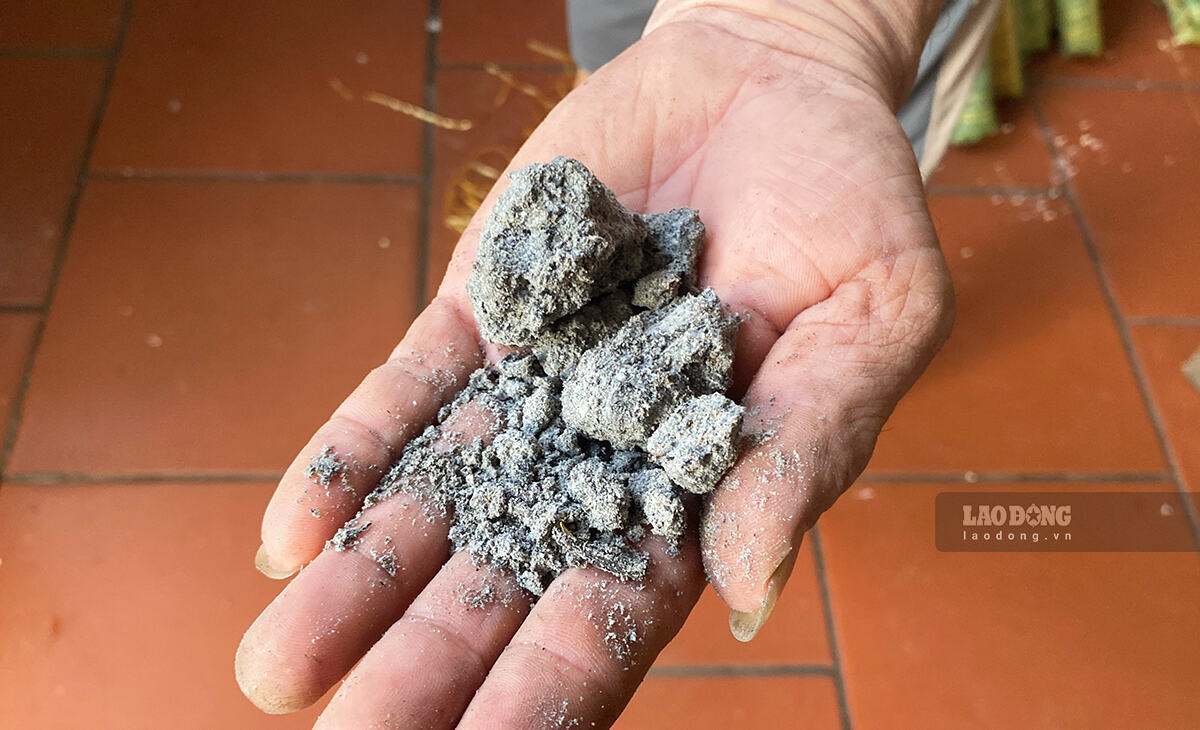
Ash of bean sprouts after being soaked, decanted and filtered thoroughly many times, mixed with clear lime water in a certain ratio, is soaked with yellow-flowered sticky rice for about 4-5 hours.
After being taken out, the rice is continued to be mixed with a small amount of ripe gac. According to Mr. Van, if you put too much gac, especially in hot summer weather, the cake is very easily sour and quickly spoiled.
Not only meticulous in the raw material processing stage, Mr. Van is also strict in the selection and preliminary processing of dong leaves. The leaves used to wrap directly inside are boiled, soaked and then washed, helping the cake after boiling to retain its beautiful color and not turn black. On the outside, the craftsman uses an additional layer of green leaves to shape it.
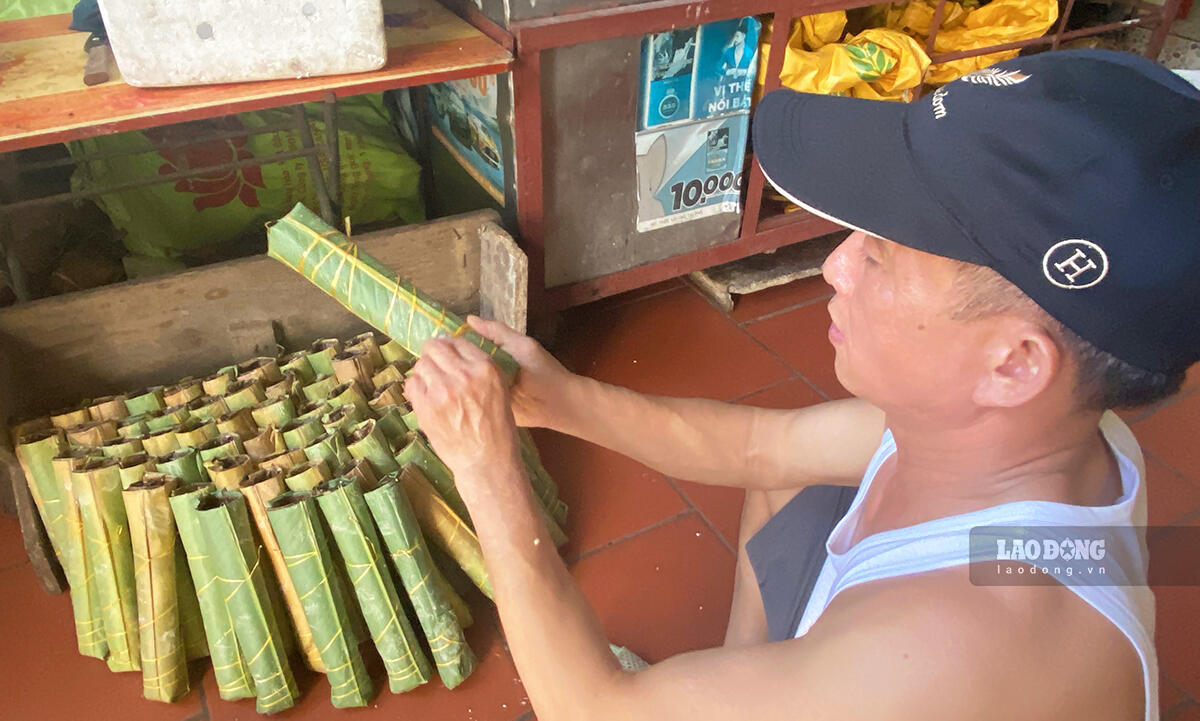
Every morning, Mr. Van spends many hours folding and creating cake molds. When all ingredients are ready, he starts pouring rice into the mold, adjusting it evenly and then tying strings. The job seems simple but requires dexterity to make the cake have a beautiful shape.
At about 10-11 pm, Mr. Van took the cakes to boil continuously for many hours on the charcoal stove. At about 3 am the next day, he woke up again to pick up the cakes, wait for the cakes to dry and then take them to deliver.
According to Mr. Van, banh gio is made all year round, but the strongest increase in demand is still during the Lunar New Year and traditional holidays. In normal times, his family makes nearly 100 cakes per day. When customers order, his family will make more.
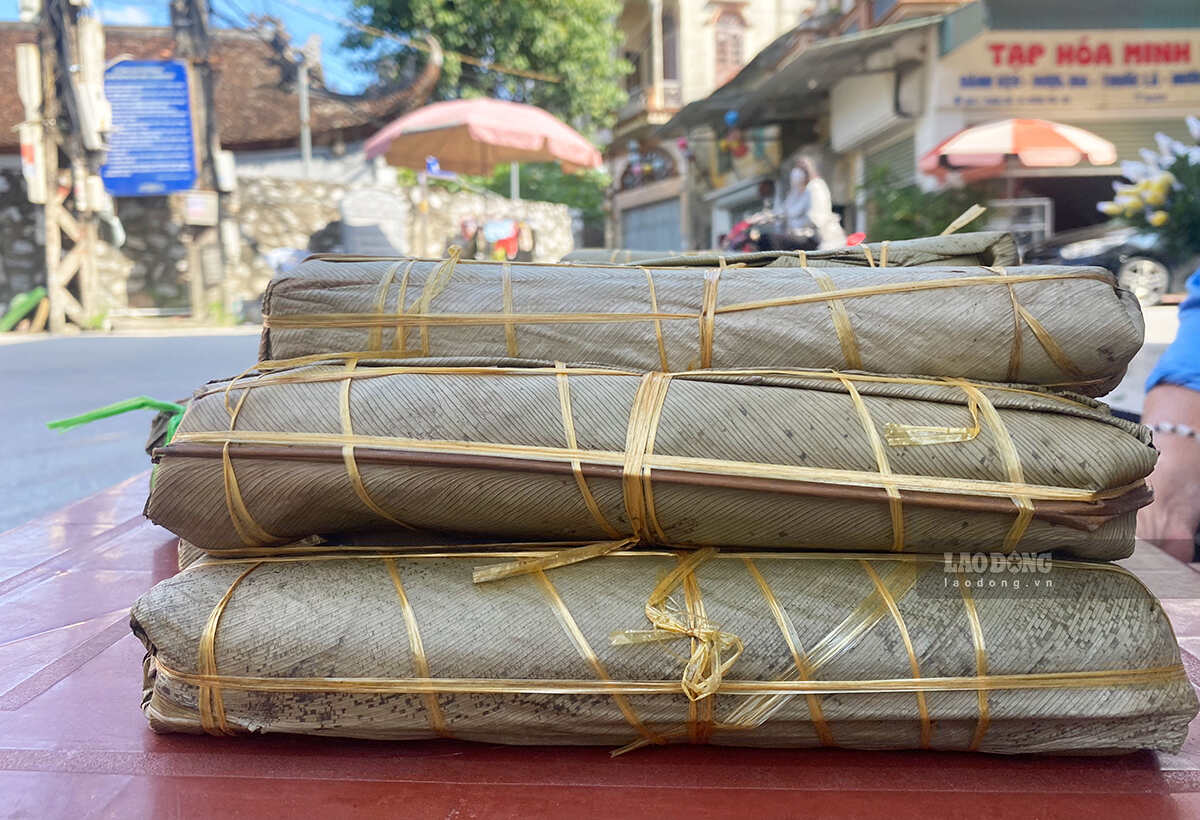
Banh gio is made all year round, but these days, our family only makes nearly 100 cakes a day to deliver, and when customers order, we make more. Banh gio in Ha Nam island village is made a lot by households during Tet, at times up to thousands of pieces a day, and sold out as soon as they are produced," Mr. Van shared.
Not only cake makers, but also small traders have been attached to this rural gift for decades. Ms. Ngo Thi Lap, a banh gio seller in the Coc communal house area, said that she has been selling this traditional cake for nearly 30 years.
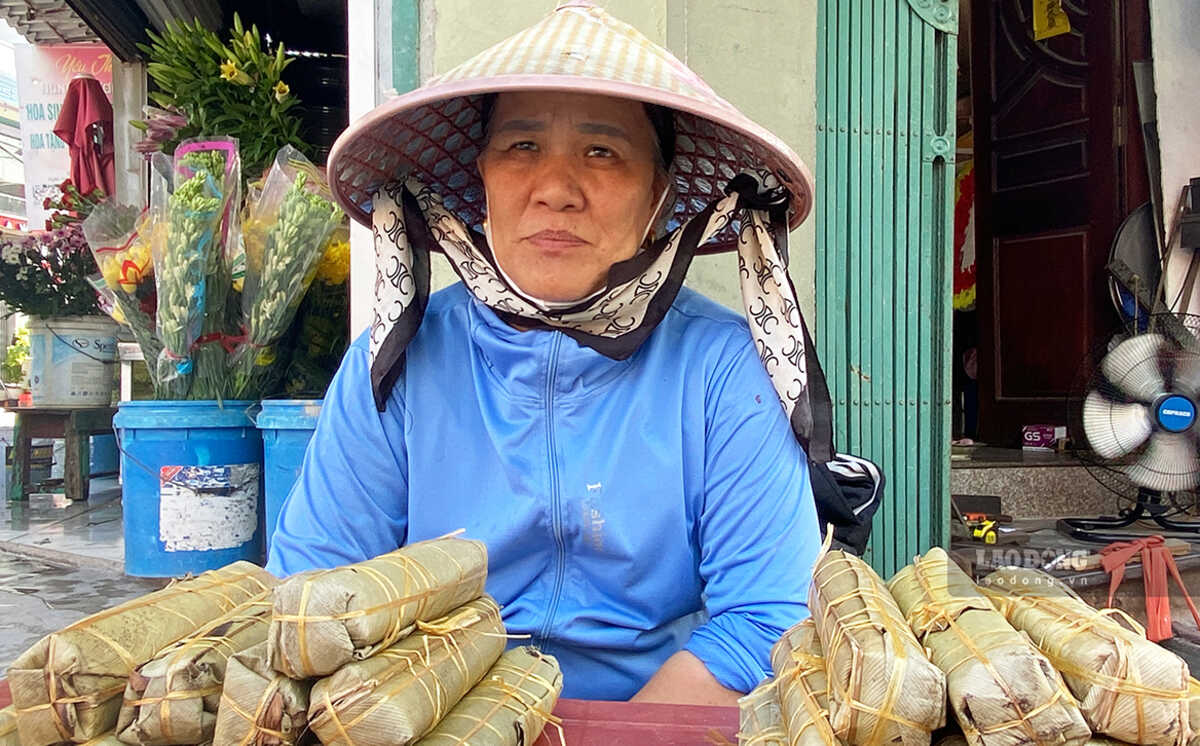
According to Ms. Lap, after peeling off the outer layer of leaves, the amber-colored cake will be revealed, soft and chewy, with a light aroma. When eaten, the cake is often dipped with sugarcane molasses or granulated sugar. The mild sweetness of the molasses blends with the cool taste of the cake, creating a very unique flavor.
On normal days, I sell about a few dozen to more than 100 cakes, but every Tet, the number of customers increases sharply. Some days I sell 300-400 cakes, many times customers ask but there are no cakes left to sell," Ms. Lap shared.
Not only consumed in Quang Ninh, banh gio also follows small traders to many wards in Hai Phong or customers order to take as gifts.
Amidst the modern pace of life with many new types of banh chung appearing, village banh gio here still retains its own appeal thanks to its traditional flavor and handmade methods preserved through many generations.


