
Preserving identity, pristine, simple nature
In May 2026, the Gia Lai Department of Culture, Sports and Tourism will review community tourism models, in order not only to attract tourists but also to create stable livelihoods for people. Tourist villages will be upgraded, diversify experiences and strengthen tour and route connections, while still preserving unique cultural features.
Many community tourism destinations are being focused on development by Gia Lai such as Plei Op (Pleiku ward), Ia Nueng (Bien Ho commune), Kep (IaLy commune), Mo Hra-Dap (To Tung commune) or village K3 in Vinh Son commune.
Mr. Pham Anh Tuan - Chairman of Gia Lai Provincial People's Committee requested each locality to build at least one community tourism model, based on natural resources, culture and indigenous life, creating diversity and depth for the journey to explore Gia Lai.
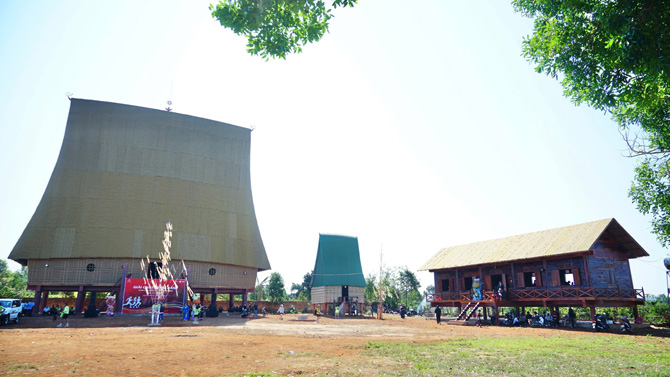
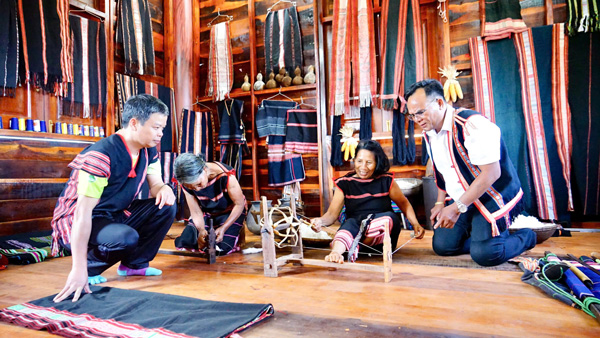
Gia Lai has also shifted from spontaneous exploitation to professional tourism development, preserving the soul of villages. Tourists will not only visit beautiful scenery but also experience cultural life, gongs, traditional cuisine and Rong house activities.
The message "not to commercialize excessively" is emphasized by the Gia Lai provincial government in the context that many localities are developing tourism in a mass-produced direction, building massively concrete works and artificial miniatures, causing landscape destruction.
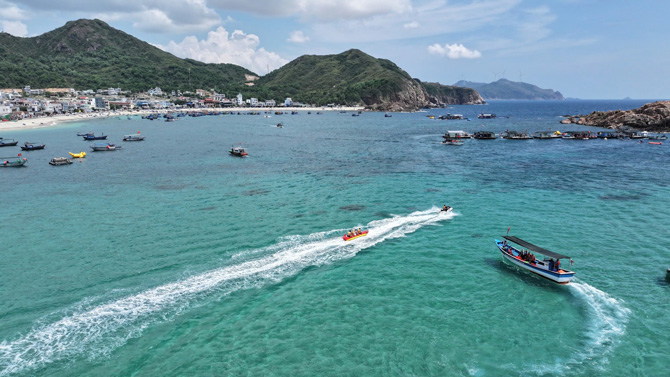
Mr. Tran Manh, a tourist from Khanh Hoa province, said: "With Gia Lai, the most attractive thing lies in the simplicity, authenticity and wildness.
No excessive concretization or commercialization
The story at Chu Dang Ya volcano, a famous destination of Gia Lai, reflects the province's view on landscape preservation. A concrete Rong house worth more than 7 billion VND built at the foot of the volcano has caused offense because it is not in accordance with the traditional architectural model, too large and obscures the view.
Before the reaction of people and tourists, the government requested to demolish the construction, dismantle materials and return a spacious space to the area, affirming its determination to protect the natural landscape.
Instead, Gia Lai chose to build a new communal house using traditional materials such as wood, bamboo, and thatch. The project is expected to be implemented in Ia Gri village with a design imbued with the Central Highlands identity, harmonizing with nature and the million-year-old volcanic landscape.
The construction of Rong houses not only restores traditional architecture but is also associated with spiritual and community cultural life, when people organize worship ceremonies to pray for sustainable construction and peaceful life.
Mr. Nguyen Chat Sam, an agricultural tourism business in Gia Lai, shared: "The story in Chu Dang Ya reflects Gia Lai's new tourism development thinking: conservation instead of brutally interfering with nature. Tourists need experiences associated with indigenous culture and pristine landscapes, not modern works that are the same everywhere.
Sustainable tourism is not about concrete blocks or rampant commercialization, but about preserving nature, culture and local identity. Gia Lai orients tourism development to be harmonious, friendly and long-term, so that every visitor can feel the true breath of the great forest and sea.
By 2030, Gia Lai strives to welcome 18.5 million visitors, including 1.1 million international visitors, with tourism revenue reaching about 45.500 billion VND. The province sets a target to attract investment in building 33,000 accommodation rooms, increasing the average length of stay to 3 days, and training over 25,000 workers directly serving tourism.


