
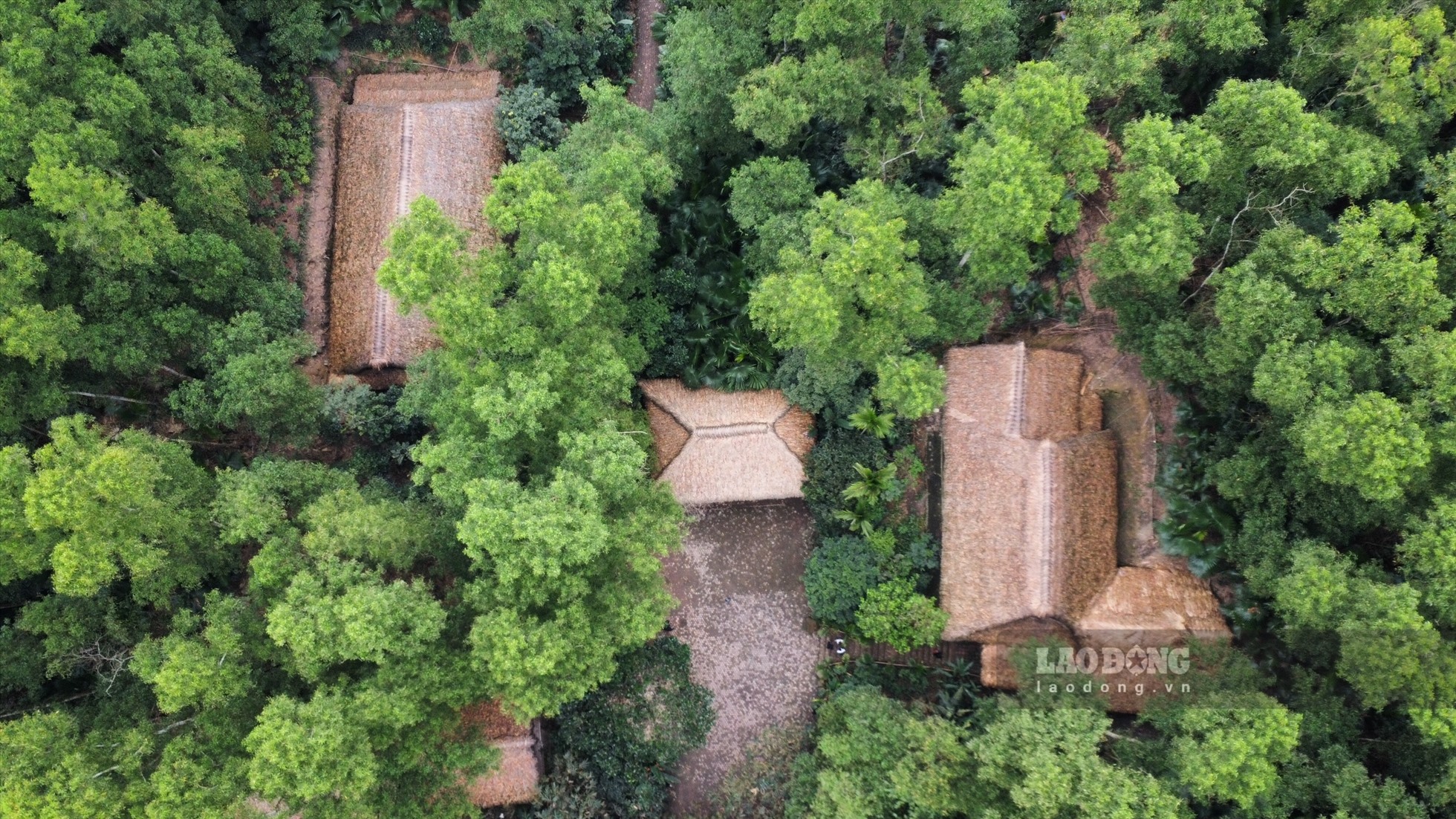
At the end of 2003, on the pristine land in Thai Nguyen, the first stilt houses were quietly built, opening the journey of a new village named Thai Hai. From a steep hill area, with consensus and belief in a common dream, the community here has built a special village - a place to preserve the core of Tay ethnic culture and create a rare community life model in the midst of modern life.
More than two decades have passed, when many traditional values are at risk of fading away, Thai Hai is still persistent in survival and development thanks to the continued success of generations, especially young people who choose to return to preserve and spread the heritage.
Returning to sow cultural seeds
In Thai Hai village, all revenue is put into the village's common fund, ensuring the lives of all members, from the elderly to children, from daily activities to education and health care. No one is left behind from their responsibility to the community, nor is anyone left behind. It is this living model that has created strong cohesion, the foundation for Tay culture to be preserved vividly, not separated from daily life.
Children in the village, from kindergarten to grade 5, study every day at the village school. Ms. Tran Thi Thuy Linh, a preschool teacher in Thai Hai village, is one of the young people who chose the way back. After being raised by the village chief at Hanoi National University of Education, she decided to return to the village and currently directly teaches about 20 children - children of the village.
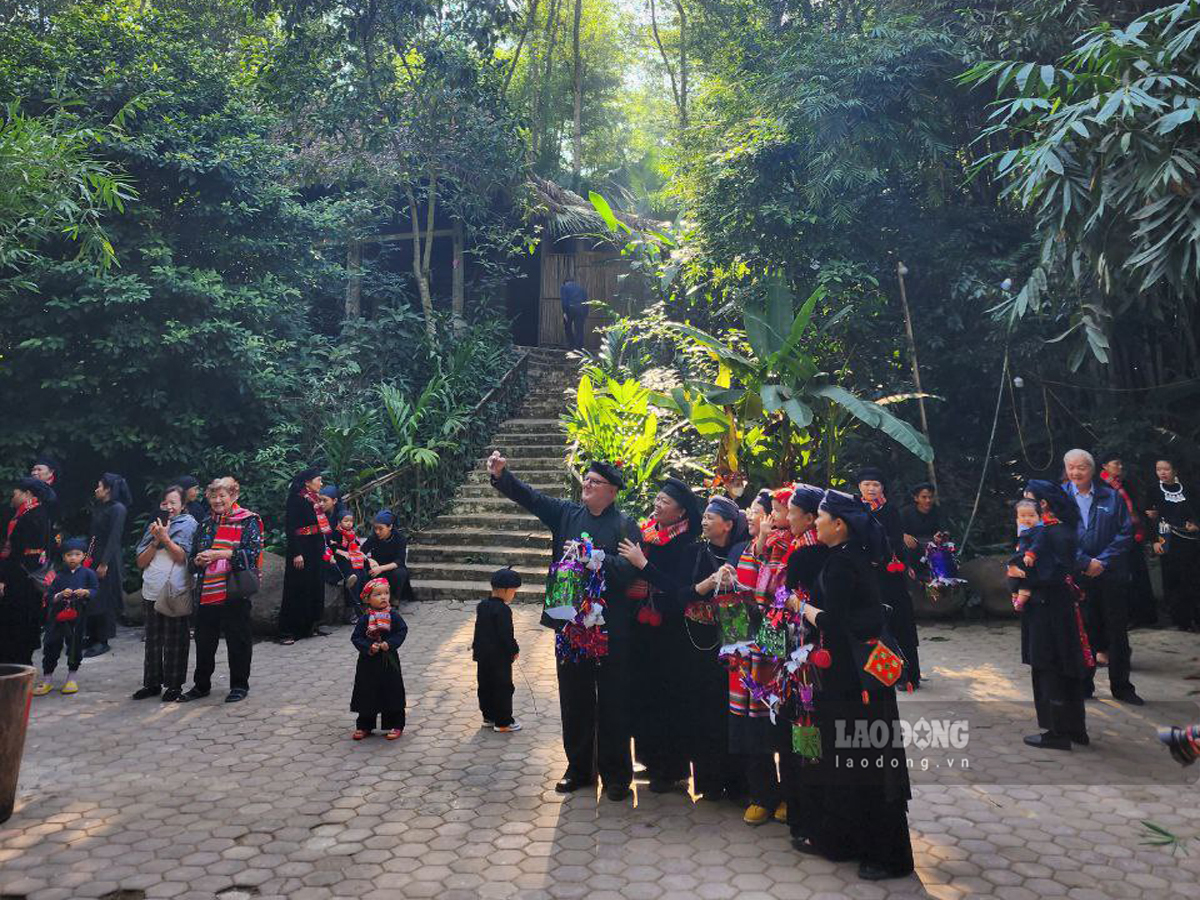
According to her, the children in the village are taught according to the program of the Ministry of Education and Training. In addition, children are focused on learning more English, as well as foreign skills such as learning to sing Then, learning to use the modern system, and experiencing the work of the village during holidays and Tet. They are given all the conditions to grow and mature with the culture where they and their families are living very naturally.
Not only a teacher, she is also a bridge between the previous generation and the next generation, giving children pride and love for the cultural identity of the Tay ethnic group.
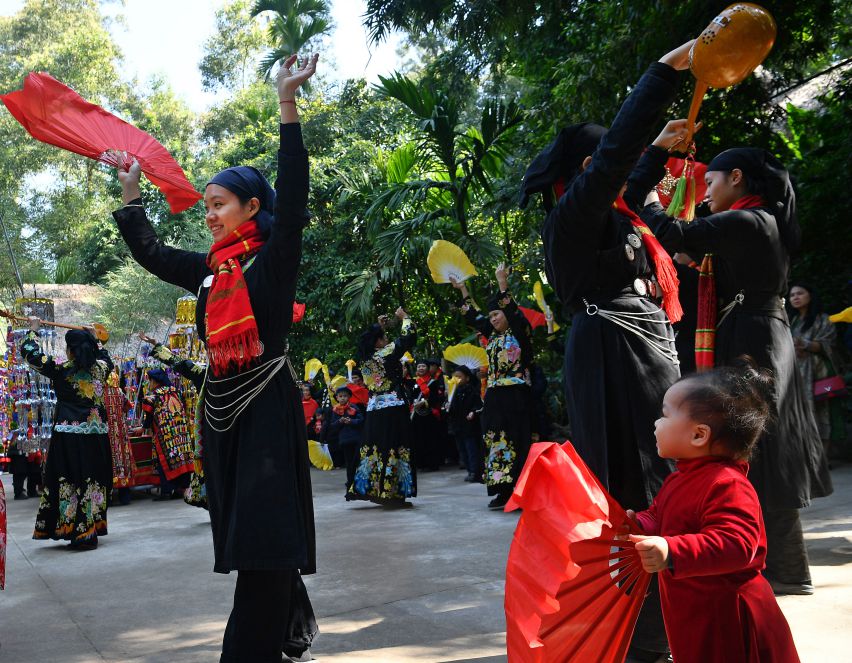
Not all of the people attached to Thai Hai village are Tay ethnic people. Typically, Ms. Linh's family are all Kinh ethnic people, but everyone chooses to stay in the village, live together, love and protect Tay culture as part of their own blood.
"My family moved to Thai Hai village nearly 20 years ago. Right from the early days of 2003, when the village chief started moving the stilt houses from the Special National Historical Site of ATK Dinh Hoa (Thai Nguyen province) here," Ms. Linh expressed.
Ms. Linh's father - a person who understands the wishes of the village chief Thai Hai - did not hesitate to participate in moving the stilt houses of the Tay people and joined hands to build the village from the first days.
At that time, I was still in high school but also contributed a lot of labor to building villages such as planting trees, taking care of the surrounding landscape..., she recalled.
In 2005, Ms. Linh was one of the members who was raised by the Village Chief to study at university and after graduating, she decided to return to live and work in the village until now. Because she understands the things that the members of the village have tried and are doing every day. She also wants to create good values for the village herself in the cause of cultural preservation.
She shared: "On the first day I returned to the village, I didn't understand much about Tay culture. But, every day I hear the village chief share and confide, the love of culture gradually seeped into me without any good. Therefore, I always hope to return to the village after finishing school, take care of the children and contribute to preserving these values.
When Thai Hai village is honored with tourism awards, it is not only a recognition, but also a great source of encouragement for people to be more confident in the path of heritage conservation - a difficult but meaningful job".
Preserving culture - the journey of many generations
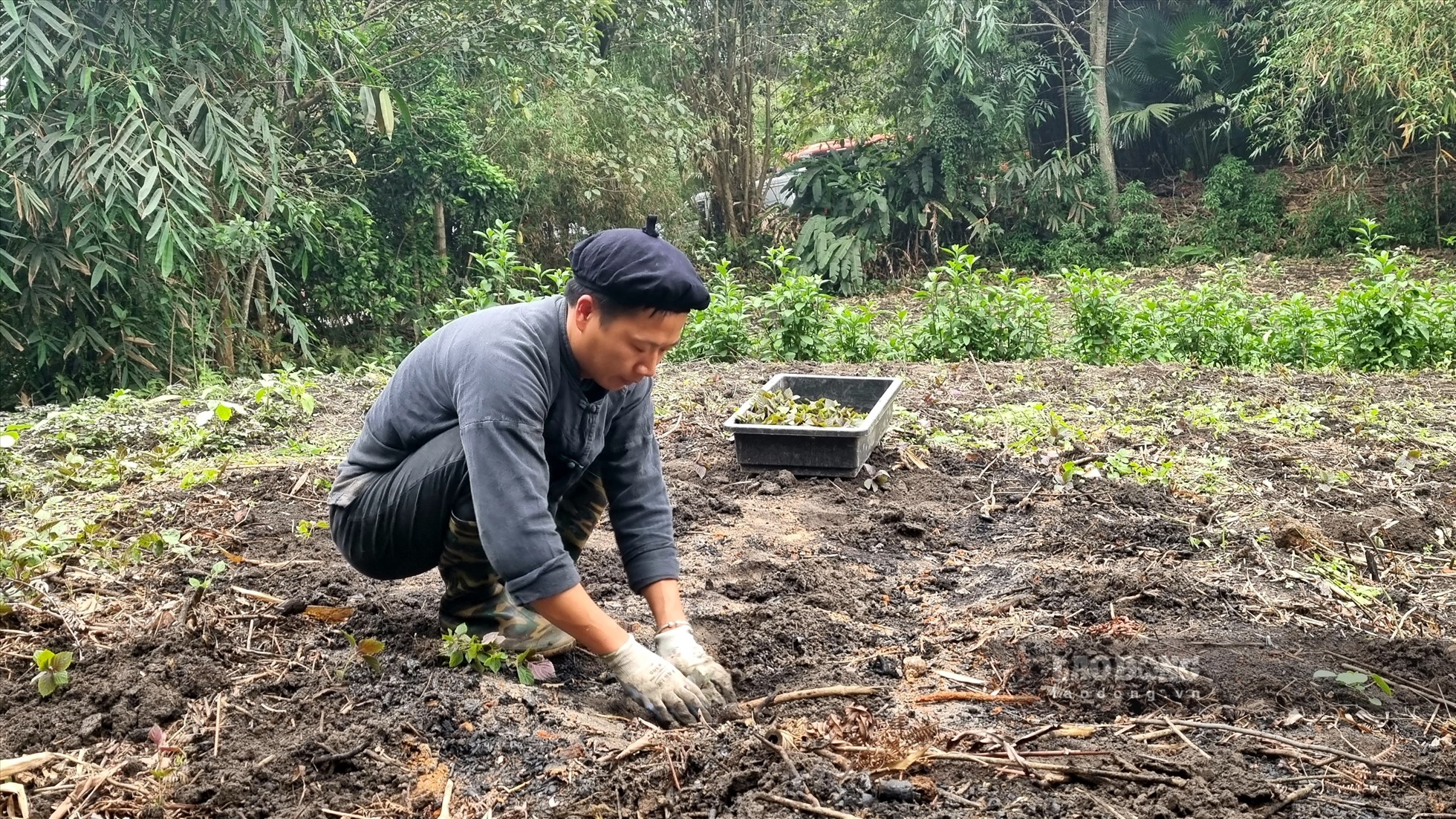
Like many other young people in the village, Thuy An is a testament to the community's persistent continuity. She officially moved to the village to live in 2010, when she was still in high school. Before that, from 2003-2005, she had followed her father to the village many times to plant trees, build houses and thereby preserved in her memory the early images of Thai Hai village.
Initially, she planned to study in the A block to major in Economics. However, from the very sincere sharing and orientation of the Village Chief, Ms. Thuy An decided to switch to learning English. Right in the village, very early, communication English classes were organized to popularise everyone, from the elderly to the children.
Regular contact with international tourists also arouses in her a love for language. In grade 12, she focused on reviewing for the exam and studying at the School of Foreign Languages - Thai Nguyen University. During her university years, she still lived and participated in all activities of the village. Graduated in 2016, she officially took on a stable job in Thai Hai and has been there until today.
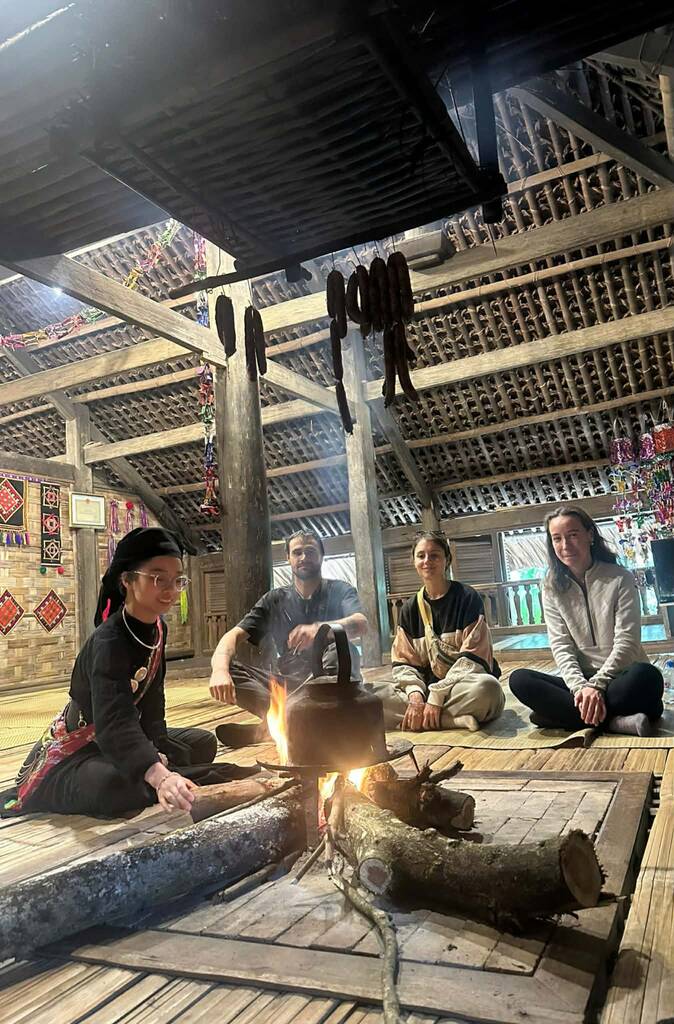
From the beginning, when I entered the university, I quickly determined my desire to return and contribute to the village. If I want to go out to work, the village chief is willing to introduce a suitable job, but I have never intended to leave. The decision to stay in the village came to me very naturally, said Ms. An.
She introduced more about her current job: Like many people in the village, I am not attached to a fixed job. Thanks to the experience and training process since I was a child, I was able to flexibly participate in most of the village's activities.
Currently, Ms. Thuy An's main job is to teach English to children and adults in the village, while directly welcoming and supporting international groups to visit and experience. In addition, she also participated in supporting the village's working groups in preparing documents, records and communication content in English, contributing to connecting Thai Hai with international partners and organizations.
Amidst the constant changes of modern life, Thai Hai village still persistently maintains its own rhythm of life, where culture does not lie in a museum but exists in every common meal, every Then singing cauctory, every generation growing up in the village.
The choice of young people to stay is not noisy, but strong enough to prolong their dream that was originated more than two decades ago. When heritage is preserved through daily life and passed down through love, Thai Hai is not only a village, but a vivid testament to the vitality of Tay culture - today and for the future.


