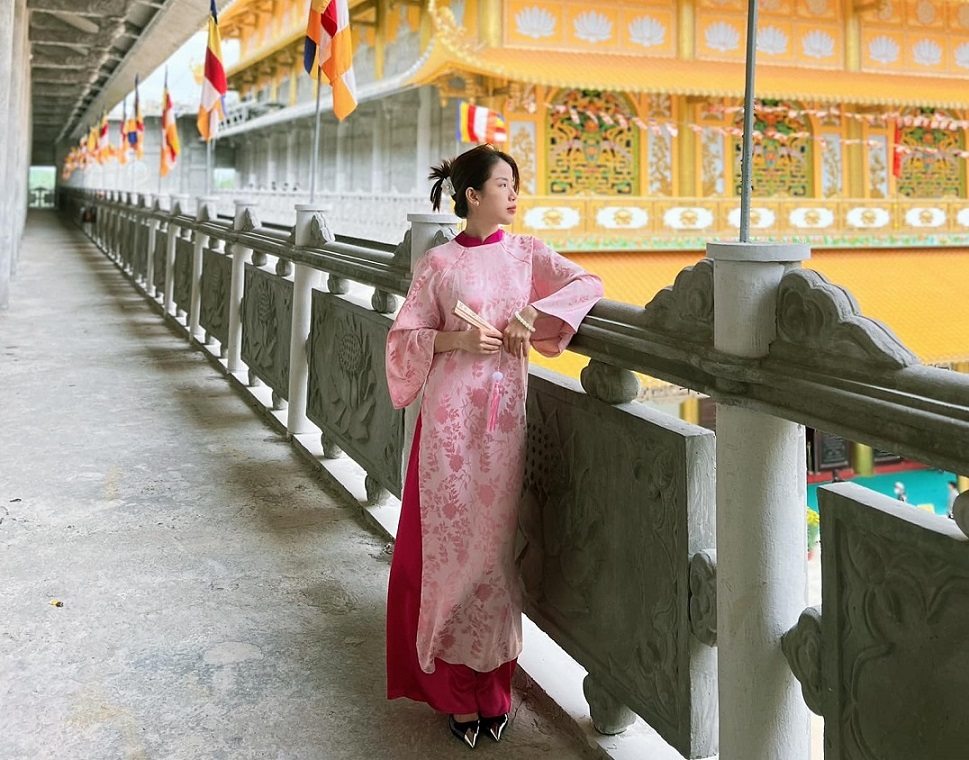
Located in the Thien Ma Cultural Area, Minh Duc Pagoda is built on an area of nearly 90ha in the Ngang mountain area, belonging to Tinh Khe commune, Quang Ngai province. The project started in 2018.
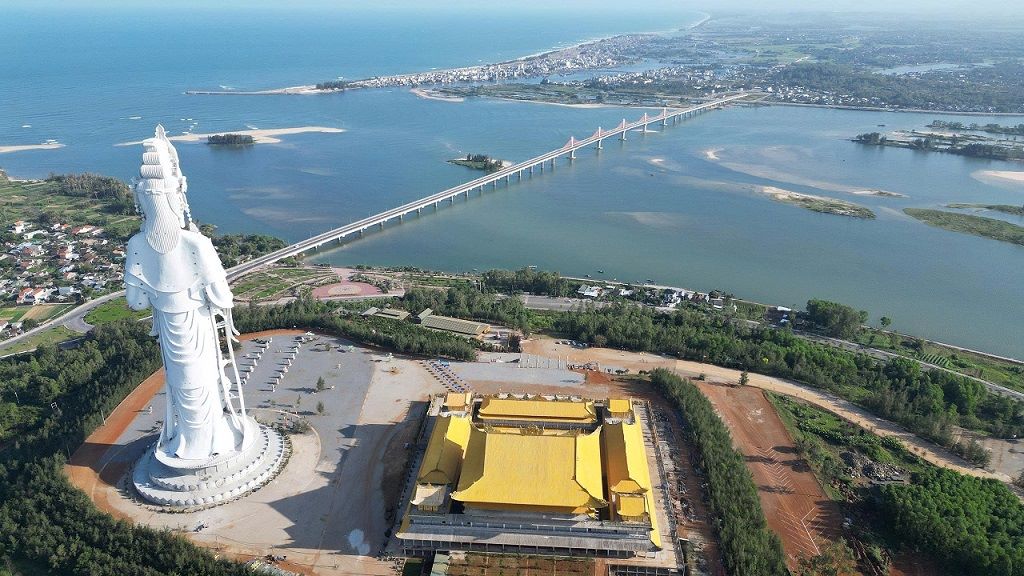
The spiritual cultural area with a total investment of more than 1,000 billion VND, was approved by Quang Ngai province at the end of 2017. After 6 years of construction, the highest statue of Quan Am Buddha in the country (125 m) and the pagoda complex on Thien Ma mountain have been basically completed.
To get to Minh Duc Pagoda, from the center of Quang Ngai City (old) - if you travel by personal vehicle, follow Ba Trieu street, turn into National Highway 1A, then turn right into Hoang Sa street. At the roundabout, choose the second exit to enter My Tra - My Khe street, continue to turn back to the right to continue. Passing the Buddha statue on Thien Ma Son about 700m, you will reach Minh Duc Pagoda, a sacred place amidst the majestic mountain scenery.
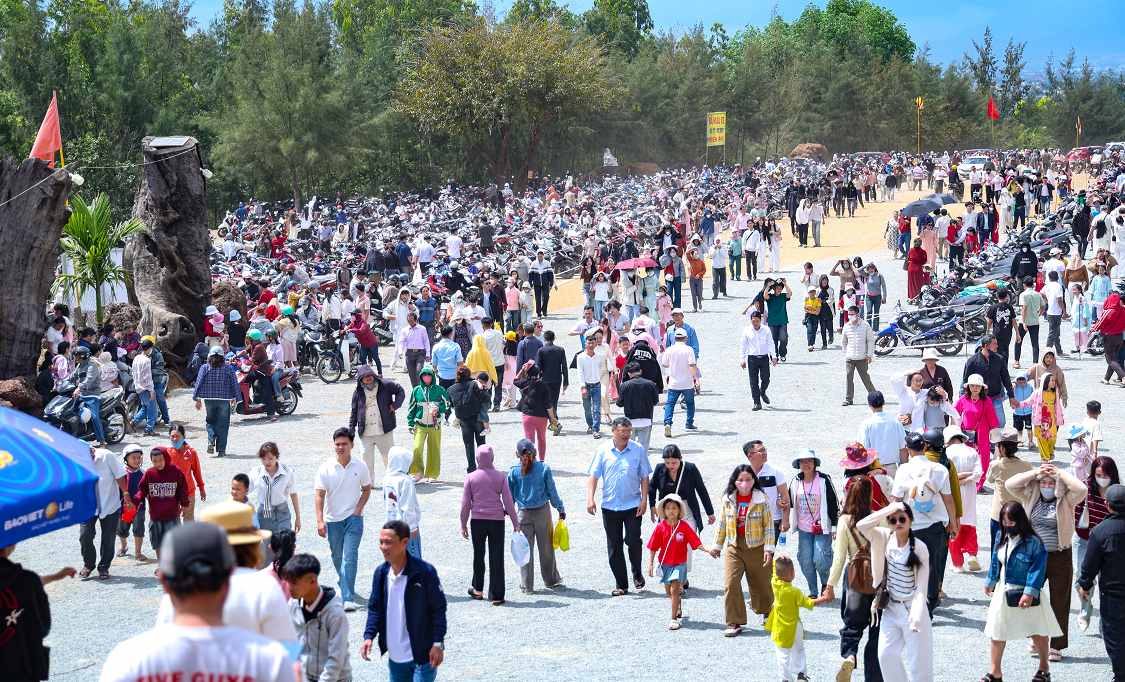
Currently, the Long Hoa Vien area and the Maitreya statue have been completed. This is a Buddhist spiritual cultural area, including many areas such as Buddha statues, squares, Buddhist museums, stupas, Long Hoa Vien, Bach Ma garden, Thap Phap Gioi, Zen hall, Phuong Y Duong and Noi Vien.
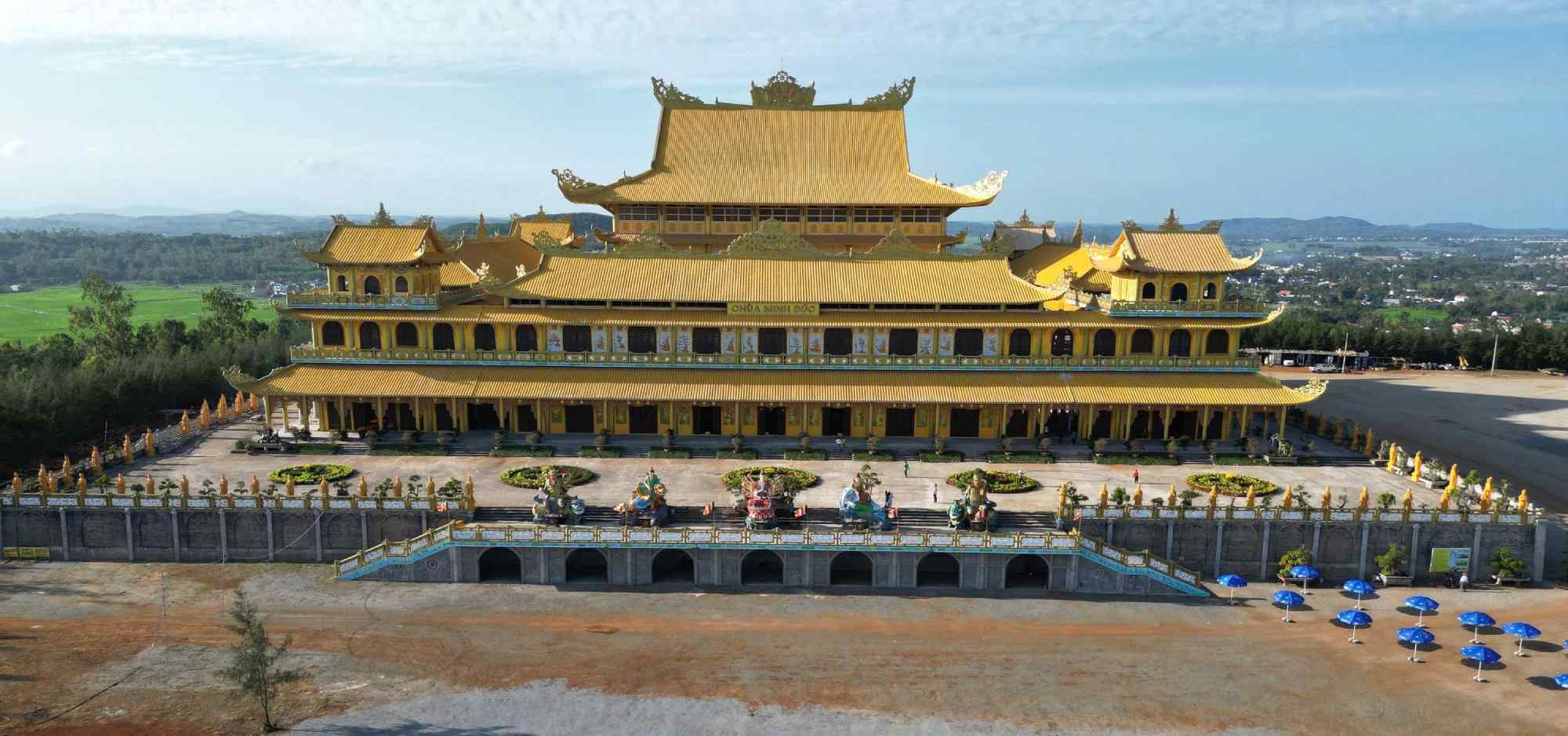
In particular, Minh Duc Pagoda stands out with the 125m high Quan Am Buddha statue, which is now basically completed. This is the tallest Quan Am Buddha statue in Vietnam, surpassing the 72m high Buddha statue in Ba Den Mountain (Tay Ninh) and the 71m high Linh An Pagoda (Da Lat City).
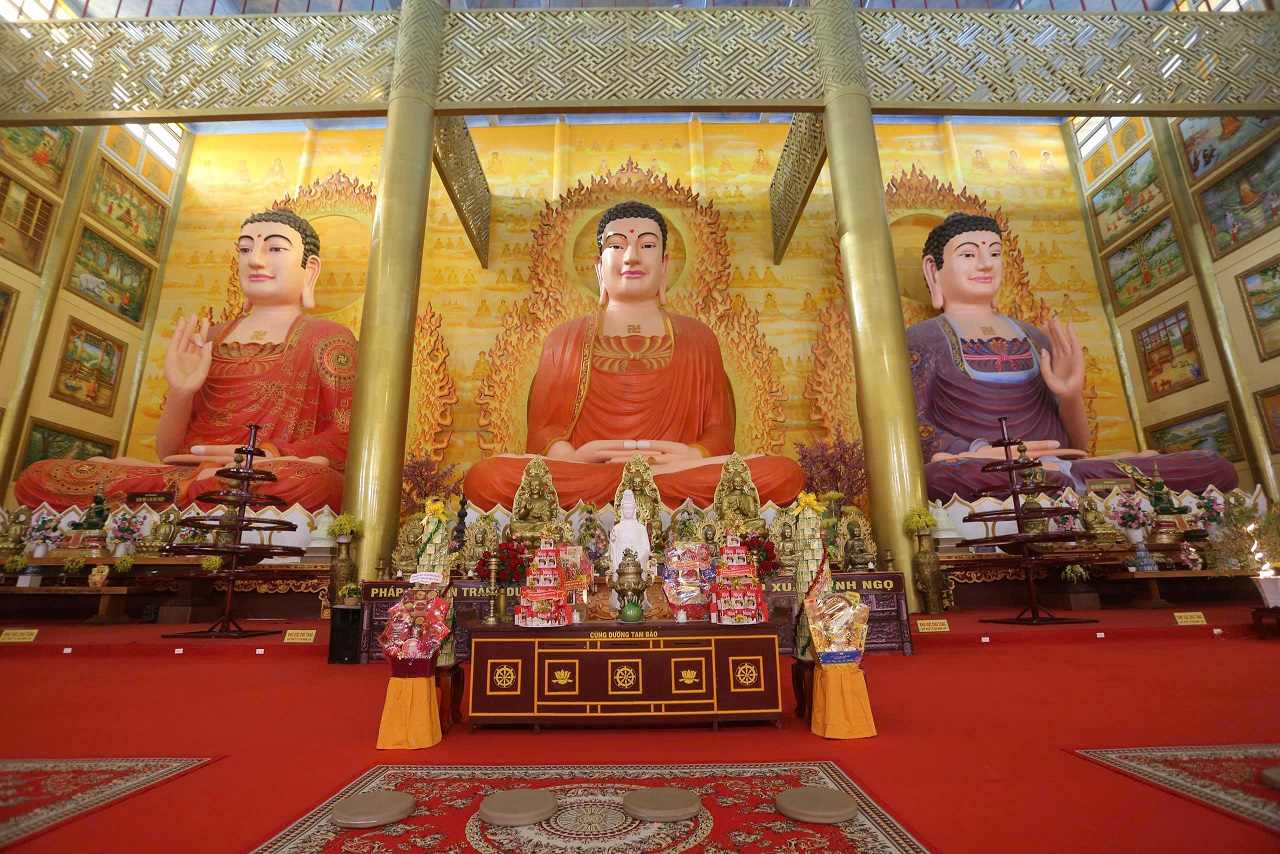
For many years, Quang Ngai tourism has mainly relied on Ly Son Island, Mang Den and beaches such as My Khe. The appearance of the Thien Ma complex is expected to create a new tourism axis connecting sea - island - spirituality.
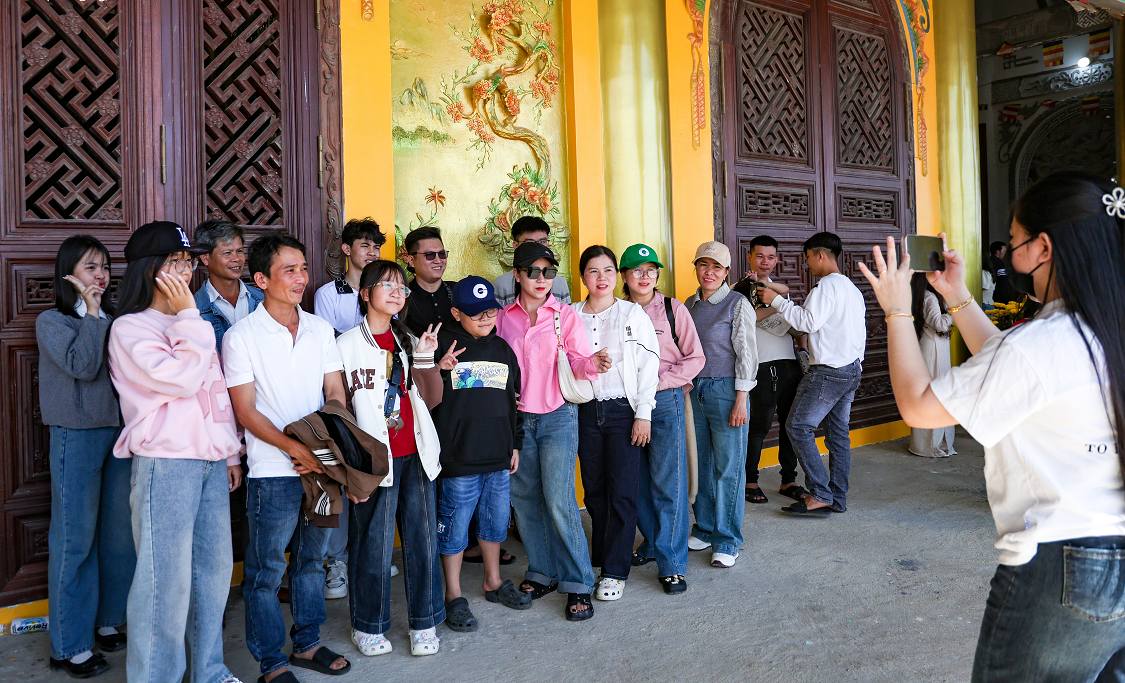
Thien Ma is not only a place of worship but also an open cultural space, a place where religion blends with landscape and community life. Between the sacred Thien Ma mountain, the gentle Tra River and the open East Sea, Minh Duc Pagoda has become a spiritual support for the people of Central Vietnam, and also marks the imprint of Vietnamese Buddhist architecture on the regional map.