
Relic associated with Bach Dang battle in 1288
According to folk legend in An Hai region, Phu Xa temple was built from the Later Tran Dynasty, and now dates back more than 600 years.
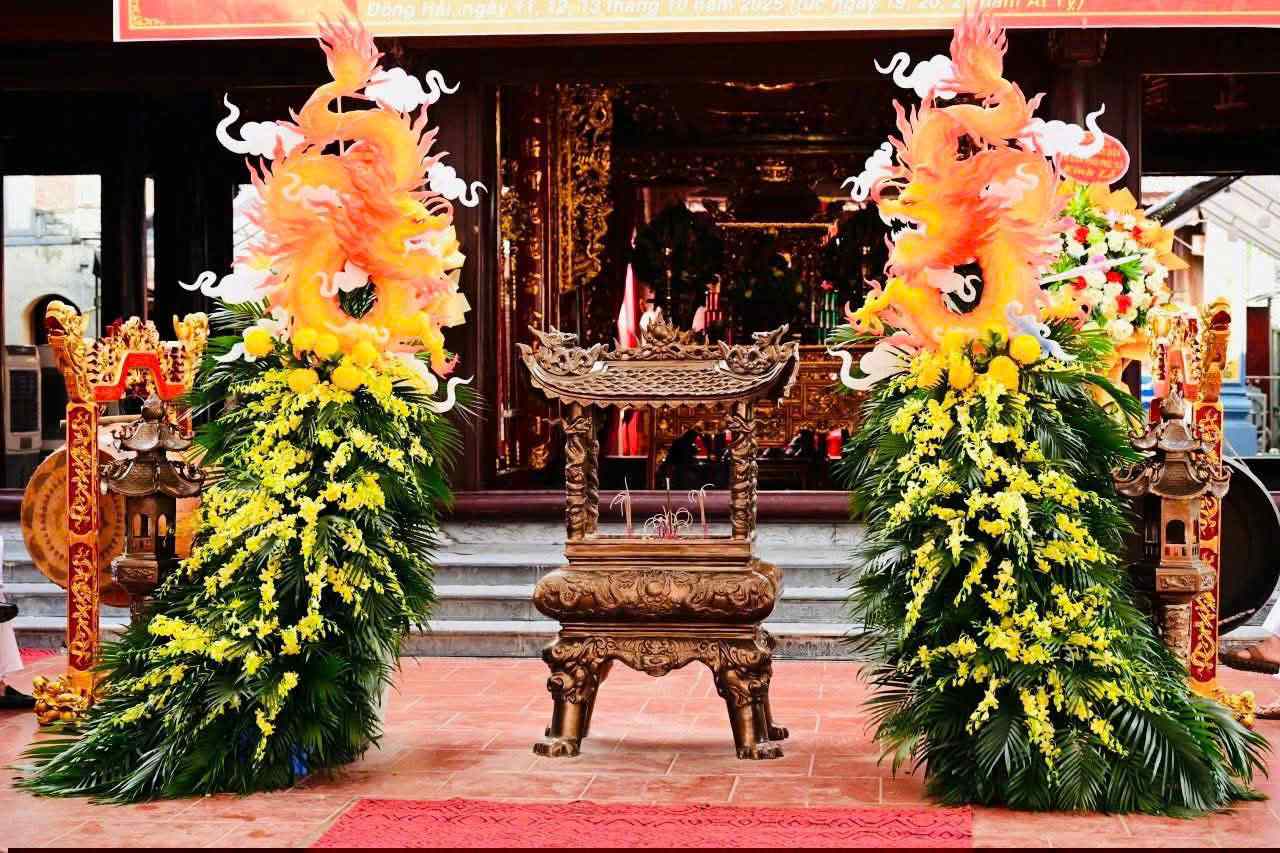
Phu Xa Temple is a place to worship Hung Dao Dai Vuong Tran Quoc Tuan. Legend has it that in those days, to prepare for the great battle on the Bach Dang River, Tran Hung Dao took the ancient Phu Luong village (now Phu Xa residential group, Dong Hai ward) as a place to store grain warehouses, serving combat. The Bach Dang River battle was a great victory, and General Tran Hung Dao continued to choose Phu Luong village as a place to open a festival to reward soldiers before bringing troops back to Van Kiep.
In 1300, when Tran Hung Dao passed away, Phu Luong villagers built a temple to worship Phu Luong (ie Phu Xa Temple today) to commemorate his merits. Phu Xa Temple is not only a place for people to commemorate the merits of Hung Dao Dai Vuong Tran Quoc Tuan but also a place to worship the female logistics general Bui Thi Tu Nhien.
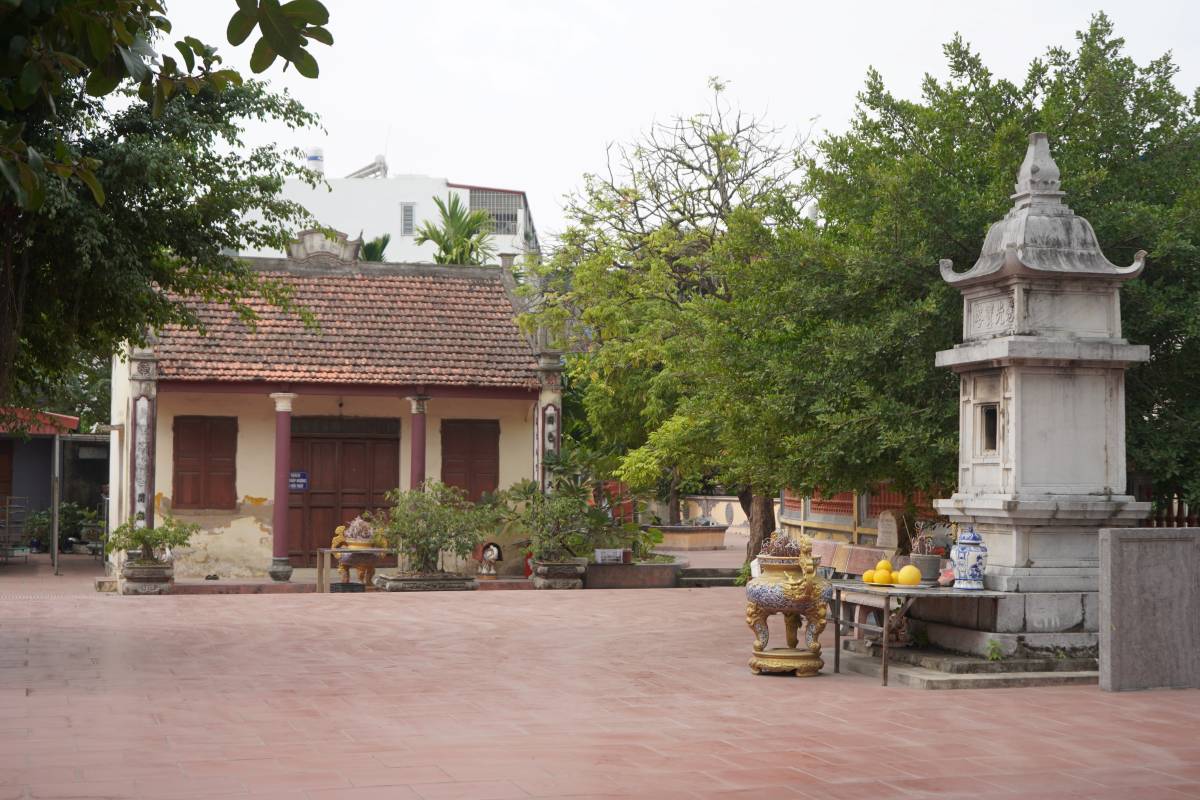
According to historical records, in 1288, when Hung Dao Dai Vuong's army was on their way to fight the Nguyen invaders through the village, Mrs. Bui Thi Tu Nhien - a daughter-in-law of the Pham family of the village with a patriotic spirit not only brought her family's rice but also mobilized villagers to contribute and set up a food warehouse to serve the generals and soldiers of the Tran dynasty to fight the invaders.
Because it was very difficult to carry food to fight invaders on the river, she thought of making rice paper with cooked flour for soldiers to carry as dry food, which was very convenient in combat. To commemorate her merits, before withdrawing troops to Van Kiep, Hung Dao Dai Vuong bestowed upon her the title of General of Logistics.
In 1328, the female logistics general Bui Thi Tu Nhien passed away, remembering the merits of the villagers who carved statues to worship her at Phu Luong temple along with Hung Dao Dai Vuong. In the resistance war against colonialism and imperialism, Phu Xa temple was also a base for revolutionary activities, force building and propaganda to launch struggles, and a place to store weapons, ammunition, and military equipment for transit to the Southern battlefield.
Attractive spiritual destinations
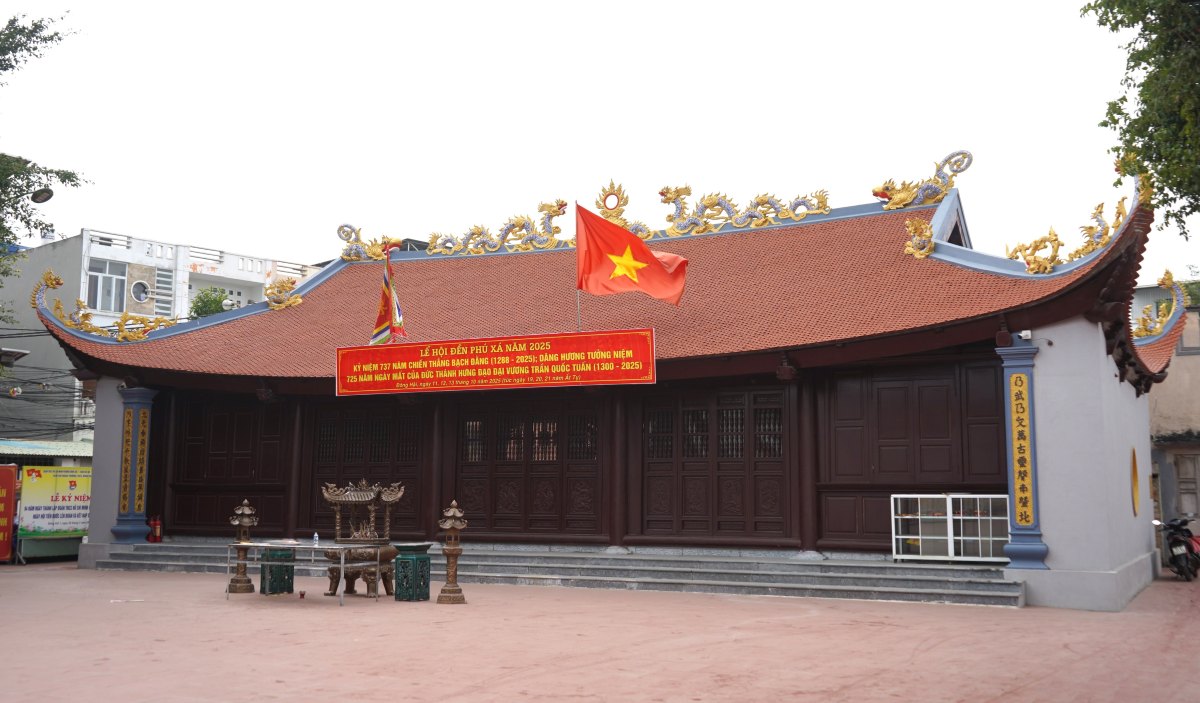
In addition to its long history, in terms of architecture, Phu Xa Temple was initially just a small bamboo-patterned temple, restored during the Tu Duc period (1848 - 1883). After many renovations and embellishments, Phu Xa Temple today has become a majestic architectural work in the style of "noi cong ngoai quoc", including 5 front halls, incense burner, entertainment hall and rear palace.
The decorative architectural lines are carved and painted in the style of Nguyen Dynasty art at the end of the 19th and early 20th centuries. In particular, the statues, antiques, and ceramics of high artistic and sculptural value dating back to the 17th and 19th centuries preserved here have created the historical value of the relic.
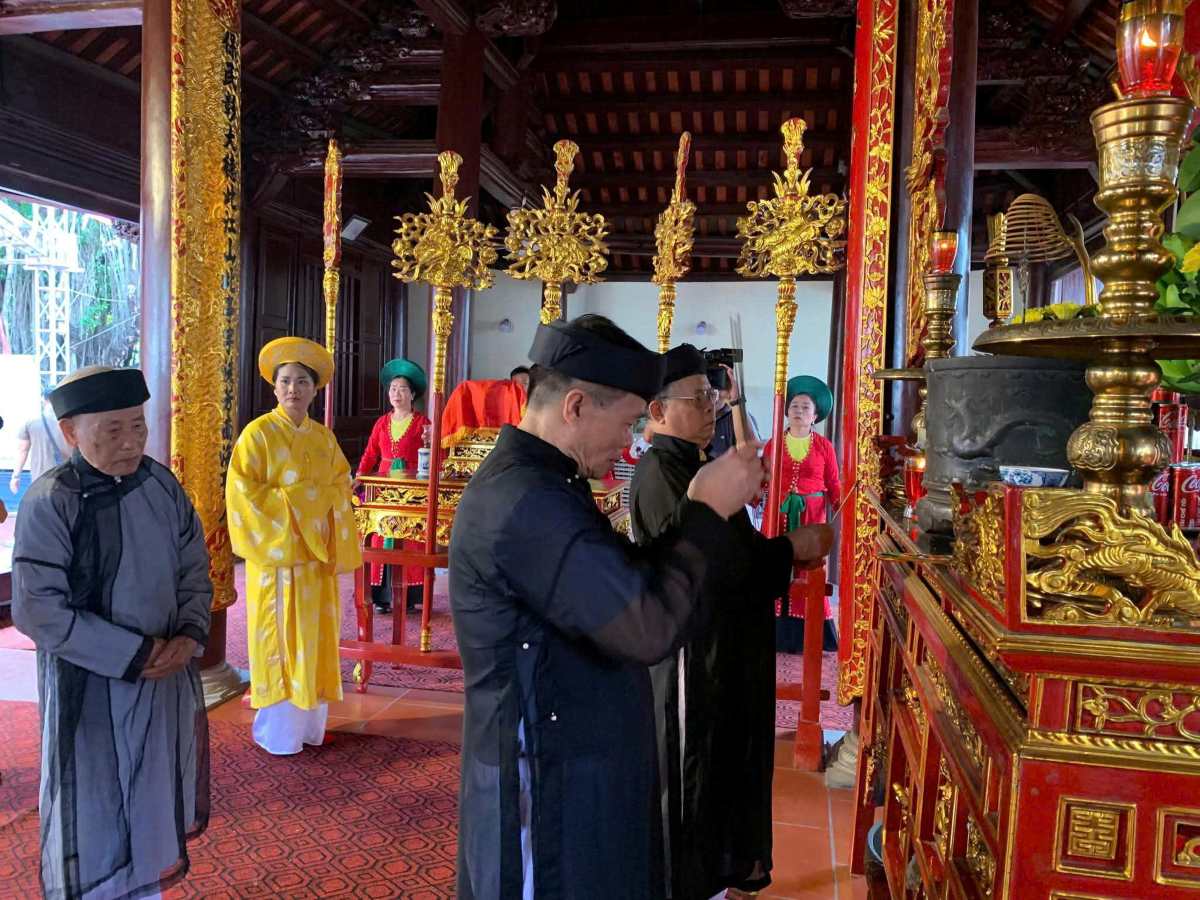
In addition to the main festival of Phu Xa Temple held annually on August 20th of the lunar calendar, commemorating the death of Saint Tran Hung Dao, the villagers also organize an annual festival on March 5th of the lunar calendar - the day of the death of Mrs. Bui Thi Tu Nhien. During the festival season, along with local people and tourists from all over, they also flock to Phu Xa Temple to attend the festival and offer incense in front of the holy gate. Offerings offered during the festival, in addition to incense and fruits, on the offering tray here, there is also a unique offering offered to the holy altar, which are grilled banh da cakes originating from making dry food for soldiers during the Tran Dynasty.
With great historical, cultural and architectural values, Phu Xa Temple was ranked as a national relic by the Ministry of Culture, Sports and Tourism in 1988. The ancient temple along with many relics in Dong Hai ward such as Phu Thuong Doan, Phuong Luu communal house, Than Thien Phuong Luu, Phuong Luu temple, Ve Pagoda form a complex of relics attracting a large number of people and tourists from all directions.
It's a bit of a bit of a bit of a bit of a bit of a bit.


