
Hengdian Film Studio (Kim Hoa city, Zhejiang province) is not only the largest film production center in China, but is also considered an independently operating "cine city" with full of hotels, tourist areas, logistics services and a huge set system serving the entertainment industry.
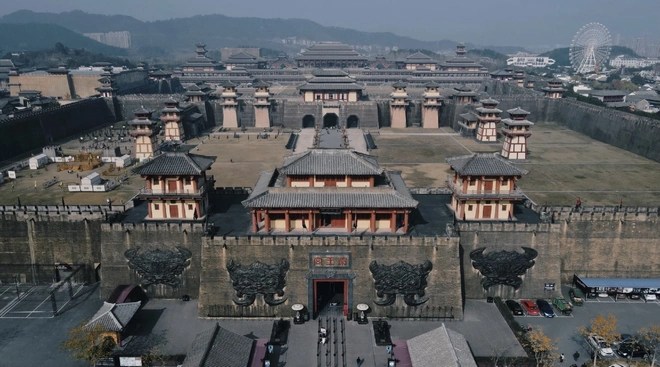
Few people know that before becoming "Hollywood of the East", Hengdian was just a poor rural area specializing in silk production.
A turning point appeared in the mid-1990s when businessman Tu Van Vinh decided to invest in building a film studio to support the film crew of director Ta Tan's "War on Opium".
From a project serving cinema, Hengdian gradually expanded into a film studio complex with an area of about 30 km2.
According to Chinese media, the special feature of Hengdian lies in the fact that it almost completely recreates many famous historical works of China.
The Minh Thanh Palace area is built in proportion close to the Forbidden City in Beijing. In addition, there are also scenes simulating the Qin Dynasty palace, Hong Kong (China) streets in the 1930s, the republic or ancient Hoa Ha style buildings.
Another little-known detail is that Hengdian once built a restored version of Yuanmingyuan - a famous palace destroyed in Chinese history.
Thanks to the large-scale set system, many film crews can simultaneously film in different areas without affecting each other.
According to statistics, nearly 30,000 film, television and advertising works are filmed at Hengdian each year. Many famous films such as "The Legend of Yanxi", "The Empress of China", "The Hero", "The Crouching Tiger of Tang Long" or "Kung Fu King"... have been filmed here. Some Hollywood projects also use this film studio to film Asian scenes.
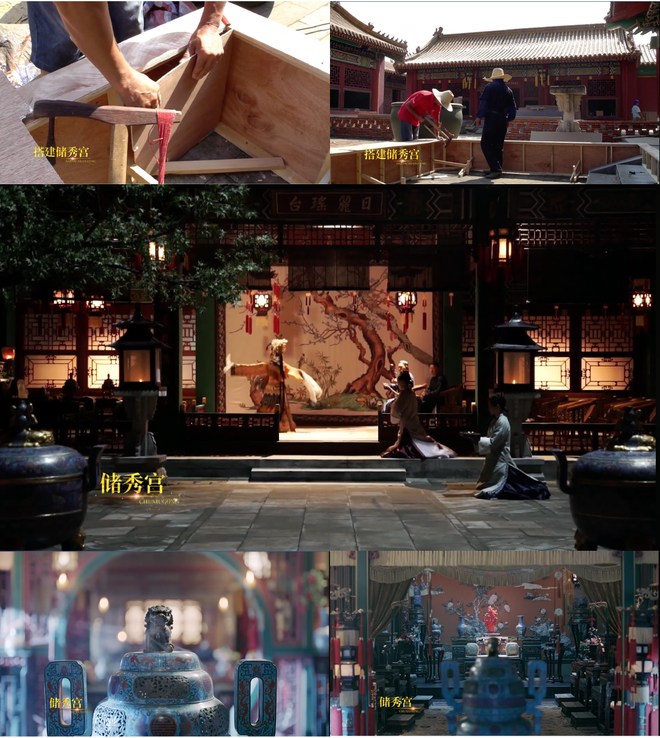
Not only serving cinema, Hengdian is currently a famous tourist destination with more than 12 million visitors per year according to local statistics.
Visitors can buy tickets to visit each film studio area, rent ancient costumes, transform into ancient characters or directly watch film crews work.
According to introductions from the Zhejiang tourism industry, many performance programs recreating battles, court rituals and folk activities are also regularly organized to serve visitors.
Another special factor is that Hengdian almost formed a whole professional ecosystem revolving around cinema.
Tens of thousands of extras gather here to seek opportunities to participate in movies. Many people work in the form of waiting for roles every day through local actor associations.
According to media reports, instead of charging high fees from film crews, Hengdian develops revenue from tourism, hotels, costumes, logistics services and equipment rental. This model helps this place both maintain large-scale film activities and become a special tourist destination of China.


