
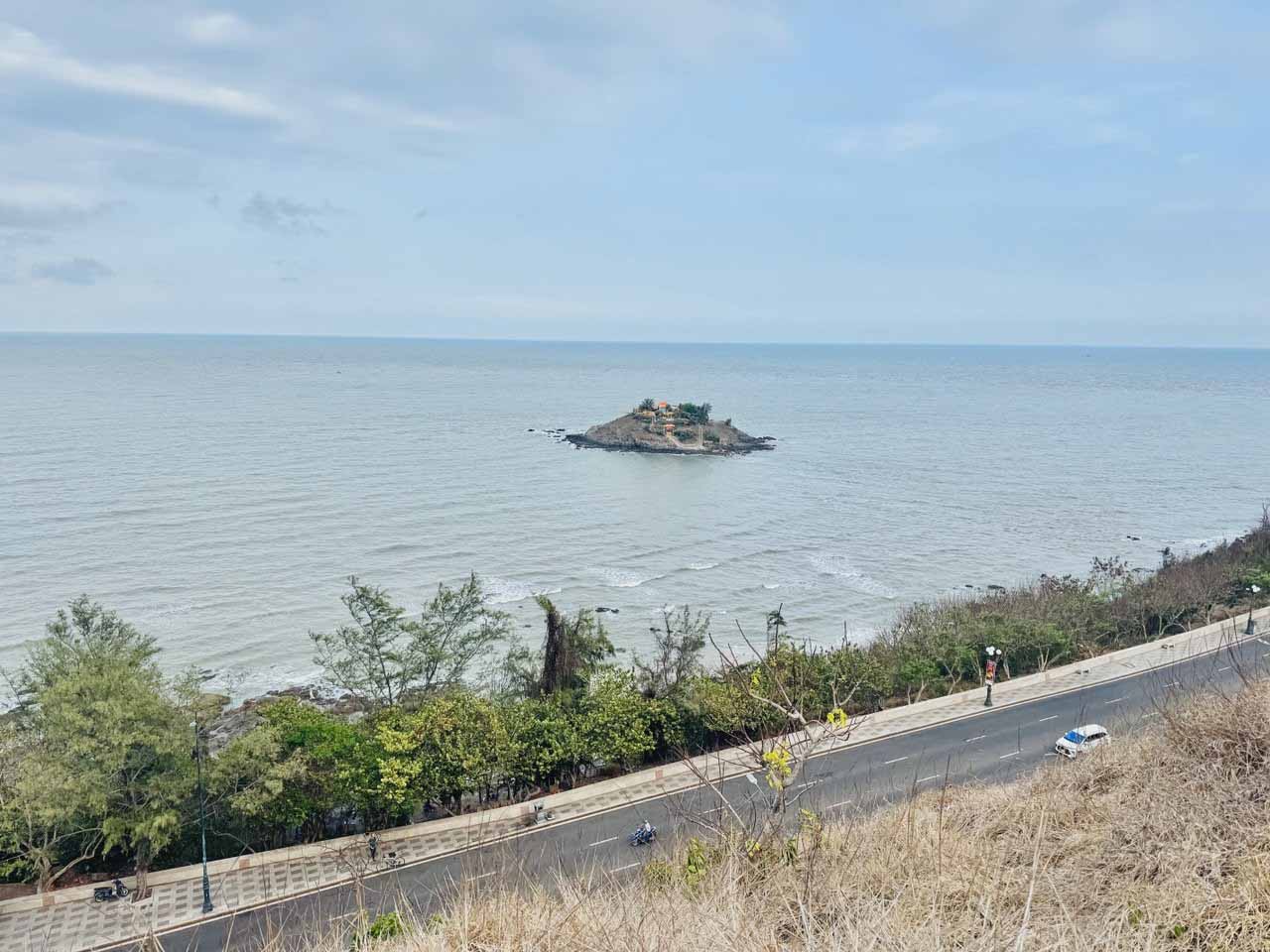
Located lonely off the coast of Bai Sau of Vung Tau (HCMC), about 200m from Nghinh Phong Cape and the foot of Nho Mountain, Hon Ba is a famous spiritual destination with mysterious colors. With an area of only 5,400 m2, the special feature of this island is the rocky road hidden in the ocean connecting to the mainland.
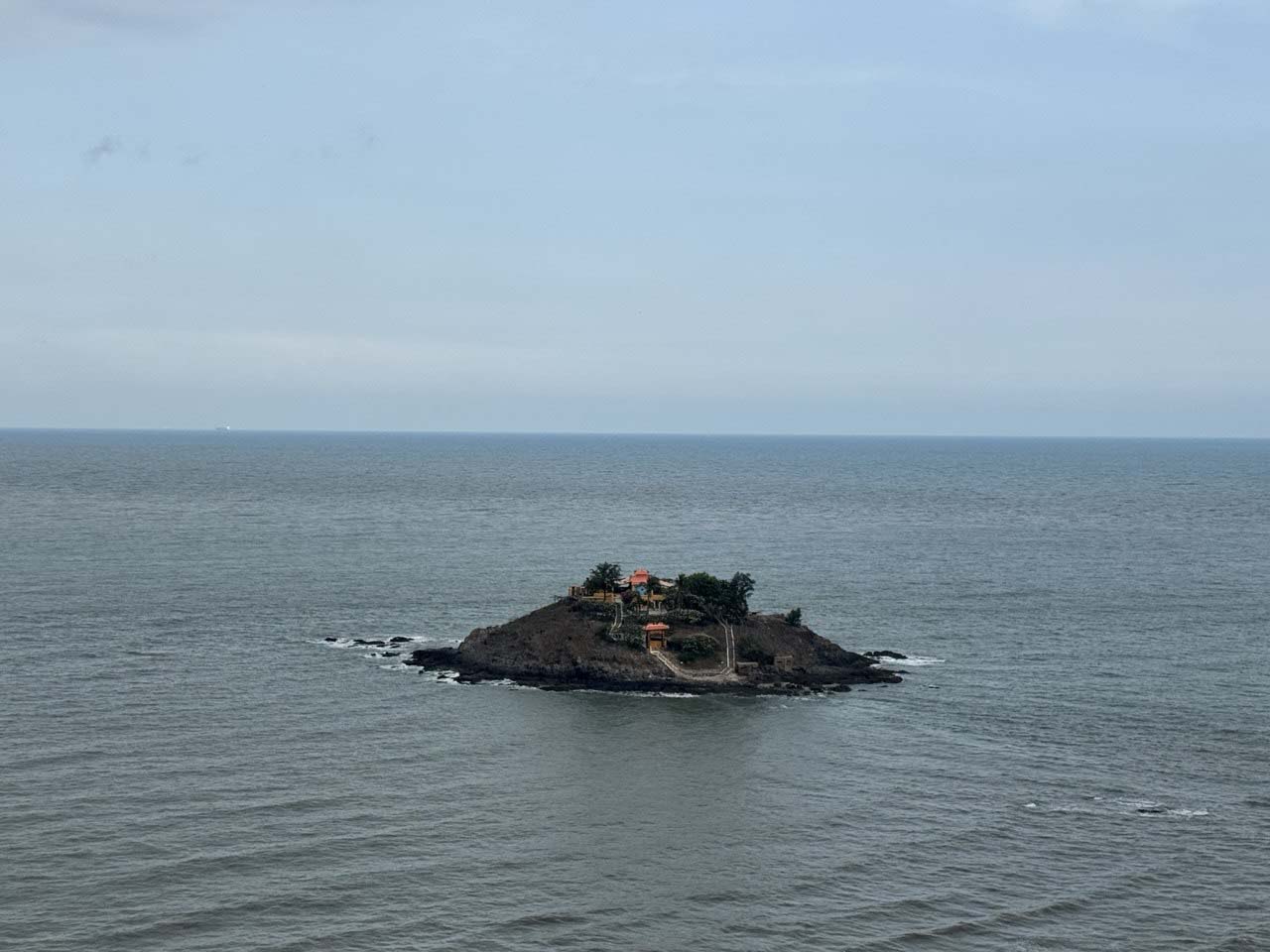
This path only appears when the tide recedes deeply, forming a natural stone strip connecting the mainland with Hon Ba island. This unique phenomenon usually occurs most clearly on the 1st and 15th days of the lunar month, attracting many tourists to visit and explore.
Depending on the tide, the road opening time may be around 5 pm or appear from early morning to noon. From the center of Vung Tau, tourists move to the foot of Thuy Van slope area, walk along the beach for about 10 minutes before taking another 15-20 minutes to cross the stone strip to the island.
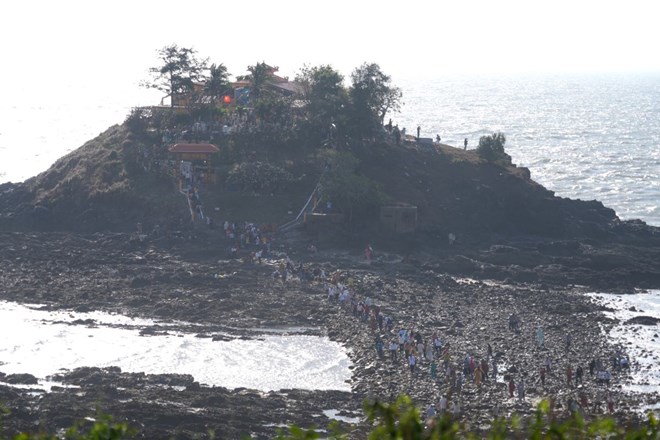
On the island, there is currently Hon Ba Temple, a familiar destination for people and tourists every time they visit the coastal city. This temple was built in 1781 to worship the sea goddess Thuy Long.
Local people and fishermen in Ba Ria - Vung Tau region always come here to pray for peace and luck. They hope the sea god will bless them with smooth sailing trips, bringing back full boats of fish.
In 1971, the temple was restored, expanded its campus and built solid gates. In particular, below the temple there is also a 6m long and 3m wide basement of historical relics, which used to be a secret meeting place for revolutionary forces.
Ba Temple is built in a traditional style with a spacious worship space. The temple gate consists of 2 reinforced concrete pillars supporting the tiled roof, on the roof decorated with a stylized motif of two dragons worshiping the moon. From the gate, visitors follow a system of concrete steps to get to the main hall.
Mr. Bao Chau, a tourist from Ho Chi Minh City, said that you should wait about 30 minutes after the tide completely recedes before starting to move to Hon Ba island. According to him, when the water just recedes, the stone surface is still slippery, while when the stone is drier, it will stick to the feet and be convenient for travel.
Sharing practical experience, Mr. Chau said: "The day I went, the water receded from about 11 am to 1 pm. Tourists should step into the crevices between the rocks, avoiding stepping directly on the smooth rock surface because it is very easy to slip and get an ankle injury. Seawater rises back quite quickly, so it is necessary to proactively arrange travel, sightseeing and worshiping time for about an hour to ensure safety.
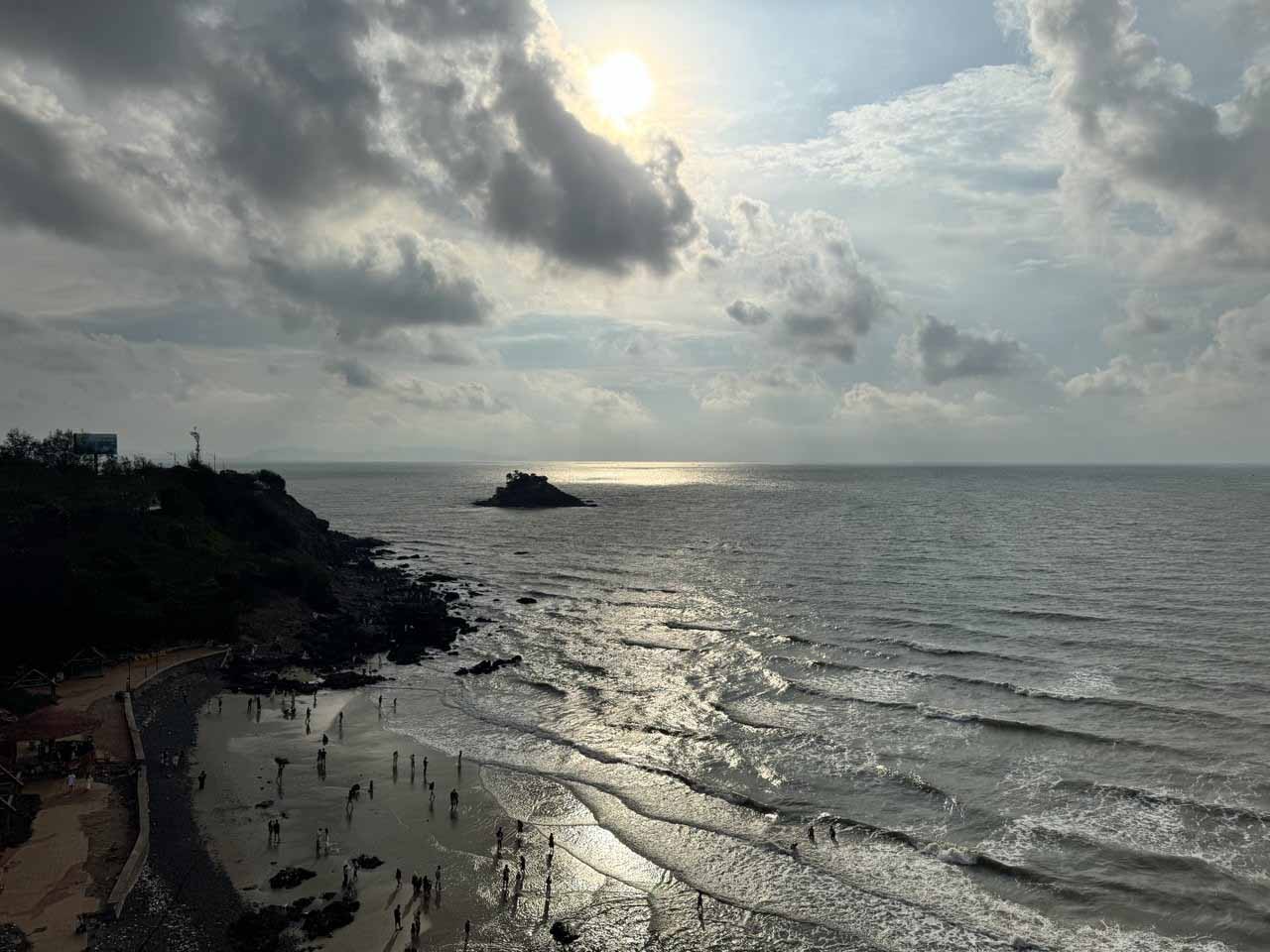
Every year, the temple organizes 4 major festivals on the full moon days: January, April, July and October of the lunar calendar. On these occasions, the worshiping ceremony takes place on a large scale, attracting a large number of people and pilgrims through the stone road from early morning, creating an extremely vibrant and sacred spiritual atmosphere.
From November to April of the following year is the best time to visit Hon Ba. The weather at this time is less rainy, the sky is clear blue, the sea is calm and the sunlight is not too harsh, favorable for walking and exploring.


