In Muong Lay ward, Dien Bien province, the hairwashing ceremony (old name in the white Thai language is "mu lung ta" - day to go down to the stream), today called "xa ho chieng" is a custom that has existed since ancient times, and has been passed down from generation to generation.
To this day, the hair washing custom is still maintained by the Thai ethnic people in the White Thai industry.
The hair wash ceremony is held annually on the afternoon of the 30th of Tet, at Nam Lay stream, with the meaning of washing away the bad luck of the old year, welcoming the luck and good things of the new year.
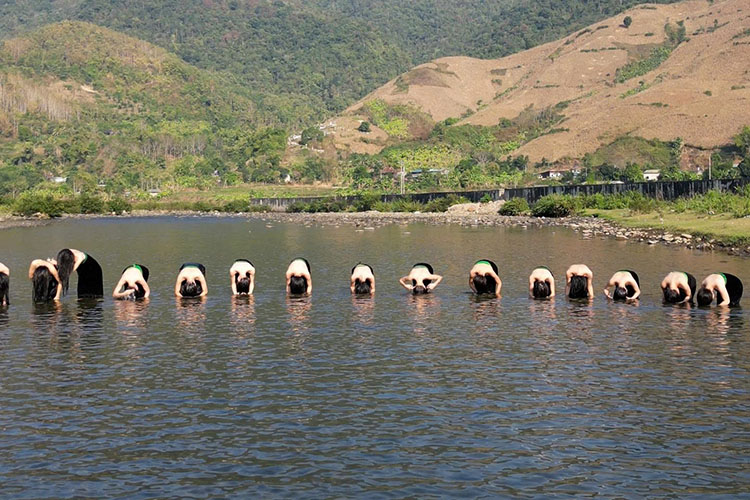
According to the beliefs of the white Thai people in Muong Lay, Nam Lay stream is a stream associated with the daily life of the people, a place where people regularly come to bathe and wash clothes every day.
The custom of shampooing must be performed in a place where the flowing water will sweep away the bad luck of the old year, never return, welcoming the good and lucky things of the new year along with the new flow.
The time of performing the ritual usually takes place in the afternoon of the last day of the year, before sunset (usually from 3 pm to 5 pm).
Explaining this, the elderly in Muong Lay said that the hair wash ceremony is associated with arranging a tray to worship ancestors. Before offering the ceremony, children and grandchildren must be washed thoroughly. If they are not washed thoroughly before the sun sets, the bad luck of the old year will last until the new year.
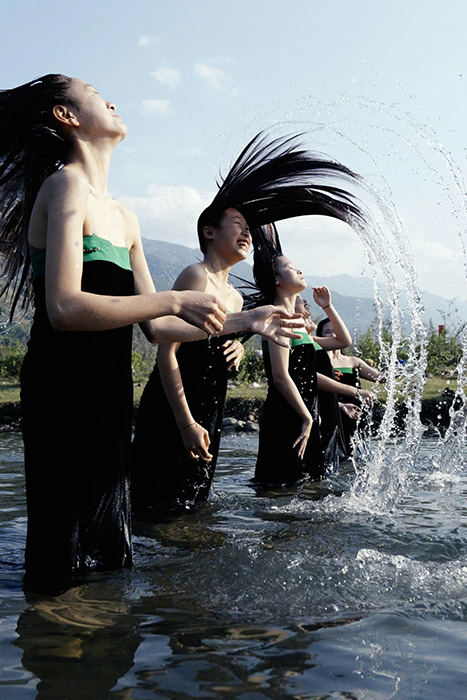
Early in the morning of the 30th of Tet, after slaughtering pigs, cleaning the house and preparing offerings, each family begins to prepare shampoo.
Ingredients for the ritual include: pot of bo ket water, rice water (specially for women and contained in bamboo tubes), grapefruit branch leaves with thorns or lemon branch leaves with thorns, hair comb.
After informing ancestors, the whole family will go to Nam Lay stream together to perform the hair wash ceremony.
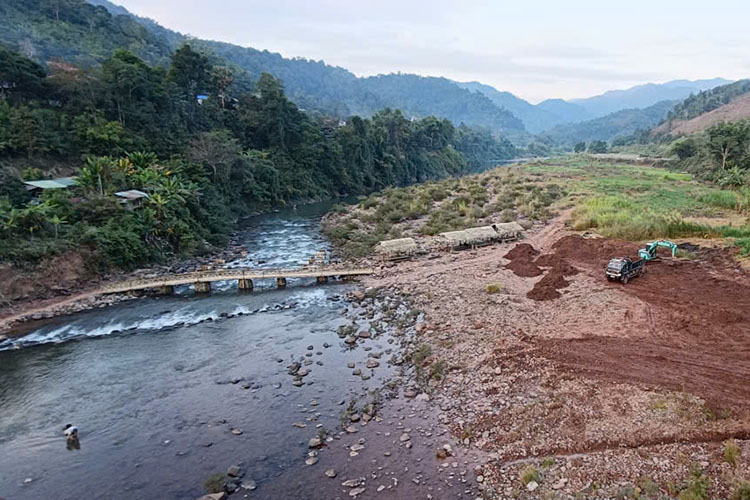
According to the leader of the Culture and Social Department, Muong Lay ward, before, the hair wash ceremony was always organized centrally, creating a joyful atmosphere by the stream bank. However, since the implementation of the Son La Hydropower resettlement project, the stream has narrowed, no longer flowing as strongly as before.
Besides, the "urbanized" life with modern closed houses makes many families switch to shampooing at home.
Over time, the first call ceremony is still maintained but is no longer performed in a concentrated scale by village as before, some households, especially young households, no longer perform this ritual.
We really hope that the hair wash ceremony will be restored and implemented according to the annual traditional customs so that the good cultural heritage of ethnic minorities can retain its value and not be lost" - representative of the Culture and Social Department, Muong Lay ward said.
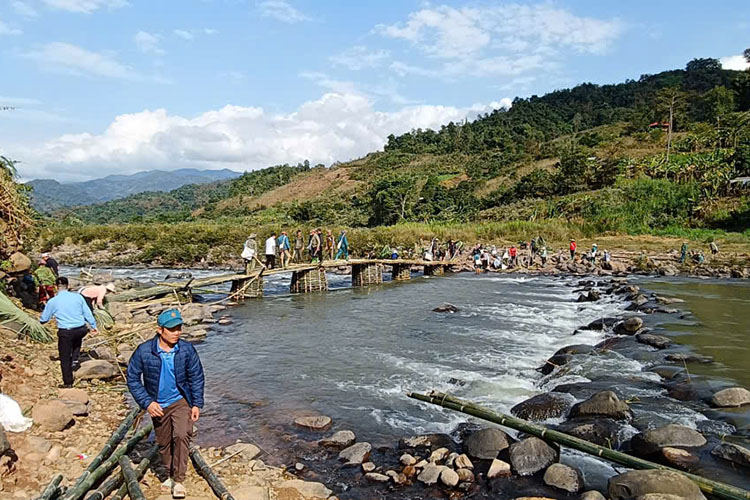
On February 16th (ie, the 29th day of Tet), the People's Committee of Cha To commune, Dien Bien province will organize a traditional hair washing festival in Vang Xon village. This is a key cultural event, opening a series of spring celebration activities of the commune. The restoration of the festival in Vang Xon village not only meets the needs of the people but is also one of the activities to preserve the traditional cultural beauty of the Thai ethnic group.