
Located in the border area between Son La and Yen Bai, Ta Xua has long become a familiar destination for tourists who love to hunt clouds and explore the Northwest nature.
About 200 km from Hanoi, Ta Xua prairie in Ta Xua commune, Son La province is located at an average altitude of 1,500 - 2,000m above sea level.
This place possesses a cool climate all year round and continuous mountain ranges creating a scene that is both majestic and poetic.
The period from December to March of the following year is considered the most beautiful cloud hunting season in Ta Xua.
Dense white clouds cover the mountainsides, creating a feeling of being lost in a fairyland.
Early in the morning, visitors can sit and enjoy coffee in the chilly space, watching layers of clouds drift slowly through the valley.
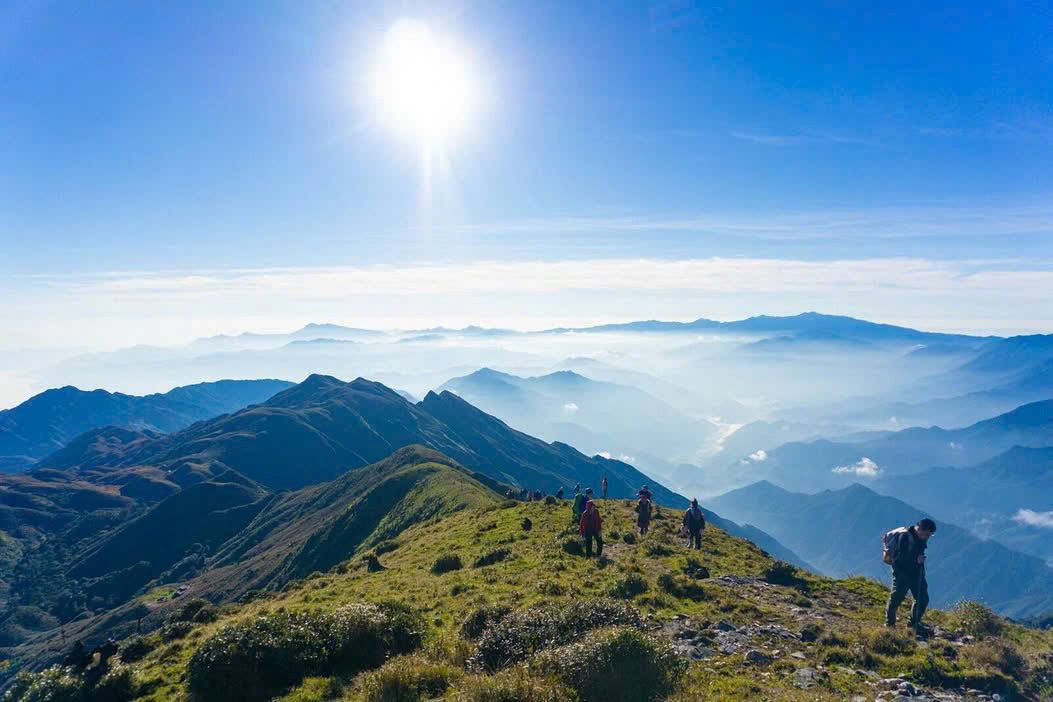
Not only attractive in the cloud hunting season, Ta Xua at every time of the year has its own beauty. Spring and early summer, the mountains and forests are covered in the green of trees and fields. Autumn brings a clear atmosphere, suitable for resort trips, trekking and experiencing local life.
One of the most famous check-in spots here is the lonely tree located on a high hillside. Amidst the vast sky and floating sea of clouds, the image of an ancient apple tree creates a poetic scene, attracting a large number of tourists and photographers.
Hong Nhung (a tourist from Hanoi) excitedly shared: "I like to go to Ta Xua because I can see clouds, stars and sunsets. I like to go in the summer because when I go, I can take pictures of green steppes, easier to hunt clouds and stars without fog.
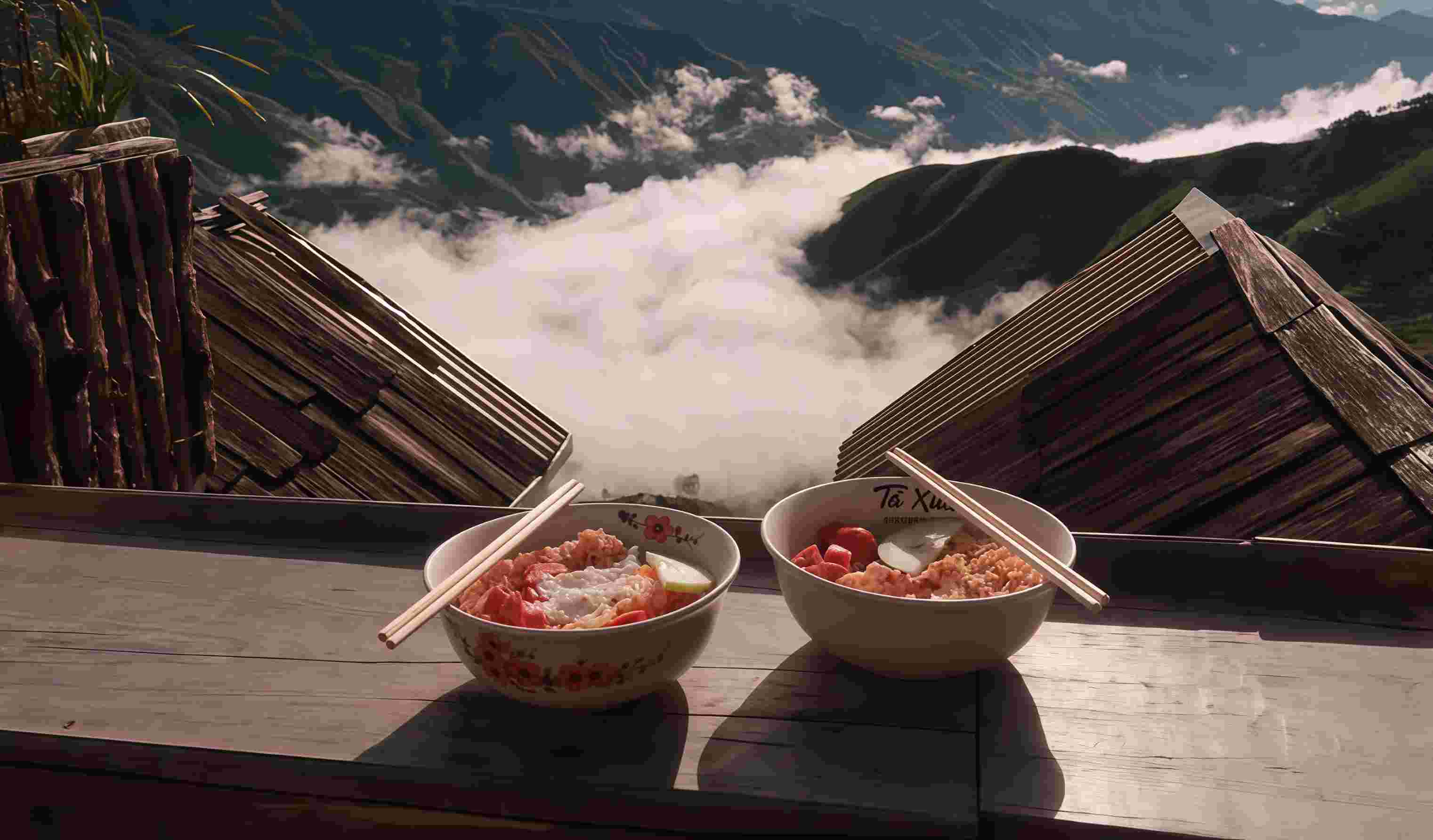
According to the experience of many backpackers, the ideal time to hunt clouds is after rainy days and the sky starts to get sunny. When the air humidity is high and there is a temperature difference between day and night, the possibility of a beautiful sea of clouds will be clearer.
Besides the natural landscape, Ta Xua also scores points thanks to its peaceful rhythm of life and homestays located in the middle of the mountains and forests.

The rustic, intimate space helps visitors temporarily leave the city noise to enjoy a relaxing feeling amidst the Northwest nature.


