
Wishing to return to my hometown for tourism
Growing up in Tong Pang village, Lam Thuong commune, Lao Cai province, Xoi graduated from Hanoi University of Social Sciences and Humanities in 2014. little Tay always wants to bring the beauty of her hometown to domestic and foreign tourists.
"My hometown is as beautiful as other famous destinations in the Northwest, just a little effort is needed for everyone to explore it," Xoi shared.
Growing up in a farming family, where the Tay ethnic group accounts for more than 80% of the population of Lam Thuong and Xoi communes, they are familiar with familiar images: the rice fields winding along the mountainside, the roofs covered with palm leaves and the cool water from the stream. In her childhood, she witnessed the gradual fading of local customs when many young people left the village to go to the city to find jobs.
After graduating, Xoi started his career as a tour guide for a travel agency in Hanoi, taking visitors to rural mountainous areas.
Those experiences not only helped her stabilize her finances but also aroused her feelings. " Tourists are often fascinated by the natural beauty of the highlands, but why is my village forgotten? I want them to come here to fully feel the rhythm of the Tay people's lives," she expressed.
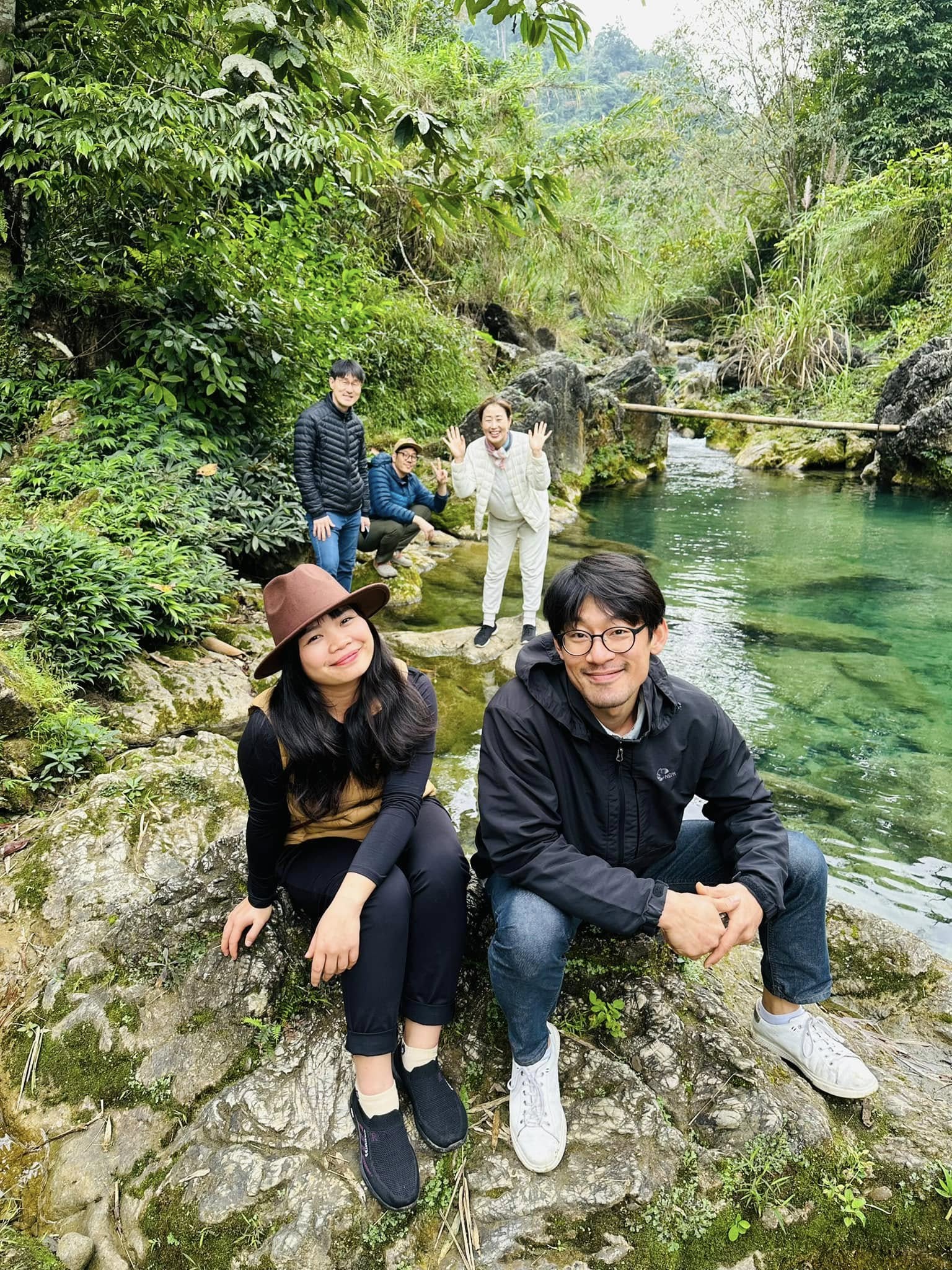
In 2017 - 2018, after three years of working and collecting capital, Xoi returned to his hometown. At that time, Lam Thuong was still a remote area, more than 250km from Hanoi, located on the road connecting Sa Pa with Ha Giang with a bumpy road and people were not used to the concept of tourism. It was that peace that became a special opportunity for her.
Thanks to the ability to communicate in Xoi English, they began to experience and introduce to Western visitors to local highlights such as Na Ken Cave, Thuong Duong, Bo Khe; Nam Chan Stream Waterfall, Khuoi Luong and traditional festivals... The girl of Tay believes that tourism must be associated with cultural stories, so that visitors can immerse themselves in local lifestyle, not just sightseeing.
Building a stay-at-ase farm to attract Western guests from family stilt houses
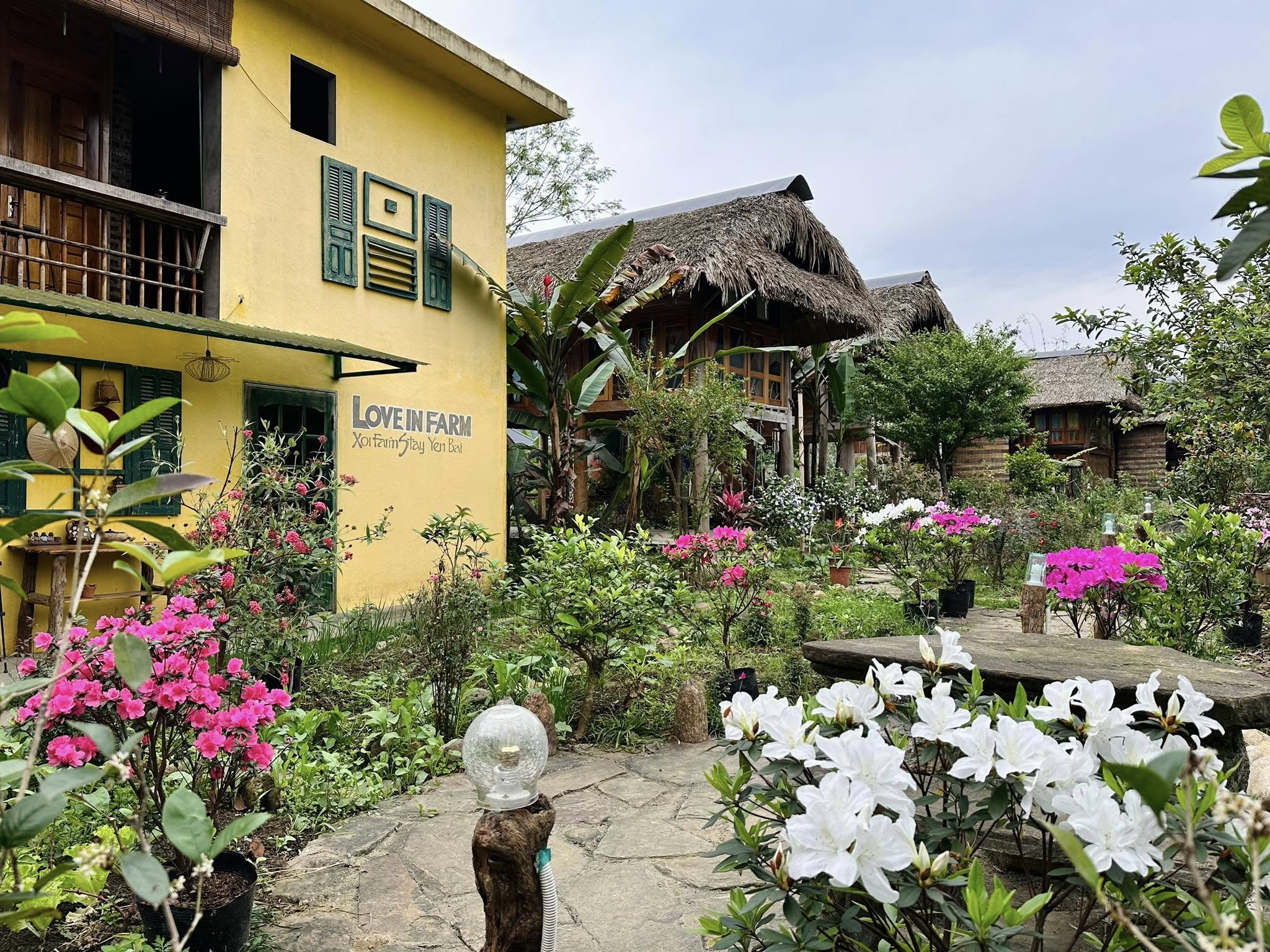
In 2017, Xoi invested all of his savings from three years of work to renovate the family stilt house in Tong Pinh Cai village, turning it into a stay space combined with a farm in Lam Thuong village. Thestay Farm has a design that prioritizes the elements of closeness to nature: using local wood, palm leaves, gravel from the river, and traditional decorative details.
The journey to build a farmstay was mentally supported by her family but also encountered many material difficulties. The first problem is infrastructure: Lam Thuong is more than 250km from the center, with winding roads through steep passes, making transporting materials difficult. Xoi arbitrarily sought out the design, negotiating with the village workers to preserve the characteristics of Tay.
Xoi's next difficulty is how to promote farmstay. "In the first months, the number of visitors was small, mainly from the country. I had to self-study promoting through social networks, taking landscape photos to post on booking platforms," she recalled, when talking about the period when the revenue was not enough to cover the repair costs. The Covid outbreak in 2020 made the situation more difficult, as international and domestic tourists decreased sharply. It is necessary to be flexible: organize craft classes for local women, produce local products such as dried bamboo shoots, dried water hyacinth cocoa... to trade more and persistently learn from mistakes.
After initial difficulties and the pandemic, visitors have returned to Xoi's farmstay more evenly. The wild natural beauty has helped Lam Thuong leave a deep impression on visitors. The cool climate, rich flora and fauna with old forests, rapids and caves create an ideal space for relaxation, like a real "oasis". "The Primeval Forest as a painting" shared Paul Egan, an Australian tourist in Xoi Farmstay for 20 days.
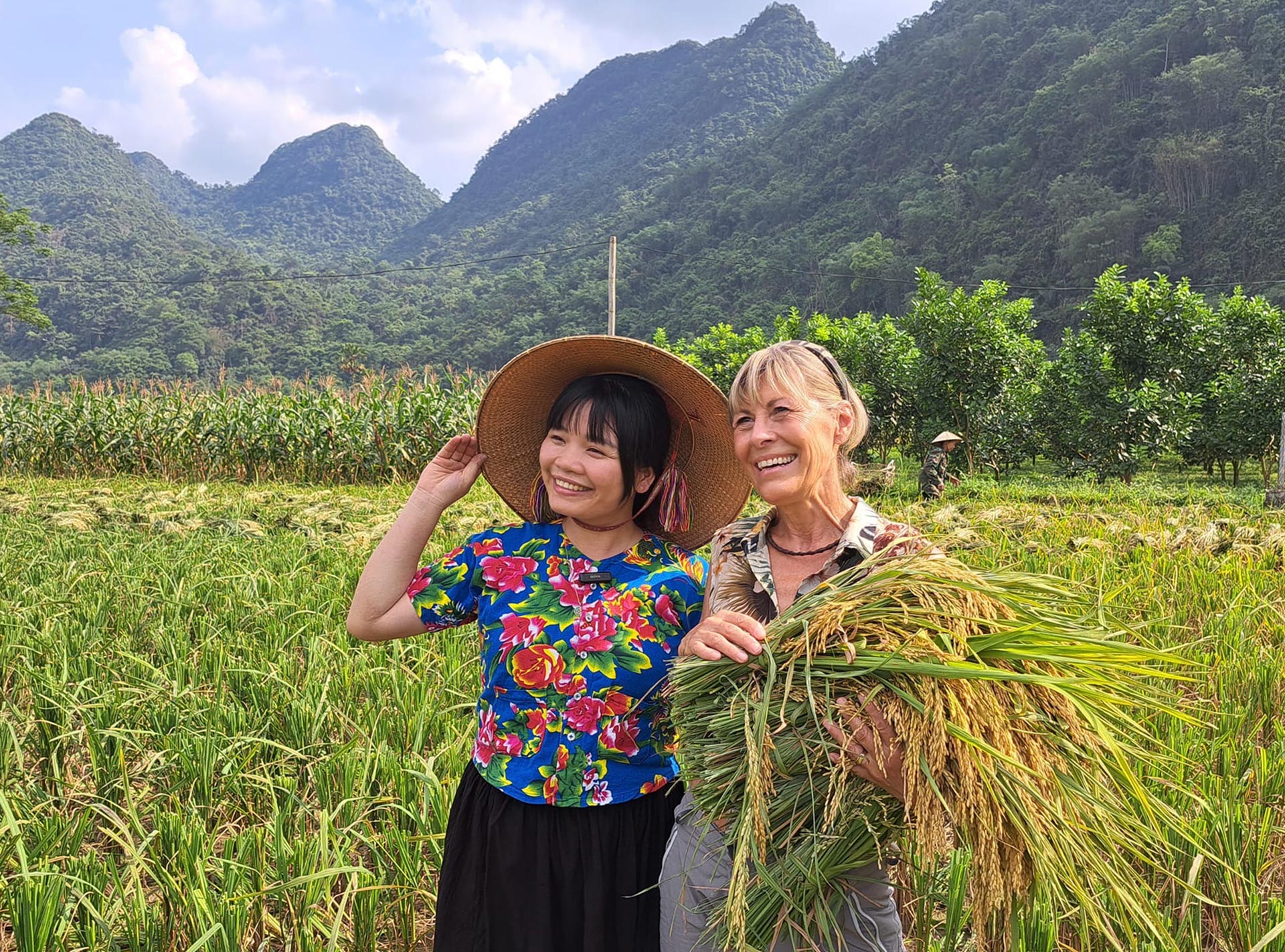
In addition to nature, the biggest advantage of community tourism in Lam Thuong is the treasure trove of Tay culture: Then singing, Tinh lute music, countless specialties such as sticky rice with five colors, fish suddenly, hill chicken, goosebumps... With proficient English skills, Xoi easily guides tourists from Europe, England, Australia, which is attracted by its authenticity and no commercial variety. "They were surprised to plow the fields and dry forest products with everyone, instead of just stopping at taking pictures," Xoi said.
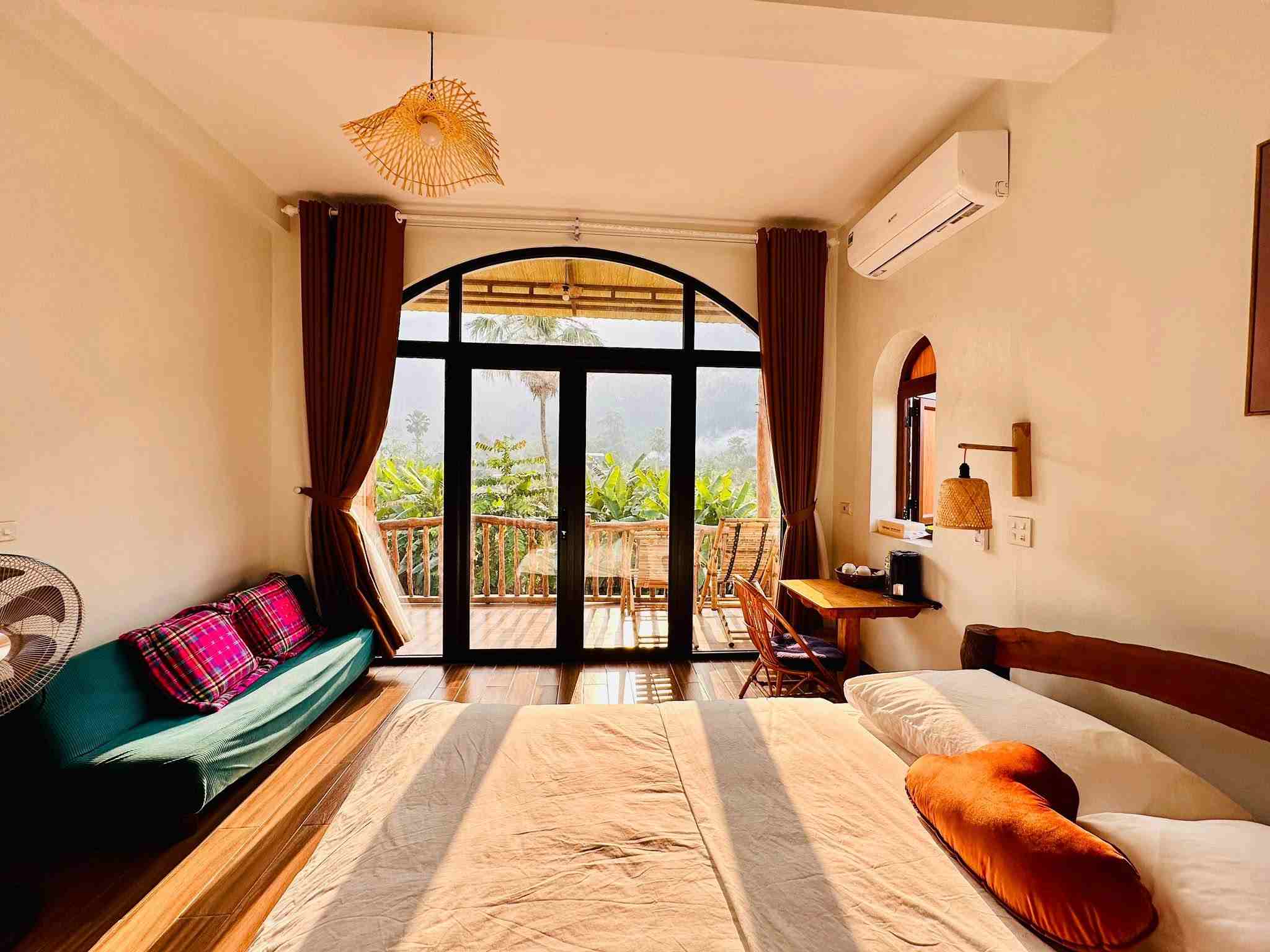
The stilt house for a collective bedroom with simple mattresses has now been replaced into 5 private wooden bungalows and a solid house with 4 closed rooms to meet the new needs of tourists. stay Farm after 8 years of change received many positive responses: a score of 4.9/5 on Google and 9.8/10 on Booking, welcoming thousands of domestic and foreign visitors. The room occupancy rate is up to 70% during peak months from September to December and February to April. During peak months, it can welcome up to 100 visitors. Stable revenue allows her to expand cooperation with surrounding households.
Positive impact of community tourism
Xoi's Homestay is not only a place for tourists to stay but also a typical model that creates motivation to change the face of Lam Thuong commune tourism. Currently, the whole commune has 10 homestay accommodation locations and 5 traditional art troupes serving tourists, welcoming more than 25,000 tourists per year; the average income per capita is estimated at 46.5 million VND in 2025. 100% of service and tourism businesses have implemented cashless payments; OCOP products, typical products are put on e-commerce platforms...
According to Lam Thuong Commune People's Committee, the whole commune has over 1,400 households, of which over 80% are Tay ethnic people, and almost all of them still live in stilt houses.
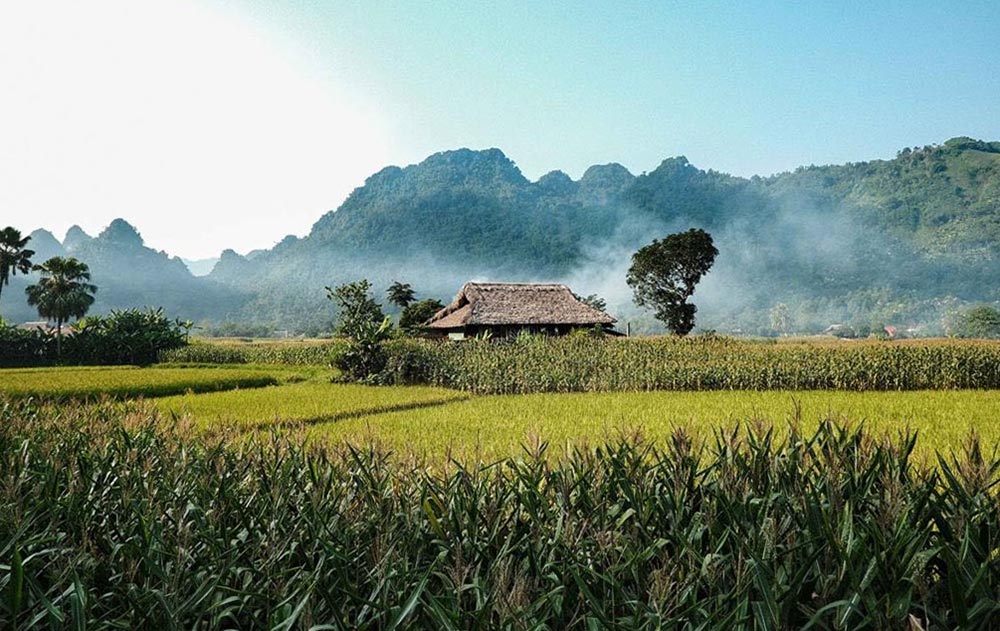
In the past 10 years, some households have invested in accommodation, can provide cooking services, tour guides, and organize art programs to serve domestic and international tourists. In the commune, there are some typical homestay and farmstay tourism models such as Xoi Farmstay, Moc Farmstay, Jack Ecolodge...
The economic impact is clearly shown through the creation of additional jobs, Xoi's family earns 8 million VND/month, along with seasonal jobs earning 300,000 - 350,000 VND/time, peak months reaching 10 million VND.
In addition, women in the village learn how to make conical hats and weaves to sell souvenirs; men take a tour to explore Lung Trang peak or Khau Chau Chau mountain. Average income per capita will reach 46.5 million VND in 2025, supporting the goal of long-term hunger eradication and poverty reduction, towards a model new rural commune by 2030.
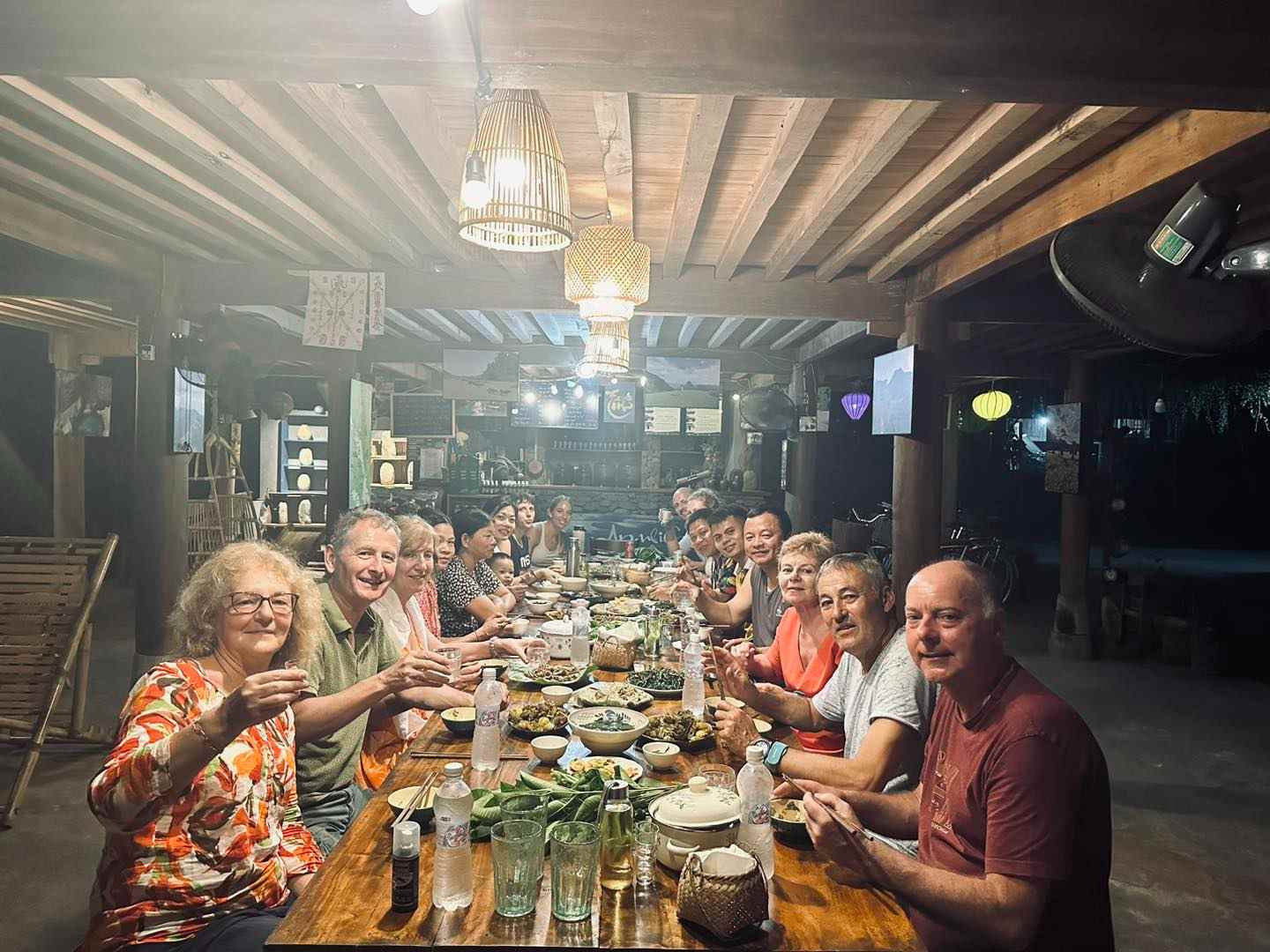
In terms of social culture, community tourism has revived the identity of the Tay people. People restore ancient festivals with playing card games, rice grinding, or folk activities such as shooting, tug of war, and football in the village yard. Children have access to foreign languages through interacting with Westerners, women maintain traditional costumes instead of following modern trends.
Tay girl commented that tourism makes the village more neat, the younger generation is more proud of their ethnic origin. For Xoi, the biggest change is that the village is no longer lacking in spirit. Community tourism is painting a new picture for Lam Thuong: from a remote land to a place "close to paradise".


