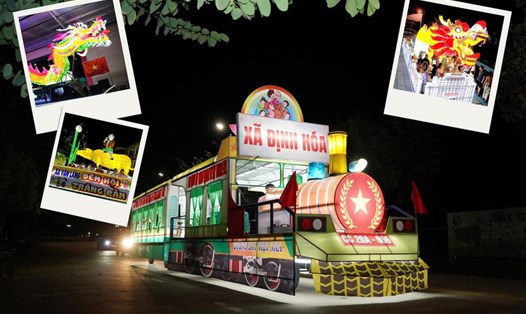
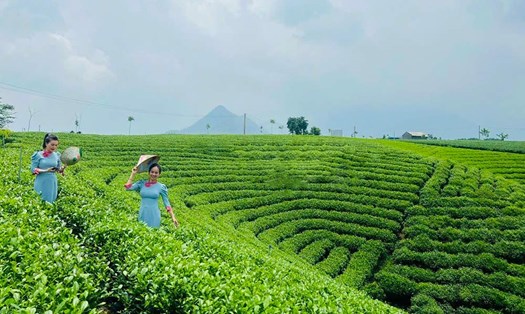
At the end of 2003, in the middle of a pristine land in Xinjiang, Thai Nguyen province, the first stilt houses were built, opening the birth of a special village named Thai Hai. With consensus and belief in a common dream, the people here have gradually turned the barren land into a prosperous community, preserving the core of Tay ethnic culture and opening up a direction for sustainable tourism development.
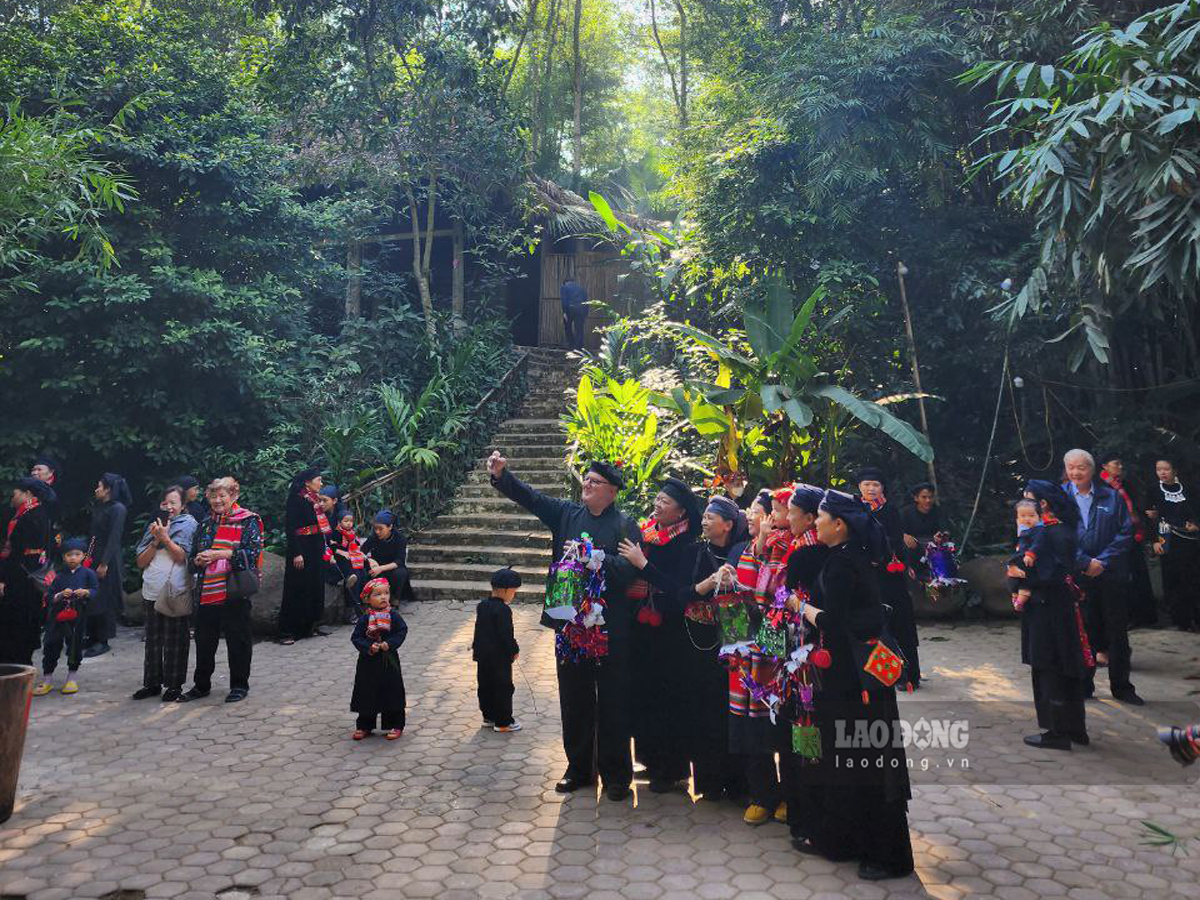
From hardship to community cohesion
More than 20 years ago, Ms. Nguyen Thi Thanh Hai, the head of Thai Hai village, came up with the idea of buying back the ancient stilt houses of the Tay people in the Special National Historical Site of Dinh Hoa (Thai Nguyen province) to restore to their original state on a new plot of land. Not stopping at architectural preservation, Ms. Hai invited the owners of stilt houses to the village to live, together creating a Tet ethnic cultural conservation area both in physical and intangible.
That idea, in the early 2000s, was probably considered risky. However, it is the perseverance of the initiators and the belief of the people that laid the foundation for a unique community model: living together, working together and preserving culture as a part of the blood.
In the first year, life in Thai Hai village was extremely deprived. People have to raise livestock and plant trees to create forests to maintain their livelihoods. No one stood outside the same camera cycle. Each family and individual contributes to the survival and development of the village.
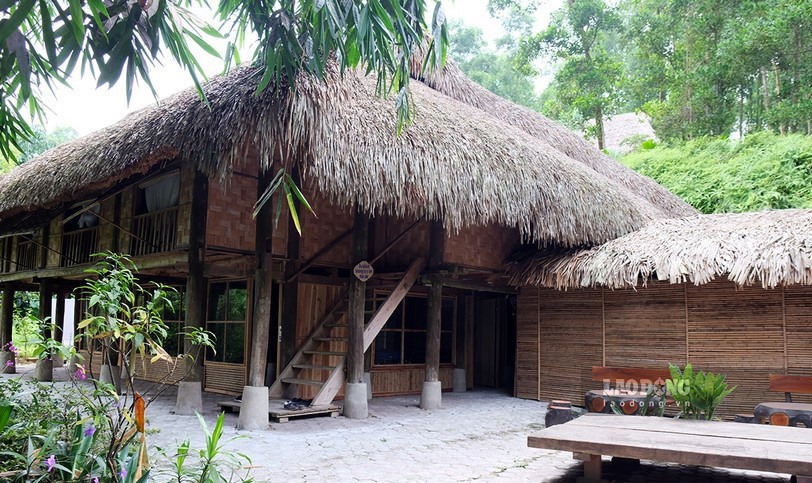
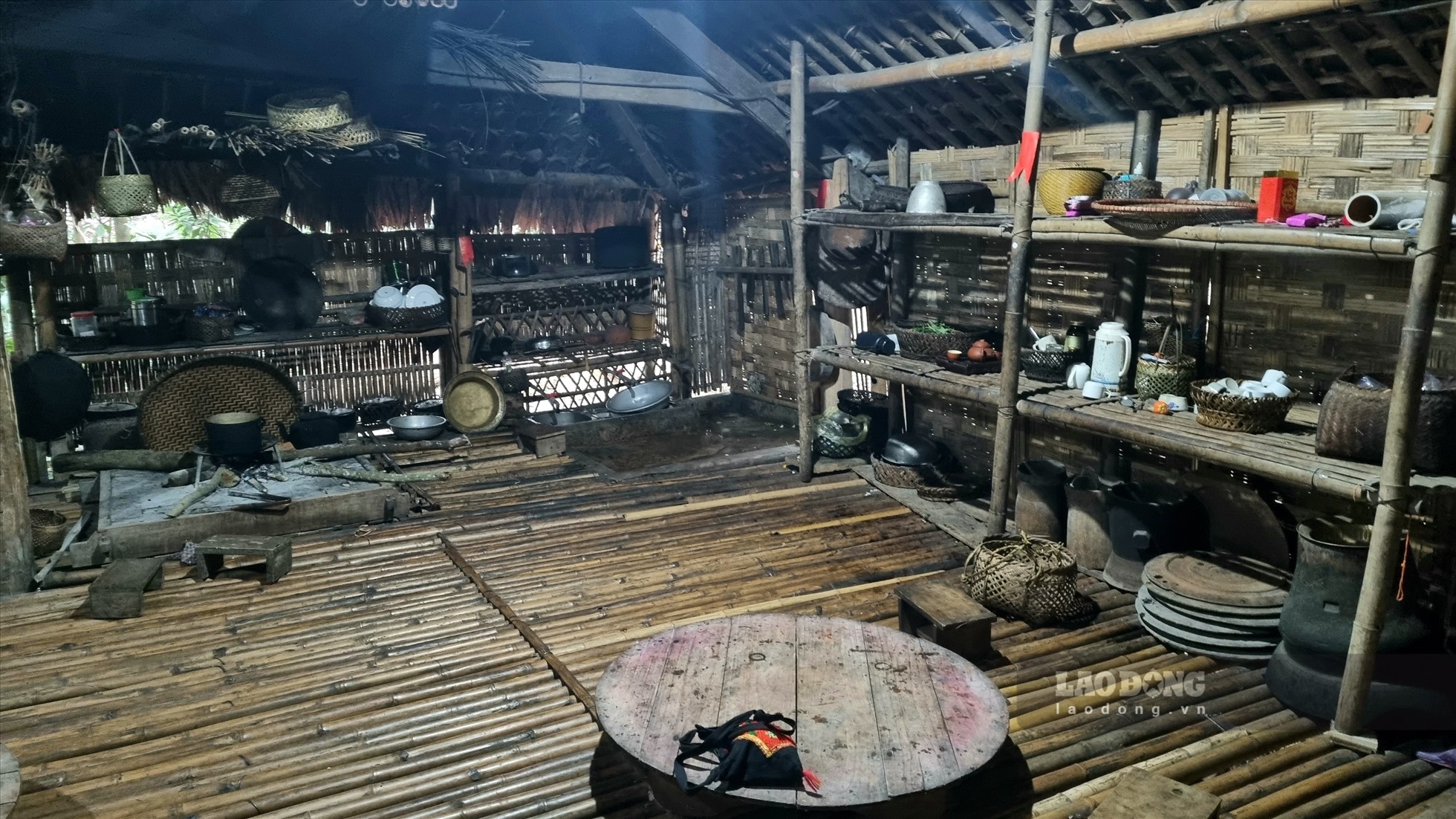
Up to now, on an area of over 70 hectares, Thai Hai village is home to 50 households, nearly 200 people from many different ethnic groups such as Tay, Nung, Dao, Kinh, from many provinces and cities such as Thai Nguyen, Tuyen Quang, Ha Giang, Phu Tho...
According to Ms. Le Thi Nga, Deputy Village Head of Thai Hai, in the midst of a turbulent modern life, the members of the village still persistently maintain the lifestyle of "eating together in a pot, sharing money and bag".
Accordingly, this common fund ensures the lives of all members, from the elderly to children, from daily activities to education and health care. No one is left behind, no one is left out of responsibility to the community.
Community tourism comes with cultural identity
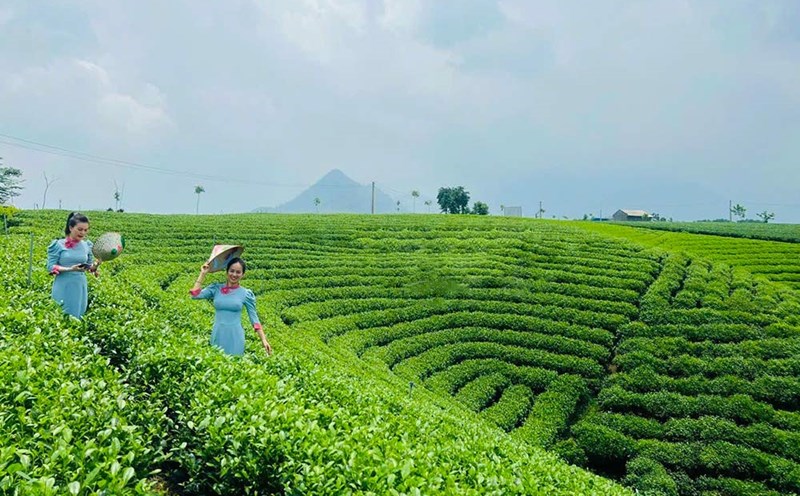
What makes the fundamental difference of Thai Hai village not only lies in the ancient stilt houses or the cool green natural landscape, but is the preservation of culture maintained through each generation of people in the village.
In Thai Hai village, children are taught Then singing, using Tinh lute - a typical art form of the Tay ethnic group. They are able to speak their mother tongue in daily activities, while learning common language and English to prepare for integration.
This parallel education helps the younger generation both deeply understand their national cultural roots and have enough skills to approach the outside world. That is also the way this place ensures a sustainable inheritance, not letting culture only exist in the memories of the elderly.
As people's lives gradually stabilized, Thai Hai village began to open its doors to visitors. However, the goal is not to develop tourism in large numbers, but to promote community tourism closely associated with cultural preservation.
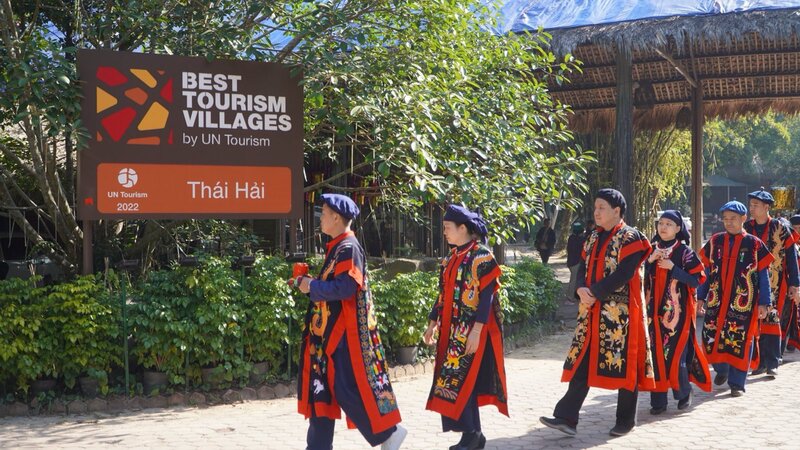
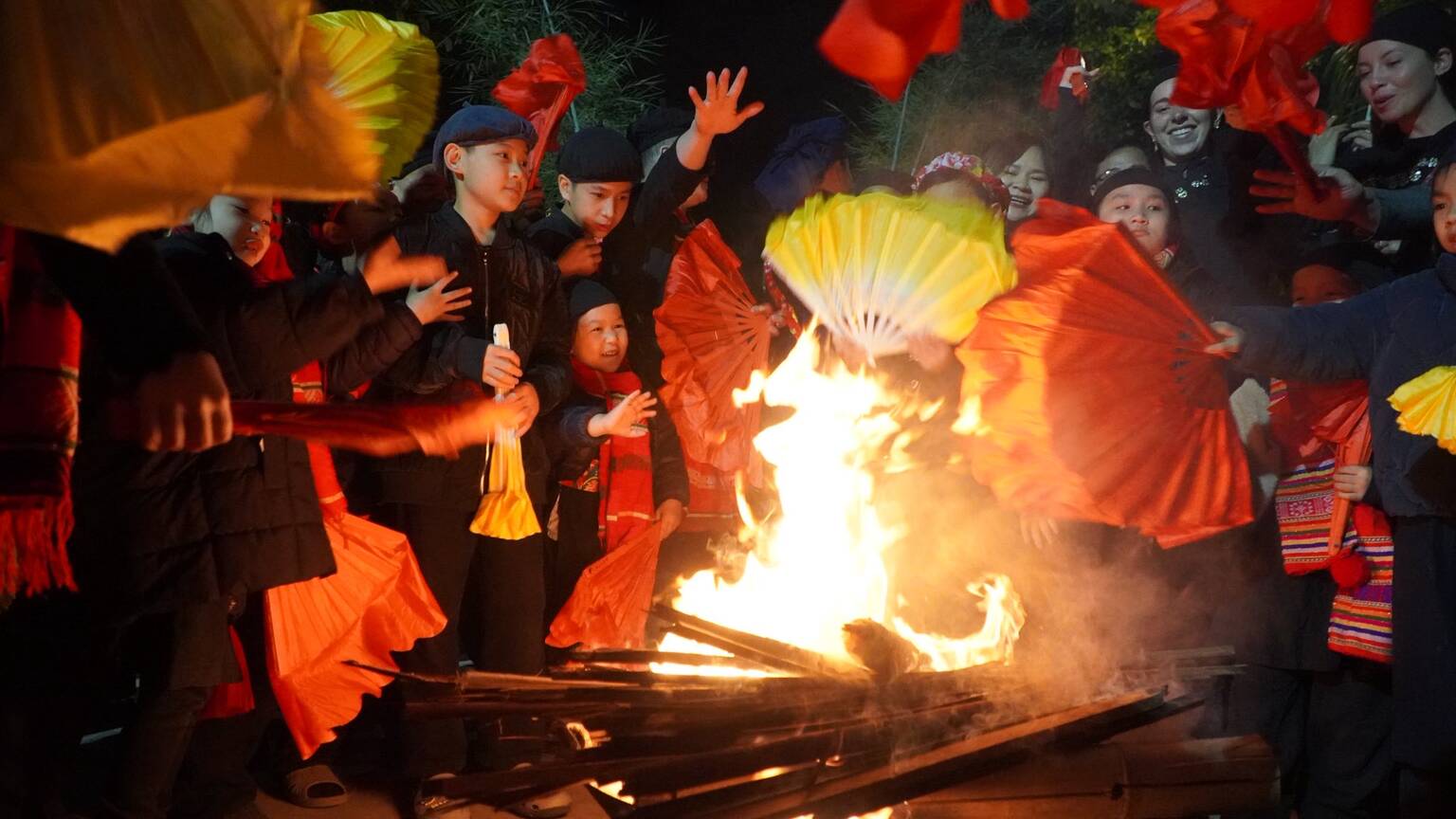
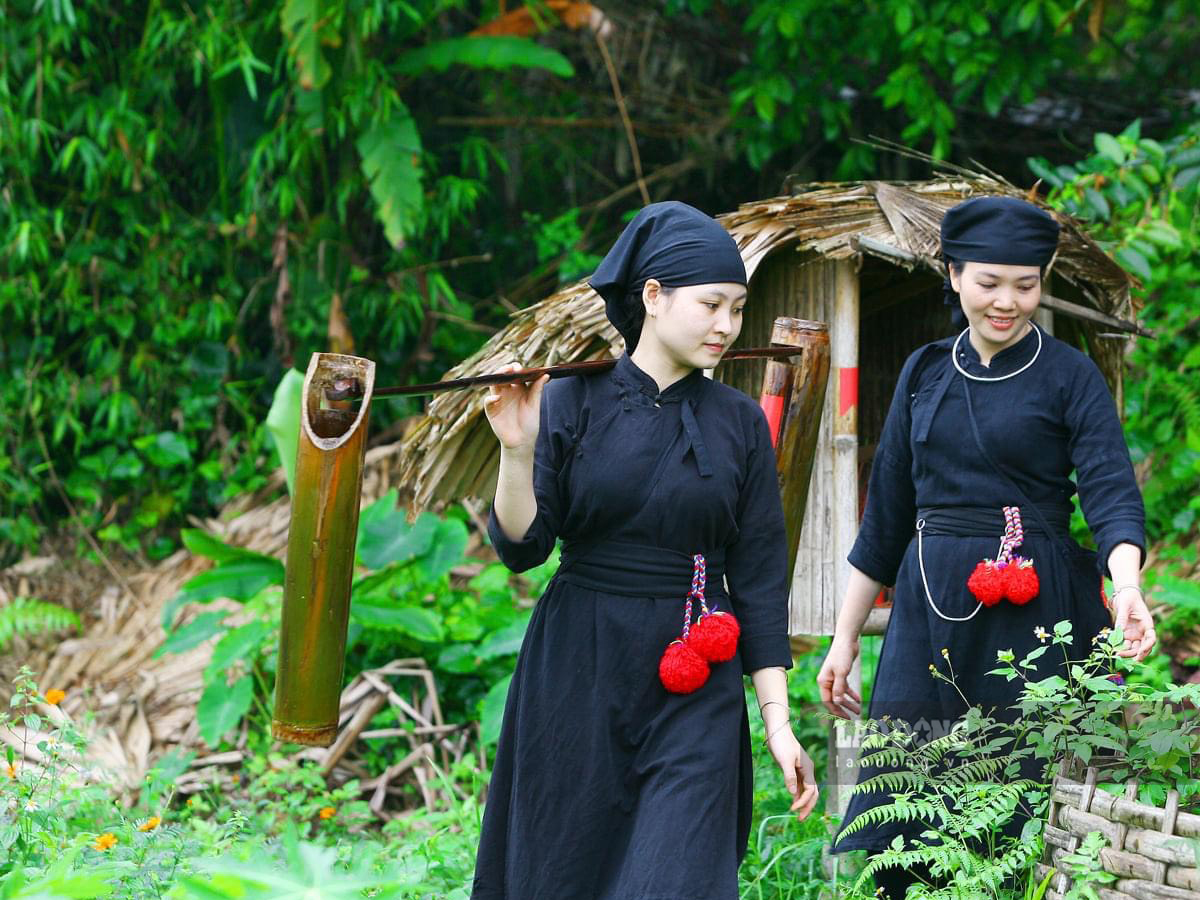
To attract tourists while still maintaining their identity, the village constantly expands experiential activities such as golden cau, silver cau, Tet recreation space, herbal foot soaking service, participating in agricultural labor or living with the people...
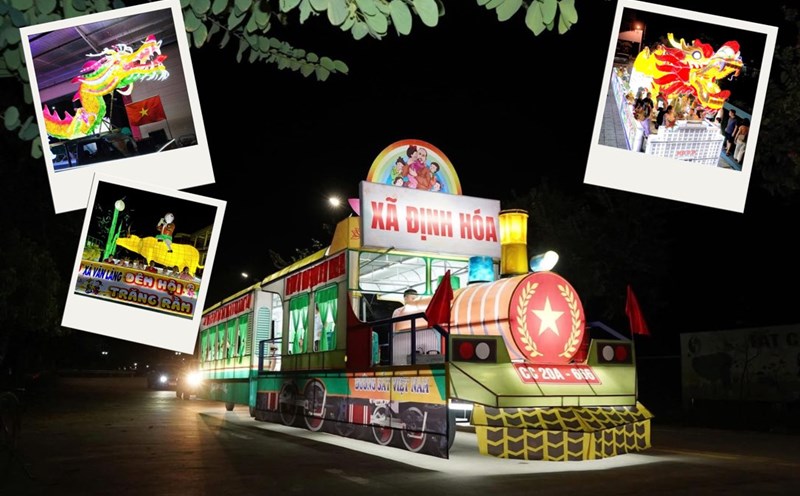
Traditional festivals such as the Red River Festival, the gratitude ceremony, and the Women's Worship ceremony are no longer limited to the community, but have become an opportunity for tourists to participate, eat together, work together, and understand more deeply about the spiritual life of the Tay people.
Ms. Le Thi Nga said: Tourists come here not only to see, but to truly immerse themselves in local culture. We introduced Then singing lines, vivid melodies from Tinh lute. To help visitors participate more deeply in the culture of the Tay people, visitors will have the opportunity to make traditional En Party Steles to prepare for holidays, make wool ropes to wish for luck, or make fruit to go to festivals.
Through directly creating cultural products, visitors are no longer outsiders, but become part of the festival, of the spiritual life here.
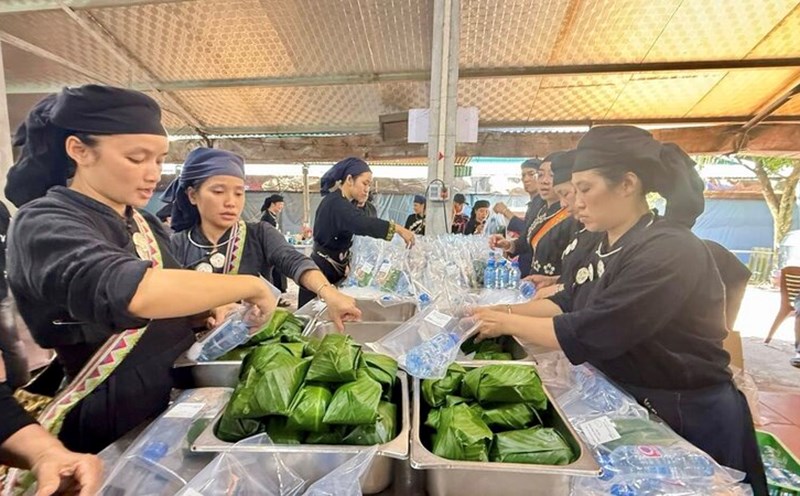
Cuisine is also an important highlight of Thai Hai. Currently, the village has more than 100 typical dishes of the Tay ethnic group, from shrimp paste, fish carp and om mo to wild banana salad, five-color sticky rice, traditional cakes. Each dish is not only for enjoyment, but also tells a story about living customs and indigenous knowledge passed down from generation to generation.
From a wild village to the title of the world's best
Over the past two decades, thanks to its steadfastness in the right development direction, Thai Hai Village has continuously made its mark with many prestigious titles: Top 10 best restaurants serving tourists in Vietnam in 2016, 2017; Top 5 leading culinary restaurants in Vietnam in 2019; sponsored by UNESCO Vietnam and recognized as "a valuable work in preserving traditional culture and educating the spirit of national solidarity" in 2017.
In 2022, this place is the only representative of Southeast Asia to be honored by the United Nations Tourism Organization (UN Tourism) as "World's Best Tourist Area" - a worthy recognition for the community-based sustainable development model. 2024 is the ASEAN Community Tourism Award.
The two latest awards that Thai Hai village won in 2025 within the framework of the "Vietnam Tourism Award" contest organized by the Ministry of Culture, Sports and Tourism are "Best Community Tourism Destination" and "Best Restaurant Serving Tourists". The product "Tay ethnic cultural tourism - Thai Hai village village" was recognized as a 5-star national OCOP in 2025.
Thai Hai village has become a bright spot on the Thai Nguyen tourism map. This is one of the bright spots in preserving intangible culture through the Community Tourism Cultural Village model; recreating the space for traditional cultural activities of the Tay ethnic group associated with tourism development.
In the midst of modern life, Thai Hai continues to persistently preserve a shared and humane lifestyle, to transform from a small village in the midst of a thousand, this place has become a "happy village" in the hearts of domestic and foreign tourists. For many tourists, Thai Hai is not only a destination, but a place to learn to live slowly, share and live in harmony with nature.
From the story of Thai Hai village, it can be seen that when cultural heritage is placed at the center of development, culture is not only preserved but also becomes a resource for creating livelihoods, improving the quality of life for the community. This is also the consistent orientation that Thai Nguyen province and the Culture - Sports and Tourism sector are persistently pursuing in the development strategy in the coming time.
The Department of Culture - Sports and Tourism of Thai Nguyen province continues to advise on building and perfecting institutions, policies and mobilizing resources to promote the value of Thai Nguyen people's cultural identity.
The focus is determined according to three orientations: turning culture into a resource and driving force for development; promoting traditional cultural values to inspire and aspirate to build Thai Nguyen province " peaceful, happy, prosperous and friendly"; at the same time, creating its own cultural identity, affirming the province's position in the process of international integration and cooperation.
At the same time, the province has identified the goal of developing rapid and sustainable cultural tourism, commensurate with the potential and advantages of cultural heritage; focusing on synchronous development of tourism infrastructure and technical facilities in a modern and professional direction, associated with smart tourism, gradually turning Thai Nguyen into one of the major cultural tourism centers, so that tourism can truly become an important economic sector in the local socio-economic development strategy.
The positive results achieved in the work of preserving, restoring and promoting intangible cultural values in the province in recent times have created a favorable foundation for the development of cultural tourism associated with community tourism.