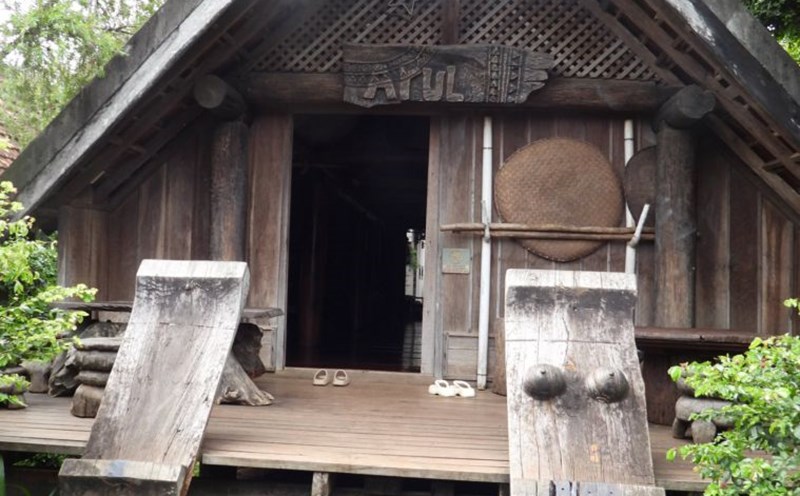
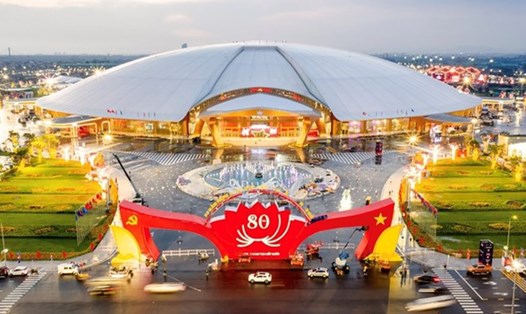
Between the space of Ta Oi ethnic village, Tay Nguyen Sculpture Garden and Ethnic Village Area II, the folk song and dance program "Village Storytelling" takes visitors into a space imbued with the colors of the great forest. The program takes place in two days, August 8 and 9, with two time frames: 9:00-10:30 and 2:30-16:00.
The highlight of the program is the participation of ethnic minorities in the Central Highlands who are operating at the Village of Culture - Tourism of Vietnamese Ethnic Groups. Raglai, E De, Gia Rai, Co Tu, Ta Oi and Xo Dang groups also participate, introducing cultural features preserved through many generations.
Ms. Nguyen Minh Anh, a tourist from Hanoi, said that this is the first time she has had the opportunity to learn about many cultural features of the Central Highlands in the same space.
I have heard about the culture of gongs in the Central Highlands through books, newspapers and television programs, but when I directly hear the sound of gongs, watch the dances of the people, the feeling is very different. I like the excitement and closeness of the performances the most, it feels like I am stepping into a real village," Ms. Minh Anh shared.
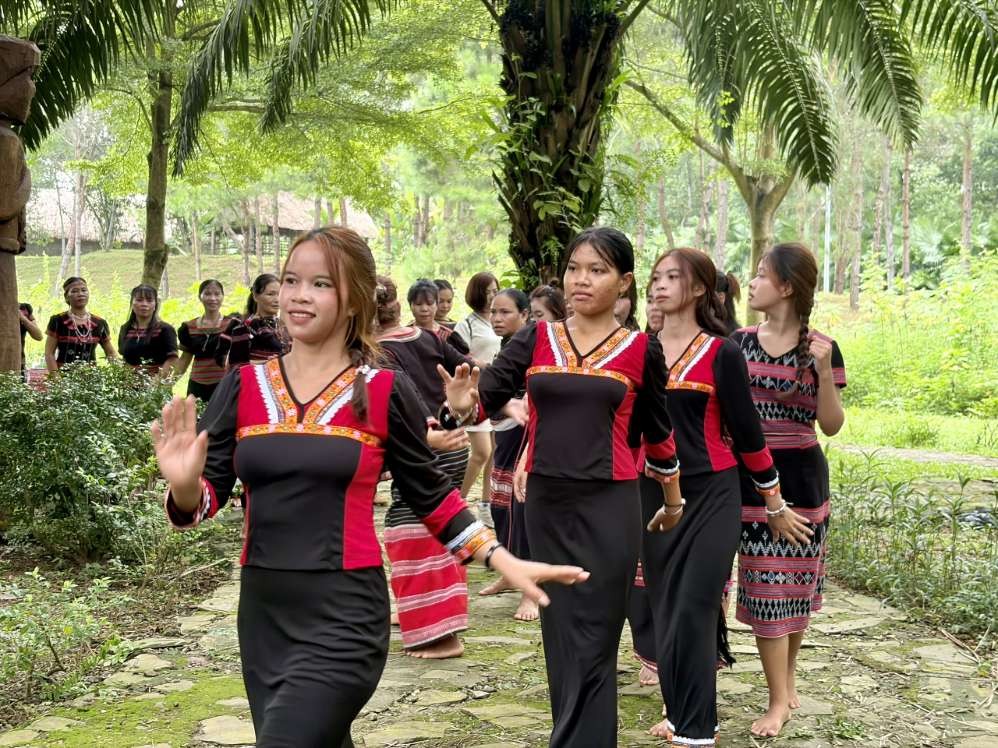
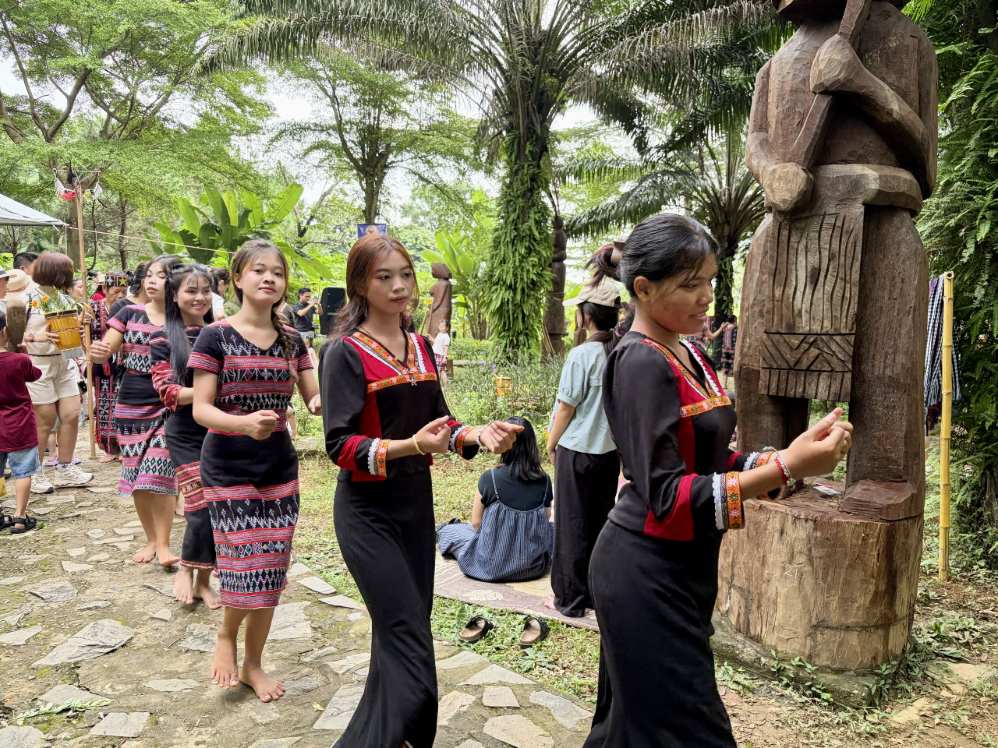
For tourists who learn about Central Highlands culture for the first time, the sounds of gongs are one of the experiences that easily create an impression. In the program, Gia Rai and Ba Na people performed gongs and xoang dances together. The sounds, sometimes trầm hùng, sometimes rộn ràng, hòa cùng with the community dance round, helped viewers feel more clearly the role of gongs in the cultural life of the Central Highlands.
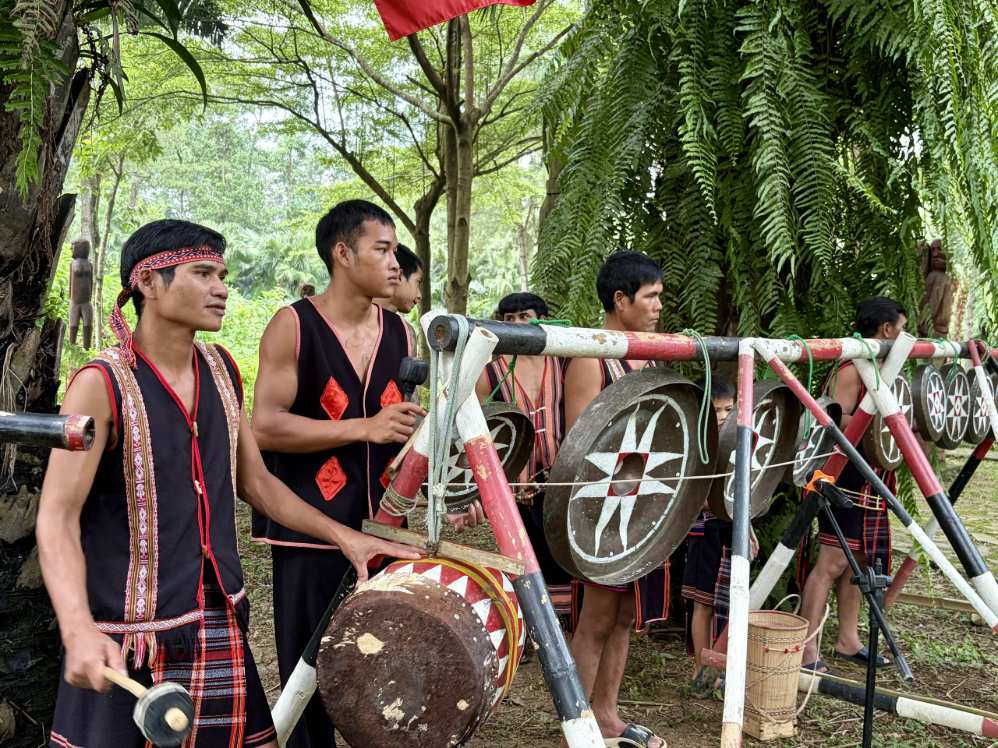
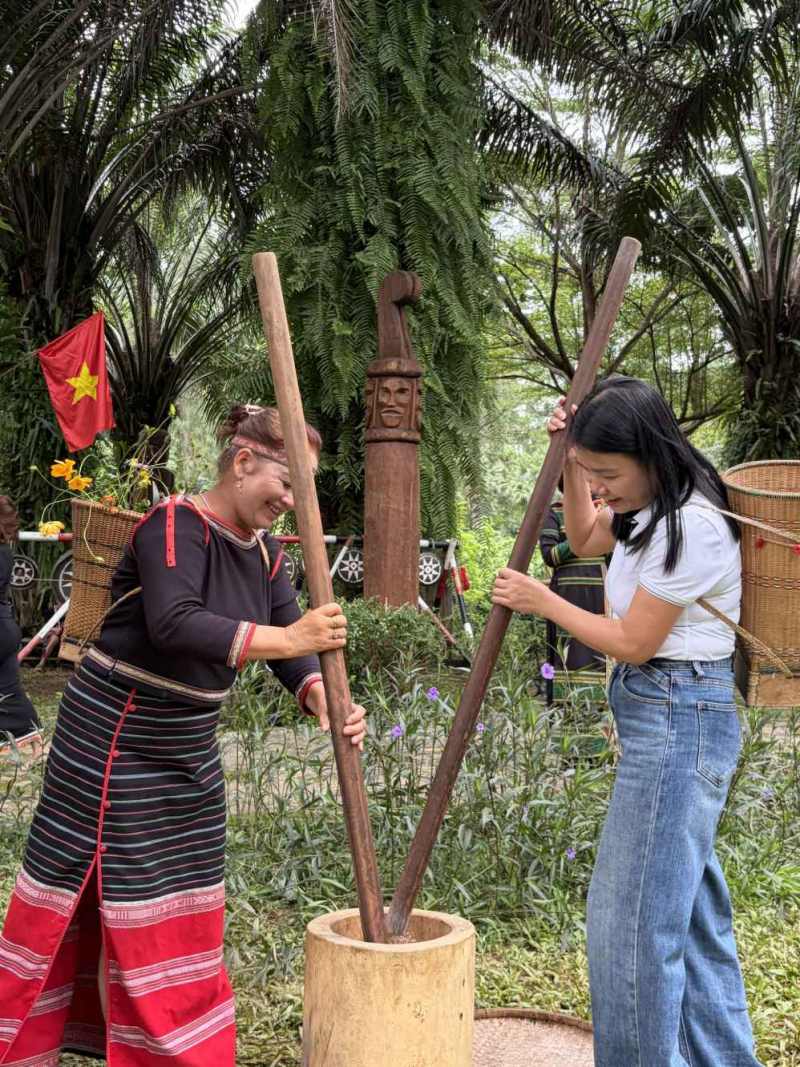
Gongs not only appear as a performance but are also introduced as a part associated with community life. The Central Highlands Gong Cultural Space is recognized by UNESCO as a representative intangible cultural heritage of humanity.
Mr. Tran Ngoc Tu (Hanoi) was excited to hear the introduction about the origin and meaning of each performance.
Each performance has a story of origin behind it. When I learned more about the meaning of gongs, xoang dance or traditional musical instruments, I found the performance more in-depth. My children also learned more about the culture and traditions of the brotherly nation," Mr. Tu said.
The experience space is also expanded through traditional musical instruments. Visitors can listen to the sound of the T'rung zither through the performance "Buon lang vao hoi" by Meritorious Artist Y Sinh, a Xo Dang person; explore the Dinh Pang sound of the E De people or the Ma La sound of the Raglai people. Each type of musical instrument carries its own sound, associated with the life, community activities and mountain and forest space of each ethnic group.
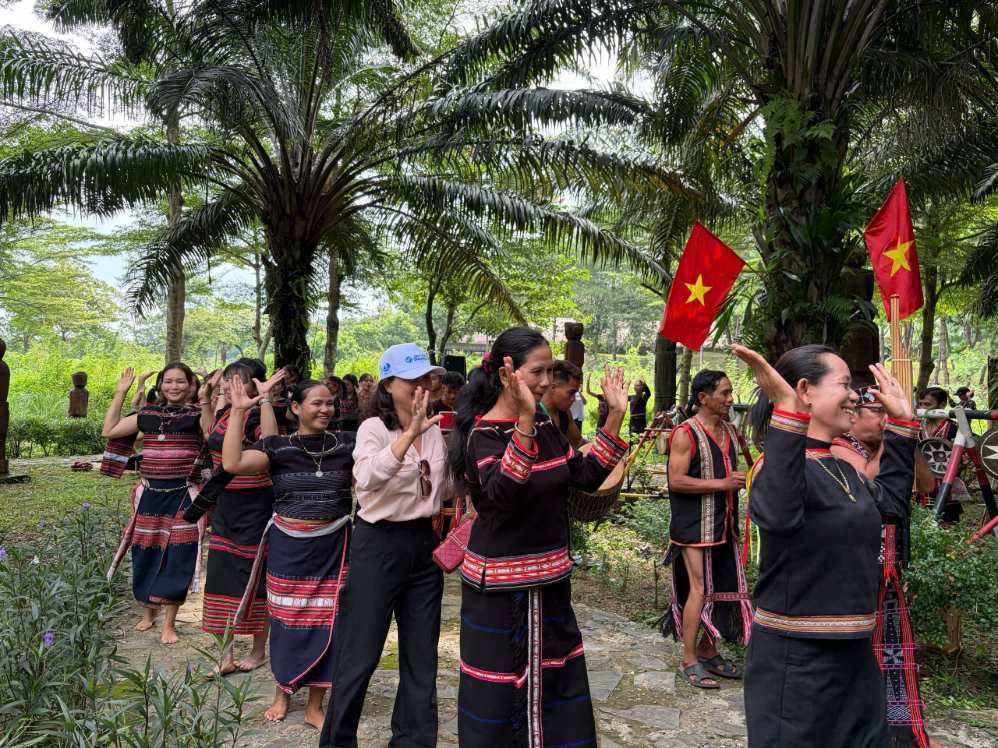
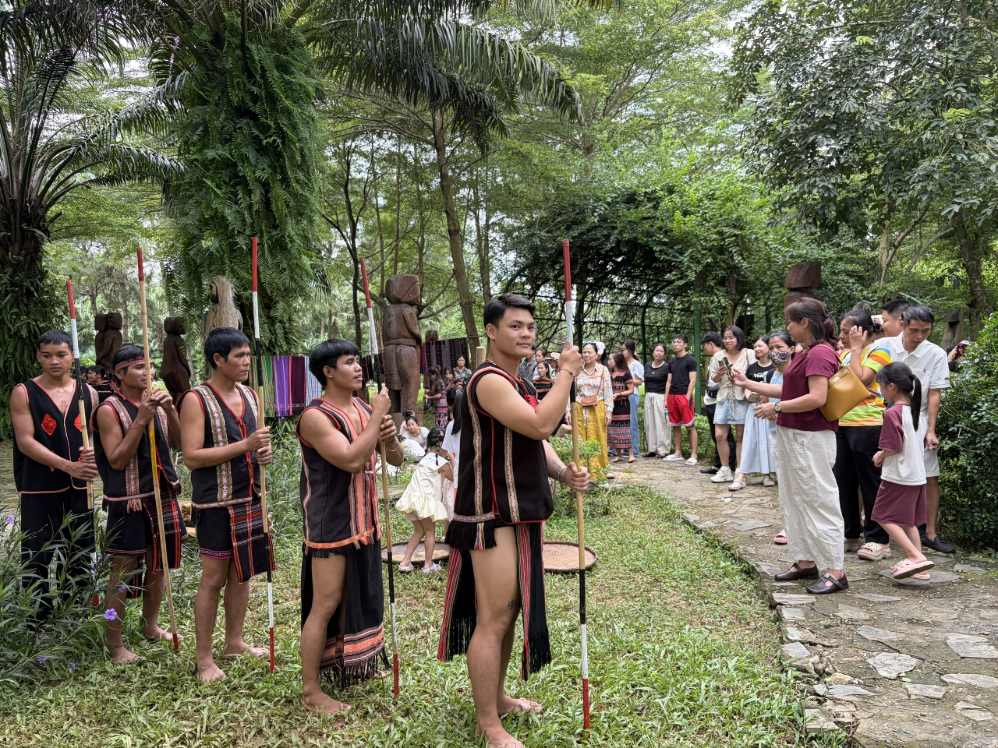
With the Co Tu people, visitors learn about "Tung tung da da" - a typical collective dance, in which men and women blend into a circle on the background of drums and gongs. The dance expresses the spirit of community and the Co Tu people's beliefs about heaven and earth, life and aspirations to rise up.
In the Ta Oi cultural space, "Sim Festival" introduces the custom of men and women getting to know each other before marriage. Performances recreating traditional weaving, life in the mountains and forests and community activities help tourists understand more about the culture of the Western people of Hue.
In the E De cultural space, visitors can enjoy melodies about Ban Me, the highlands and the sound of Dinh Pang - musical instruments made from bamboo and rattan, often appearing in cultural activities, festivals and community gatherings.
Along with that are dance performances, folk songs, gongs and musical instrument performances of Gia Rai, Ba Na, Co Tu, Xo Dang, Raglai ethnic groups. Each performance has its own color, helping visitors feel the diversity in the culture of the Central Highlands ethnic groups.