
Mentioning Lung Cu (Tuyen Quang province), many tourists often immediately think of Lo Lo Chai village - a village that was once honored as "Best Tourist Village in the World" in 2025. However, only about 2 km away, right at the foot of Lung Cu flagpole, there is also a small village named Then Pa that still quietly maintains its rustic and peaceful beauty.
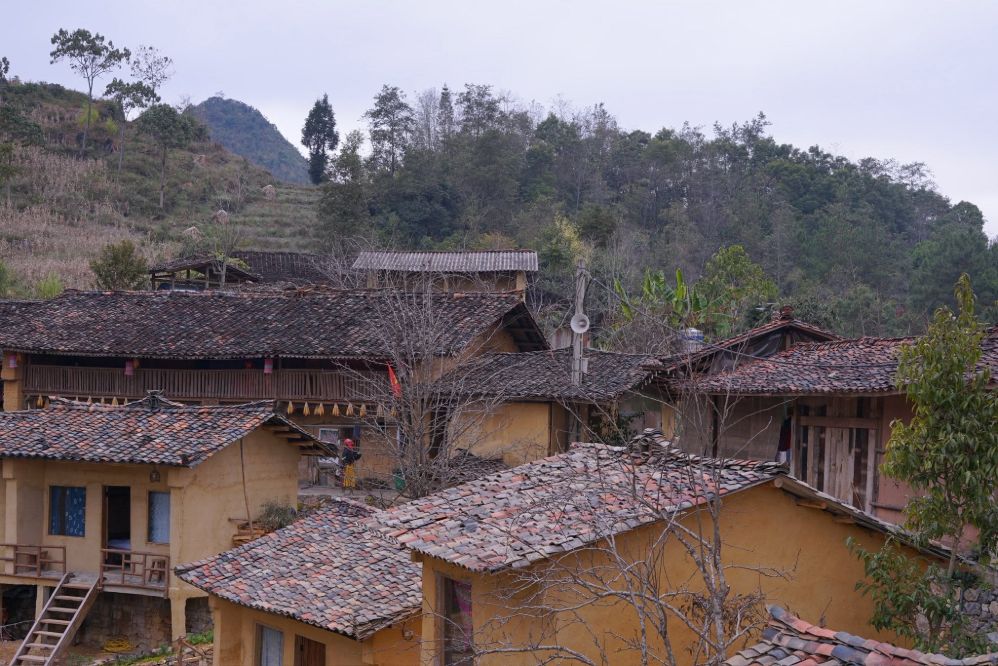
According to local guide Dang Phuong, Then Pa and Lo Lo Chai both possess the typical traditional architectural features of the highlands with rammed earth houses and yin-yang tiled roofs. However, unlike its famous "neighbor", Then Pa does not have many cafes or bustling check-in points, so few people know about it.
That is what helps the village maintain a rare quiet atmosphere. Stone walls surrounding the village, clean small roads and traditional earthen houses create a simple scene.
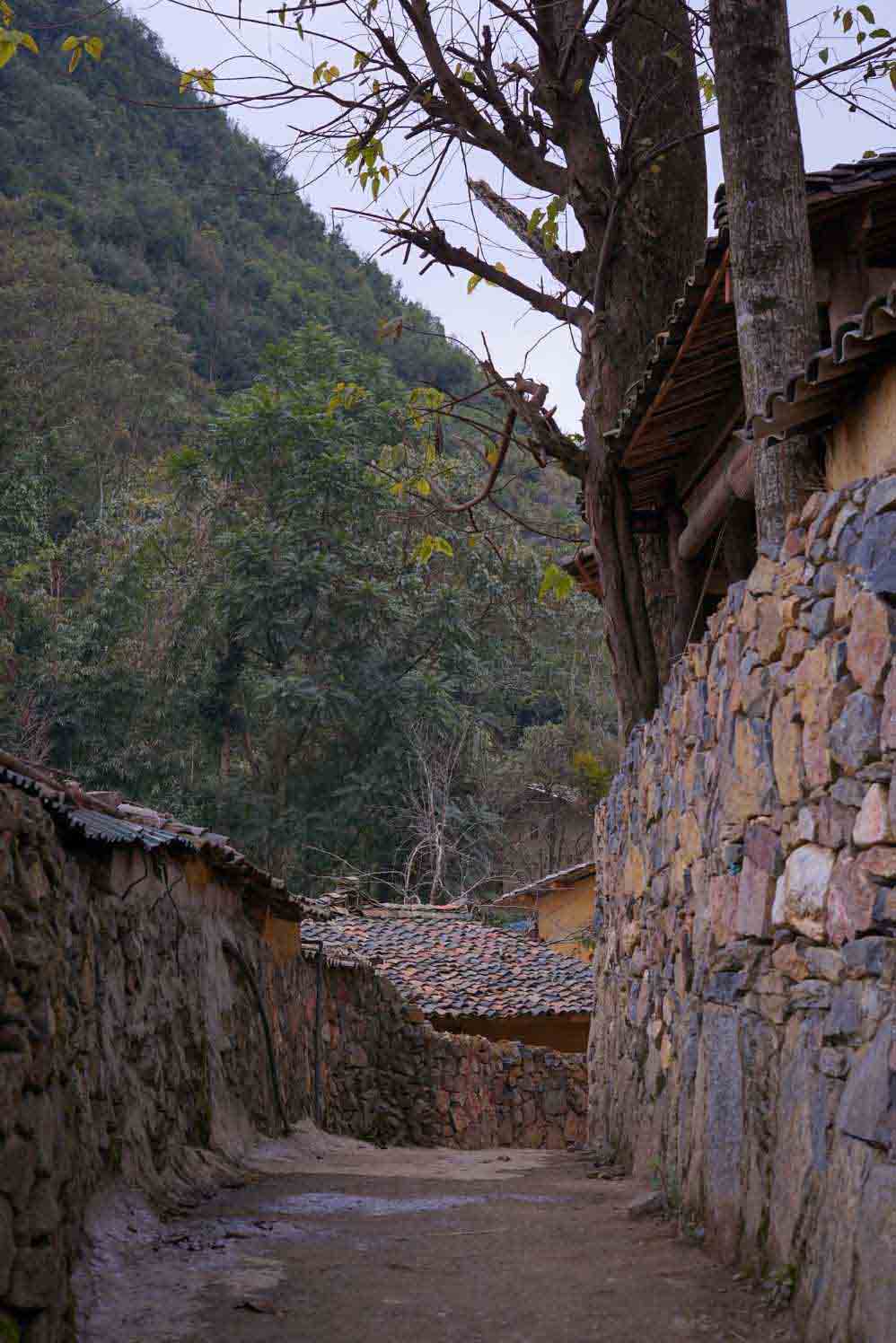
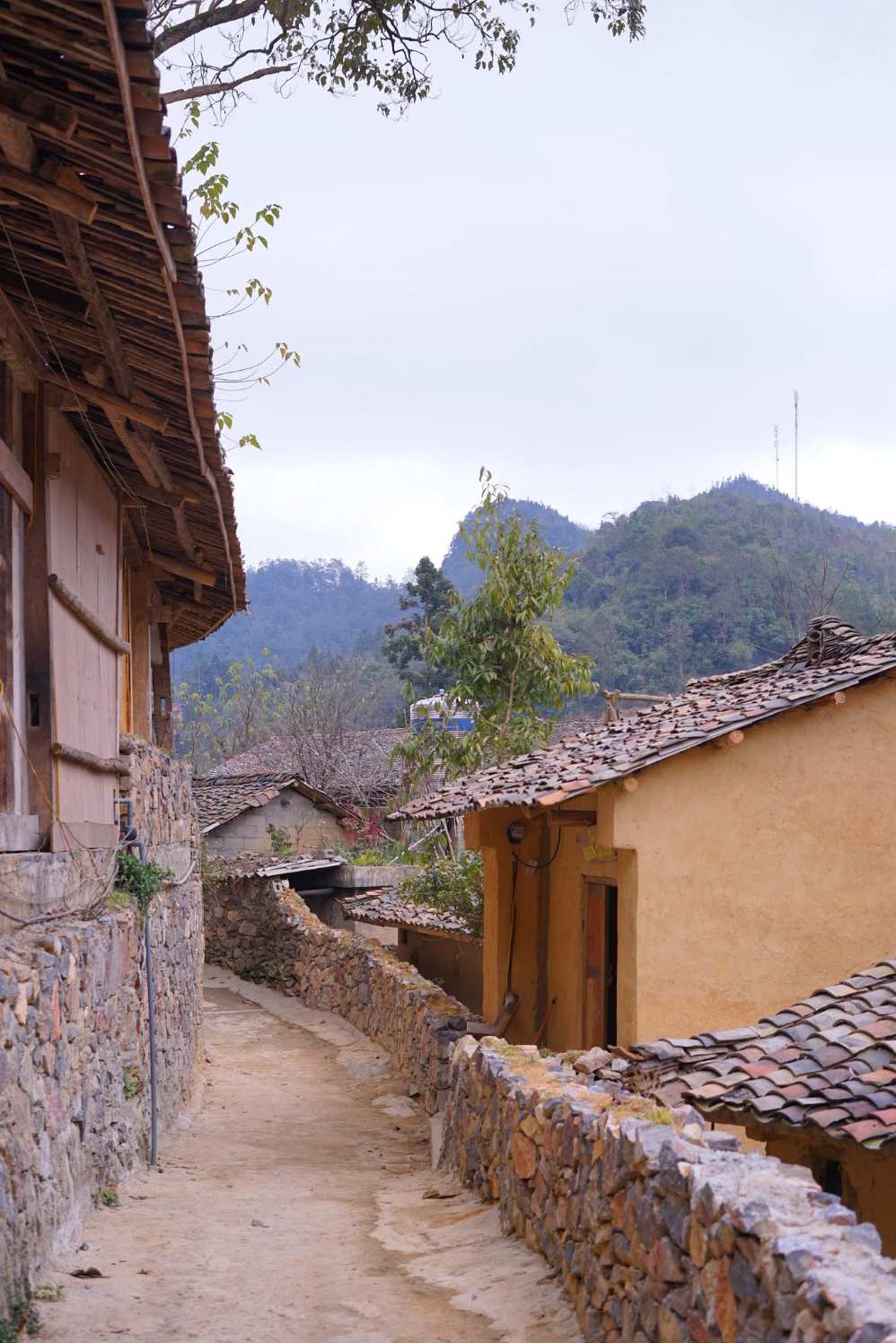
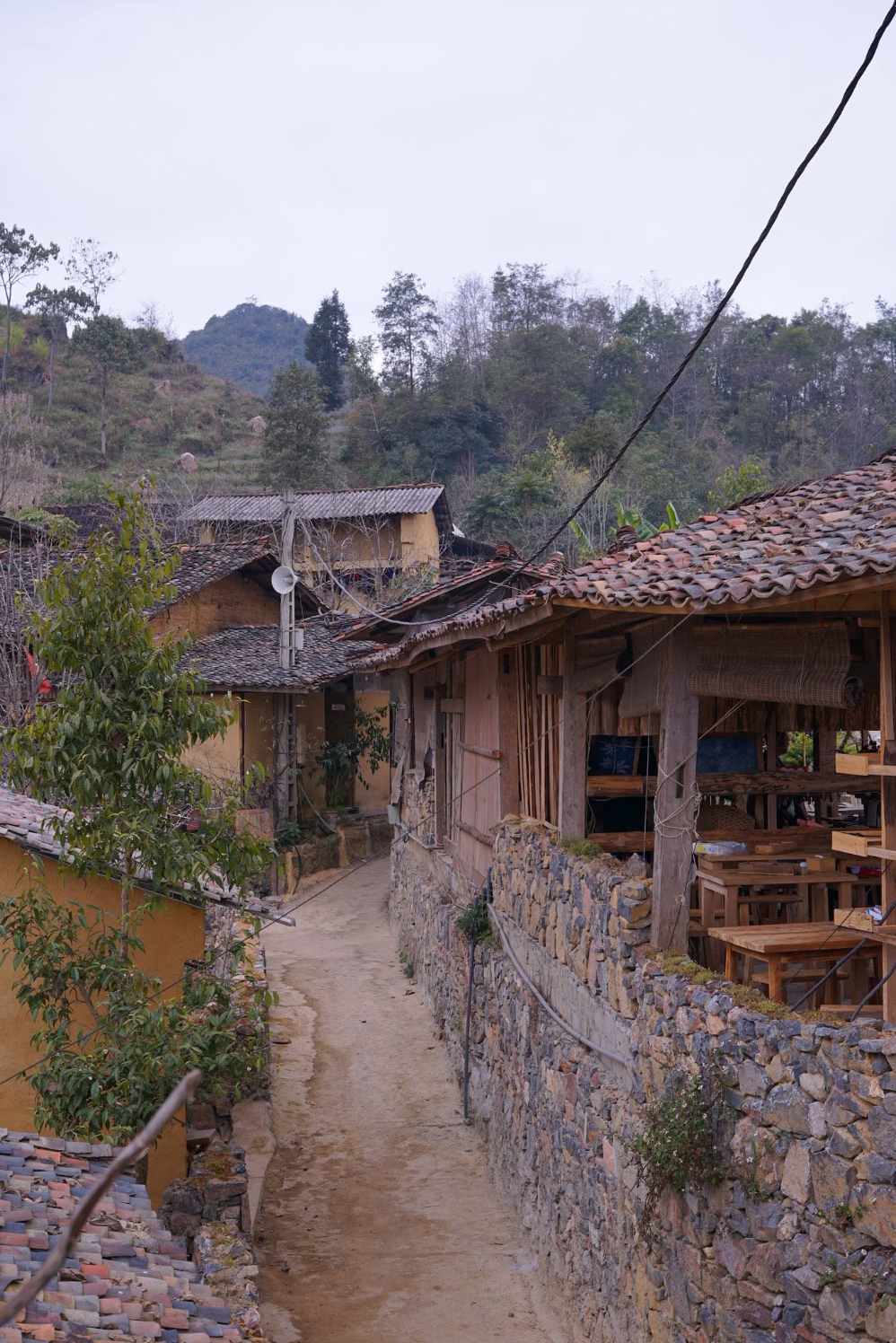
The special feature of Then Pa village is the community tourism model built on the solidarity of the people. The whole village currently has about more than ten households of the Vang family participating in tourism, each household taking on a different job to jointly develop the destination.
Some households open homestays to welcome overnight guests, while other families support parking lots, prepare human resources, sell local specialties such as corn cakes, smoked buffalo meat, strawberries, or provide horse riding services. Thanks to this assignment, people all have the opportunity to benefit from tourism while still maintaining their daily lives.
The space in the village has also been tidied up more neatly. Flower gardens are gradually replacing the old corn fields, creating a new look but not losing the inherent identity of the village.
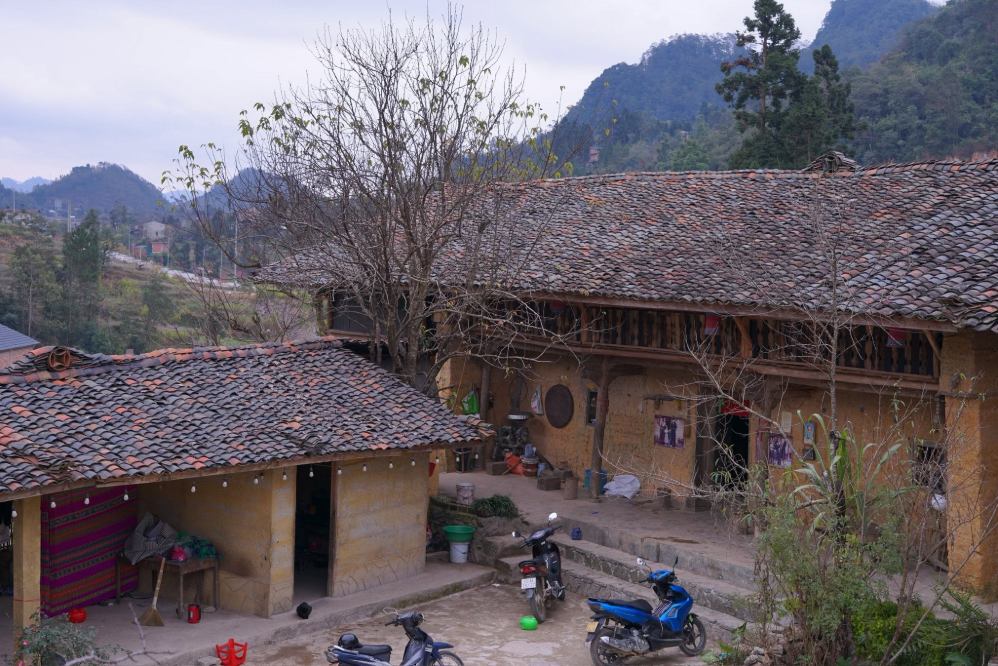
In daily life, people still wear brocade clothes, use many items made of bamboo, wood, linen and raise livestock such as buffaloes, pigs, chickens. Life takes place slowly, almost not being too affected by the development of tourism.
Coming to Then Pa village, visitors can immerse themselves in the life of the indigenous people through a series of traditional experiences such as drawing beeswax on linen fabric, indigo dyeing, cooking corn wine, making men men or learning about the linen weaving profession of the H'Mong people.
Each activity is directly guided by the villagers. Instead of just standing and observing, visitors can participate, chat and listen to stories about customs and habits that have been preserved through many generations.
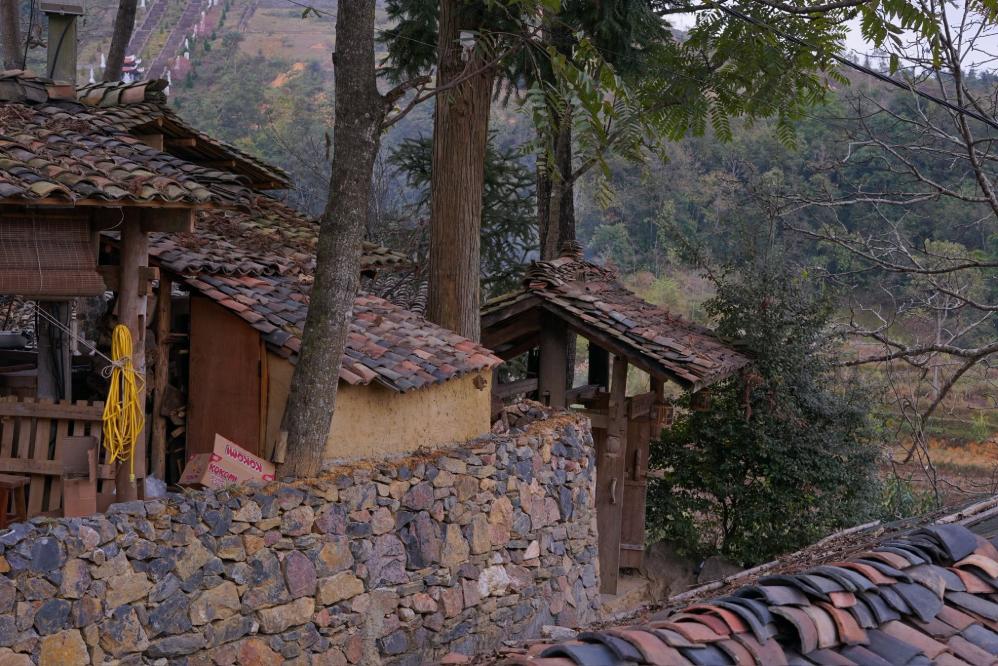
After a trip to Then Pa village, Mr. Le Hieu (a tourist from Hanoi) said that this is one of the few villages he has ever visited that both does tourism methodically and preserves almost intact cultural identity.
Initially, he only planned to stay for one night as a stop in his journey to explore the North Pole. However, the peacefulness of the village and the hospitality of the people changed the plan.
We stayed for two days and it was truly a time to rest in the true sense. Not only sightseeing, we also lived with the people, observing how they work and live every day. Young people working in tourism are very professional but still maintain sincerity and closeness," he shared.
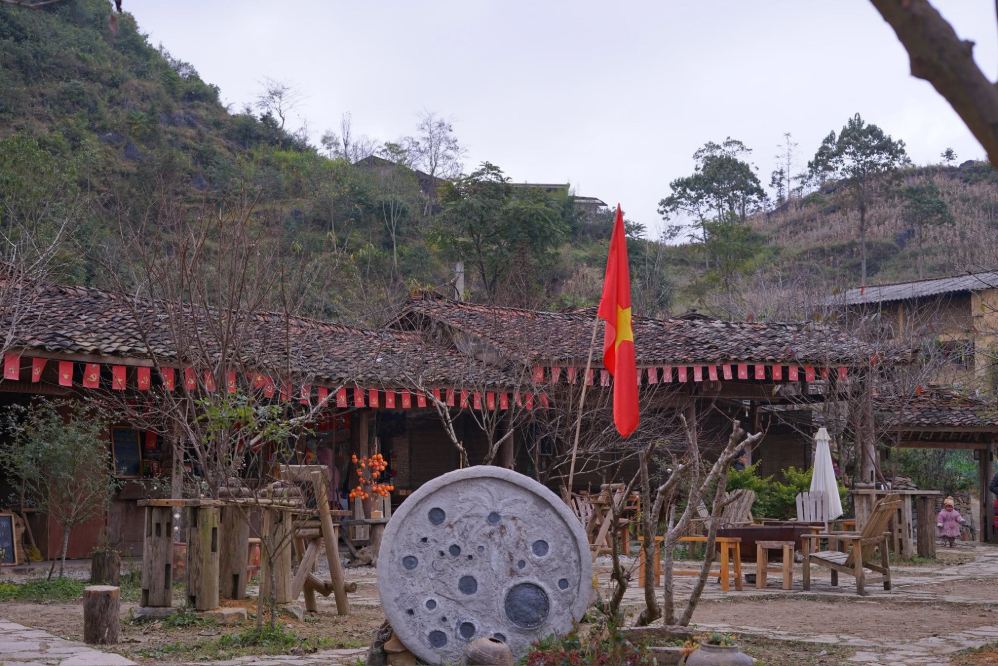
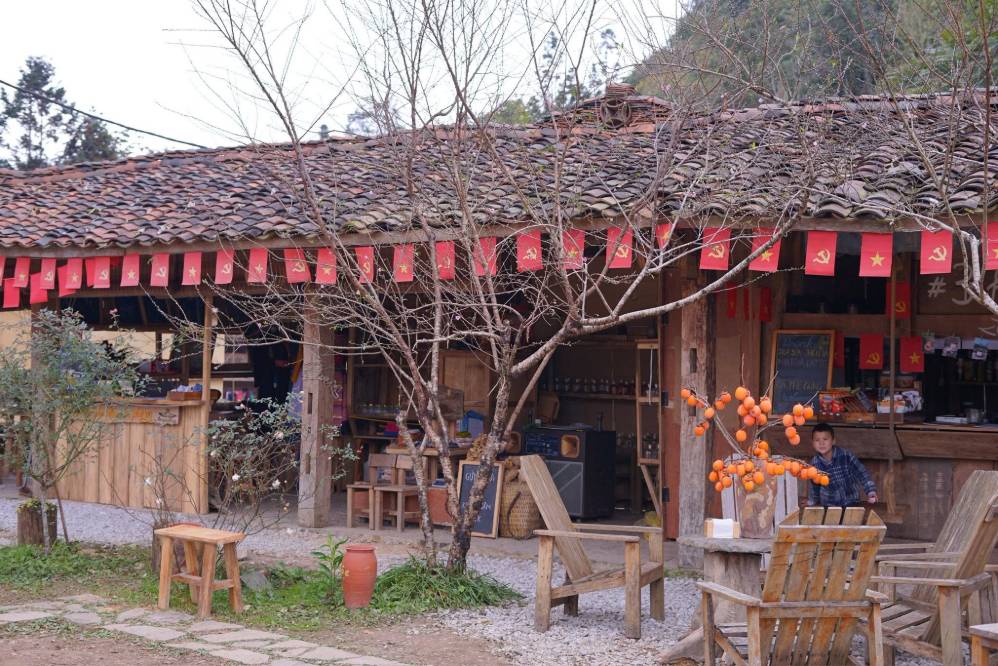
According to Mr. Hieu, Then Pa brings the true original spirit of the Northern highlands. "This is not only a place to rest but also a very interesting cultural touch point. From linen weaving, beeswax painting to simple stories about the life of the H'Mong people, all make the trip memorable. Plum, peach and pear gardens surrounding the village create a feeling of living in a prosperous and peaceful countryside," he said.
The limitation of Then Pa is that accommodation, dining and entertainment services are still quite scarce, suitable for small groups of guests who want to find a quiet space.


