Treasures of Da Lat
The tomb of Duke Nguyen Huu Hao is located on a hill of about 4ha, near Cam Ly waterfall, facing Lang Biang mountain.
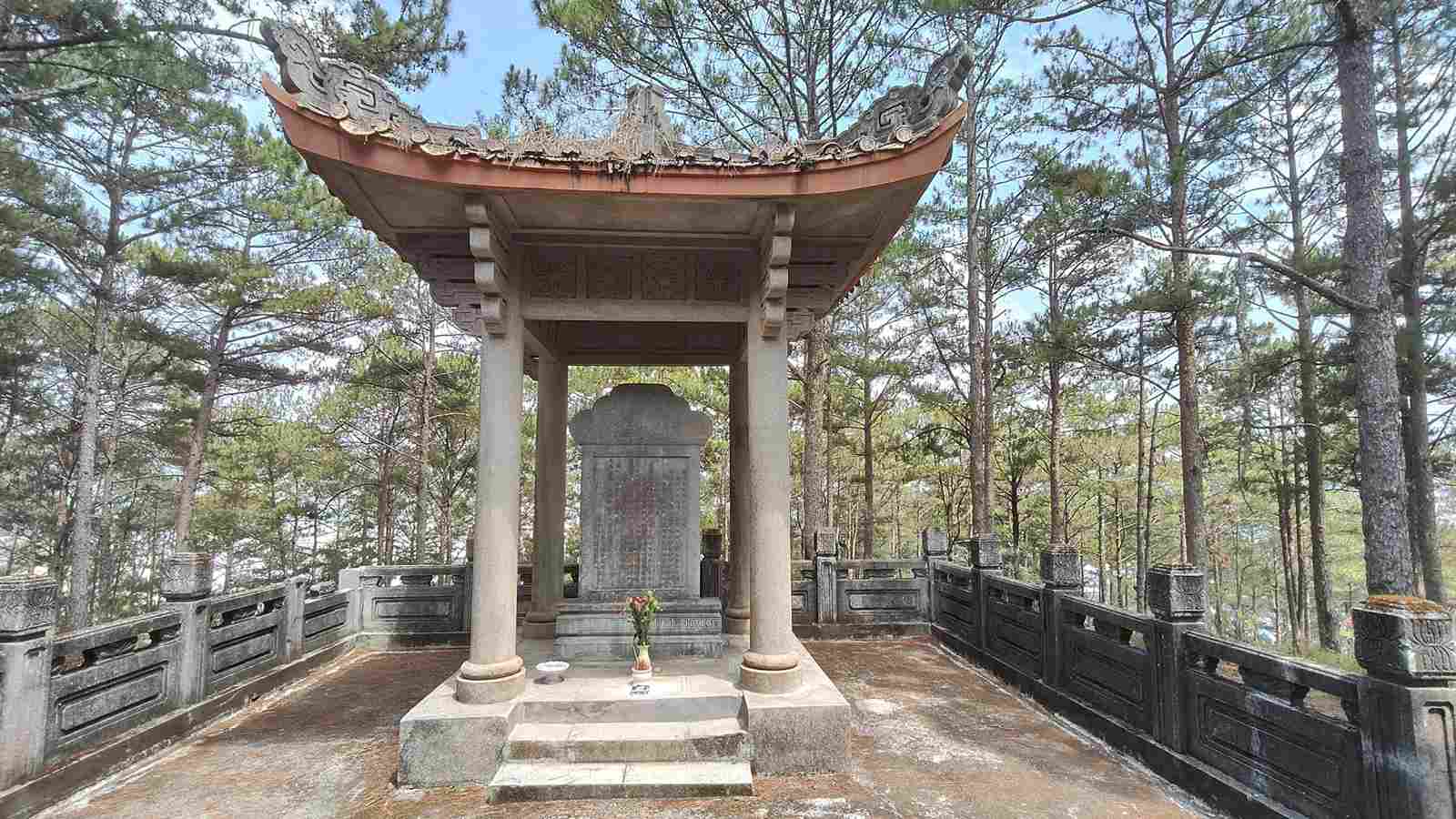
The project has a contemplative beauty, harmoniously combining Hue royal architecture and Western style, creating a rare unique feature in the mountainous space.
Duke Nguyen Huu Hao was originally from Go Cong (now Dong Thap province), a wealthy landowner in the early 20th century, owning many plantations in the South and Central Highlands. In 1934, his daughter Nguyen Huu Thi Lan became Empress Nam Phuong, wife of King Bao Dai.
In 1937, King Bao Dai conferred on him the title of Long My Quan Cong. In the same year, after his death, the king and queen chose the pine hill in the Southwest of Da Lat center, opposite Cam Ly waterfall (now belonging to Cam Ly ward - Da Lat) to build a tomb as a resting place.
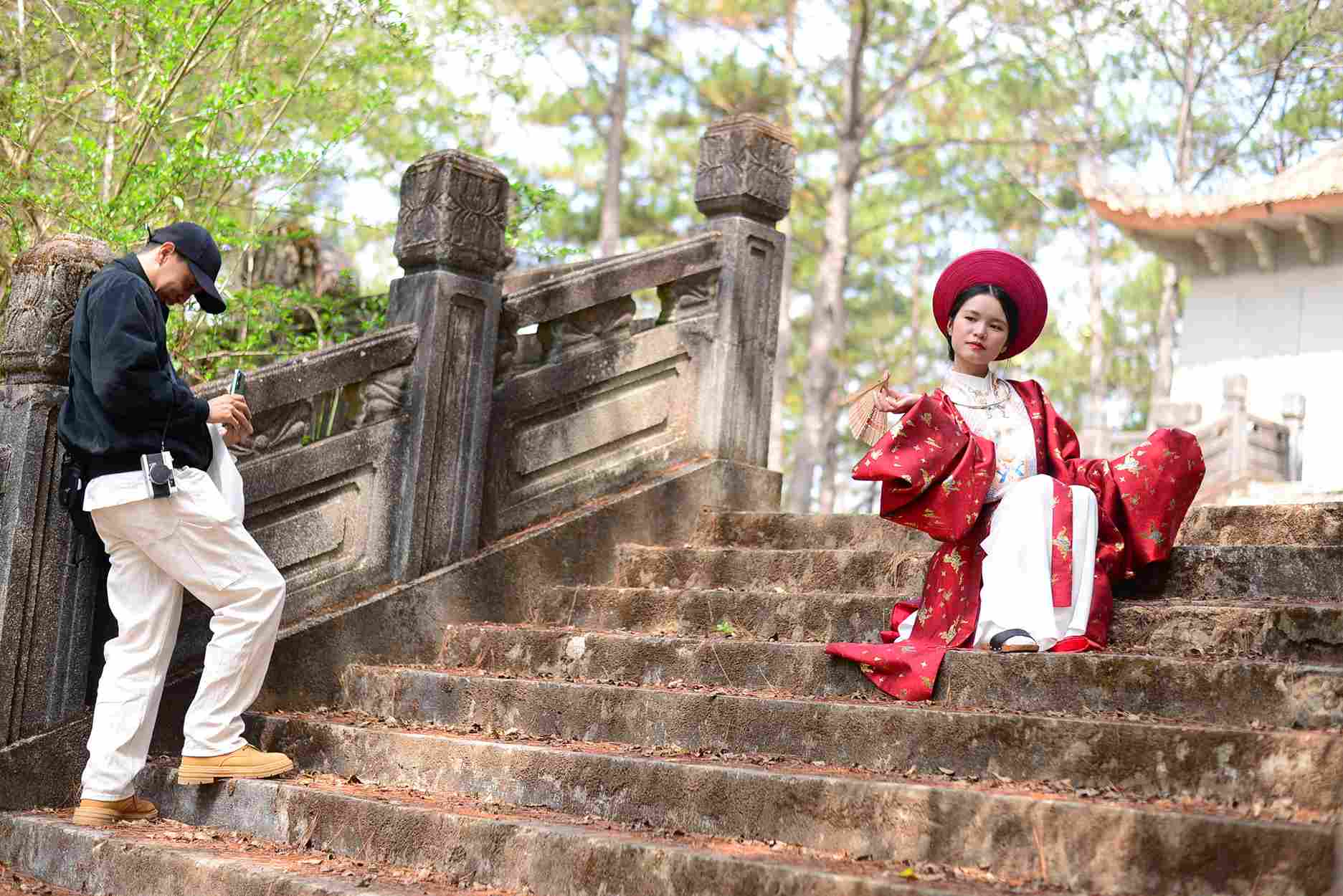
The project was built from 1937 to 1941 on a large scale, bearing the shape of Hue royal architecture. The overall mausoleum has a balanced, majestic layout, with the main gate facing the center of Da Lat.
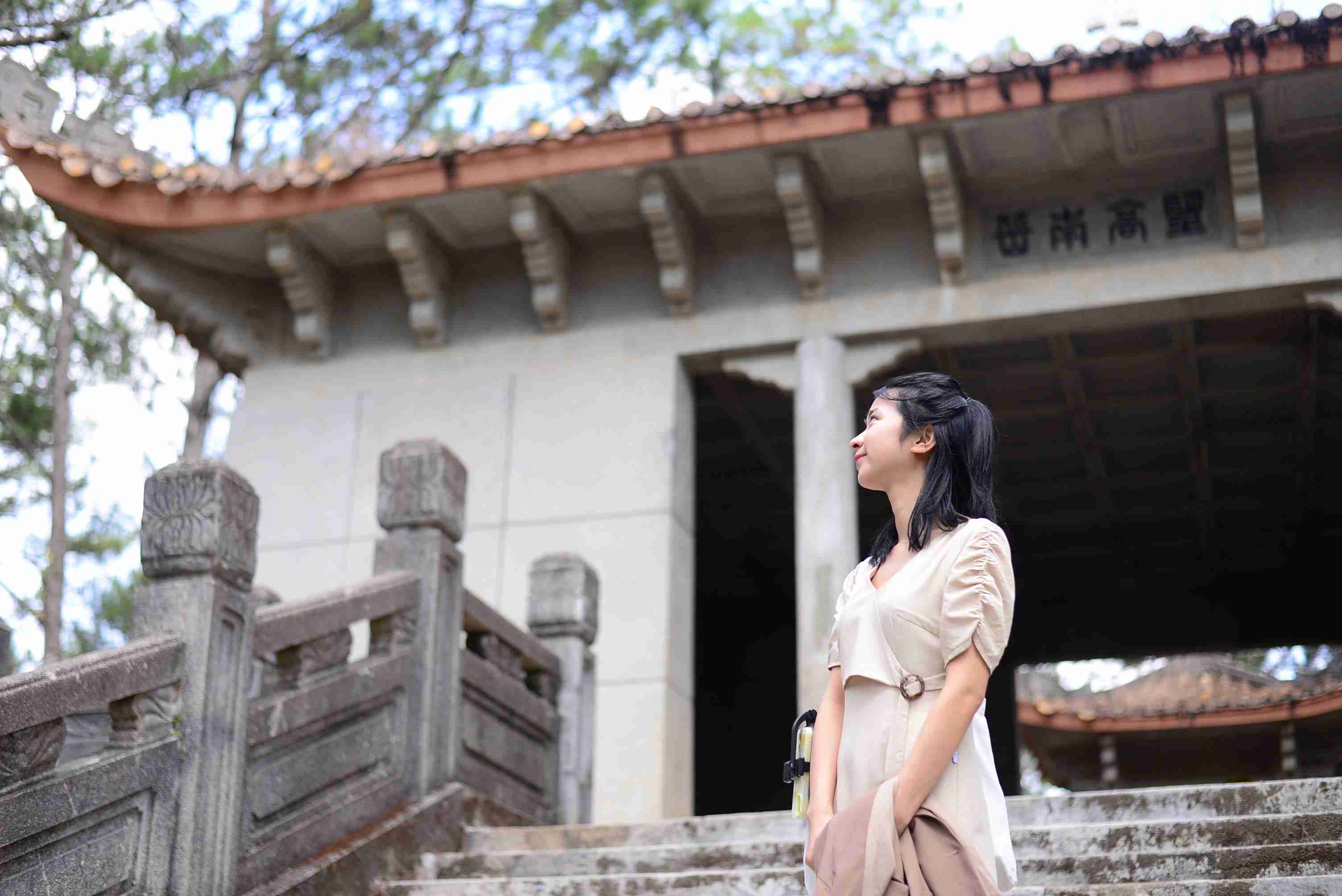
The highlight of the project is the soft curved roof system, evoking the image of blooming lotus flowers, creating elegance but still retaining the solemnity of spiritual architecture.
On top of the tomb is placed a cross, representing the Catholic beliefs of the Duke, and creating a cross between Asian and European architecture.
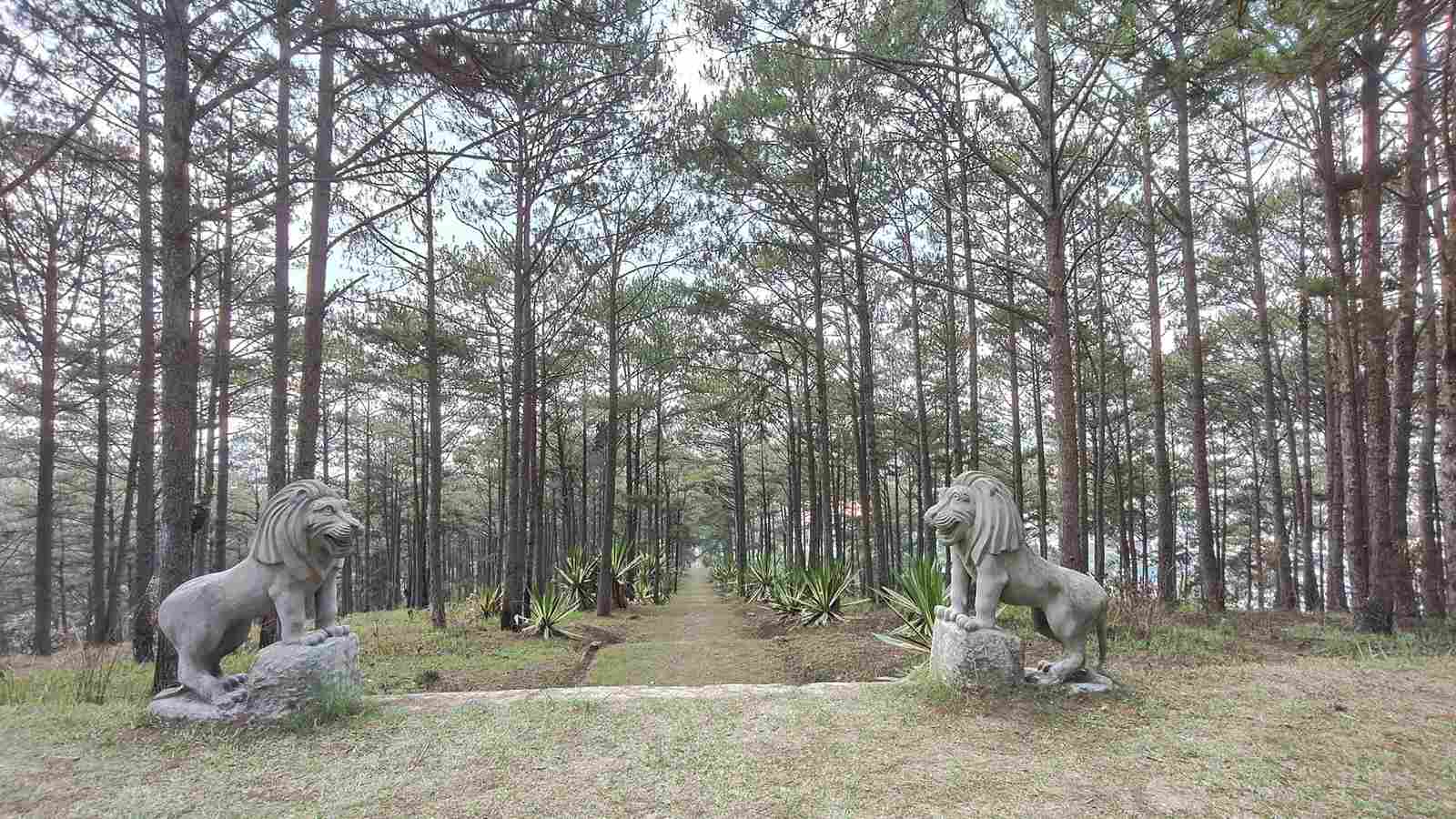
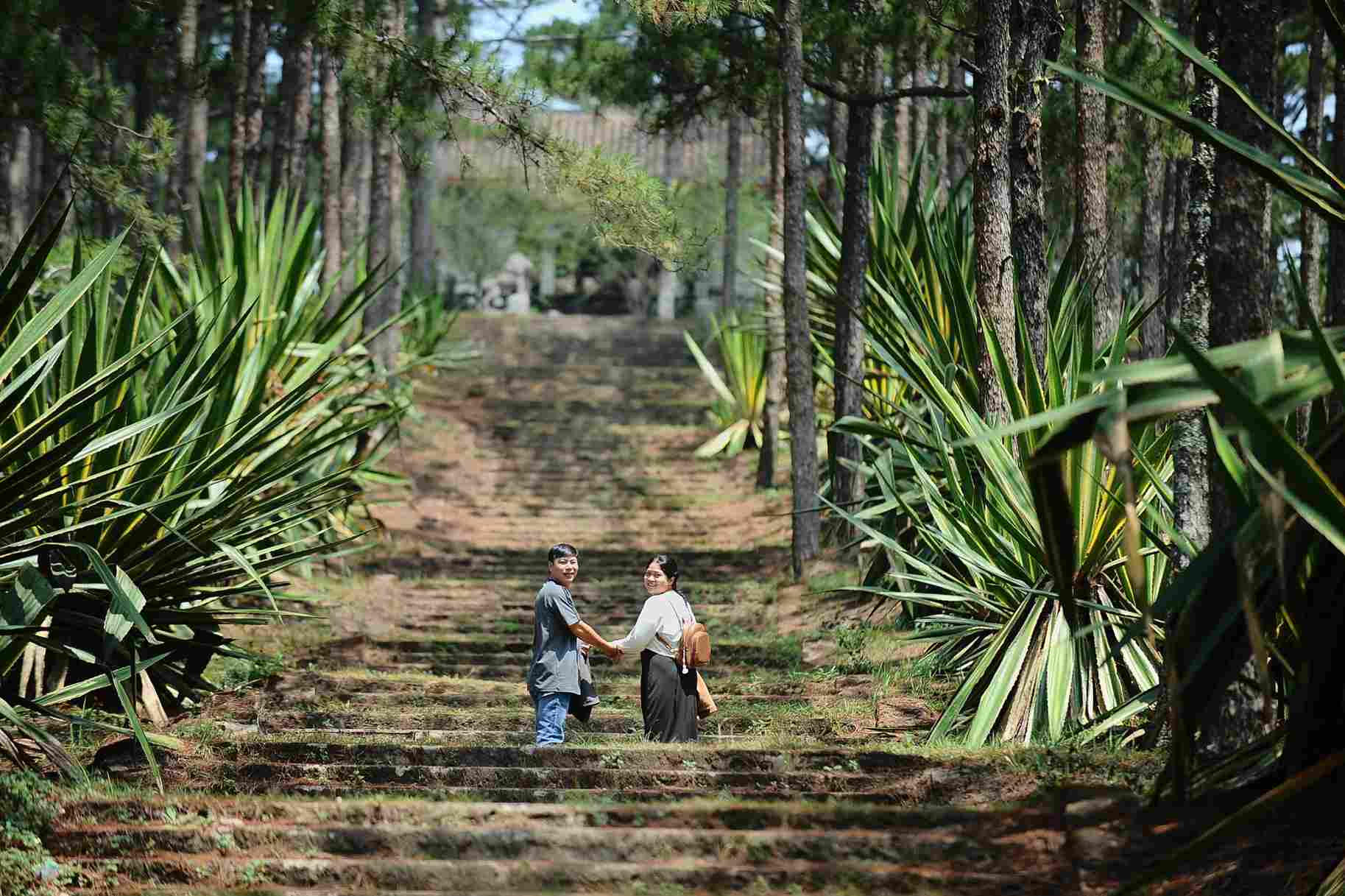
The entrance to the tomb is "Nhat Chinh Dao" consisting of 158 steps, designed with a moderate slope, convenient for moving. On both sides of the path are green pine forests that are cool all year round, creating a quiet and peaceful space before entering the main tomb area.
Quiet, peaceful space
The special thing is that throughout the 158 steps, every 9-13 steps, a resting table is arranged.
To reach the central area which is the burial place of Duke Nguyen Huu Hao and his wife, visitors must go through the altar, continue up 13 steps to the courtyard, and then complete the last 20 steps.
The main mausoleum includes two tombs of Duke Nguyen Huu Hao and his wife Le Thi Binh, carved with monolithic blue stone.
The two tombs are placed parallel, about 30cm higher than the ground, with sophisticated carved patterns, showing the nobility of the family.
Ms. Nguyen Thi Van (a tourist from Ho Chi Minh City) shared: "Every year I visit the tomb of Duke Nguyen Huu Hao when coming to Da Lat. Not only does it have historical value, the building is also attractive because of its unique architecture and peaceful space in the pine forest.
Mr. Ho Van Truc (tourist from Ha Tinh) said: "The space here is very peaceful, the vast pine forest brings a feeling of lightness. The tomb architecture is beautiful and unique, a worthwhile spot to visit when coming to Da Lat".
In the campus, there are also two stone steles engraved with Chinese characters, recording the origin, merits of Quan Cong and the remembrance of posterity. One stele is placed behind the mausoleum in the four-roof stele house, the other stele is erected in front of the courtyard.
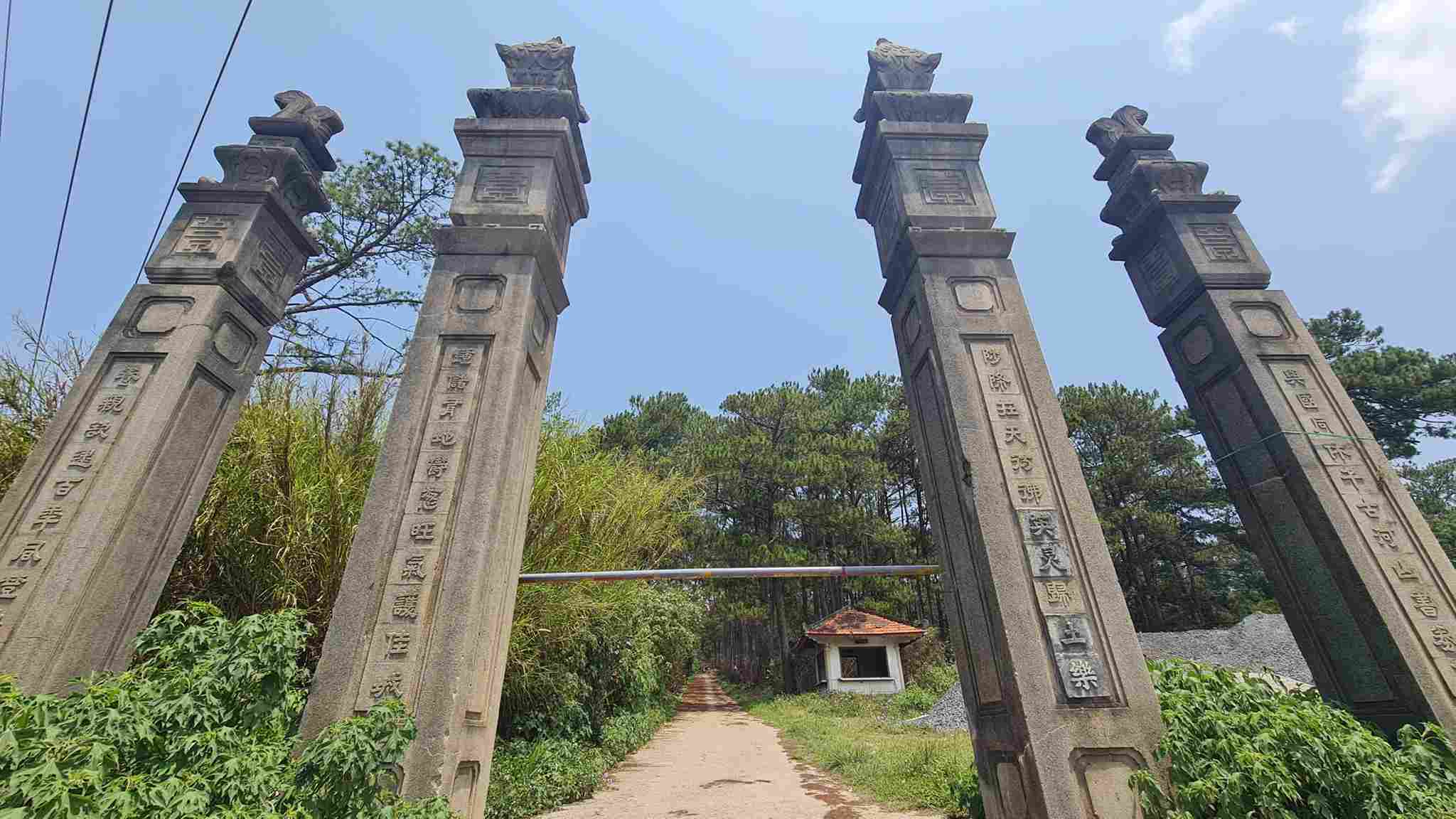
In front of the main mausoleum are two stone lion statues guarding the final steps, contributing to enhancing the majesty of the work.
The tomb space is imbued with Eastern colors, the architectural details are meticulously cared for and soft. The overall structure both retains its elegance and ensures the solemnity of a tomb area.
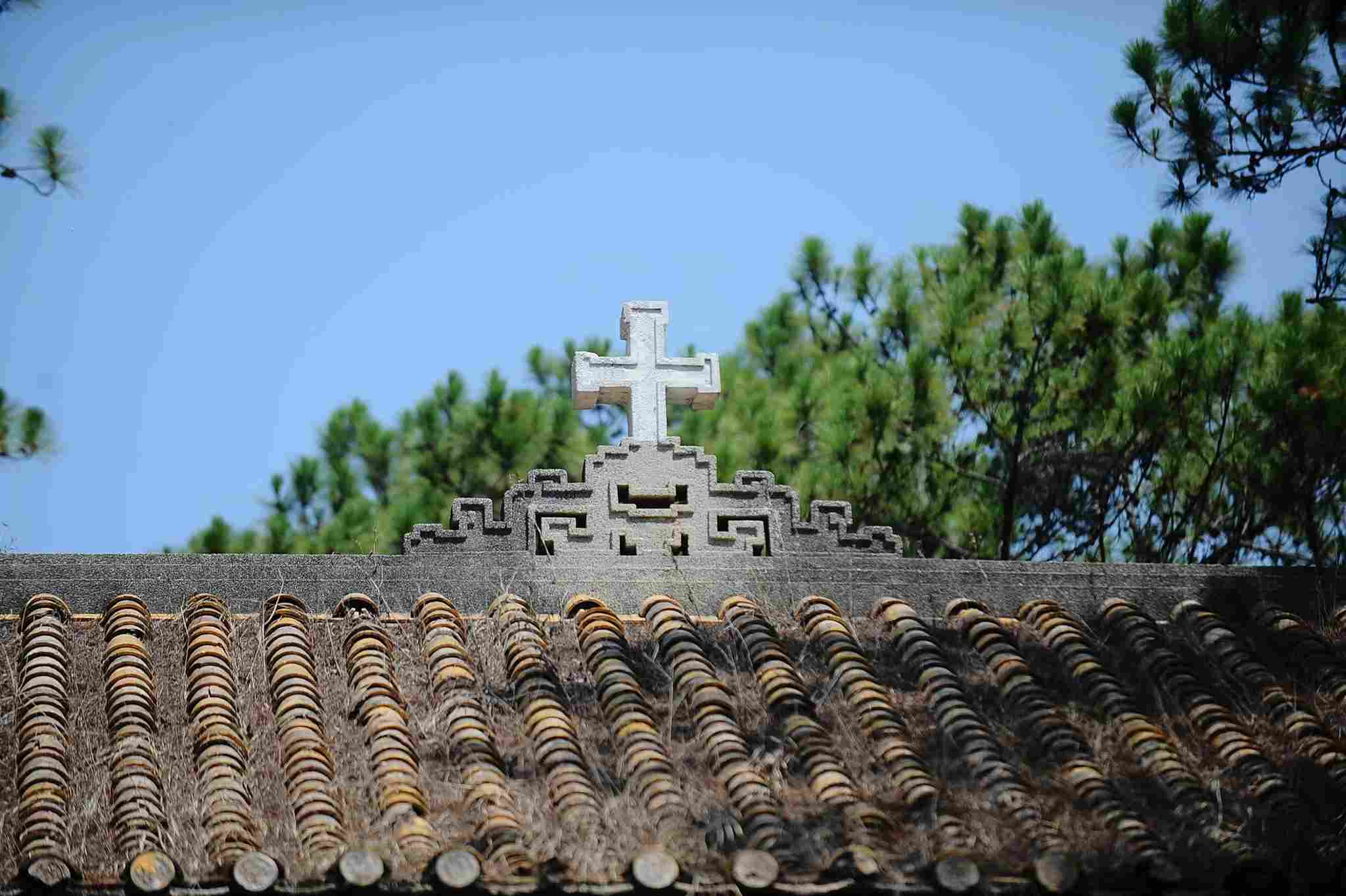
Over time and historical changes, some items in the mausoleum have deteriorated, even been damaged. Currently, the relic site is managed and protected by functional agencies of Lam Dong province.