
Hidden among high-rise houses, Tat Vien village (now Tan Hung commune, Hung Yen province) still retains the rustic beauty of the ancient Northern Delta countryside. This place is famous as a knitting village, the largest and most famous handmade bamboo and rattan baskets in Vietnam.
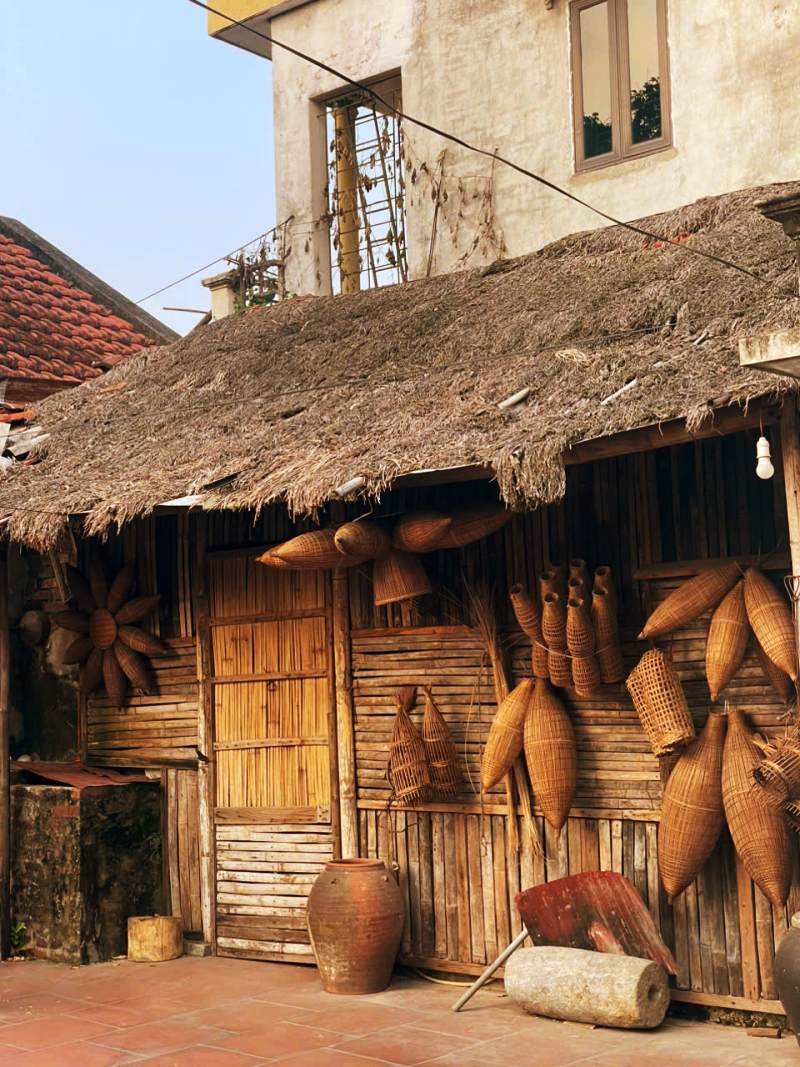
Pham Van Thach (77 years old) - a weaving artisan who has been attached to the profession for 62 years, said that Tan Hung commune was originally a swampy area, a wild reeds field located in the low-lying area of the Red River and Luoc River junction, so it was fertile with alluvium, rich products, and abundant shrimp and fish.
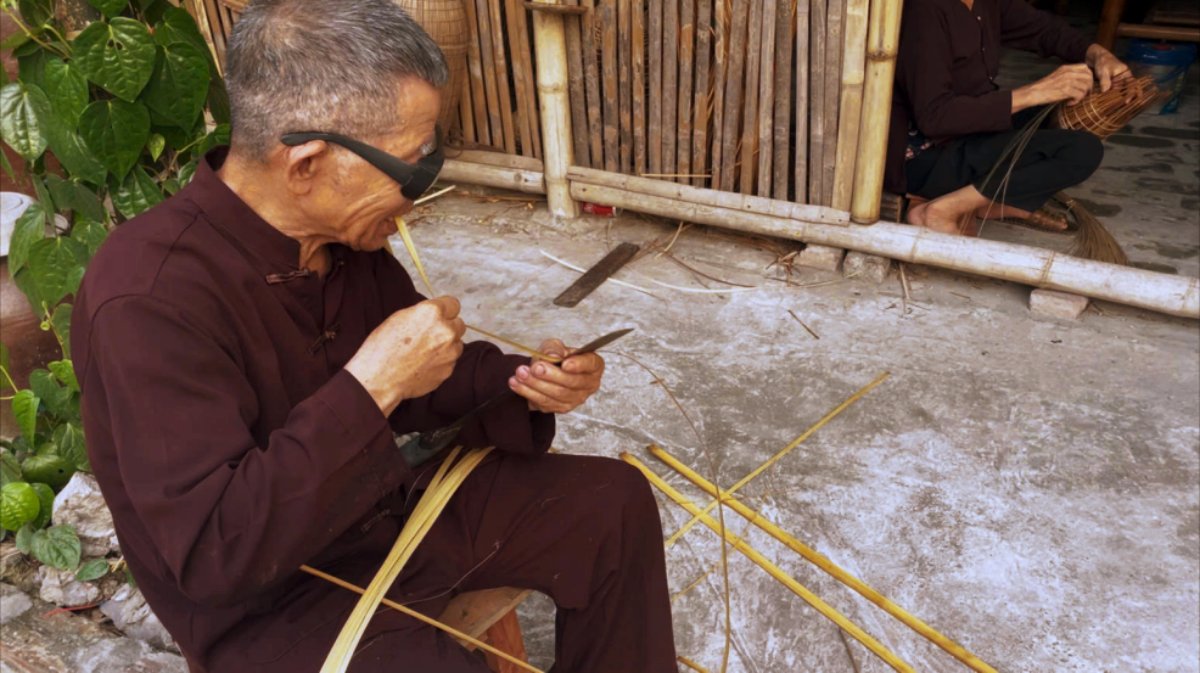
To create a handmade "do", bamboo and rattan strips must go through many stages: bamboo selection, splitting strips, sharpening strips, weaving, and finally smoking over fire three times to increase durability. The total completion time takes about an hour.
The final product is those pretty ones with an oval shape, thinly knitted with a branch in the middle so that fish and shrimp can crawl in but cannot escape.
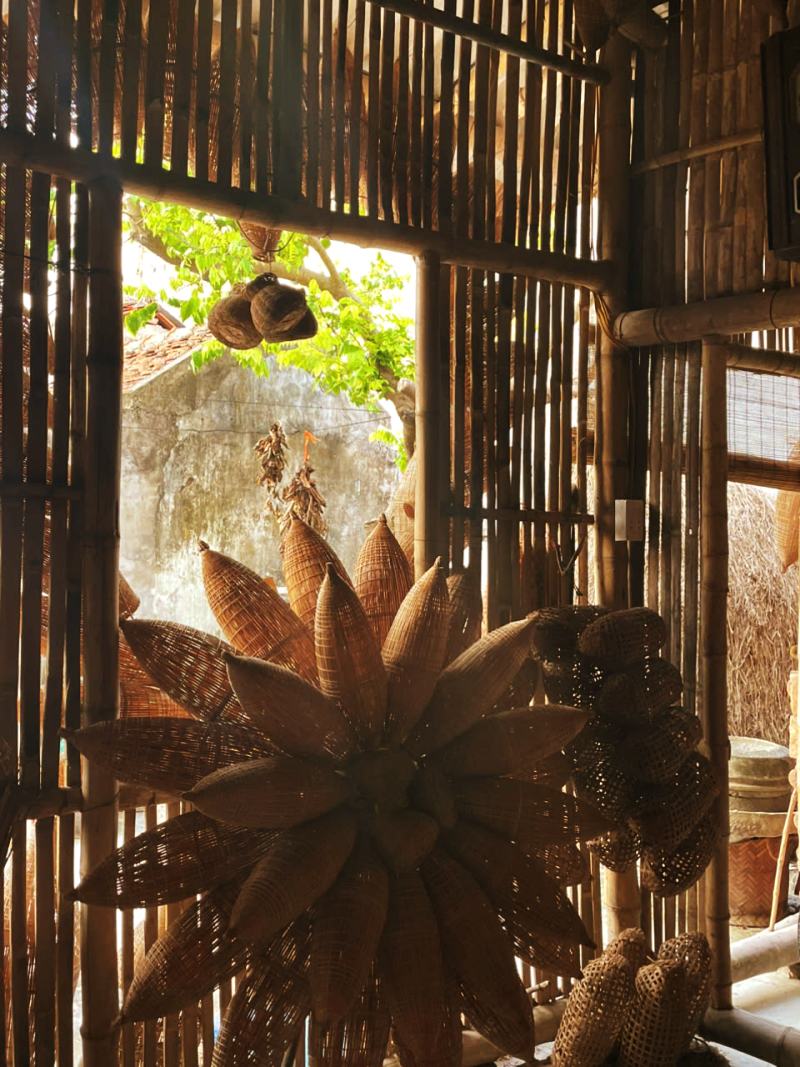
Today, in addition to being a fishing gear associated with farmers' lives, that weaving product is also a special handicraft item that is favored and exported abroad.
This place is also a "hot" tourist destination for Western tourists who like to experience reality, personally sharpen bamboo, weave handicrafts to bring home for decoration and souvenirs at home.
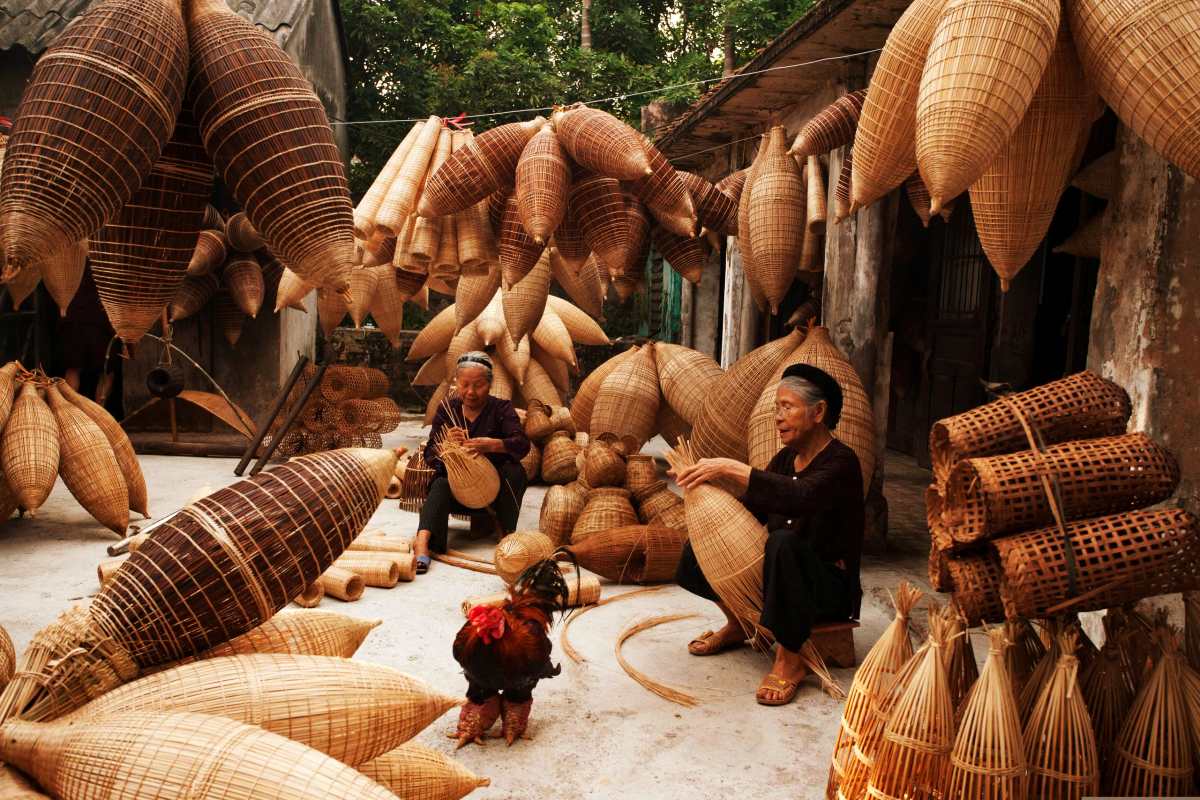
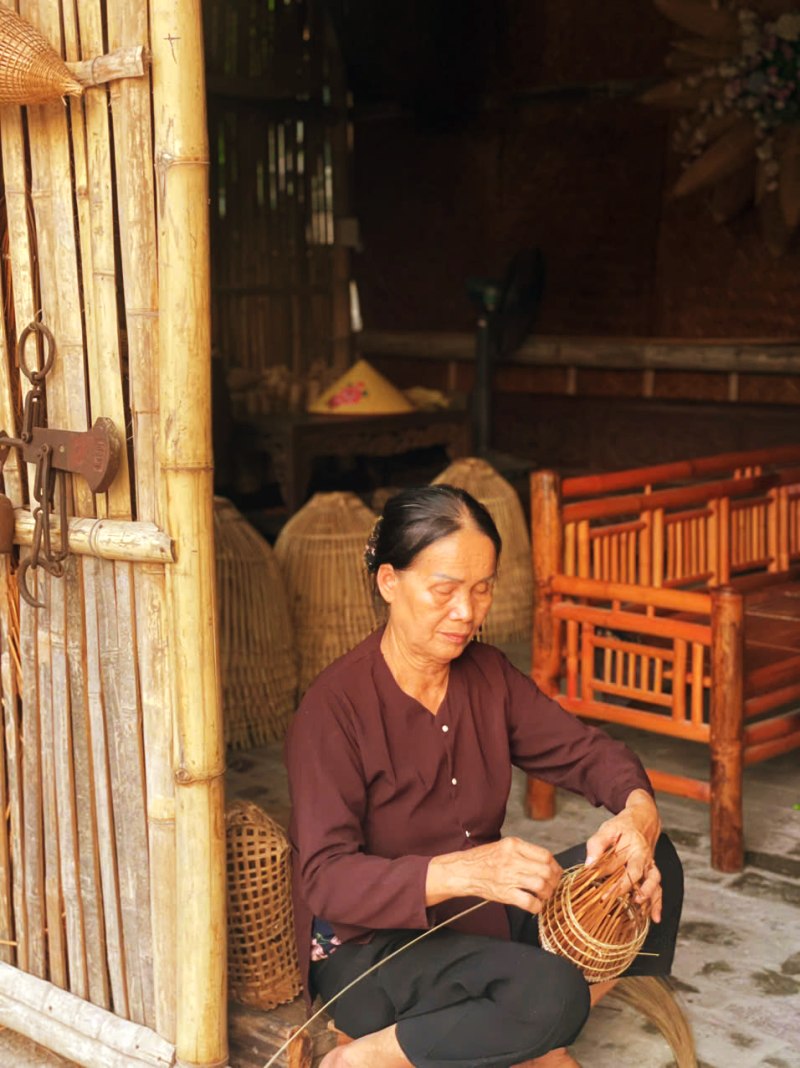
Mr. Thach recounted that there was a time when weaving supported the whole village. One person could weave an average of 200 - 250 pieces a day and resell them to traders for distribution to all provinces.
According to his sharing, the subsidy period was the period when the craft village developed to its peak: "Each morning market session, traders often gather to take about 50-60 baskets and baskets of all kinds from each house. Villagers weave all night and then bring them to the market to sell to get money to measure rice. Now it's no longer there.
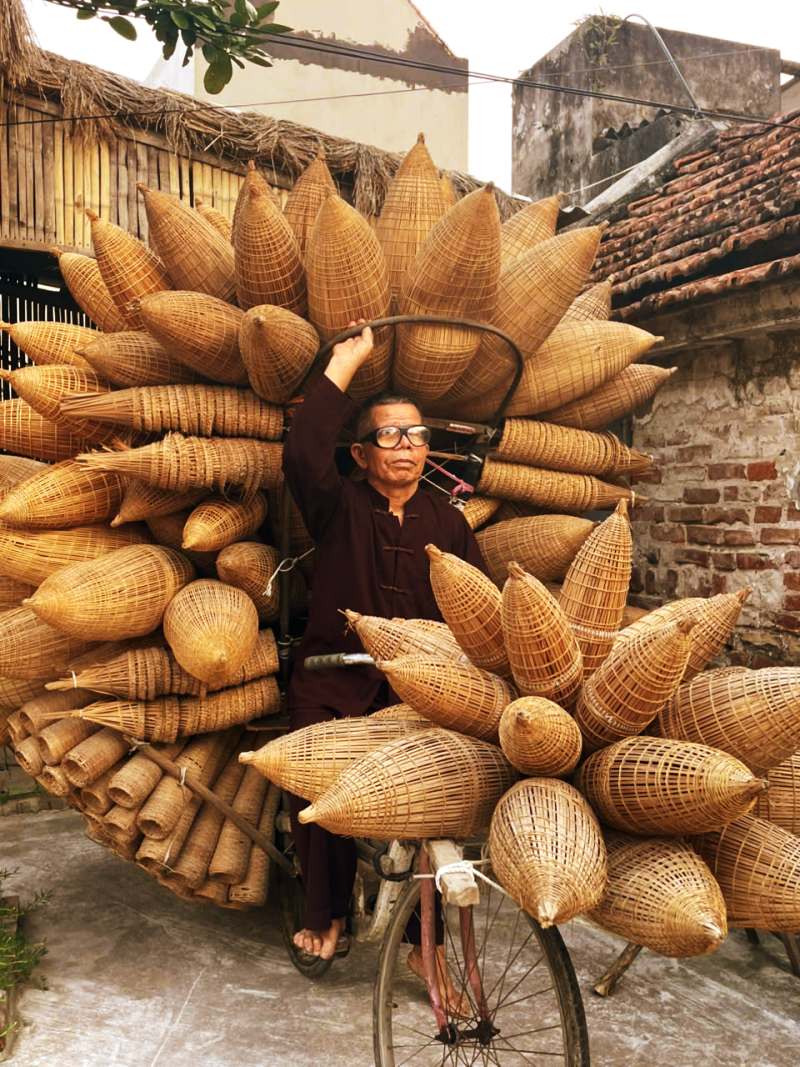
With the development of the times, followed by the emergence of a series of factories and enterprises, main laborers gradually quit their jobs to do jobs with higher incomes.
In addition, the abuse of pesticides and chemical fertilizers in agricultural cultivation has significantly reduced the number of shrimp and fish. That weaving art is also gradually fading away.
Now, the traditional fishing gear weaving job is only for the elderly and young children to do in their spare time to have additional temporary income.
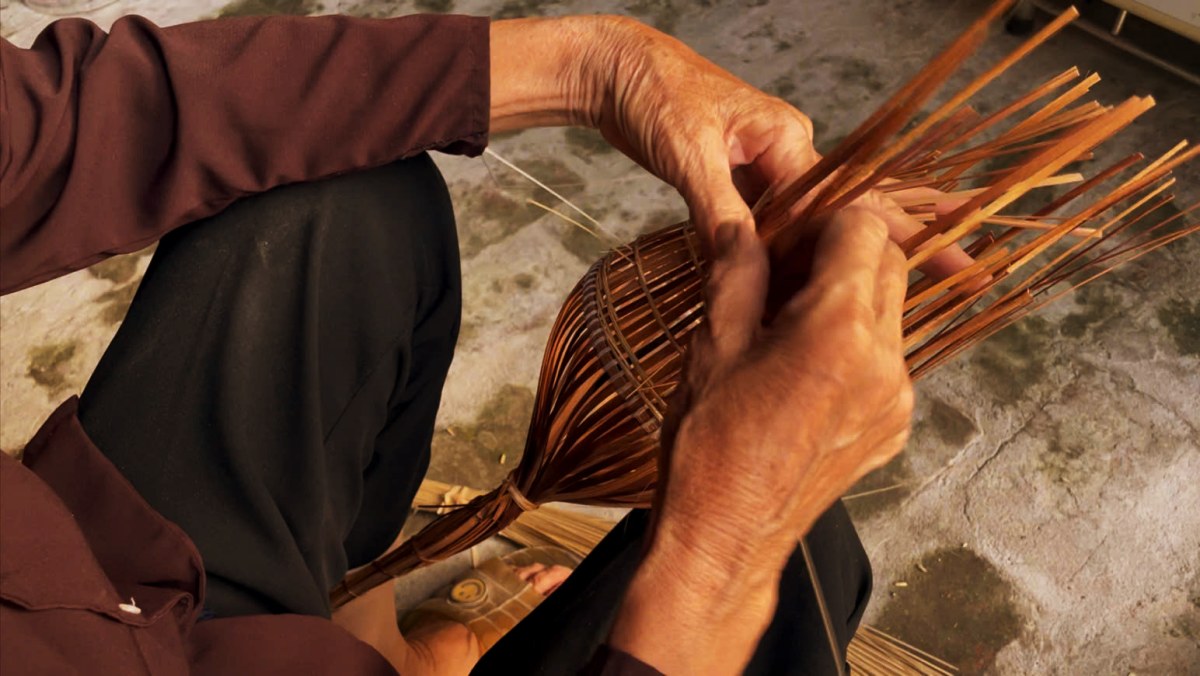
In the process of development, Tat Vien weaving village has innovated strongly thanks to the application of digital technology and associated with experiential tourism. Products are promoted and consumed online, helping to expand the market and increase income for people.
Mr. Thach said that the main source of income for the village currently comes from selling baskets and bamboo strings online and ecotourism activities. Thanks to transportation units supporting the delivery stage, people have more time to focus on making quality handicraft products.
Recently, the craft village has exported 2 containers of goods through Hai Phong Port to fulfill orders from the United Kingdom.
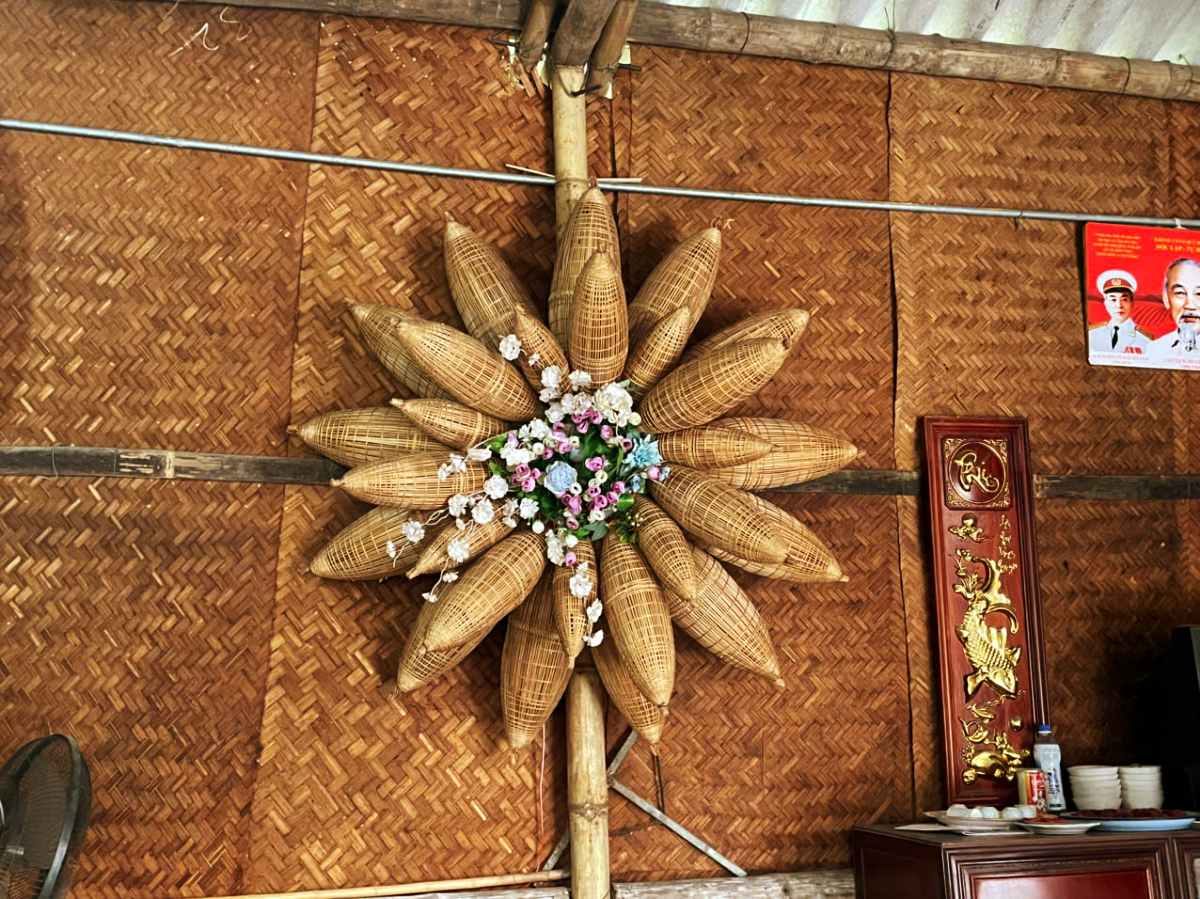
Not only creating livelihoods, this place has also become an attractive destination, contributing to preserving traditional crafts and promoting Vietnamese culture. Summer is a suitable time for tourists to visit, experience weaving bamboo and knitting with artisans and explore the ancient Northern countryside space.


