
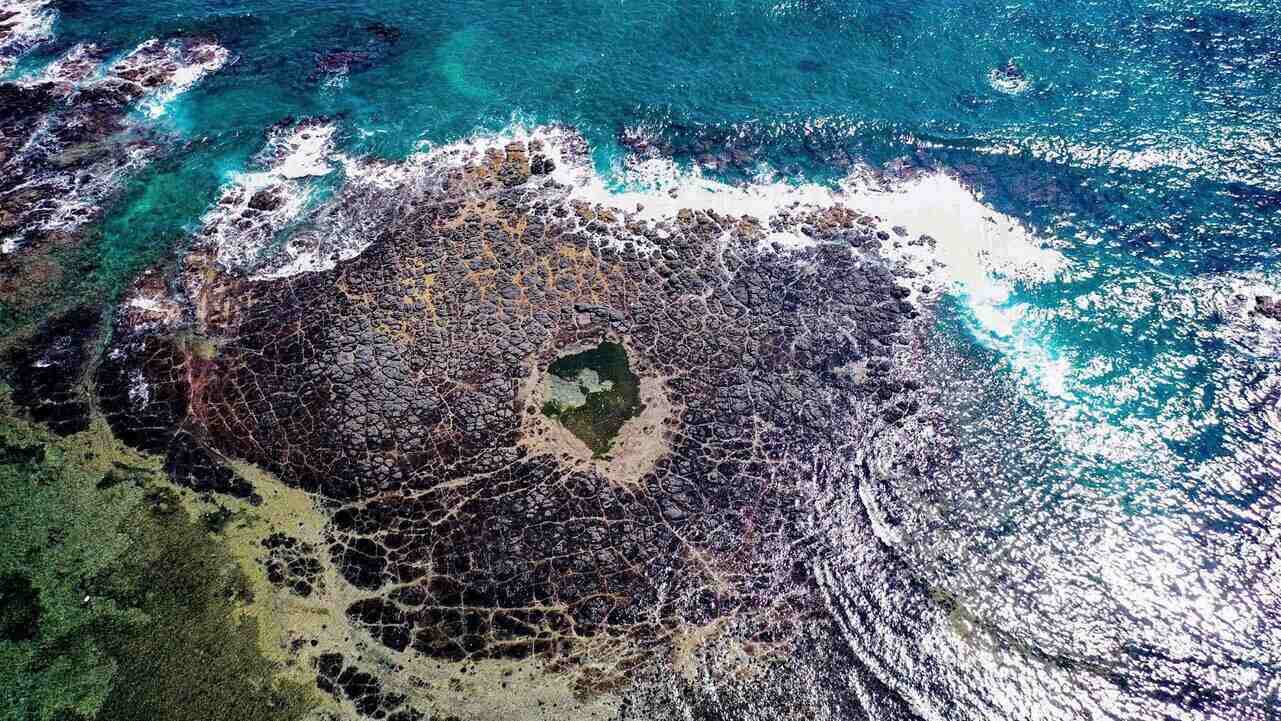
Mui Ba Lang An (Dong Son commune, Quang Ngai province) was formed from lava flows that once flowed out to sea. Over thousands of years, waves of water diligently eroded the basalt layer, depicting a pristine and wonderful beauty.
Unlike many gentle white sand beaches of Quang Ngai, Ba Lang An has a unique appearance with beehive hills protruding to the sea, both rugged and strong, like the marks of time still imprinted on each piece of land.
The name Ba Lang An originates from three villages that both carry the word "An": An Hai (Binh Chau commune, former Binh Son district), An Vinh and An Ky (Tinh Ky commune, former Quang Ngai city). That simple name evokes a peaceful land, where people live in harmony with the sea.
Ba Lang An is not only different in terrain but also impresses with its rugged and enchanting beauty. Through thousands of years of storms, white-crowned waves constantly crash into cliffs, erode and create arc-shaped curves, along with countless strange shapes like a "stone museum" in the sky.

Stepping into Ba Lang An, visitors will clearly feel the freshness of the sea breeze, the tranquility of the green hillsides, and the contemplative beauty of the glossy black lava rock beaches that have existed for centuries. Interspersed among them are small fishing villages nestled on the edge of the waves, where the pace of life is still slow and simple.
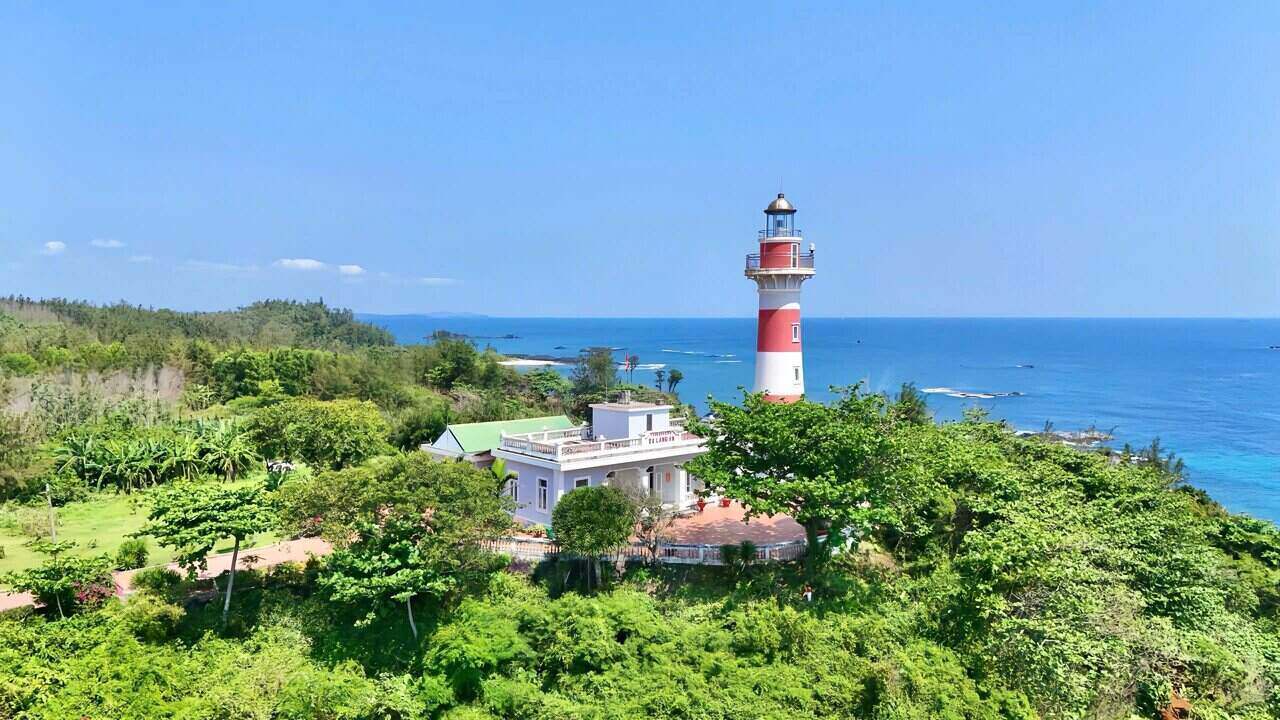
The highlight of Ba Lang An Cape is the 36m high lighthouse, located at the outermost tip, illuminating day and night, leading boats in and out of Sa Ky port. This is also where many young people come to admire the pristine and majestic beauty of this land.
With a unique geological structure including basalt, laterite soil and traces of volcanic lava, Ba Lang An is like a vivid "witness" of natural history. The ancient lava flows flowing into the sea, when met with cold water, solidified, leaving today a scene that is both fierce and unforgettablely charming.


