When beeswax and forest Linh fiber attract international visitors
Among the villages along the mountainside in Sa Pa, the H'Mong people are not only present as a large community but also the subject of preserving handicrafts closely associated with cultural life.
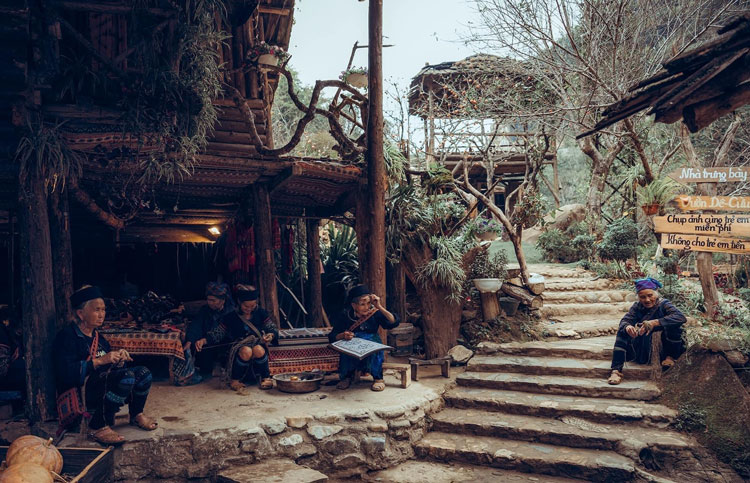
In Cat Cat village - the most crowded place for H'Mong people in the district, flaxseeds, indigo pots and handmade bee wax paintings have been quietly extended for many generations, becoming a unique mark in the picture of community tourism being formed and developing.
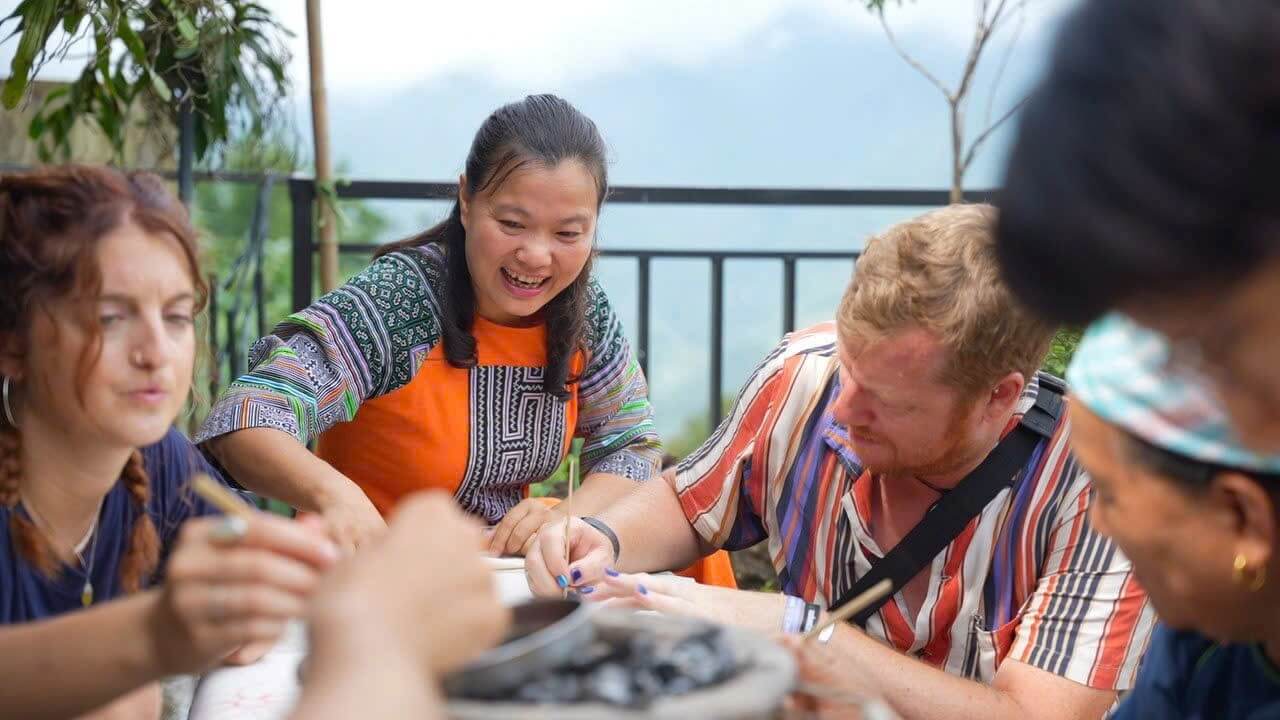
Coming to Cat Cat village, visitors can visit, learn about the process and try making traditional handicrafts of the H'Mong ethnic group.
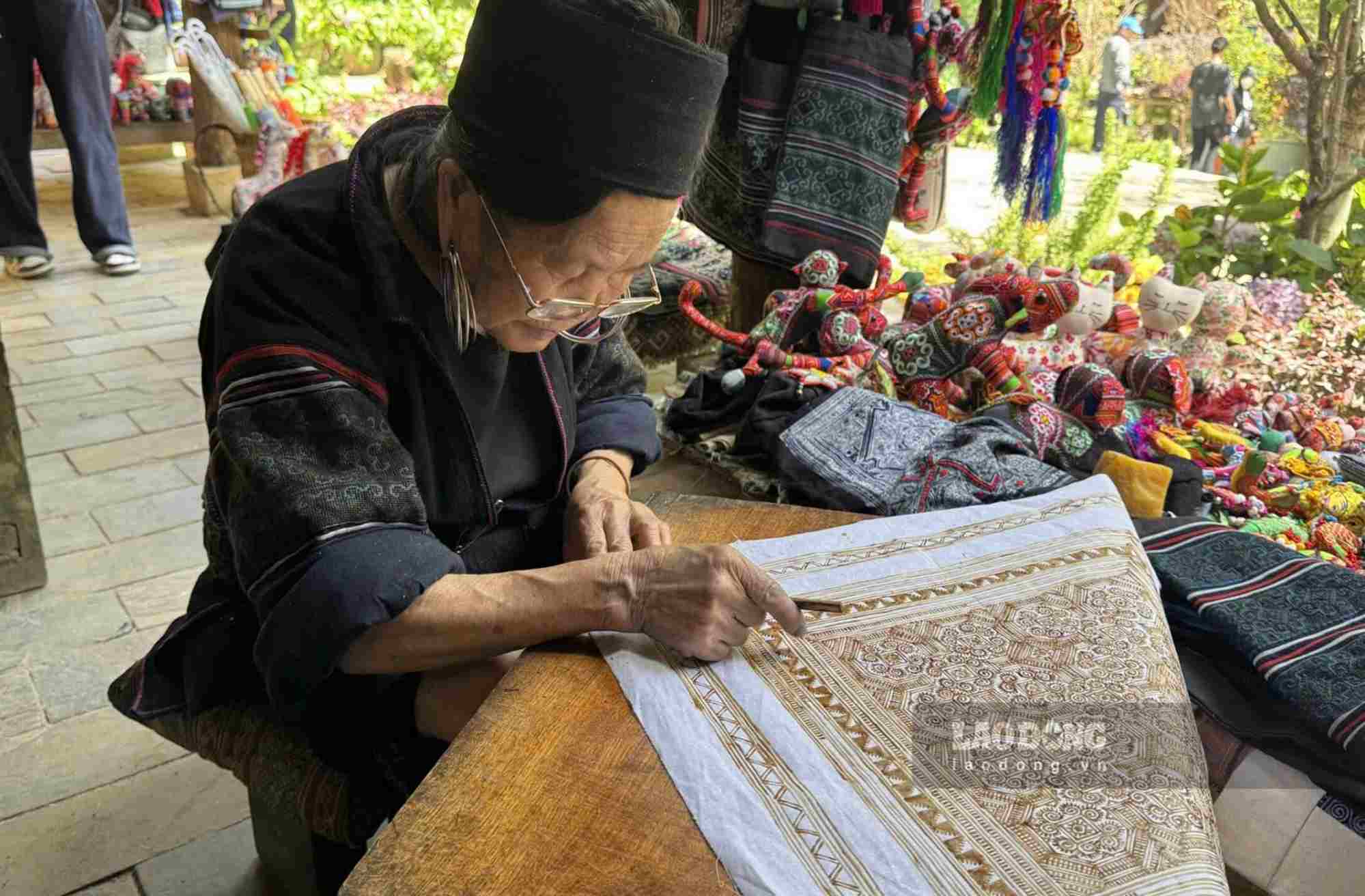
Ms. Tran Hien - owner of an amber dyeing and beeswax painting experience facility in Sa Pa ward - said that her facility has been in operation for more than two years, welcoming a large number of international visitors and schools to visit and experience.
From working in a hotel to turning towards developing tourism associated with traditional culture, Ms. Hien considers this a fate, a return to the traditional occupations of the nation.
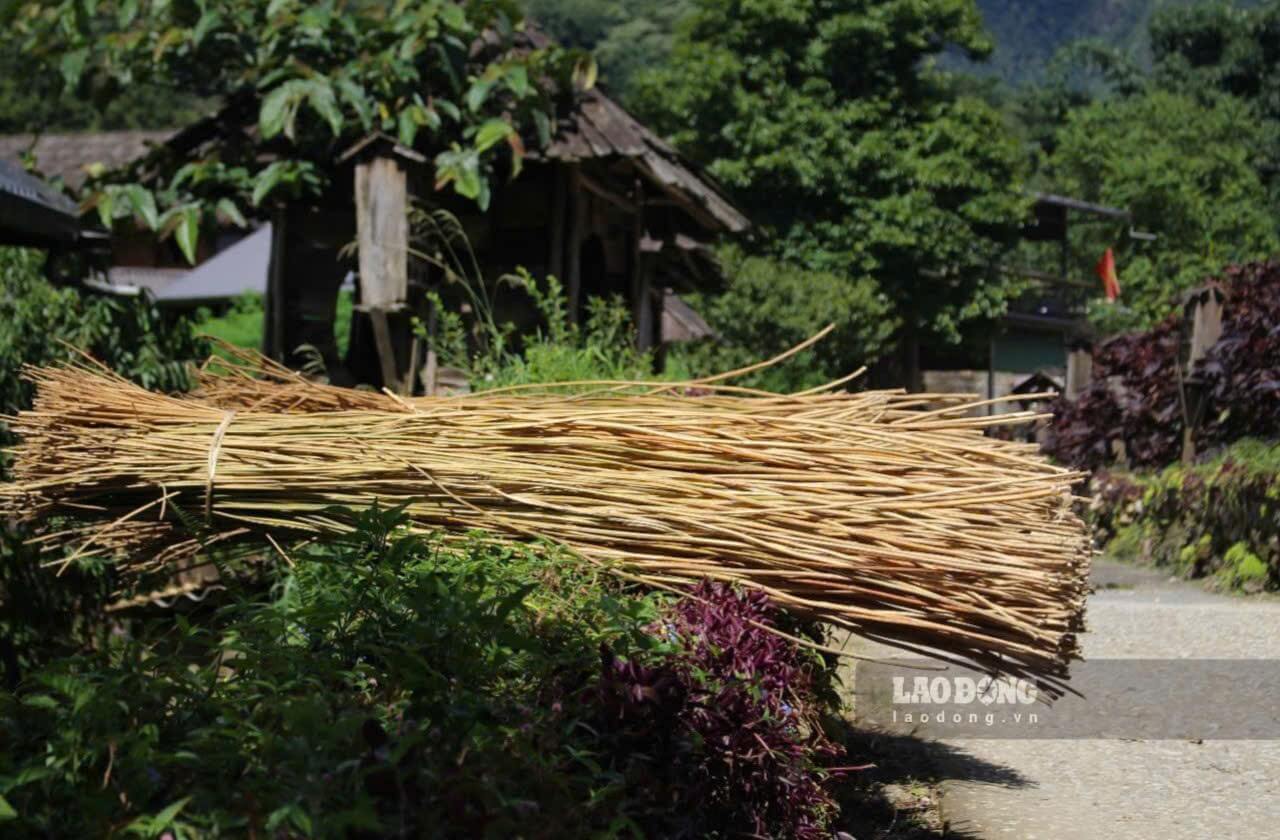
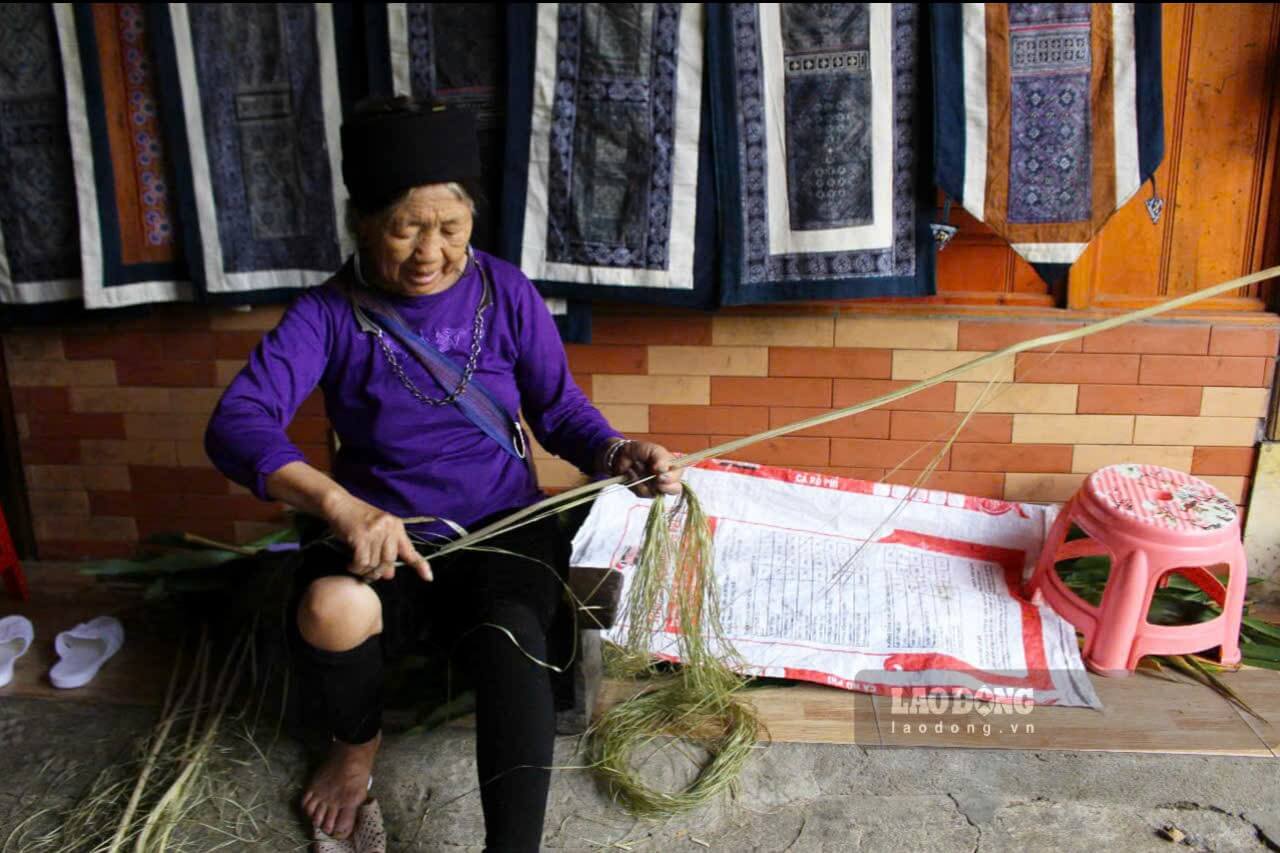
Ms. Hien's facility includes activities of experiencing beeswax painting, weaving and fabric dyeing. For the traditional weaving craft of the H'Mong ethnic group, flaxseed is brought back after harvest to dry, stripped into strands, boiled and then tr trited into fabric strands.
Every stage is handcrafted by skilled craftsmen to make the linen fibers durable, even, smooth, ready to be put into the wooden frame, woven into rough fabric.
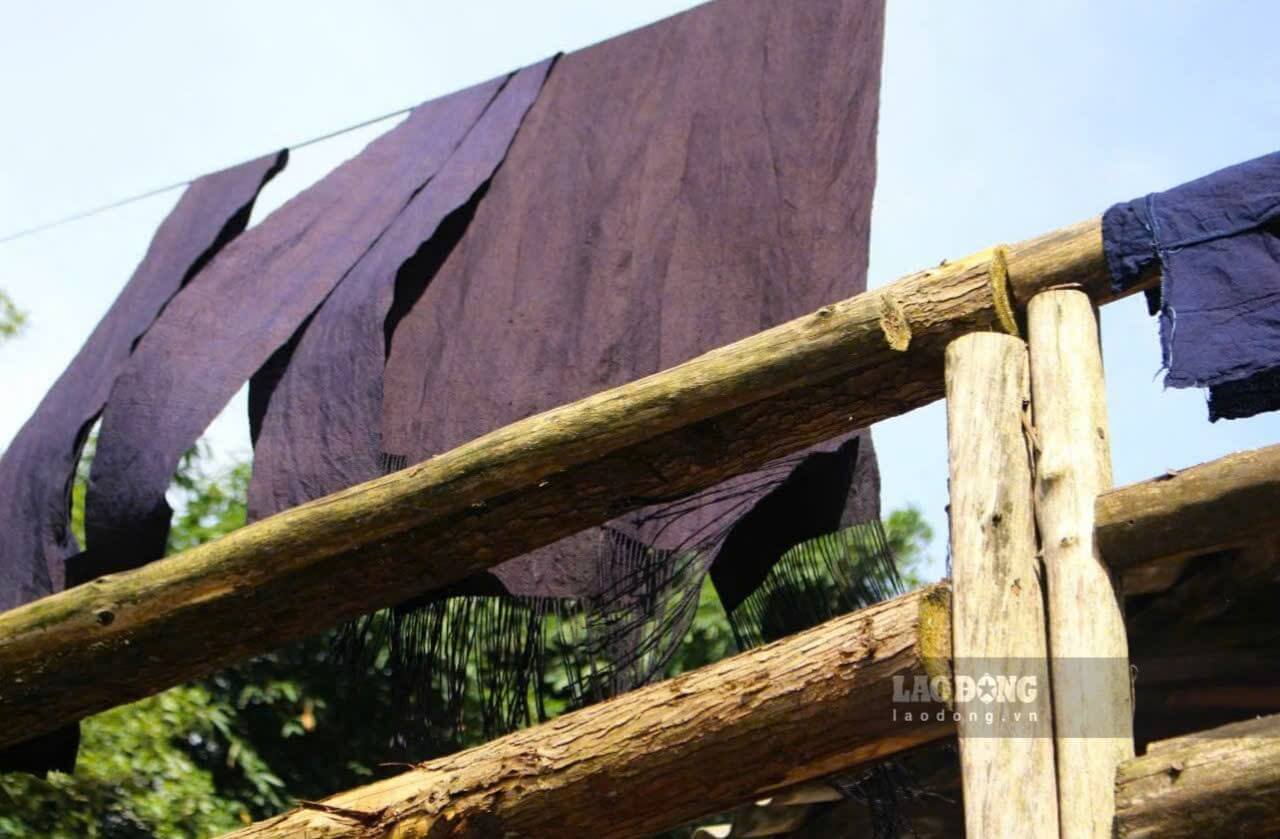
Visitors will observe a rough flax fabric from the sewing step, to the decoration of patterns and indigo dyeing. The H'Mong people use heated beeswax to paint patterns directly on fabric without any sketches or models.
Hand-painted, the patterns cannot be carved, but this is what makes the difference, no fabric is like any fabric. Pencils are used to paint beeswax with brass nests to keep them hot. Each pattern meticulously painted by a H'Mong woman reflects the daily life such as the image of rice plants, mountains, suns, elephant feet... That is a unique cultural feature that attracts tourists.
Ms. Hien still remembers that the first time her facility welcomed guests, at that time the experience space was very simple, surrounded by only majestic mountains and forests. However, the international group of about twenty people coming to experience was still very excited and attentive when listening to her introduce traditional crafts.
Their compliments have become a motivation for her to increasingly improve her products, as well as expand the facility to serve the experience for tourists.
Foreign customers who participate in the beeswax painting experience feel very excited with the extremely meticulous paintings. Many people are surprised because people can sit on a pen and paint patterns that are very sharp, beautiful and unique, said Ms. Hien.
Nowadays, the H'Mong people in the village not only weave and dye indigo for garment or serve the cultural and spiritual life of the people but also display, promote, and contribute to attracting tourism.
The linen fabric after being painted with beeswax is now not only used to make clothes but also created by the H'Mong people to make decor items, handbags... for visitors to wear as souvenirs.
Traditional profession in the space of Sa Pa community tourism
Community tourism in Sa Pa is developing strongly, mainly concentrated in communes where the H'Mong, Dao, Giay, Tay ethnic groups live, creating diversity in the content and forms of cultural activities. In which, Cat Cat village is a bright spot.
Cat Cat village has long been an impressive and unmissable tourist destination for domestic and foreign tourists when coming to Sa Pa. Thanks to the development of community tourism activities, the lives of local ethnic minorities have improved, giving Cat Cat a new look without losing the long-standing traditional beauty.
To develop the cultural and tourism potential of Cat Cat village, the Department of Culture, Sports and Tourism of Lao Cai province has implemented many special programs to attract visitors.
Typically, the Cat Cat Cat H'Mong Cultural Festival, the experience tourism program One day as a H'Mong farmer or One day as a H'Mong bride... open up opportunities to learn about and explore the rich folk cultural identity of the local people.
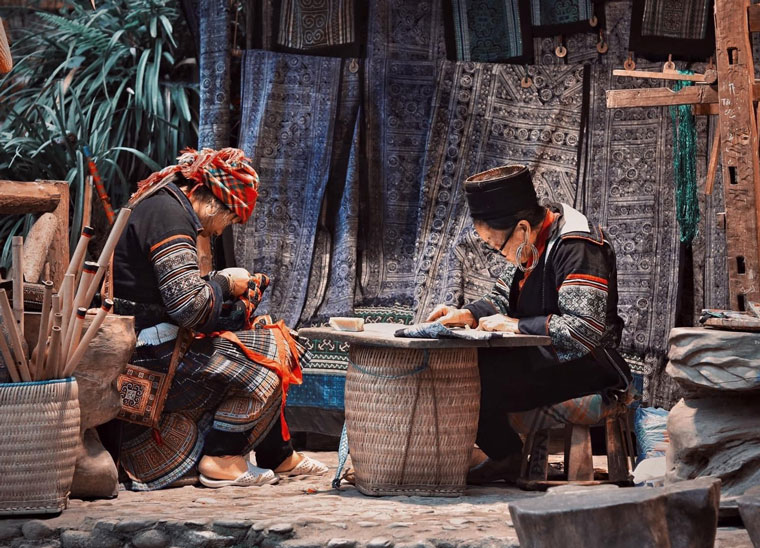
In the space of the mountains and forests, traditional dances, smooth and profound love songs resound; visitors can observe elderly artisans carving silver, painting bee wax, weaving linen, embroidering brocade...
The trend of globalization and modernization is happening rapidly, heritage is at risk of being lost and transformed. Therefore, in the work of creating and passing on traditional cultural values, the community is the subject that determines the existence, as well as the identity of heritage because the transmission must both preserve and promote effectively, in line with the times.
Tourism is an effective solution for conservation, but tourism also brings challenges that require the heritage owner community to have appropriate orientations, proper investment in people and how to do tourism.
During the period of grassroots activities over the past two years, Ms. Hien said that there are some difficulties that need to be resolved to be able to improve sustainable tourism activities.
According to her, the personnel involved in tourism associated with cultural preservation need to be improved and more systematic to meet the needs of tourists. She hopes to have more professional training programs, new tourism activities to develop tourism in a sustainable direction.
The Department of Culture, Sports and Tourism of Lao Cai province assessed that developing community tourism has made an important contribution to the process of preserving and promoting traditional cultural values of local ethnic groups.
With great benefits from traditional culture through the development of unique tourism products, teaching, preserving and promoting cultural heritages serving tourism in the community has created many unique tourism products at community tourism destinations such as Cat Cat, Ta Van, Lao Chai...
When community tourism becomes a clear direction, heritage is no longer only preserved in a closed village space, but is gradually taken into contemporary life through experiential activities, product creation and cultural storytelling with the hands of the community. When the community still plays a central role, tourism can become a bridge, helping traditional values to be preserved, adapted and spread sustainably over time.