
Sa Pa, Y Ty, Mu Cang Chai in Lao Cai; Ta Xua in Son La; Chieu Lau Thi is in Tuyen Quang province; Mau Son in Lang Son or Long Coc tea hill, Phu Tho are attractive destinations in September.
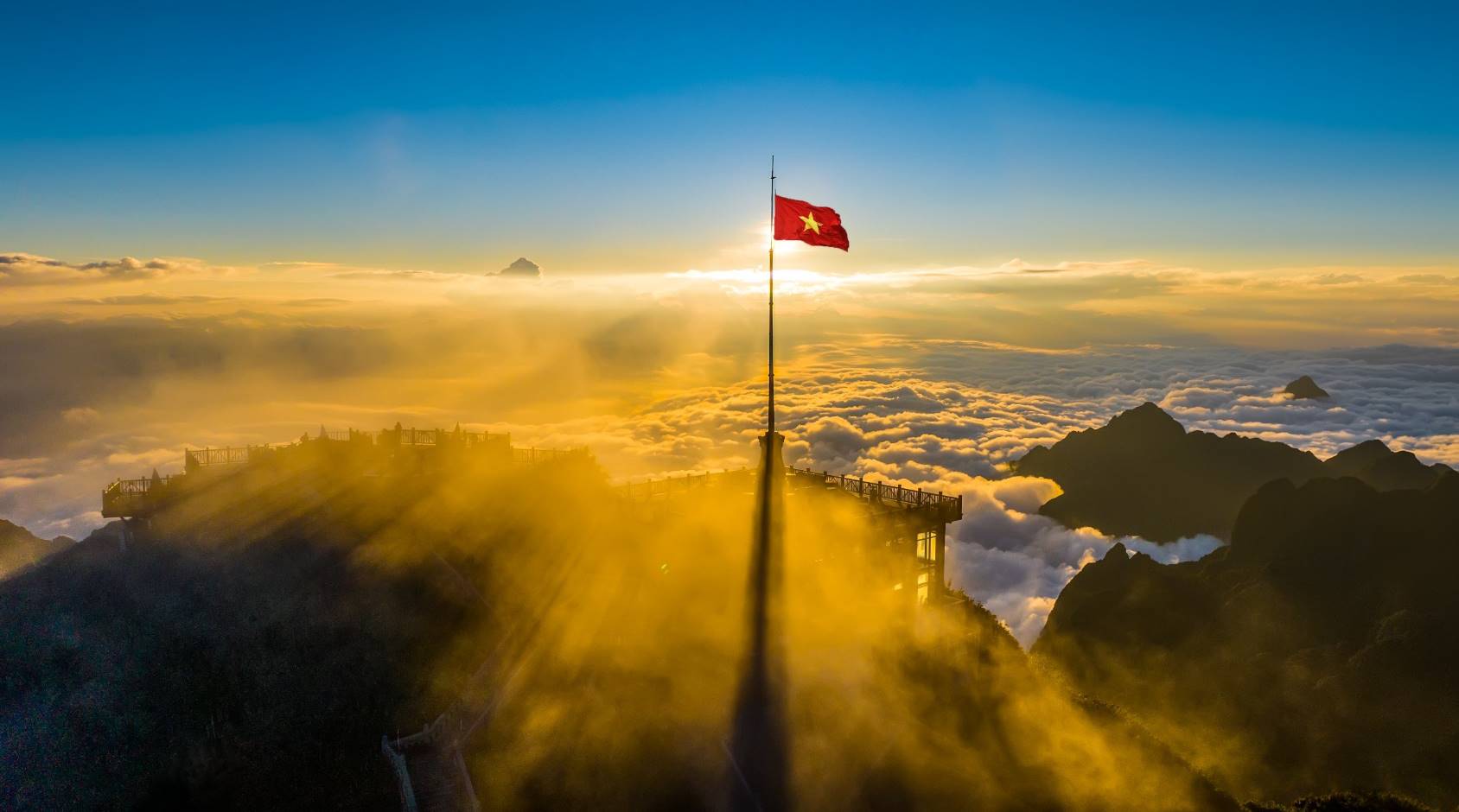
Cloudy sea usually appears in the early morning, when humidity is high, there is little wind and there is a temperature difference between the mountain peak area and the valley.
However, this phenomenon depends on many factors, so it is not certain that going up the mountain after a rainy night will bring beautiful clouds.
Not just watching sun and rain forecasts
Before the trip, tourists should follow the forecast at the destination for about 3-5 days and check it again the night before. In addition to the possibility of rain, it is necessary to pay attention to rainfall, rain time, thunderstorm warnings, strong winds, flash floods and landslides.
The Department of Meteorology and Hydrology is currently operating a real-time flash flood and landslide warning system. Visitors can check rainfall, key locations and risk levels before entering mountainous routes.
Clear skies do not mean the pass road is safe. After many hours of rain, soil and rocks on the taluy can continue to move; mud overflows, fallen trees, rolling rocks or eroded roadbeds may appear unexpectedly.
If the locality warns of natural disasters, restricts traffic, or people recommend not continuing the journey, tourists should change their itinerary instead of trying to go to the cloud hunting spot.
Suitable clothing is many layers of thin clothes, with a windproof and waterproof jacket on the outside. Shoes need to hug the legs and have a good grip. Motorcyclists should use set raincoats, avoiding raincoats with bat wings that easily get caught in the wheels or are blown off by the wind.
Luggage should include flashlights, personal medicine, drinks, snacks, power banks and waterproof bags for papers and electronic devices. Off-line maps also need to be preloaded because some areas may lose signal.
Do not use the pass road to test drive
People who are not used to handling sharp curves, steep slopes or slippery roads should not rent motorbikes themselves. Ride-shaped cars or local pick-up and drop-off services are a safer option.
Before starting, it is necessary to check tires, brakes, lights, horns, mirrors and fuel. When encountering fog, the driver must reduce speed, turn on near lights, drive in the correct lane and keep a distance. Do not turn on far lights, overtake in hidden bends or stop in the middle of the road to take pictures.
When going down a long slope, it is necessary to use a low gear to assist in braking, avoiding continuous braking. Motorbike groups should agree on stopping points and share schedules with relatives or accommodation establishment owners.
New cracks on the hillside, cloudy water leaking from the slope, leaning trees, small rocks continuously falling or the sound of cracked soil and rocks are signs of having to leave the area.
Tourists should absolutely not cross the spillway when the water is flowing, even when seeing other vehicles passing by.
In addition, the itinerary should have alternative options such as visiting villages, experiencing cuisine or staying at homestays.


