
Lai Chau possesses majestic mountains, pristine waterfalls and many unique villages. This is an ideal destination for those who want to temporarily leave the urban pace to immerse themselves in the Northwest nature.
Below are the outstanding attractions in Lai Chau.
Amazing cave system
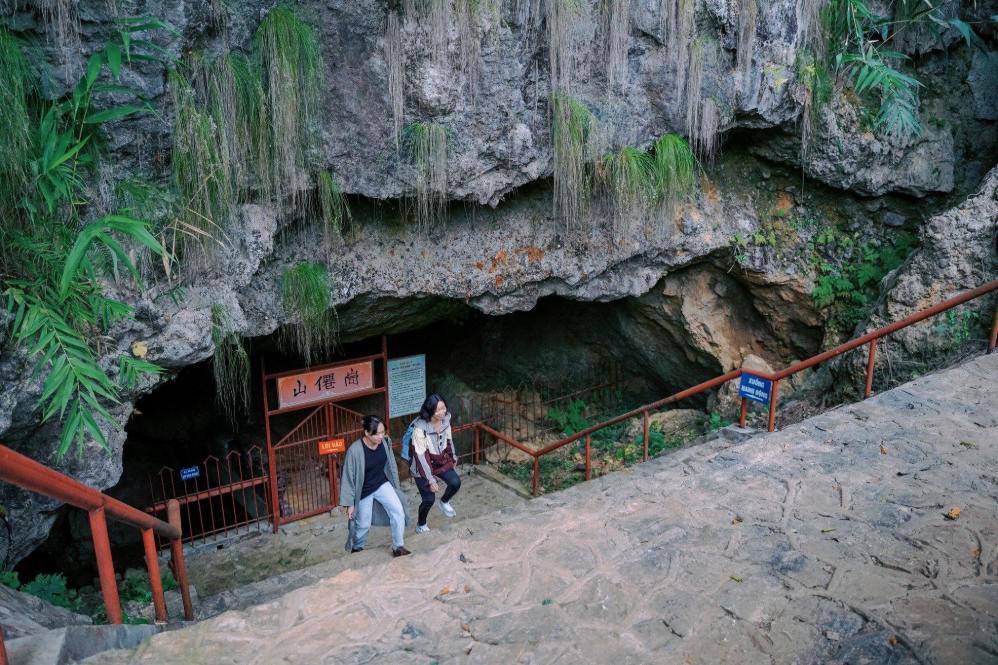
Lai Chau owns a cave system with many stalactites and stones with unique shapes. For example, Chi Chu Chai, Tien Son, Ban Tham caves and the Pu Sam Cap cave complex.
Stepping into these caves, visitors can encounter large and small stone blocks with shapes that evoke associations with many animals. Stone columns grow from the ground, while stalactites from the cave arches fall down, creating a fascinating scene, making visitors constantly surprised by the natural beauty.
Muong Than field
Muong Than is one of the four large fields of the Northwest region, belonging to Than Uyen commune. Amidst majestic mountains and forests, the vast field creates a scene that is both spacious and poetic.
Not only bringing landscape value, Muong Than is also a region producing many famous local products such as baby corn, Hoang Long sweet potatoes, Sen Cu rice and Tam rice.
Tan Uyen Tea Hill
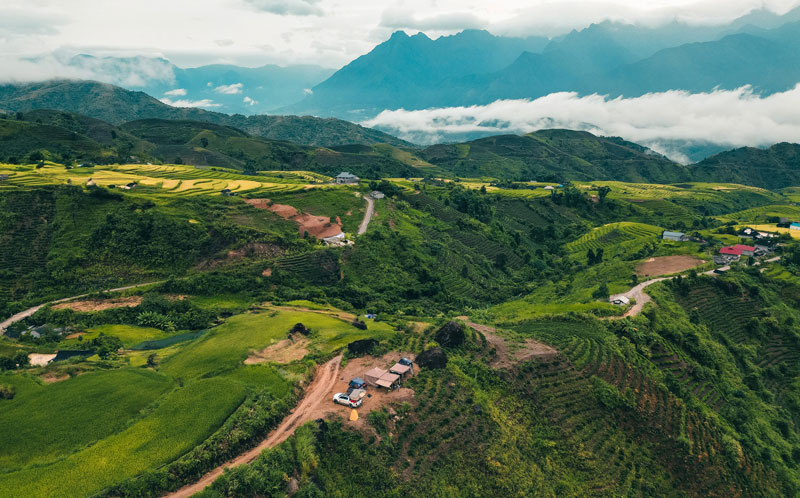
Located along National Highway 32, Tan Uyen tea hill is a favorite destination for many tourists. The lush green tea hills stretch out creating a particularly attractive scene, especially when the sunlight shines down on the tea beds.
The tea trees here are about 40-50 years old, with an area of nearly 2,000 hectares. The green space also makes this place a popular choice for taking wedding photos or taking photos in nature.
Majestic waterfalls in the mountains and forests
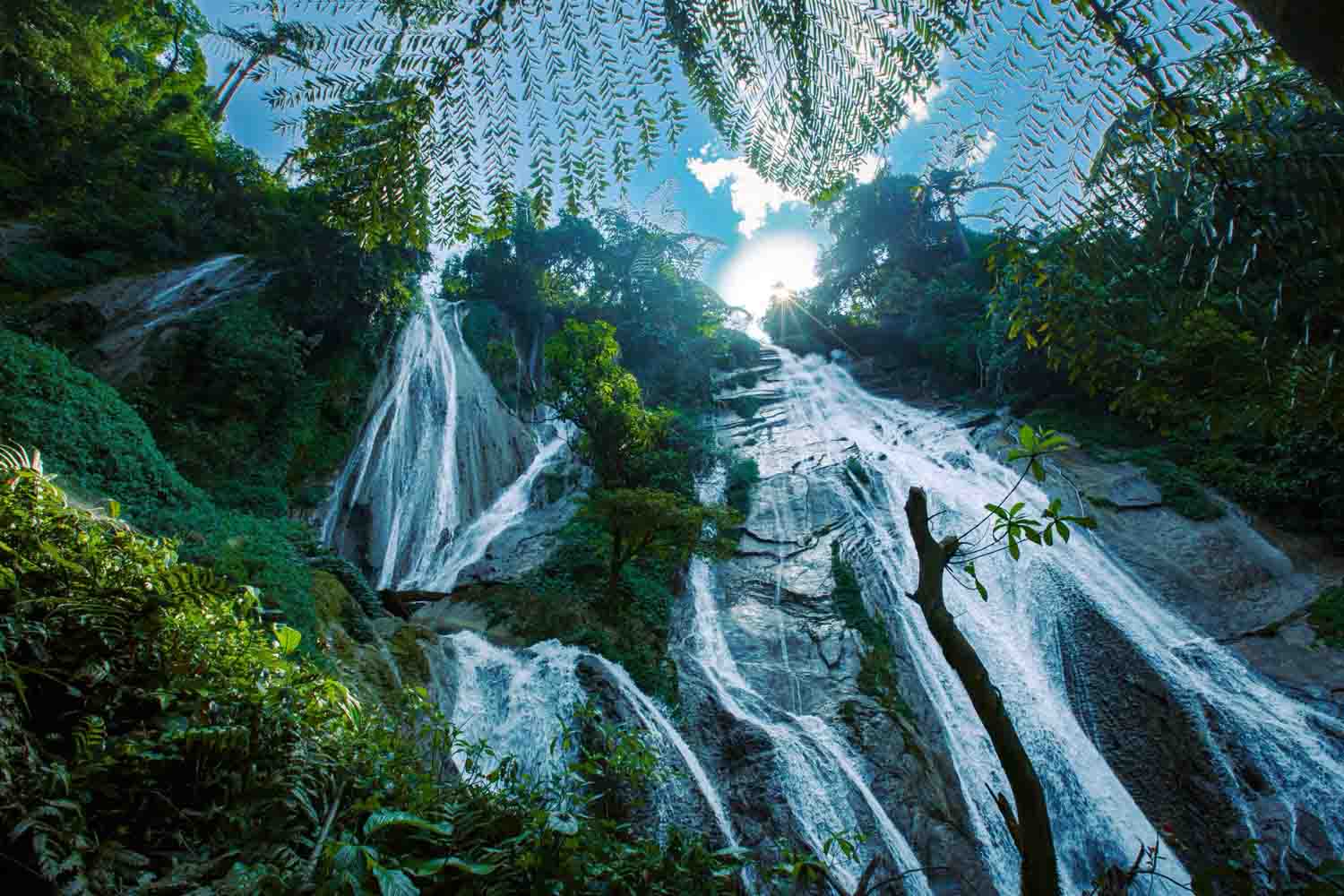
Amidst the vast green forests, Lai Chau also hides many waterfalls with pristine beauty. Water streams creeping through mountains and forests, creating attractive destinations for nature-loving tourists.
Some waterfalls that many tourists come to during their journey to explore Lai Chau include Nam Luc waterfall, Tac Tinh waterfall, Trai Tim waterfall, Reu waterfall...
O Quy Ho Pass
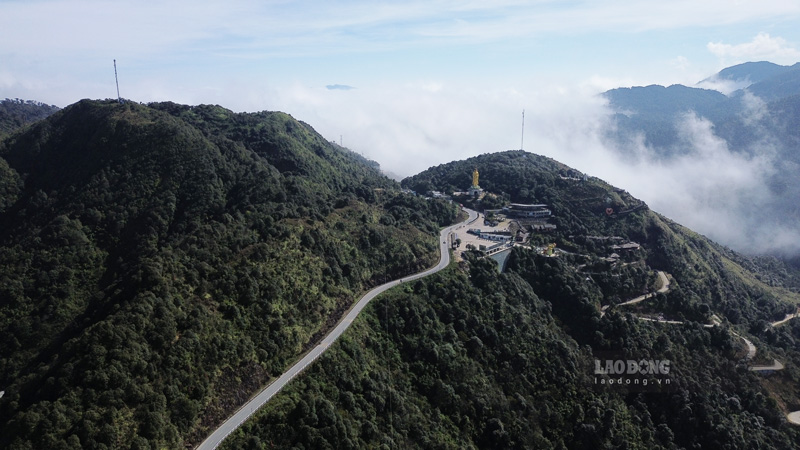
O Quy Ho Pass is one of the most famous roads in the Northwest region. The pass is nearly 50 km long, most of which is located in Lai Chau and the rest belongs to Sa Pa, Lao Cai. The road winds around the Hoang Lien range, where Fansipan peak - the roof of Indochina - is 3,414 m high.
For a long time, O Quy Ho has not only played the role of an important traffic route but is also famous for its majestic scenery. Standing on the pass, visitors can capture the overlapping mountain ranges and the sea of clouds changing at different times.
Dragon Cloud Eyeglass Bridge
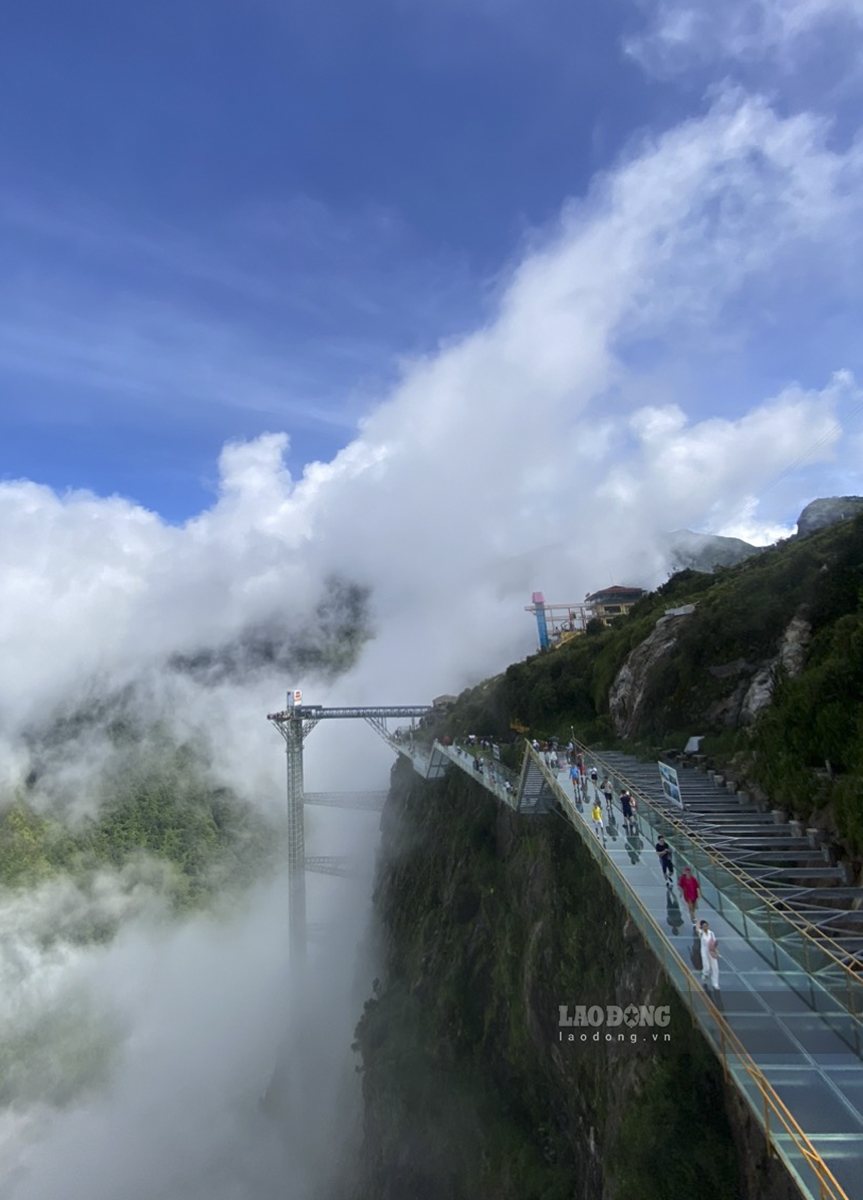
Located in the O Quy Ho pass area, Rong May glass bridge is a destination for tourists who love thrills. The building extends out of the cliff at an altitude of more than 2,000 m above sea level, designed with transparent glass to create the feeling of standing in mid-air.
From here, visitors can admire the panoramic view of O Quy Ho Pass and the majestic Hoang Lien Son range. In addition to the glass bridge, this area also has many activities for adventurous people such as ziplining, Bungee jumping or paragliding.
Conquering high mountain peaks
Lai Chau is an unmissable destination for mountaineering enthusiasts. This place owns many high peaks belonging to the group of the highest mountains in Vietnam such as Pu Si Lung, Pu Ta Leng, Bach Moc Luong Tu, Khang Su Van and Ta Lien.
In particular, the journey to conquer these mountains takes visitors through primeval forests, waterfalls, streams and rich vegetation. When reaching an altitude of about 3000m, the reward for the conqueror is the scenery of overlapping mountains and forests and the vast white sea of clouds before their eyes.
Sin Ho Plateau
About 60 km from the center of Lai Chau city, Sin Ho plateau is located at an altitude of over 1,500 m. Thanks to its cool climate, this place is often likened to the "Second Sa Pa" of the Northern mountains.
The average annual temperature is about 18 degrees Celsius, creating favorable conditions for many medicinal plants such as notoginseng, cat apple, artichoke, medicinal leaf bath plants and temperate vegetables and fruits such as plums, peaches, and pears to develop.
The plateau is located between rocky mountain ranges, primeval forests and sea of clouds. Terraced fields winding along with villages faintly visible on the mountainside create a typical scene of the highlands.
Villages rich in identity
One of the memorable experiences when coming to Lai Chau is exploring villages and learning about the cultural life of local people.
Sin Suoi Ho, Vang Pheo, Si Thau Chai, Ban Tham and San Thang were once identified by Lai Chau province as 5 typical community tourism villages. Here, visitors can immerse themselves in the cultural space of the highland people, learn about traditional customs and habits, and enjoy local dishes.
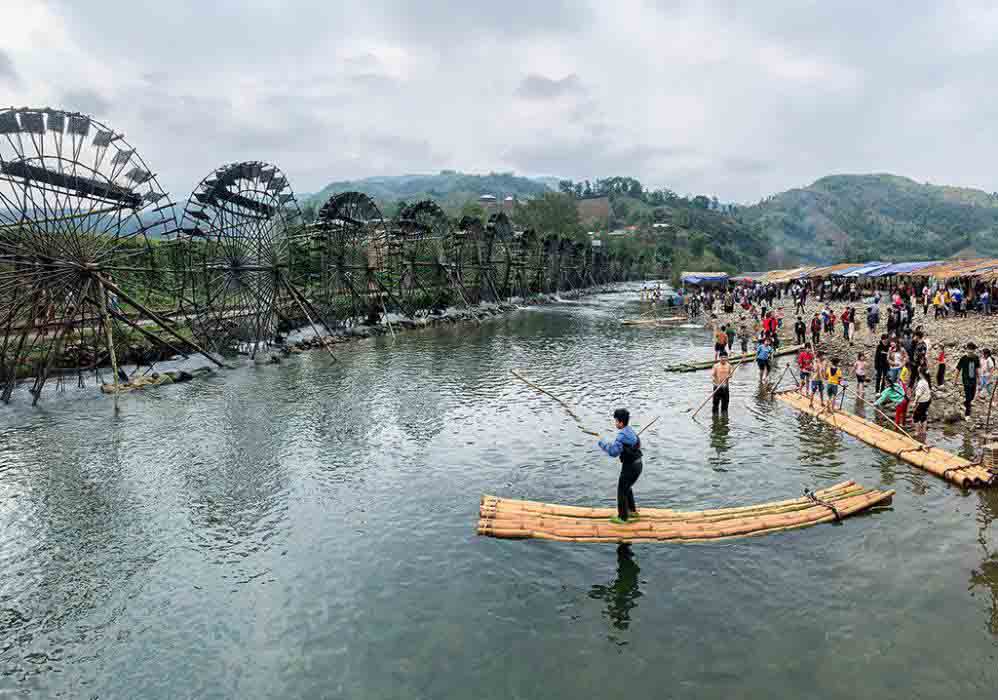
Besides, the water fountains in Na Khuong village are also a unique check-in point. Large water fountains made by the skillful hands of the Thai ethnic people, located in the middle of the Northwest mountains and forests, create an image that is both rustic and impressive.


