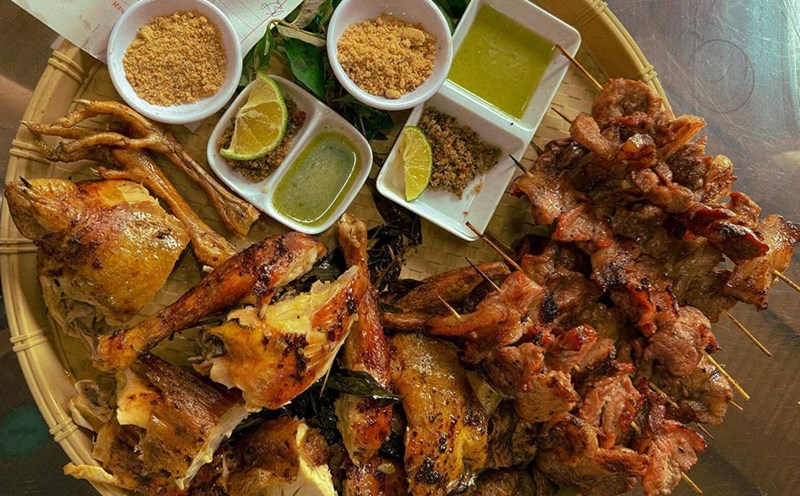
According to National Geographic, cuisine is increasingly becoming one of the important reasons promoting tourists to explore new lands. The destinations chosen not only possess unique dishes and drinks but also clearly reflect the history, culture and local life.
Buon Ma Thuot is the only representative of Vietnam in the list of "15 most worthwhile culinary destinations in the world in 2026". National Geographic believes that in the context of climate change affecting arabica coffee production globally, Vietnam's Central Highlands region is increasingly known thanks to its robusta coffee advantages and unique coffee culture.
The magazine commented that this area is becoming an attractive destination for tourists who want to find new experiences instead of just visiting familiar cities like Hanoi or Ho Chi Minh City.

National Geographic wrote: "In Vietnam, coffee has developed from its French colonial origin to become a drink imbued with Vietnamese identity.
Across the country, people of all ages sit behind small tables and patiently wait for each drop of coffee from a filter filter to drop down to create a rich cup of coffee, sometimes brewed with condensed milk. Coffee is also modified with salt or bathed with eggs to create a flavor reminiscent of tiramisu.
Vietnam is currently the second largest coffee producer in the world after Brazil. Among them, Buon Ma Thuot is considered the coffee capital of the country. The city is located in the Central Highlands region, which provides more than 40% of Vietnam's coffee exports to more than 70 countries and territories, and is also the largest robusta coffee production region in the world.
Quoting culinary expert Helen Le, author of many books on Vietnamese cuisine, National Geographic wrote: "Many coffee experts and businesses consider Buon Ma Thuot robusta to be one of the best in the world. The coffee beans here are famous for their rich flavor, amber color, high caffeine content, low sourness, strong aroma and long sweet aftertaste.
Besides specialty coffees, visitors to Buon Ma Thuot can also explore many experiences associated with the local coffee industry. National Geographic introduces Trung Nguyen Coffee Village as a prominent destination with a space of about 20,000 m2, including cafes, restaurants and works inspired by traditional Central Highlands architecture. Here, visitors can enjoy many high-end coffee lines, including products combining arabica and robusta beans.
In addition, AerocoCo Specialty Coffee Farm offers the opportunity to learn about the entire coffee production process from plant care, harvesting to roasting and mixing. Meanwhile, the World Coffee Museum is considered a place to help visitors better understand Vietnam's role in global coffee history and culture. The project impresses with architecture inspired by the E De people's long houses and thousands of exhibits related to coffee on display.
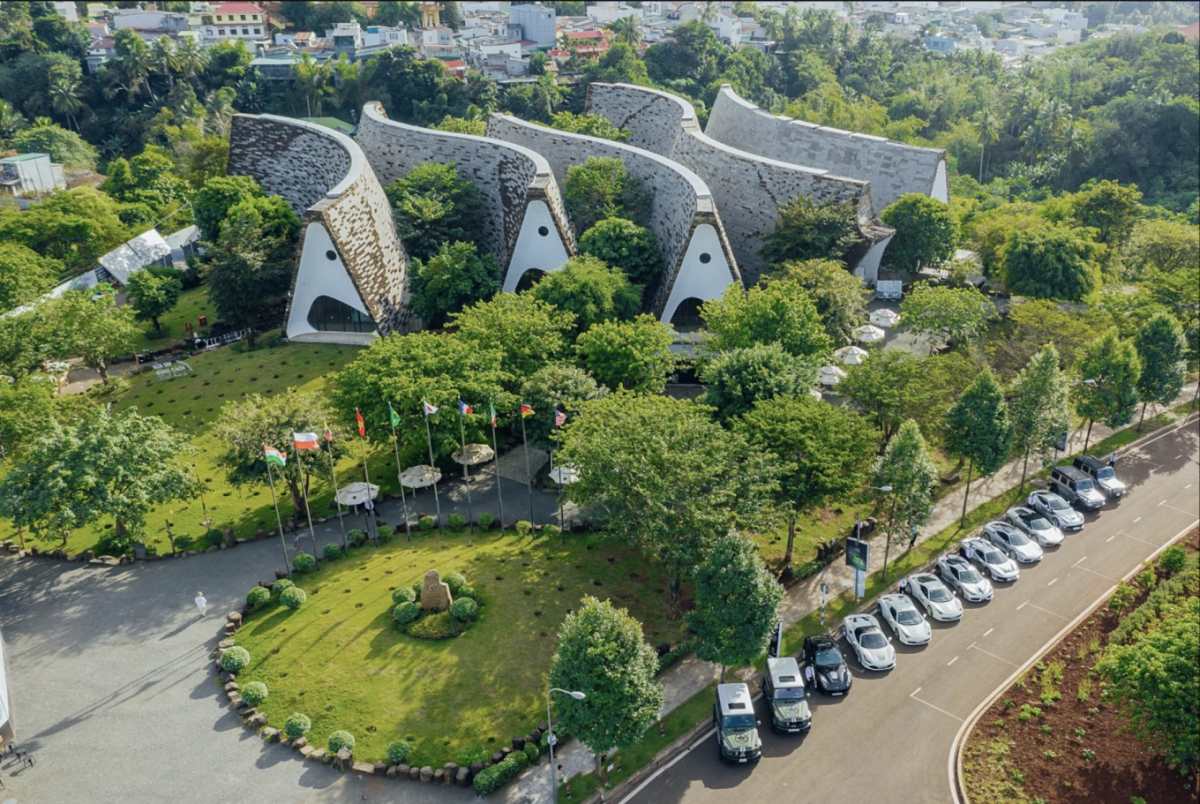
According to National Geographic, traveling to Buon Ma Thuot is quite convenient with daily direct flights from Hanoi and many major cities. From the airport, visitors only take about 20 minutes to get to the city center. For attractions such as Aeroco Specialty Coffee Farm, you should book in advance to have a more complete experience.
In addition to Buon Ma Thuot, National Geographic's list also includes many famous destinations such as Crete Island (Greece), Singapore, Lucknow (India), Cape Town (South Africa), London (England), Bozcaada Island (Turkey)...
National Geographic is a famous American magazine specializing in science, exploration and tourism, under the National Geographic Society - a non-profit organization founded in 1888. In more than a century of operation, the magazine has built global prestige thanks to in-depth articles, reports and images about nature, culture, history, people and destinations around the world.