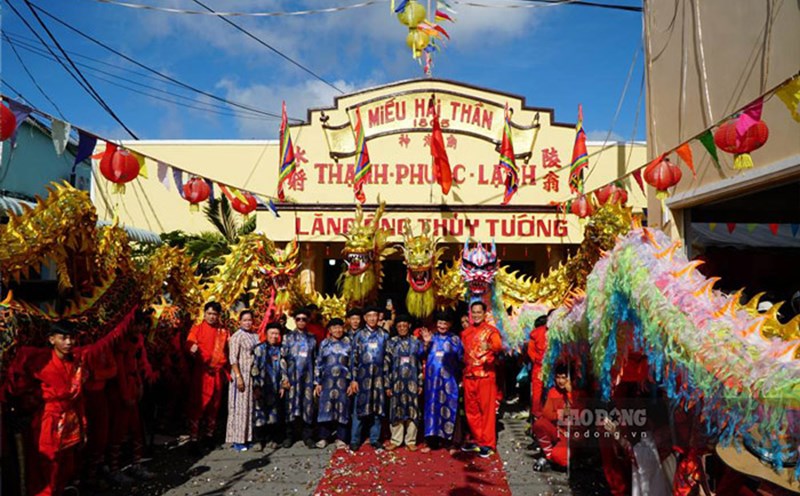
On January 29, at the conference "Developing Can Gio into a new tourism growth pole for Ho Chi Minh City", representatives of the Ho Chi Minh City Department of Tourism said that Can Gio is identified as a strategic marine ecological space, playing an important role in expanding tourism space, diversifying products and promoting sustainable tourism development of the Ho Chi Minh City megacity in the new period.
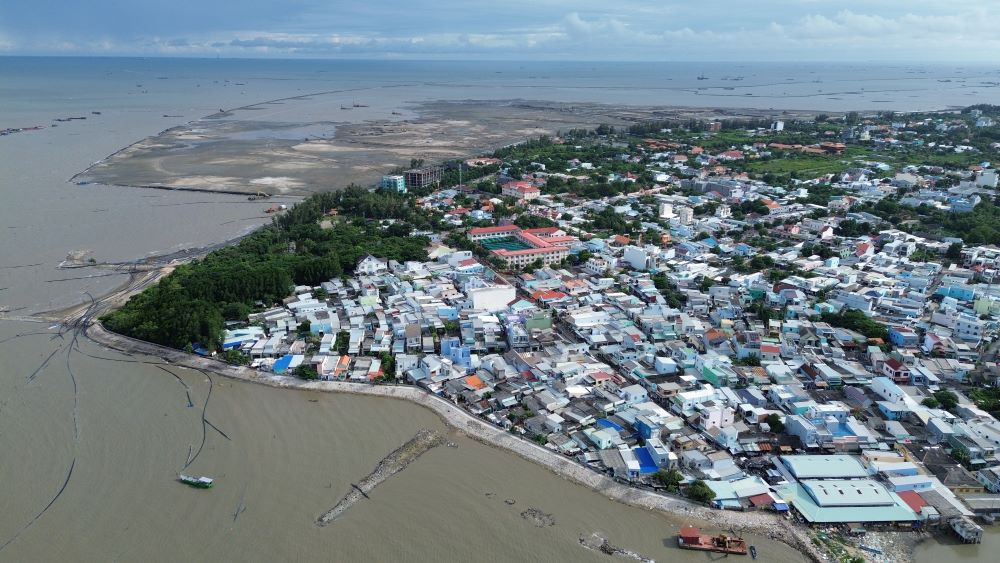
Speaking at the workshop, Mr. Pham Huy Binh - Director of Ho Chi Minh City Department of Tourism said that in the context of Ho Chi Minh City just expanding its administrative boundaries and entering a new development phase with a vision to 2030, Can Gio holds a strategic position in the urban - ecological - tourism space development structure of the city.
Can Gio owns a rare mangrove ecosystem recognized by UNESCO, a coastline of more than 23 km, land fund with room for development and a unique fishing village cultural identity, creating a favorable foundation for developing green tourism, ecotourism and high-class resorts associated with local communities.
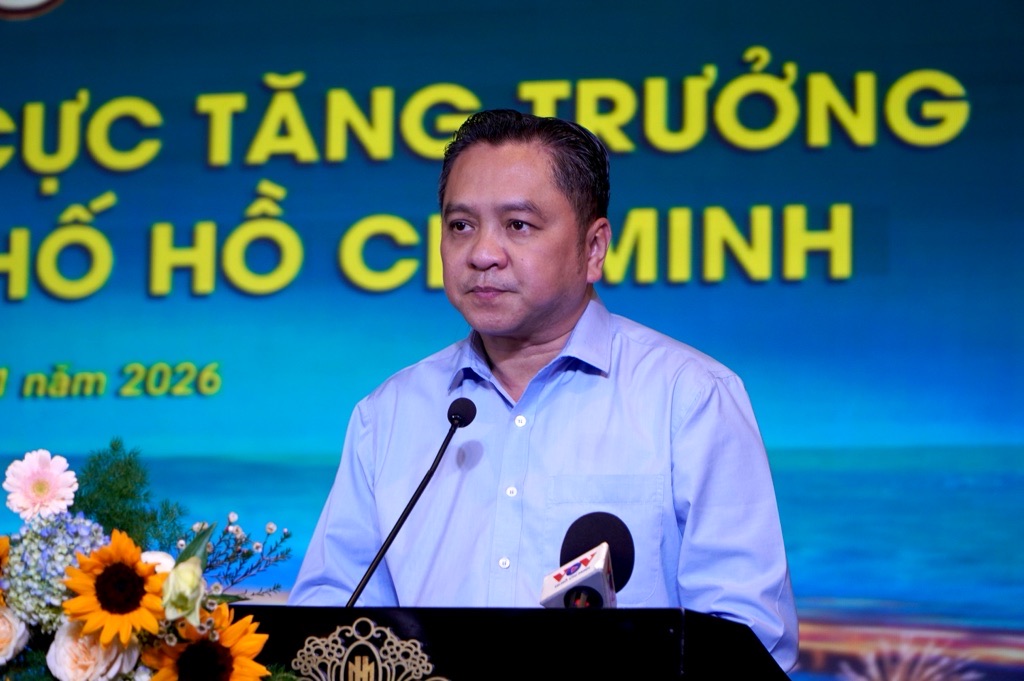
According to Mr. Pham Huy Binh, the development of Can Gio not only stems from the city's internal needs but is also in line with the trend of green transformation and sustainable development in the world, aiming to create a balance between economic growth and resource and environmental conservation.
Over the past time, Ho Chi Minh City has paid strong attention to investing in connecting infrastructure to Can Gio with many breakthrough projects such as road and waterway traffic routes connecting the city center with Can Gio and Ba Ria - Vung Tau, thereby creating a foundation for Can Gio to transform from an isolated ecological area into a high-quality tourist destination, contributing to reducing the density of tourists in the inner city area and allocating tourism development space in a balanced and sustainable direction," Mr. Binh emphasized.
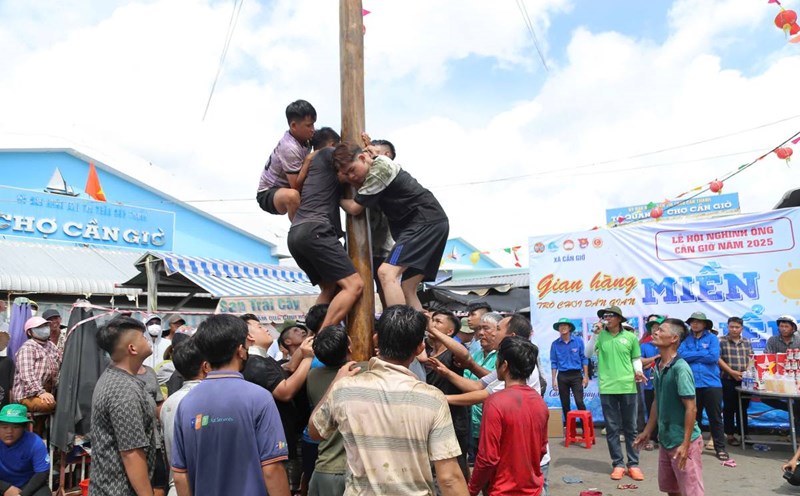
From the perspective of tourism development orientation, Ms. Nguyen Cam Tu - Director of the Tourism Promotion Center, Ho Chi Minh City Department of Tourism said that Can Gio fully meets the conditions to develop different types of tourism such as ecotourism, community tourism associated with local livelihoods, cultural tourism - sea beliefs and eco-resort tourism.
In the new development structure of Ho Chi Minh City tourism, Can Gio is identified as a strategic marine ecological pole, playing the role of a unique transition space between rivers, forests and seas. This area possesses a unique mangrove ecosystem recognized by UNESCO as a World Biosphere Reserve, and is also a "green lung" protecting the city from the impacts of climate change.
Through this, Can Gio will become an important piece in the tourism ecosystem of Ho Chi Minh City, contributing to positioning the city as a modern megacity but developing in harmony with nature, with sustainable competitiveness in Southeast Asia.