
Traveling from stilt houses
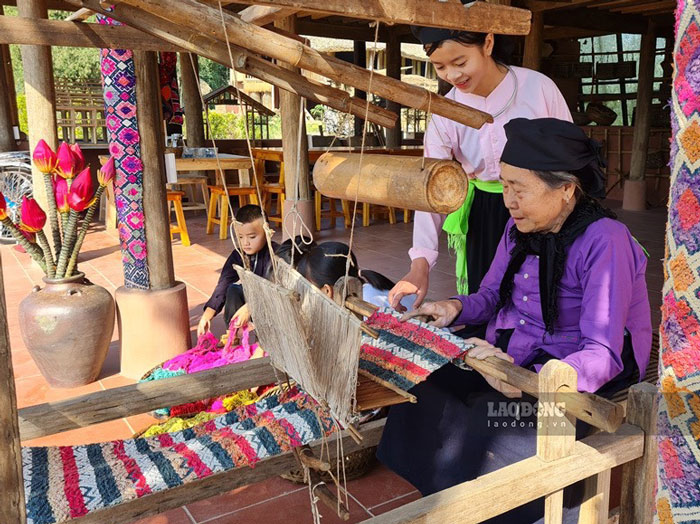
In the morning in Cat Cat village, Ta Van commune, mist still lingering on the stilt house roofs, Ms. Giang Thi Sua was sitting next to a linen weaving cutter placed right on the porch. The sound of the shuttles swirling mixed with the footsteps of foreign tourists visiting.
Some people curiously stood watching, some people asked to try weaving a few lines. Then many people decided to buy the cloth they had just finished.
“Previously, I wove it just for use in the house. Now, linen fabric becomes a commodity, sold to tourists, and feeds the whole family,” Ms. Sua smiled gently, her hand still quickly reaching out.
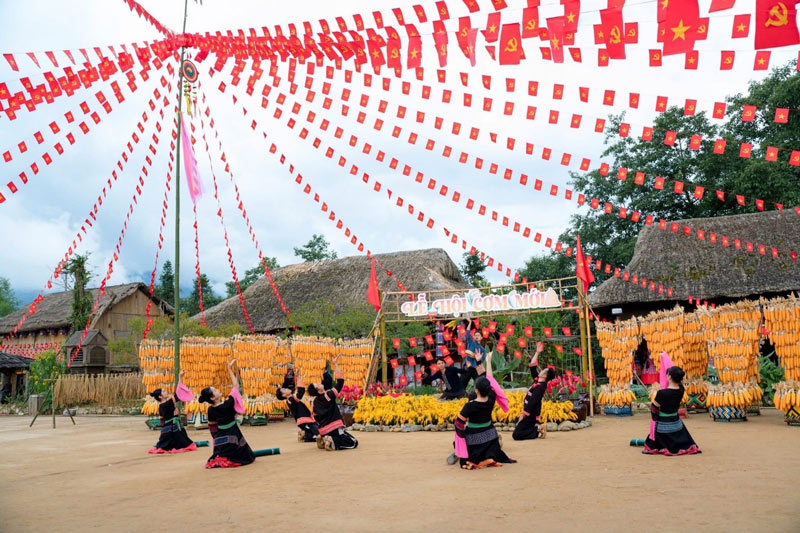
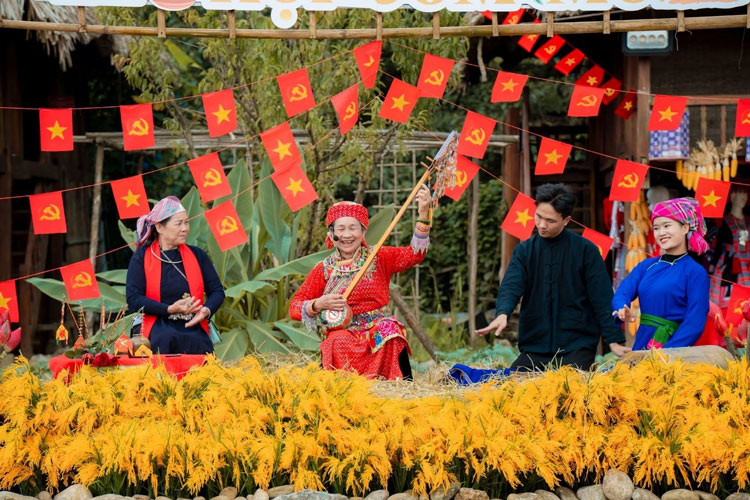
The linen fabrics and brocade patterns that once faced the risk of fading, are now becoming "specialties" that keep tourists.
Not far from there are the stilt houses of the Tay people nestled by the clear stream. In the cool wooden house, Mr. Hoang Van Pen (Nghia Do) introduces to guests baskets, trays, and baskets completely handcrafted.
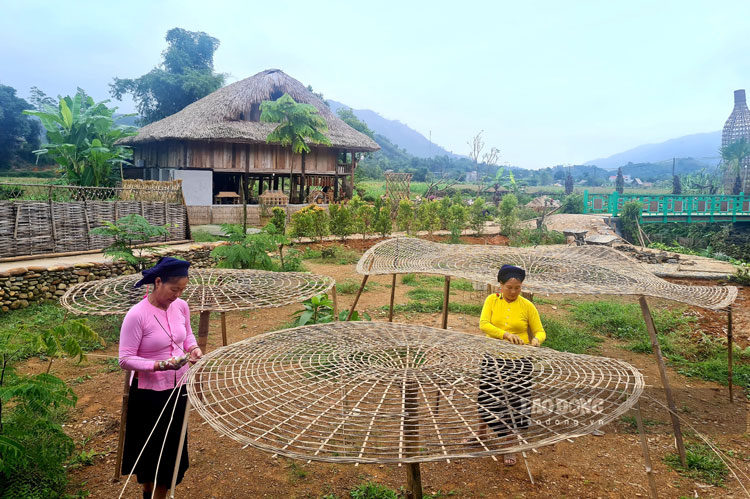
There are groups of customers who order dozens of products at once. Many days they can't make it in time," Mr. Pen said. Previously, weaving was just a side job during idle farming. Now, thanks to the development of experiential tourism, Tay handicrafts have become the main source of income for many households.
Not only selling products, Mr. Pen's family also opens homestays. Tourists come to stay, eat with the homeowner, listen to village stories, watch weaving and weaving.
I don't need to do anything big, just keep the lifestyle of the Tay people, customers will already find it interesting," he shared.
Large investment, but not sacrificing heritage
Models such as in the highlands of Ta Van and Nghia Do are being replicated in the context of Lao Cai entering a new stage of development. Implementing the Resolution of the 1st Provincial Party Congress, term 2025-2030, Lao Cai identifies tourism as a key and breakthrough economic sector.
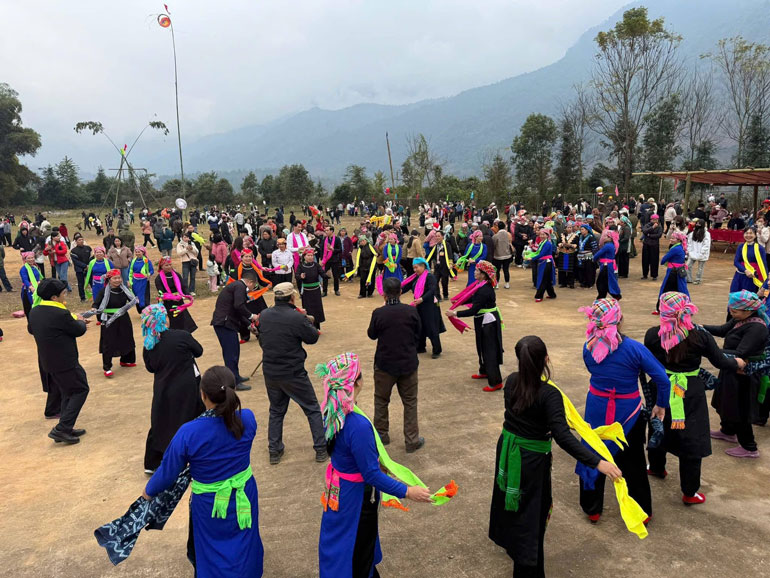
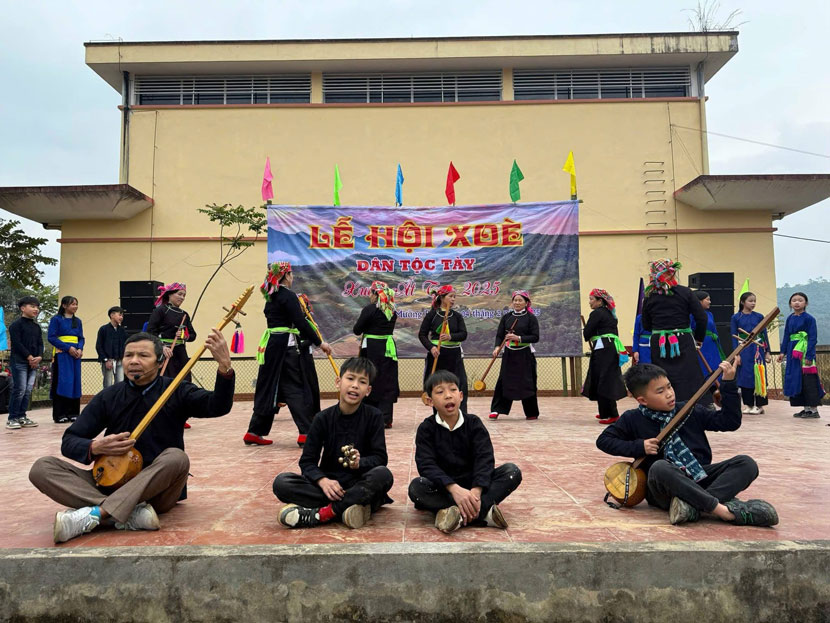
For the first time, tourism is built into a separate project with Project 10 on tourism development for the period 2026-2030, in parallel with Project 14 on preserving and promoting cultural identity.
According to Mr. Duong Tuan Nghia - Deputy Director of the Department of Culture, Sports and Tourism of Lao Cai province, separating tourism into an independent project shows a clear change in development thinking.
Tourism is not only an auxiliary to culture, but also an economic pillar. People must be the subject and benefit," Mr. Nghia said.
Reality shows that, despite its great potential, community tourism in Lao Cai still faces many difficulties: limited investment capital, uneven tourism skills, and lack of long-term support mechanisms.
Clearly identifying these "bottlenecks", the Department of Culture, Sports and Tourism is advising Lao Cai province to issue direct support policies for homestay and community tourism households, and at the same time remove investment attraction mechanisms.
Not only large businesses, but also people must be supported. Only then can tourism develop sustainably," Mr. Duong Tuan Nghia emphasized.
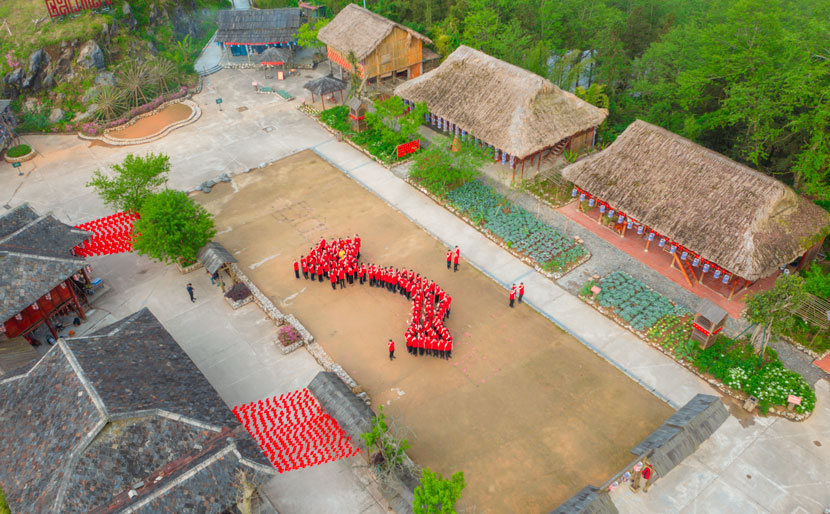
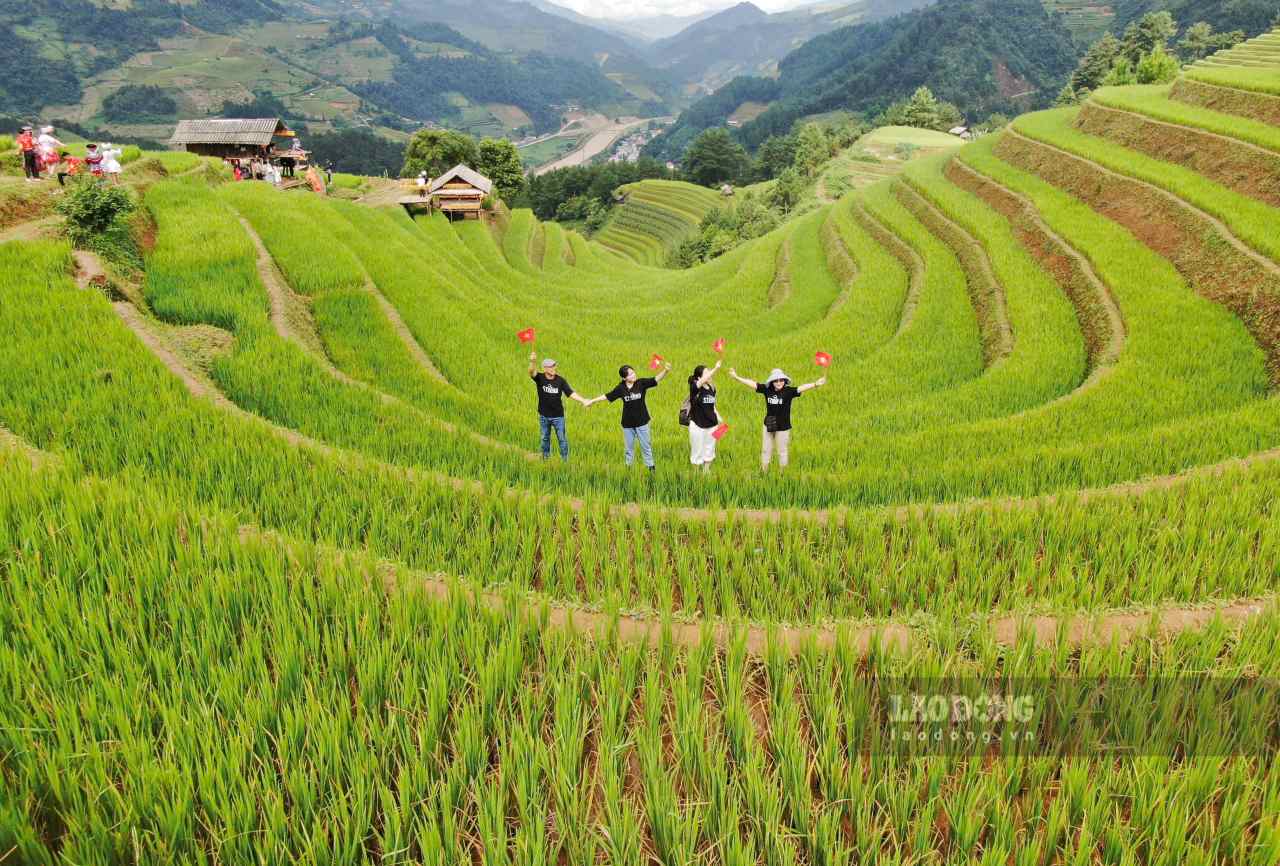
Along with community tourism, Lao Cai is calling for investment in a series of large-scale tourism projects. Currently, there are more than 100 potential projects being reviewed and invited for investment, concentrated in Sa Pa and surrounding areas.
Resorts and eco-urban areas are expected to improve tourism quality and extend tourist stays. However, the province's point of view is not to trade heritage for short-term growth. Projects must be in harmony with the landscape and local culture.
Lao Cai currently owns 56 national intangible cultural heritages, along with more than 30 ethnic groups living together. Each year, about 100 traditional festivals take place throughout villages.
The good news is that many heritages are no longer "standing still in museums", but have entered economic life. From Mu Cang Chai terraced fields, knitting in Nghia Do, to Ta Van brocade, all are creating jobs and income for people...


