
In the last days of July, in the Ban Thai area (hamlet 5, Mu Cang Chai commune), amidst the green season of terraced fields, homestays are always bustling welcoming guests.
Mr. Luong Van Sanh's family has been associated with community tourism for more than 15 years and currently has 5 private rooms and a collective accommodation area, serving from 40-60 guests per day.
According to Mr. Sanh, what tourism brings is not only a stable source of income but also contributes to changing the face of villages.
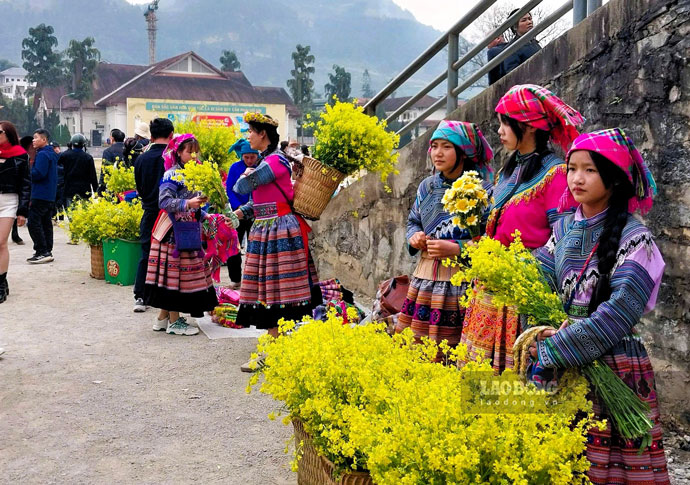
Previously, many households also raised livestock under the floor. Since doing tourism, people have been cleaning up, tidying up houses, and preserving the landscape to welcome guests. Children and grandchildren also have jobs right in their hometowns, without having to work far away," Mr. Sanh shared.
These changes are reflected in the growth indicators. In the first 6 months of 2026, Mu Cang Chai commune welcomed more than 67,250 visitors, tourism revenue reached over 168 billion VND.
According to Mr. Giang A Tang - Vice Chairman of Mu Cang Chai Commune People's Committee, in addition to the advantage of Mu Cang Chai Terraced Fields, a special national relic, the locality is constantly innovating tourism products.
In addition to the flood season, ripe rice season and community tourism, the commune also develops more trekking and outdoor sports products, and at the same time promotes digital transformation in advertising and improving service quality.
Events such as the Mu Cang Chai Ultra Trail Marathon or the "Footprints of the Watershed Season" terraced field climbing race have contributed to promoting the local image and attracting a large number of domestic and international tourists.
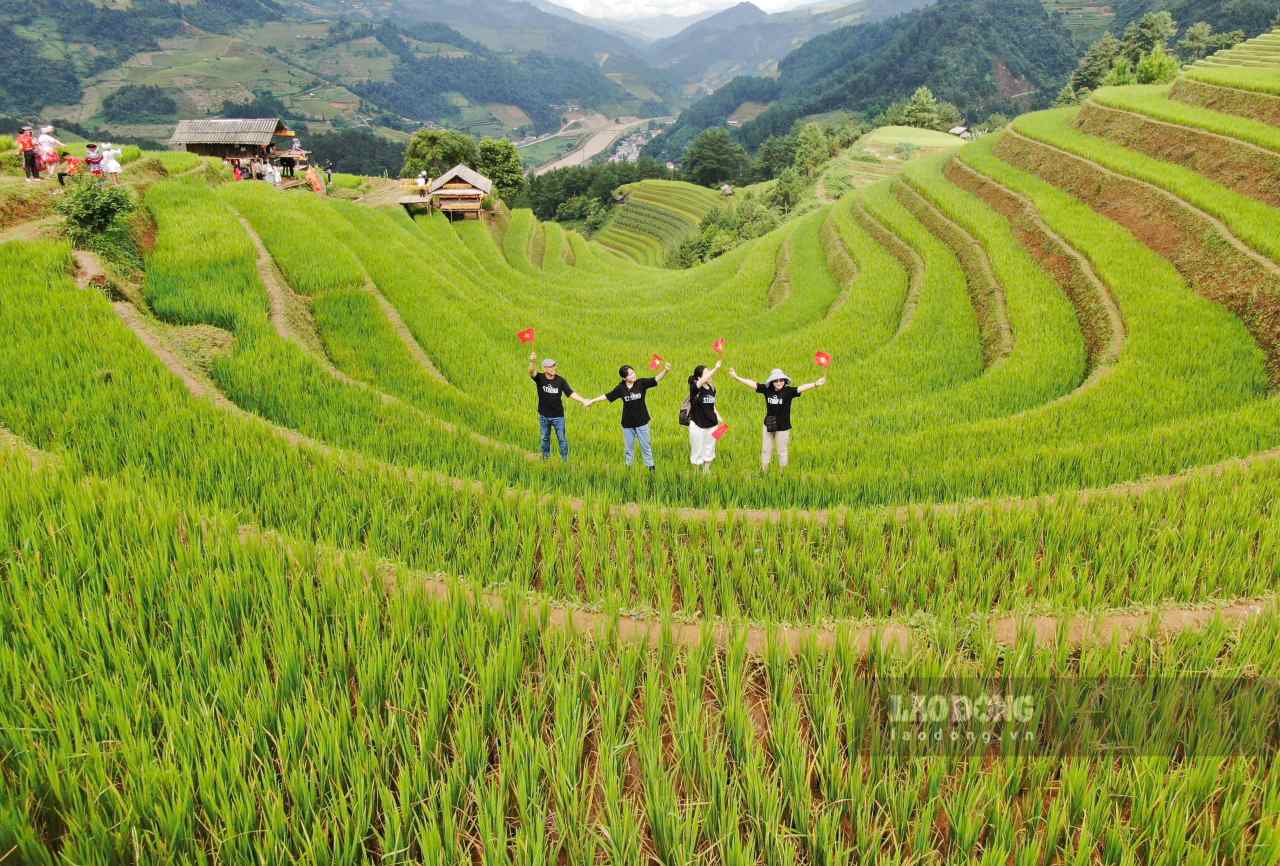
Tourism also opens up many new livelihood opportunities when young people have jobs from tour guides, drivers, and ethnic costume rentals; many households invest in homestays, agricultural products, OCOP products and traditional handicrafts, gradually increasing income.
Not only Mu Cang Chai, key areas such as Sa Pa, Bac Ha and Y Ty also continue to affirm their attractiveness thanks to product diversification, improved service quality and increased promotion.
According to the Lao Cai Department of Culture, Sports and Tourism, in the first 6 months of 2026, the whole province is estimated to welcome 6.755 million visitors, with total revenue from tourists reaching about 25,370 billion VND.
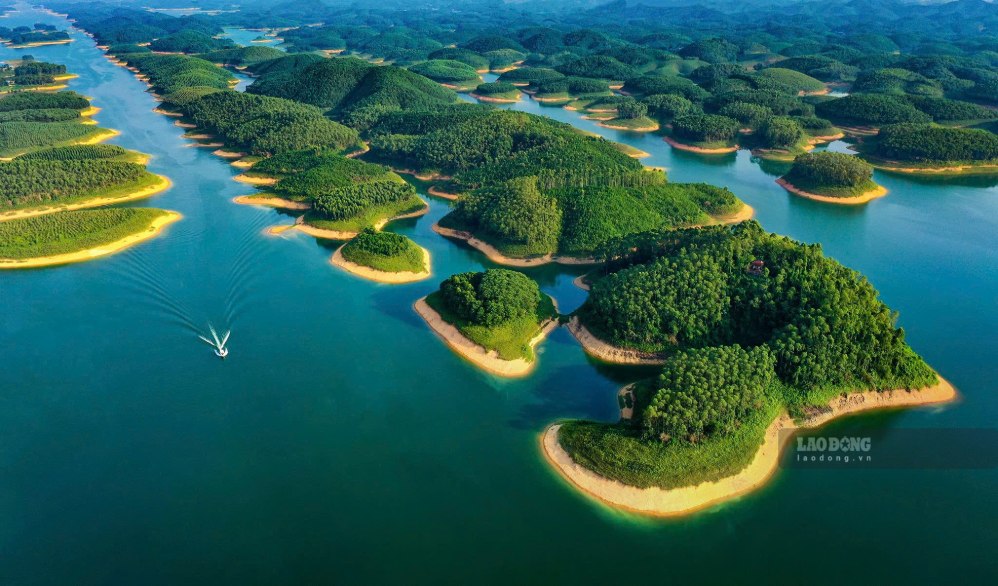
The growth of tourism creates a clear spillover effect to many fields such as trade, transportation, accommodation, food services, consumption of agricultural products and local characteristics, while contributing to creating jobs, increasing income and preserving traditional cultural values.
To maintain growth momentum, Lao Cai is implementing many synchronous support policies. Of which more than 10.8 billion VND is allocated for promotion, advertising and organizing tourism festivals. About 20 billion VND is entrusted through the Vietnam Bank for Social Policies to support organizations and individuals investing in tourism development.
Along with that, the province continues to expand links with travel businesses, strengthen promotion at fairs and events at home and abroad, and promote the application of digital platforms to introduce destinations.
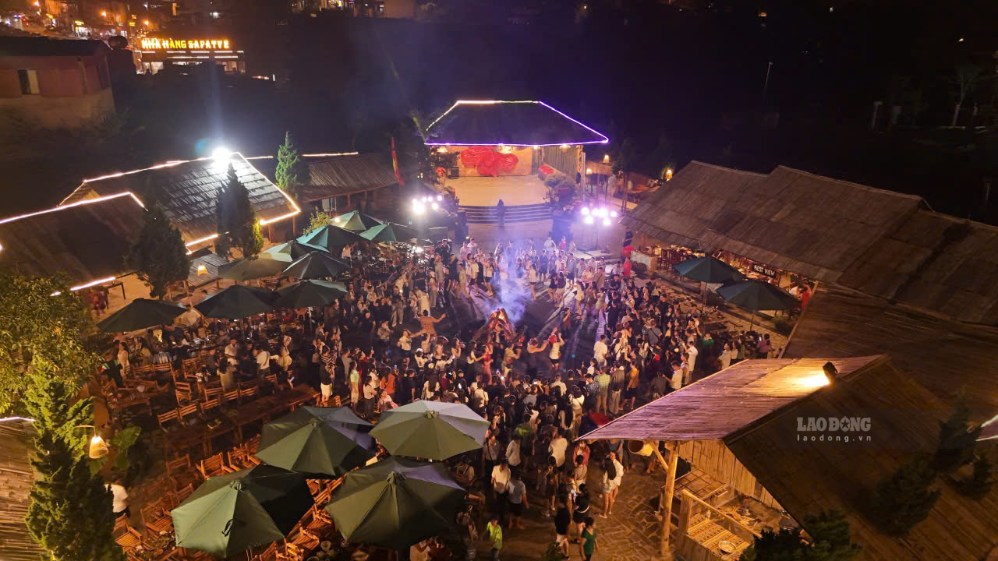
Types of community tourism, green tourism, resorts, cultural experiences, sports and agriculture are developed in a diversified direction, contributing to extending stay time and increasing tourist spending.
With the orientation of putting people at the center, each village becomes a unique tourism product, each destination is a link in the value chain.
This is expected to continue to be an important driving force to promote economic growth, contributing to making Lao Cai an attractive destination for the region and the whole country.


